Shark tattoo ideas, meaning and designs
A shark tattoo reads as a specific animal or as a generic fish, and the difference is nothing more than the snout, the gill slits and the tail.
- Pain level5 / 10 on the outer calf
- Healing2 to 3 weeks on the surface
- Typical size15 to 30 cm (6 to 12 in)
- Studio cost$250 to $1,200
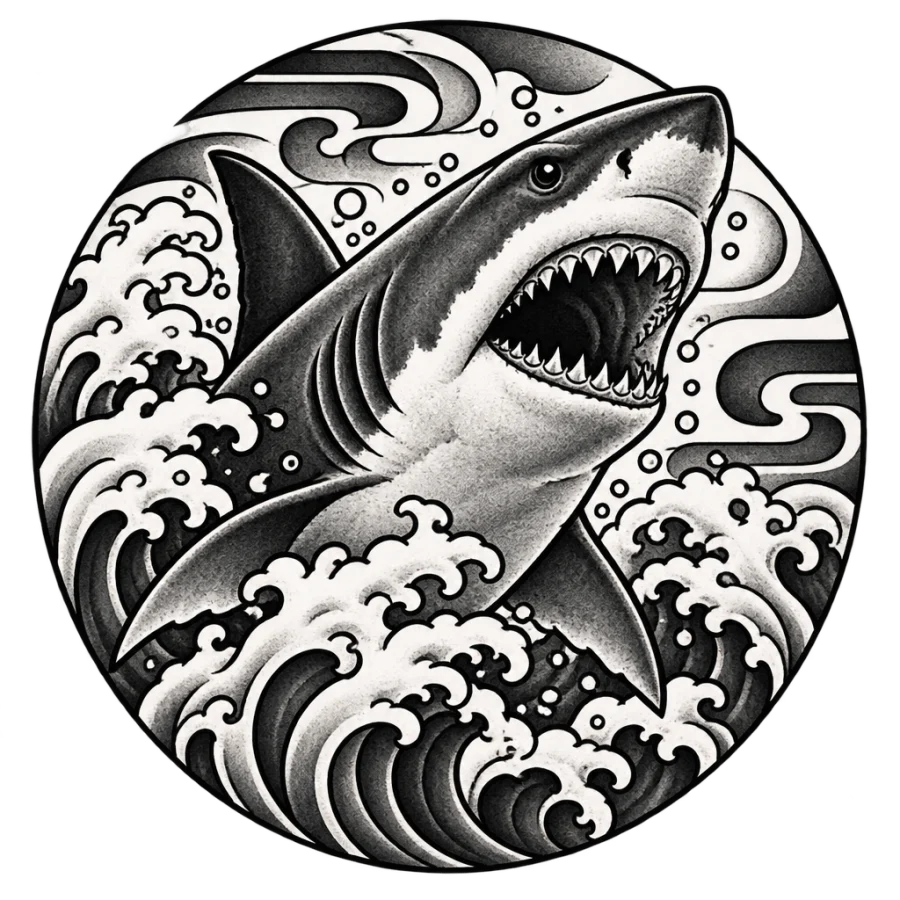
Most shark tattoos go wrong in the same place. The artist draws a shape that is roughly shark shaped, without committing to a species, and what lands on the skin is a grey torpedo with teeth. A great white, a hammerhead and a tiger shark have three different silhouettes, and choosing one gives the artist something real to draw from.
The second decision is the angle. A shark in flat profile is a long thin rectangle that wants a forearm or a calf. A shark coming toward the viewer from below with its mouth open is roughly triangular and suits a shoulder or a thigh. Those two options belong on completely different parts of the body, so pick the pose before you pick the spot.
Pick the species before anything else
The details that identify each animal sit in different places, which is why some sharks read small and others never will. A hammerhead is recognizable from its outline alone, so it survives at 8 cm. A great white is recognizable from the blunt conical snout, the black eye, the five gill slits and the counter shaded line where the grey back meets the white belly, and all four of those need room to exist.
| Species | What makes it recognizable | Smallest size that reads | Spot it suits |
|---|---|---|---|
| Hammerhead | The wide flattened head | 8 cm | Sternum, armband, across the shoulders |
| Great white | Blunt snout, black eye, gill slits, pale belly | 15 cm | Outer forearm, calf, thigh |
| Tiger shark | Vertical bars down the flank, blunt head | 18 cm | Upper arm, ribs, calf |
| Mako | Pointed snout, tall tail, deep blue back | 15 cm | Forearm, outer thigh |
| Whale shark | Spotted grid pattern, wide flat head | 20 cm | Back, thigh, shoulder blade |
Styles, and which one keeps the teeth
American traditional is the most reliable because it was built for exactly this. Bold outline, flat grey or blue panels, pale belly, a few heavy teeth, and the whole thing reads at distance for fifty years. Black and grey realism gives you the skin texture and the eye, and it needs 20 cm or more plus an artist who has tattooed water before, since an underwater scene lives on the light rays and the surface line rather than on the animal.
Japanese style handles sharks less often than koi or dragons, but a shark with wind bars and wave crests works and the heavy black does the aging for you. Geometric and blackwork versions reduce the animal to its silhouette, which is honest about what survives anyway. Watercolor sharks look good for about four years and then the washes drift outside the shape.
Details that decide how it holds up
- Teeth drawn with real black between them, never as hairline triangles
- Gill slits spaced at least 3 mm apart so they stay five separate marks
- A dark enough grey on the back, because light wash over a large area fades patchy
- A pale belly left as bare skin rather than filled with white ink, which yellows
- Water drawn as a few committed black shapes instead of fine spray
Size, placement and the shape of the body part
A profile shark is three to four times longer than it is tall, which is the proportion of a forearm, a calf and the outside of a thigh. Run the animal along the limb nose up or nose down rather than across it. The outer forearm takes a 20 cm great white comfortably. A hammerhead is the opposite shape, wider than it is tall, so it sits across the sternum, around a bicep as an armband, or between the shoulder blades.
An open mouth coming at the viewer is a triangle, and it wants a surface that is wide at the top and narrow at the bottom, which is the shoulder cap or the front of the thigh. Avoid putting a long profile shark on the ribs if you want it straight. The ribs curve in two directions and a straight bodied animal picks up a bend nobody asked for.
Cost, aging and the versions people regret
A 15 cm traditional shark runs about $200 to $400 in one sitting. A realistic 25 cm piece with water around it is usually $600 to $1,200 across one long session or two. Sharks age well in bold styles because the drawing is mostly black and grey, and grey holds better than any color pigment. Blue backs fade faster than grey ones, which matters if you have your heart set on a mako.
The regrets are predictable. A tiny detailed shark on the inner wrist blurs into a dark fish within five years. A cartoon shark chosen in a hurry stops being funny. And a shark drawn without a species sits on the arm looking vaguely wrong forever, which is a hard problem to fix, because there is nothing specific to correct.
12 shark tattoo designs, with the prompt behind each one
Every design below came out of AI Tattoo Lab. Tap one to load its prompt into the generator, then change a word and make it yours.
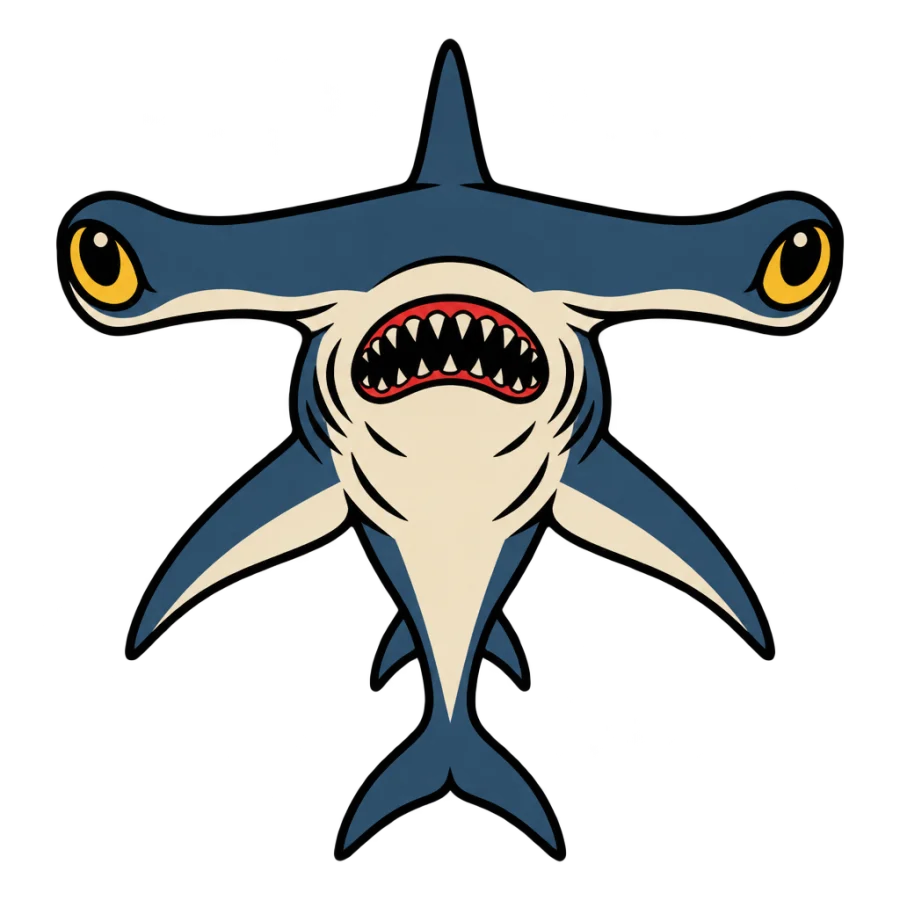
Hammerhead shark seen head on, bold American traditional, wide band
Use this prompt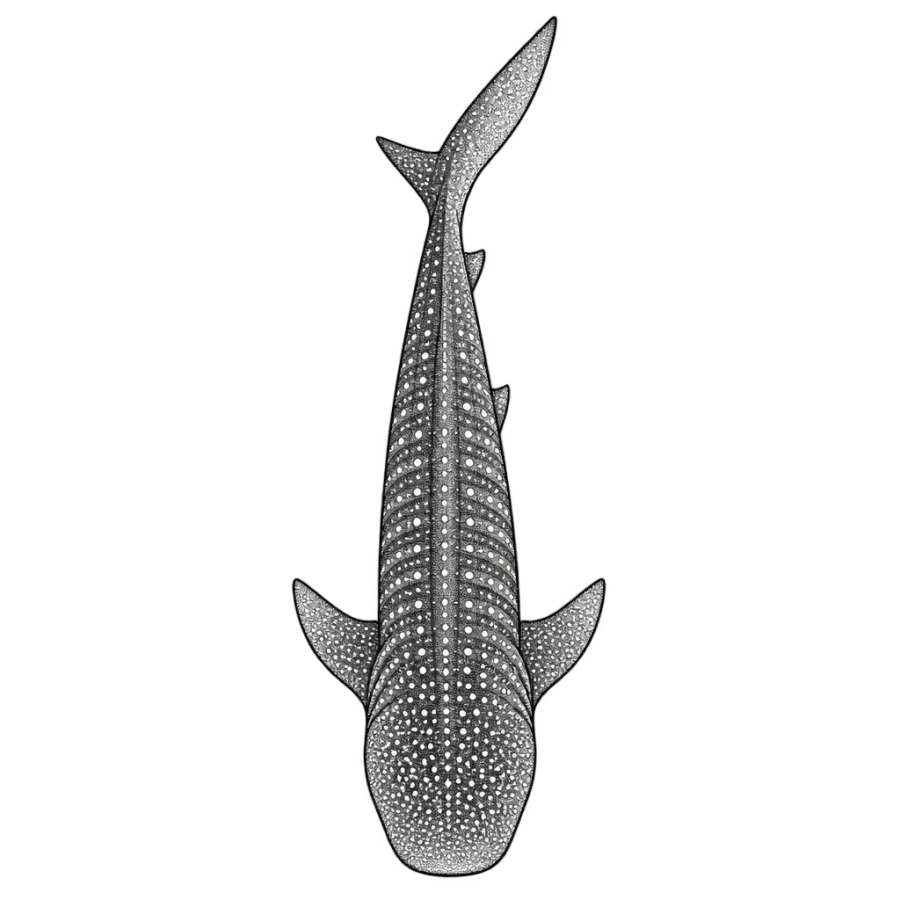
Whale shark gliding down seen from above, fine line with dotted spots
Use this prompt
Shark fin cutting the water, solid black with ripples in negative space
Use this prompt
Shark head front on made of triangles, geometric and symmetrical
Use this prompt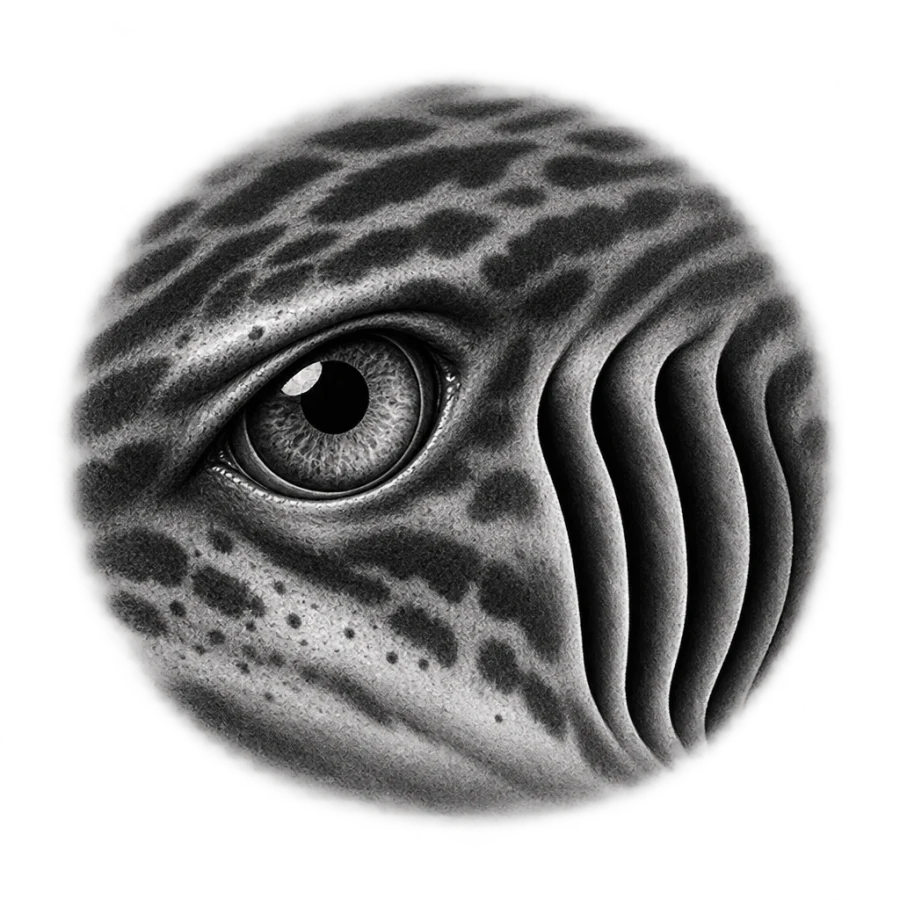
Close up of a shark eye and gills, black and grey realism
Use this prompt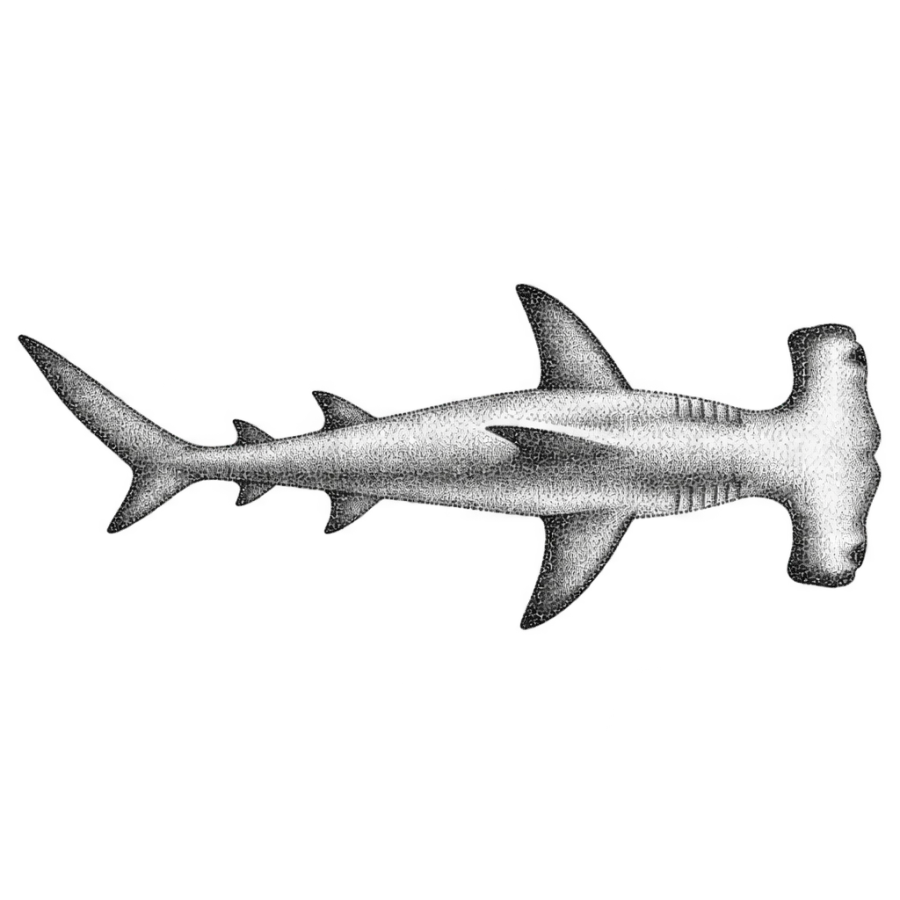
Hammerhead shark from above in stippled dots, no outline
Use this prompt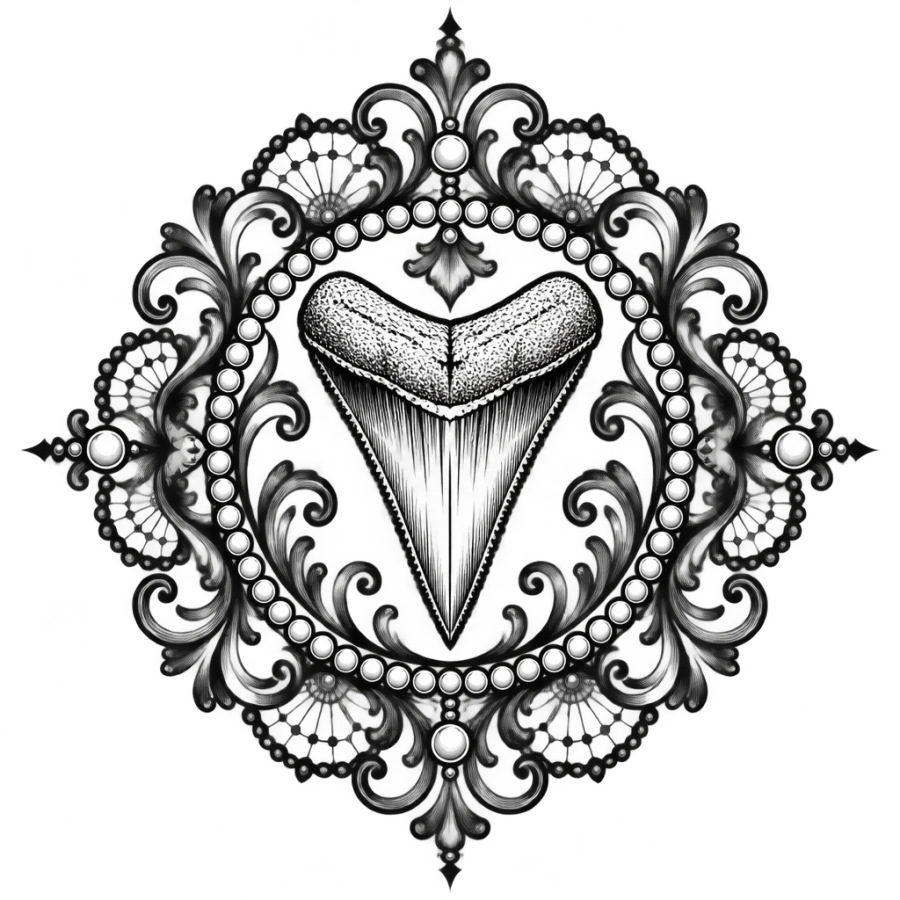
Shark tooth inside an ornamental lace medallion with pearls
Use this prompt
Shark drawn in one continuous line, minimal and simple
Use this prompt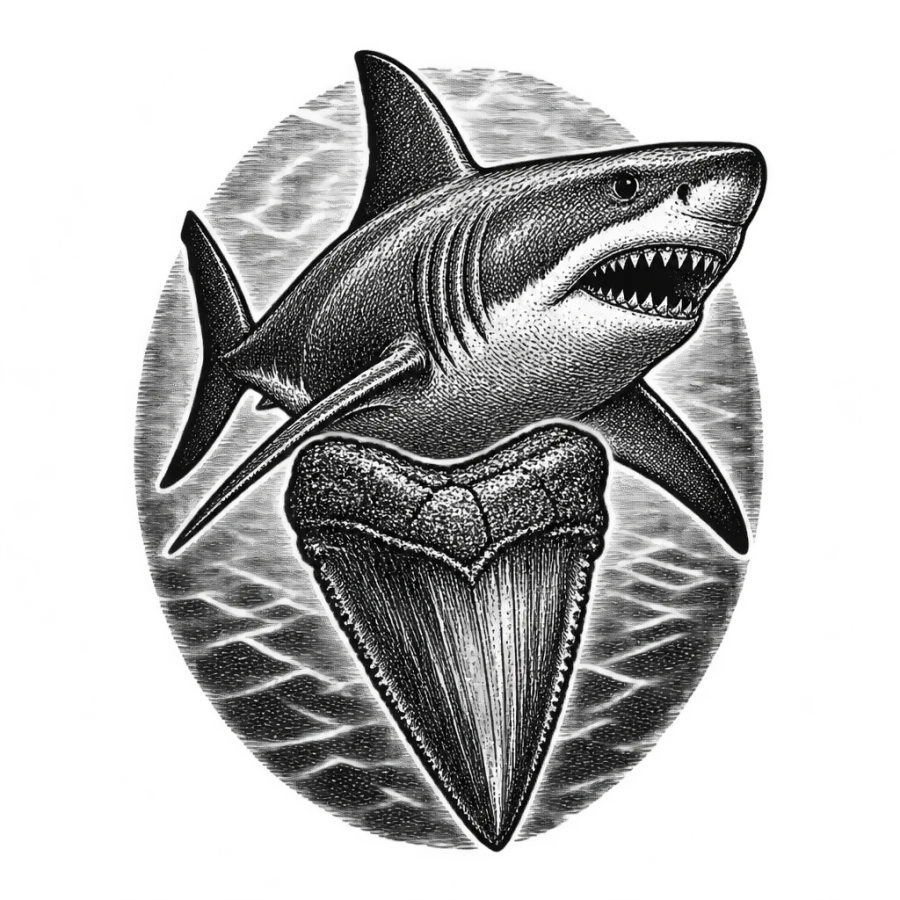
Megalodon tooth and old natural history shark plate, woodcut hatching
Use this prompt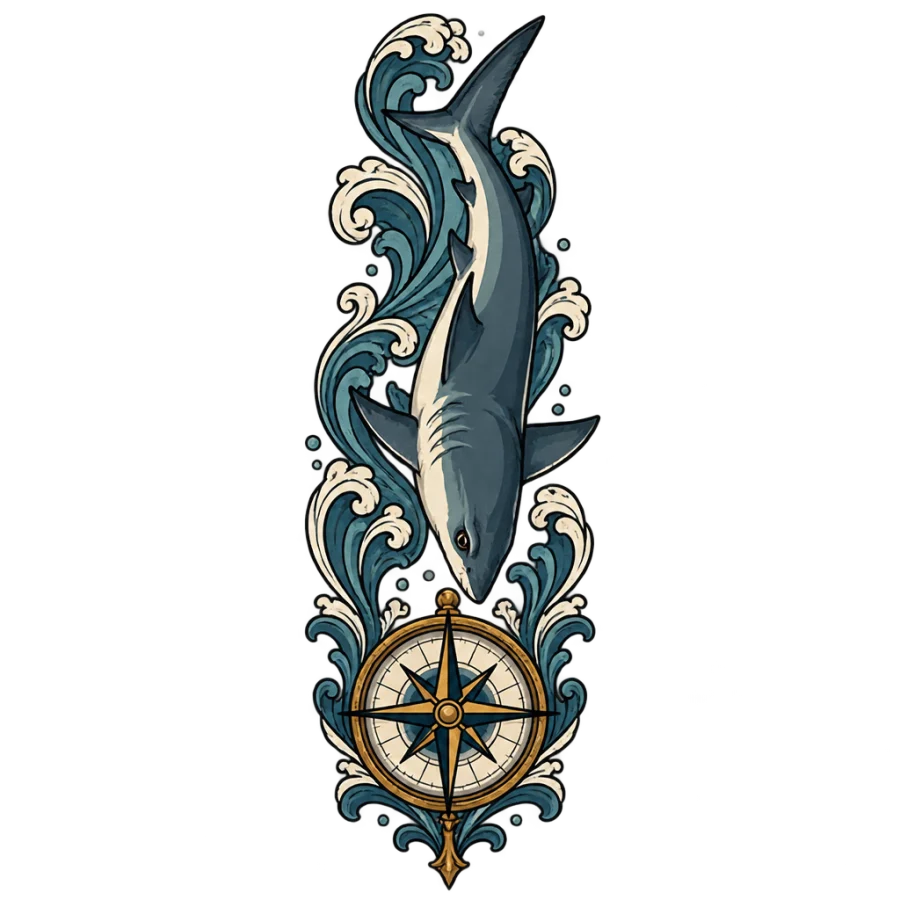
Reef shark diving over a compass rose with water curls, colour
Use this prompt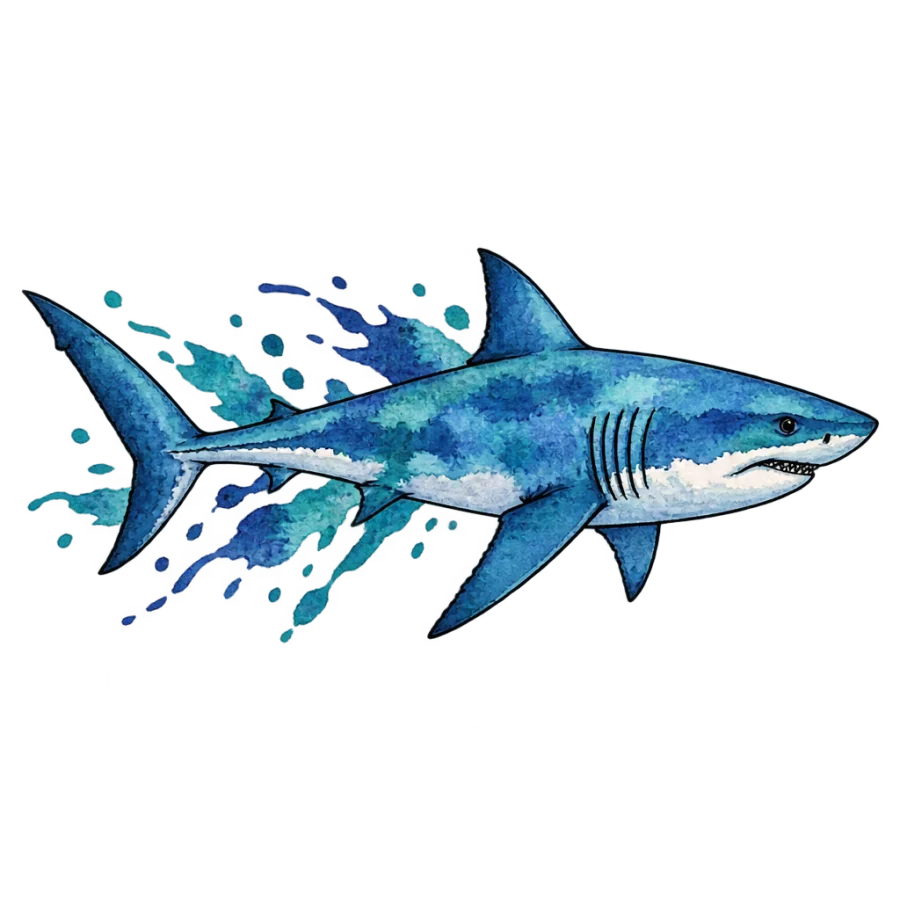
Blue shark with watercolour splashes trailing behind it
Use this promptDescribe an idea of your own and get four designs back in about 20 seconds.
Open the generator
Questions people ask
What does a shark tattoo mean?
Fearlessness and the sea, most often. The Western version comes from sailor tattooing, where a shark sat alongside anchors and swallows on traditional flash. In Hawai'i a mano can be a family's ancestral guardian, and the triangular tooth row in Polynesian tattooing carries protection. Divers and surfers often mean the animal itself.
Which shark tattoos work at a small size?
Hammerheads, because the wide head makes the outline unmistakable even at 8 cm. Everything else needs 15 cm or more, since a great white is identified by its snout, eye, gill slits and belly line, and all four of those close up when you shrink them. A single tooth or fin also reads small.
Where should a shark tattoo go?
A profile shark matches the proportions of a forearm, a calf or the outside of a thigh, with the nose running along the limb. A hammerhead is wide, so it suits the sternum, an armband or the space between the shoulder blades. An open mouth seen from below is a triangle and fits a shoulder cap.
How much does a shark tattoo cost?
Around $200 to $400 for a 15 cm traditional shark in one sitting, and $600 to $1,200 for a realistic 25 cm piece with water around it. A sleeve with a full ocean scene runs far higher and takes several sessions. Shop minimums of $100 to $150 apply to anything tiny.
Can I bring an AI shark design to a tattoo artist?
Yes, as a reference. Generate the design, download the stencil, then hand it to a licensed artist who will fix the anatomy, thicken the teeth so they hold, and lay the body along your arm or leg properly. Generators get gill slit counts and fin placement wrong fairly often.