Every tattoo style, drawn the way artists tattoo it
Twelve styles with real line weights, shading methods and aging notes, plus AI designs you can generate in each one.
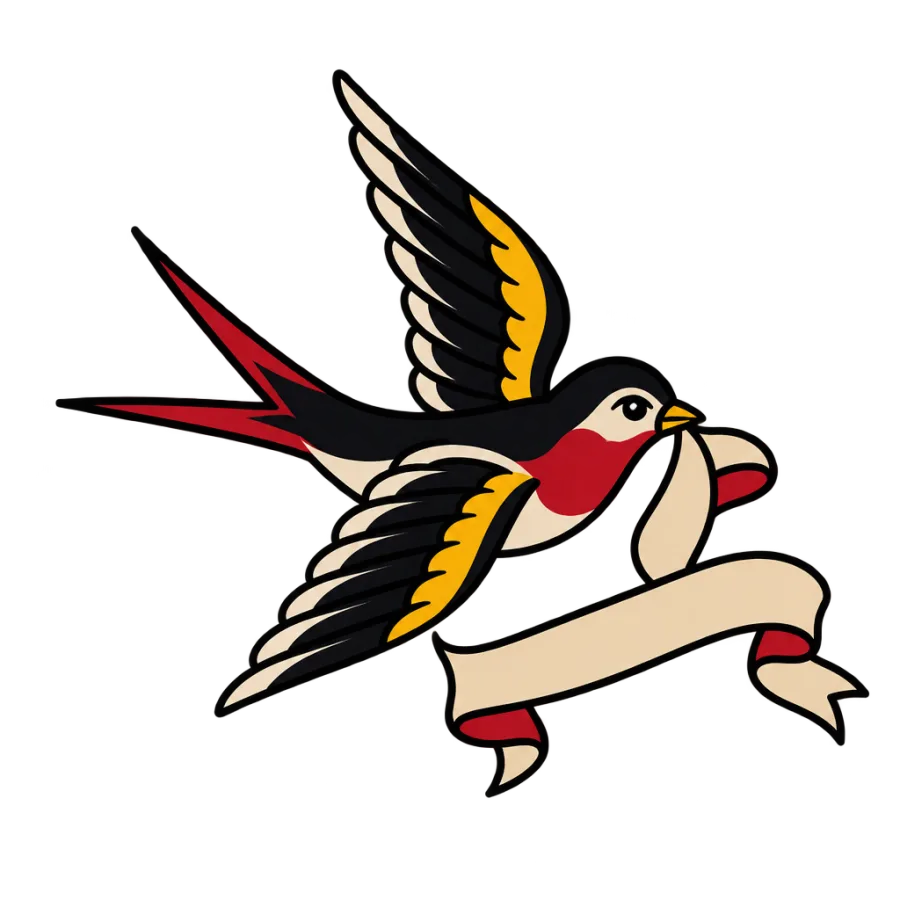
American traditional
American traditional is the most durable tattoo style ever worked out, built on heavy outlines, a small palette and shapes that stay readable for decades.
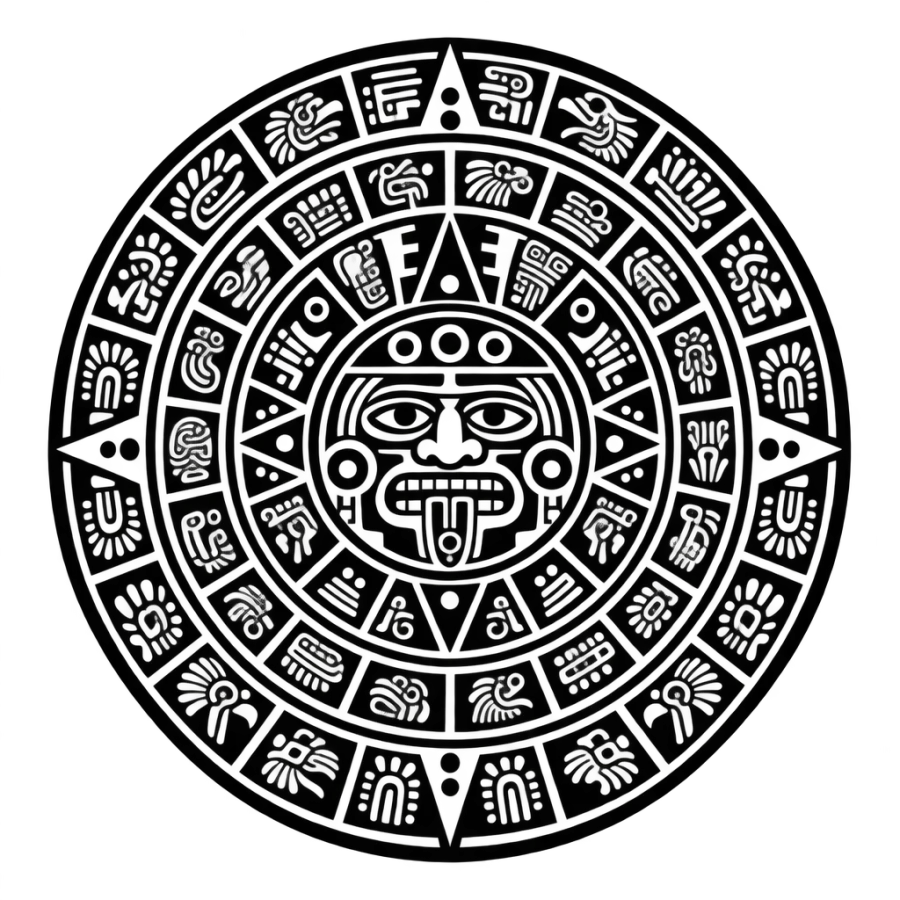
Aztec
Aztec tattoos translate Mexica stone carving into heavy black relief on skin, and the imagery belongs to a culture with living descendants.
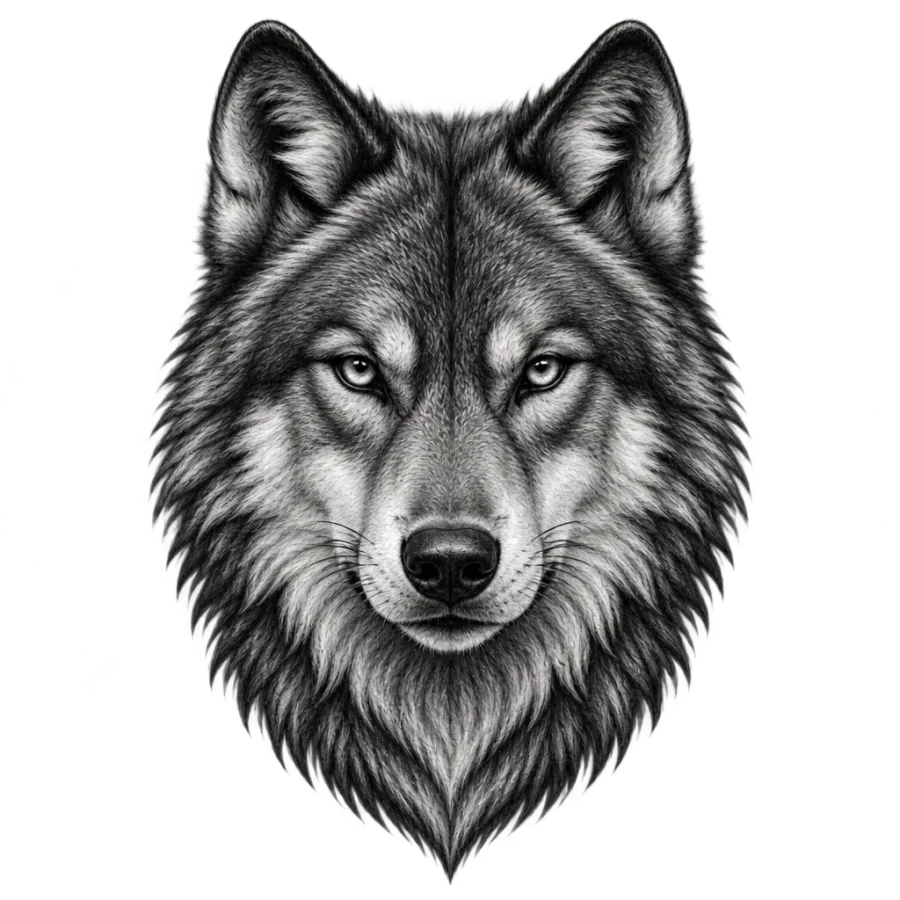
Black and grey realism
Realism drops the outline entirely and builds the image from value alone, which makes it the least forgiving style and the one most dependent on the artist.

Blackwork
Blackwork trades shading for decision making: every area is either fully saturated black or left as bare skin, and the drawing lives in the boundary between them.

Celtic
Celtic tattoos are built from interlaced knotwork and spirals, and the difference between a good one and a bad one is whether the weave actually works.
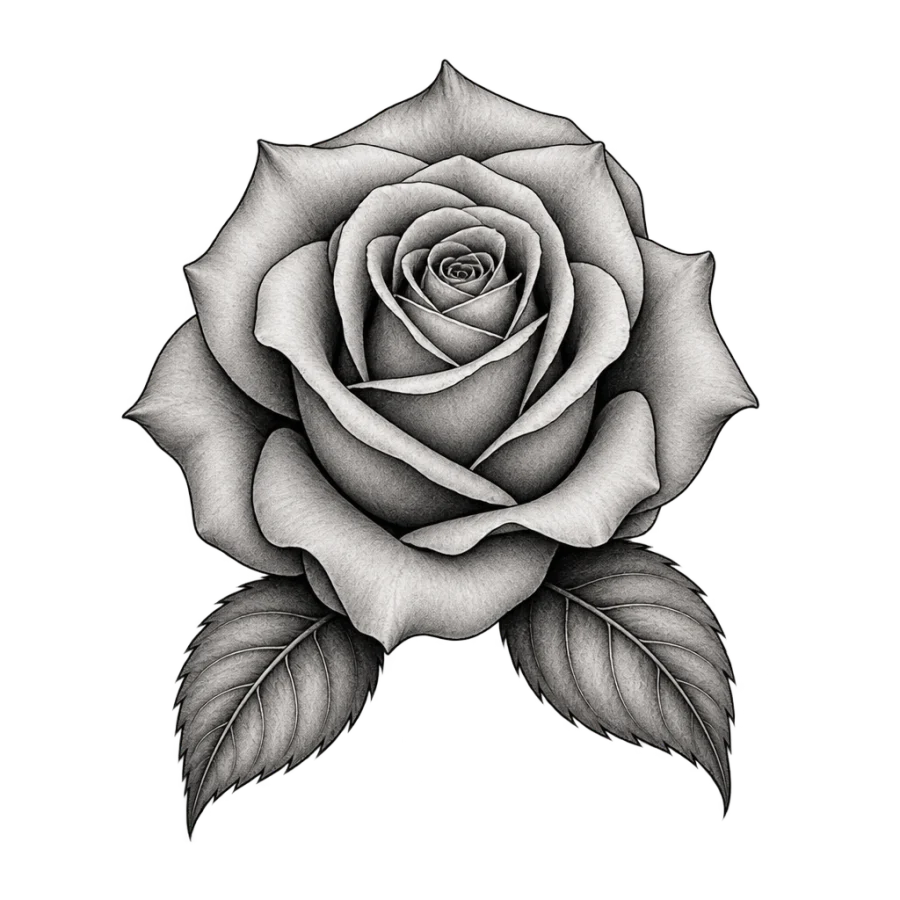
Chicano
Chicano tattooing is fine single needle black and grey from Mexican American Los Angeles, built on smooth shading and lettering that has to be perfect.
Dotwork
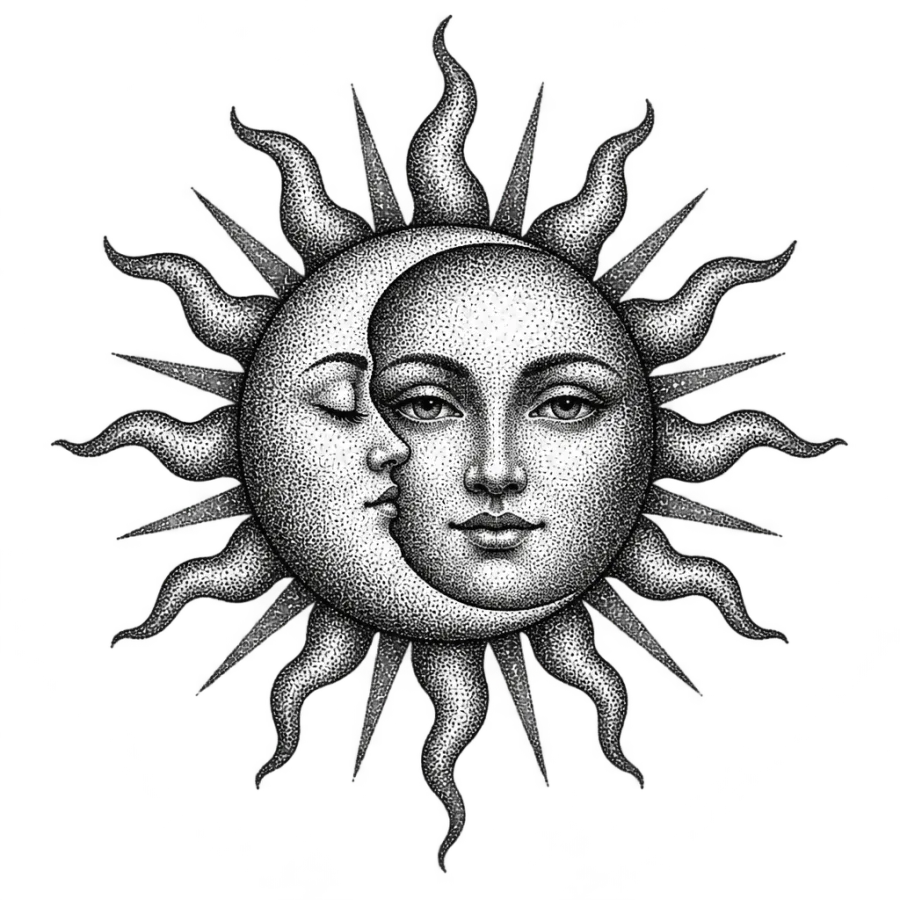
Dotwork builds every shadow from individual points, so tone comes from how close the dots sit rather than from how much ink is in the skin.
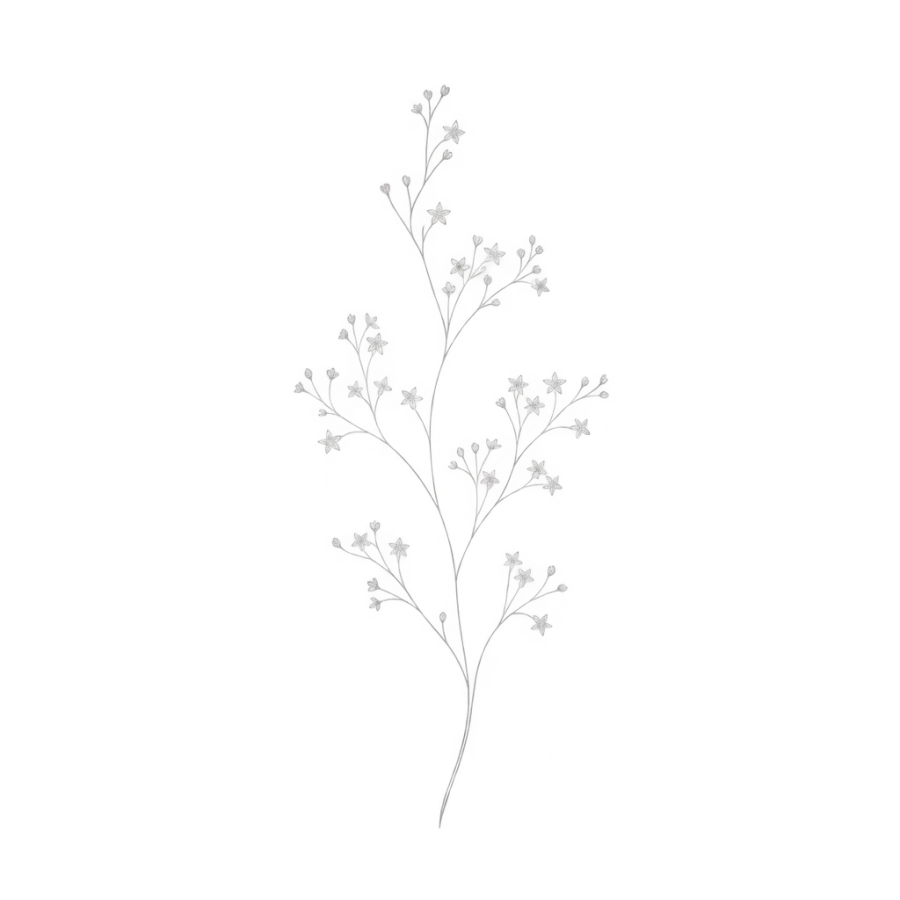
Fine line
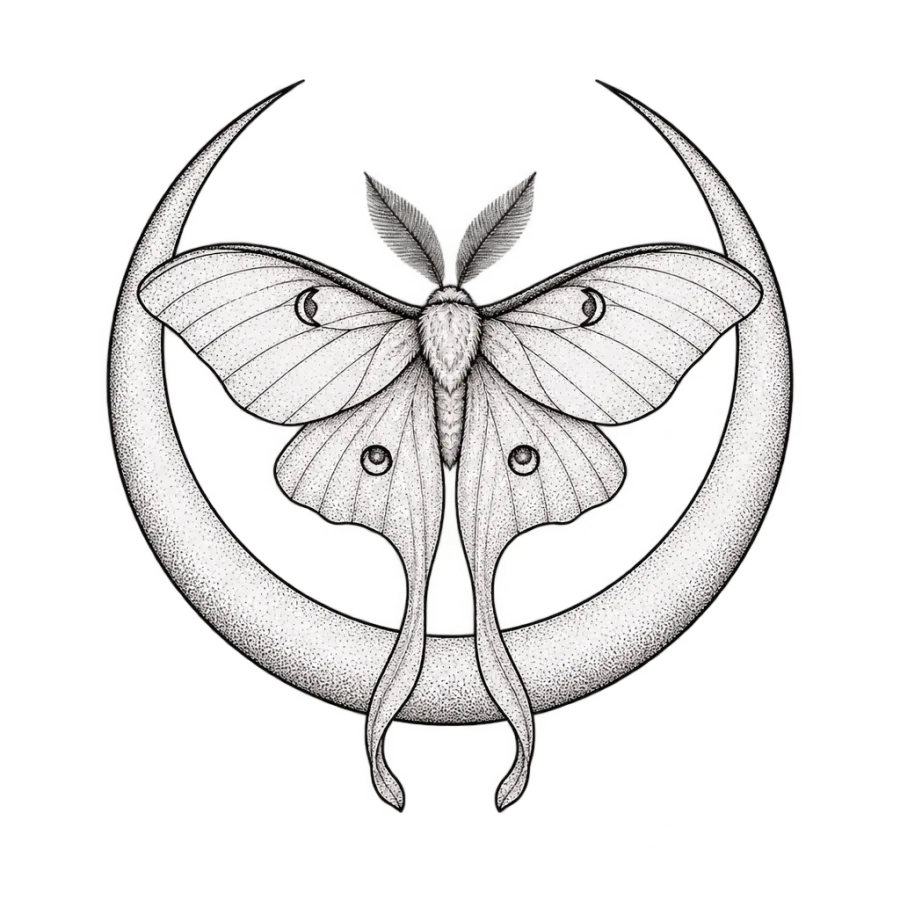
Fine line work is built on one thin, steady line, usually laid with a single needle, and it rewards restraint far more than it rewards detail.

Geometric
Geometric work is the only tattoo style where the human eye catches a one millimeter error instantly, which makes stencil placement as important as the tattooing itself.
Hand poke
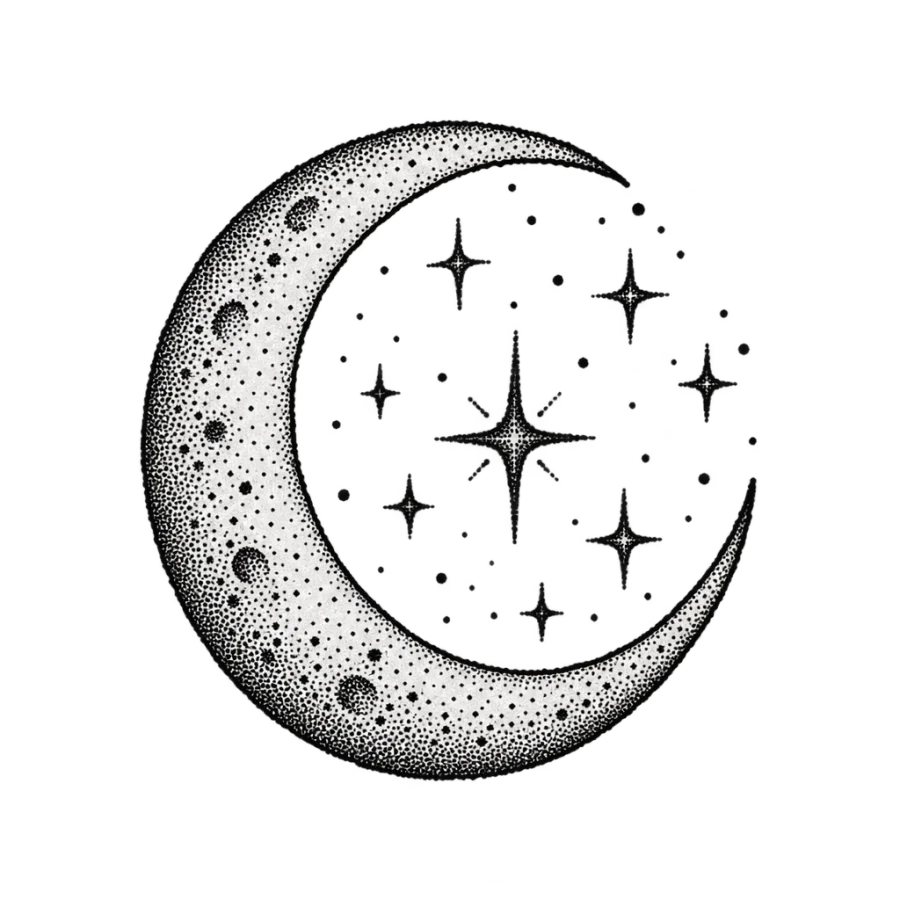
Hand poke tattoos are made by pushing a needle into the skin by hand, one dot at a time, which is slower, quieter and gentler on the skin.
Japanese (Irezumi)
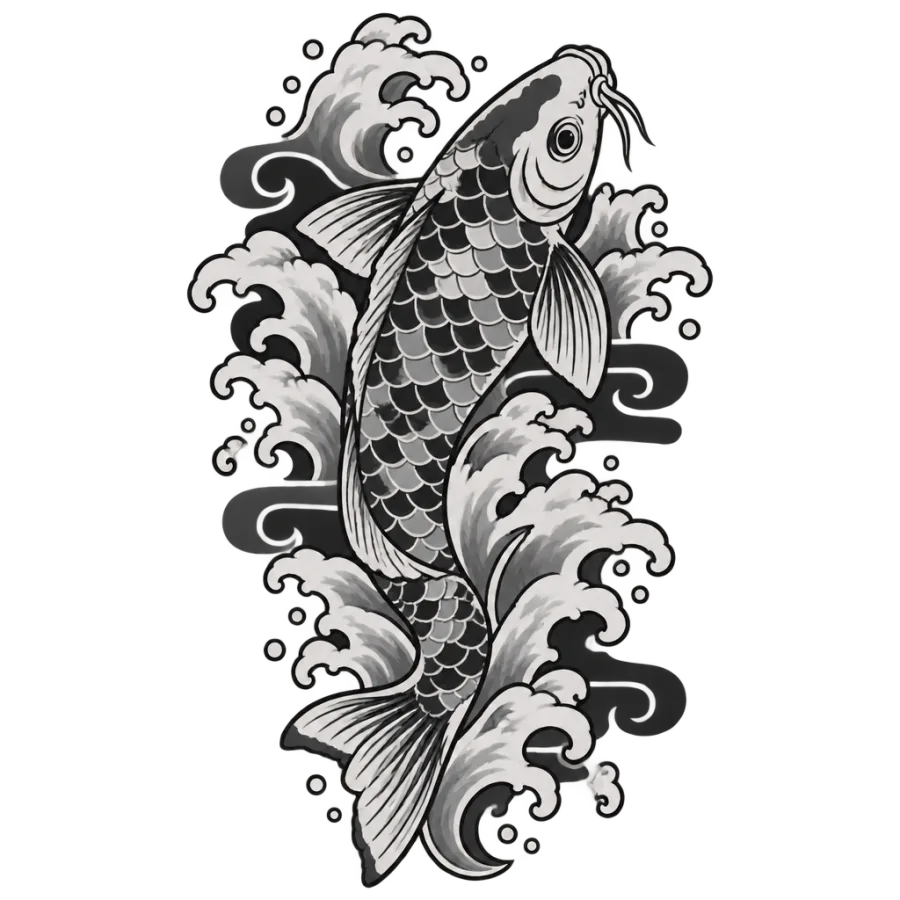
Irezumi is the most structured tattoo tradition there is, with settled rules about which motifs pair, which season they belong to, and how background carries the whole body.

Lettering and script
Lettering is the one style where a mistake is unarguable: a misspelling or a closed up letter is visible to everyone who reads it, forever.
Mandala
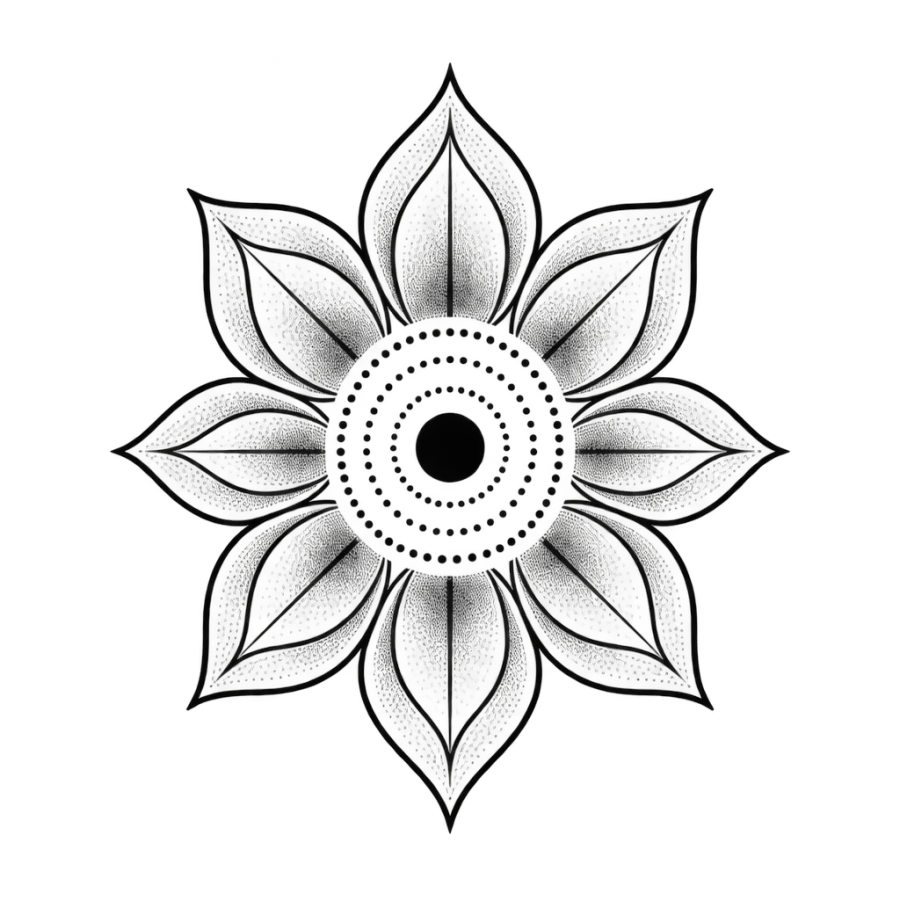
A mandala is a circular pattern built outward from one point, and tattooing it well is mostly a test of symmetry, spacing and patience.

Minimalist
Minimalism is an editing discipline rather than a drawing one: the design is finished when removing one more mark would stop it making sense.
Neo-traditional
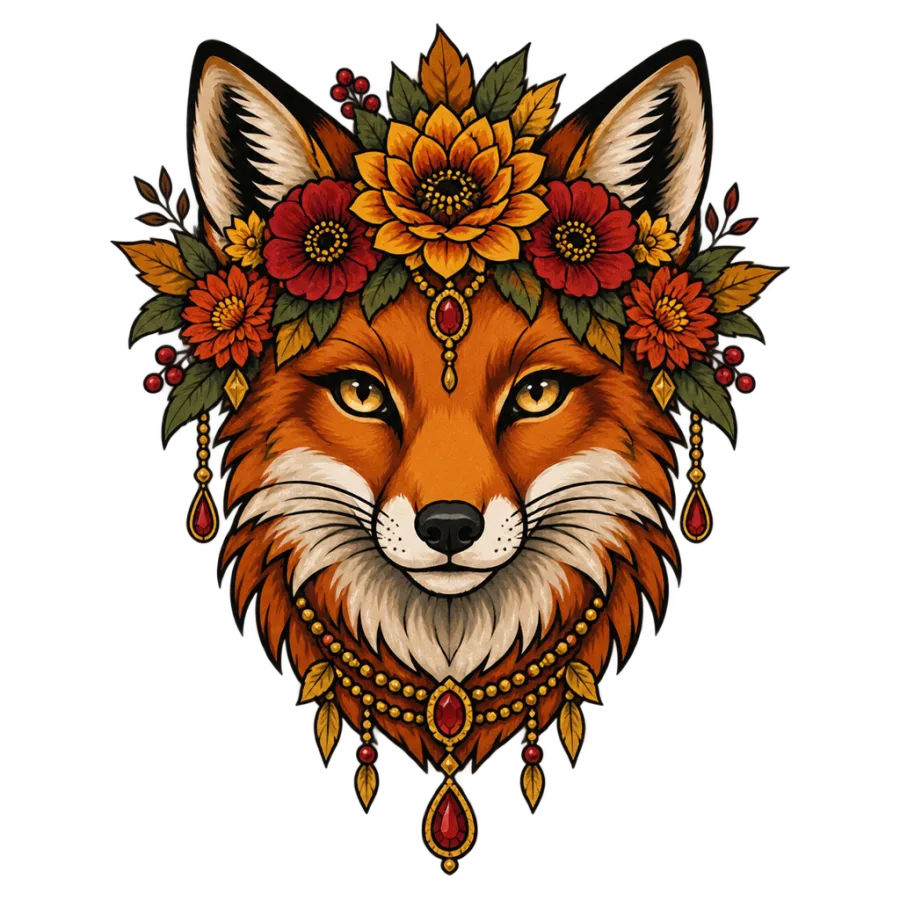
Neo-traditional keeps the bold outline and readable silhouette of old school, then adds varied line weight, deeper color and decorative detail borrowed from Art Nouveau.

Ornamental
Ornamental work has no subject to depict. Its job is to decorate a specific part of a specific body, which makes anatomy the starting point rather than the reference image.

Polynesian
Polynesian tattooing is a living practice with family meaning behind the patterns, so the first question is not the design but who should be making it.
Viking
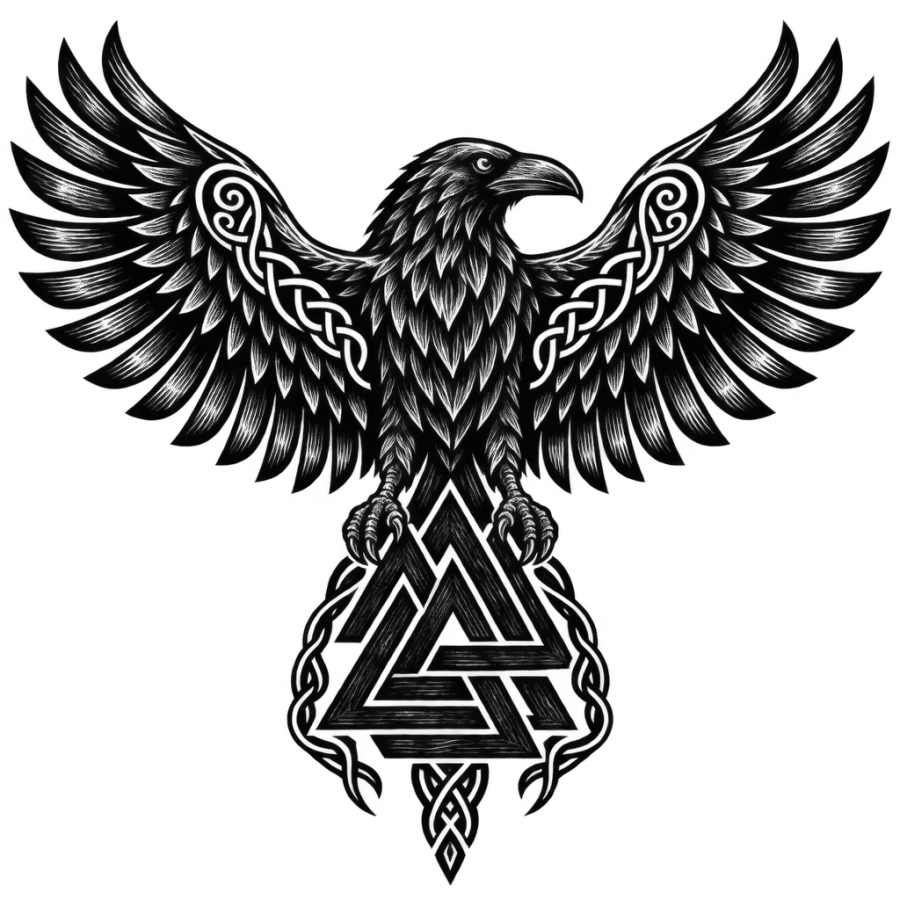
Viking tattoos pull from Norse mythology and medieval Scandinavian ornament, and the designs are better when you know which parts are historical.
Watercolor
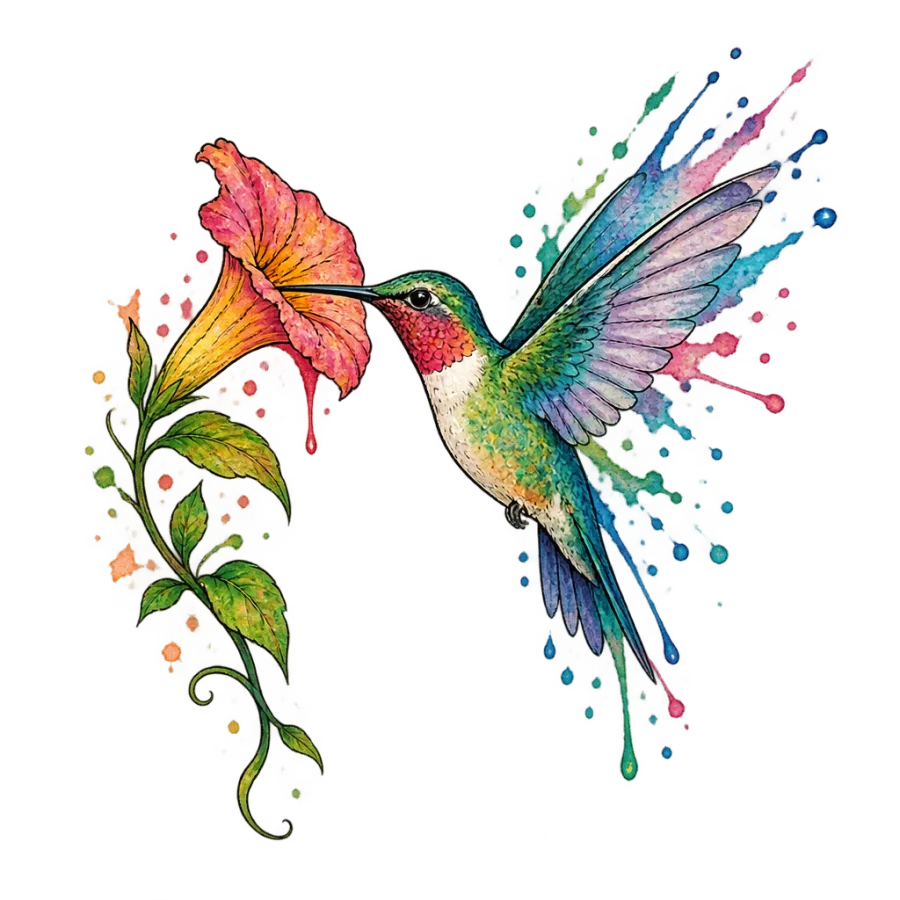
Watercolor imitates pigment bleeding on wet paper, which looks beautiful on day one and needs careful structural planning to still look intentional at year ten.
White ink
White ink tattoos are the least predictable work in tattooing: they fade yellow, they can read as a scar, and plenty of artists will not do them.