Protection tattoo ideas, meaning and designs
Protection symbols come from somewhere specific, and knowing the source usually changes which one you want and how you want it drawn.
- Common symbolsHamsa, nazar, knots
- Typical size5 to 20 cm
- Usual placementsNape, sternum, forearm
- Studio cost$180 to $650

This theme has the deepest history of any in tattooing and the most borrowed imagery. The hamsa, the nazar, the knot, the guardian animal and the written charm all exist because people across very different cultures arrived at the same idea: put a sign on the body or the doorway and let it face outward. Most of these images were doorway objects long before they were tattoos.
Because so much of it is inherited, it is worth checking the source before the stencil. Some symbols carry religious weight that matters to the community they come from. A few have been picked up by groups nobody wants to be mistaken for. Ten minutes of reading avoids a tattoo you have to explain for the rest of your life.
Where the protection symbols come from
The hamsa is an open right hand, often with an eye in the palm, used across North Africa and the Middle East for centuries and known as the hand of Fatima in Muslim contexts and the hand of Miriam in Jewish ones. The nazar, the blue and white glass eye, is Mediterranean and Anatolian and works by looking back at a harmful stare. The Eye of Horus is Egyptian and tied to healing and restoration rather than warding.
Norse material needs one accuracy note. The vegvisir and the helm of awe come from Icelandic magical manuscripts of the seventeenth to nineteenth centuries, not from the Viking age, and some runic imagery has been adopted by extremist groups. Plenty of artists will still tattoo them and will tell you the same thing, so choose knowingly rather than from a search result.
Symbols and their sense
- Hamsa: an open hand held out, from North Africa and the Middle East
- Nazar or evil eye: looking back at a stare that means you harm
- Eye of Horus: Egyptian, closer to healing and wholeness than warding
- Endless knot: no loose end for anything to get hold of
- Guardian animal: a dog, a bear, a snake placed facing outward
Making it yours
Protection tattoos are often about a particular person doing the protecting, which makes them easy to personalize. The blue of the bead that hung in a grandmother's hallway, drawn in that exact tone. The medal somebody carried in a pocket, copied with its worn edge. A dog's ear shape or coat markings inside a simple shield form. These read as ornament to strangers and as a specific household to you.
Traced handwriting works here too: a short line somebody used to say, kept in their own letters rather than set in a font. Coordinates of a house, or the date something did not happen, sit well underneath. As always, one personal element is plenty, and the drawing should still work if nobody knows what it refers to.
Placement customs and practical choices
There is a long habit of putting these outward facing: on the nape of the neck, the upper back, the outside of the forearm or the back of the hand, so the symbol meets what is coming. Some people deliberately reverse that and put it on the sternum or inner arm, facing themselves. Neither is more correct, but deciding which you mean usually settles the placement in a minute.
Practically, the nape and upper back heal easily and stay covered by a collar. The sternum suits symmetrical designs like a hamsa or a mandala and is one of the sharper spots to sit for. Hands and fingers fade fast and need touching up every year or two, so keep hand designs bold and simple if you go there.
Keeping it from dating, and what to bring
The mashup is what dates. A hamsa stacked on a mandala inside a geometric frame with a lotus underneath was a mid 2010s fashion, and combining four traditions in one composition usually reads as decoration rather than meaning. Pick one symbol, give it space, and let the line weight do the work. Heavy ornamental linework holds up better over fifteen years than fine grey stippling, which softens into a haze.
Take these to the appointment
- The source of the symbol, so the artist draws the right version
- A reference for how ornamental or plain you want it
- Whether it should face outward or toward you
- Any object, medal or bead you want copied, photographed straight on
- Your AI Tattoo Lab designs printed, with the placement measured
15 protection tattoo designs, with the prompt behind each one
Every design below came out of AI Tattoo Lab. Tap one to load its prompt into the generator, then change a word and make it yours.
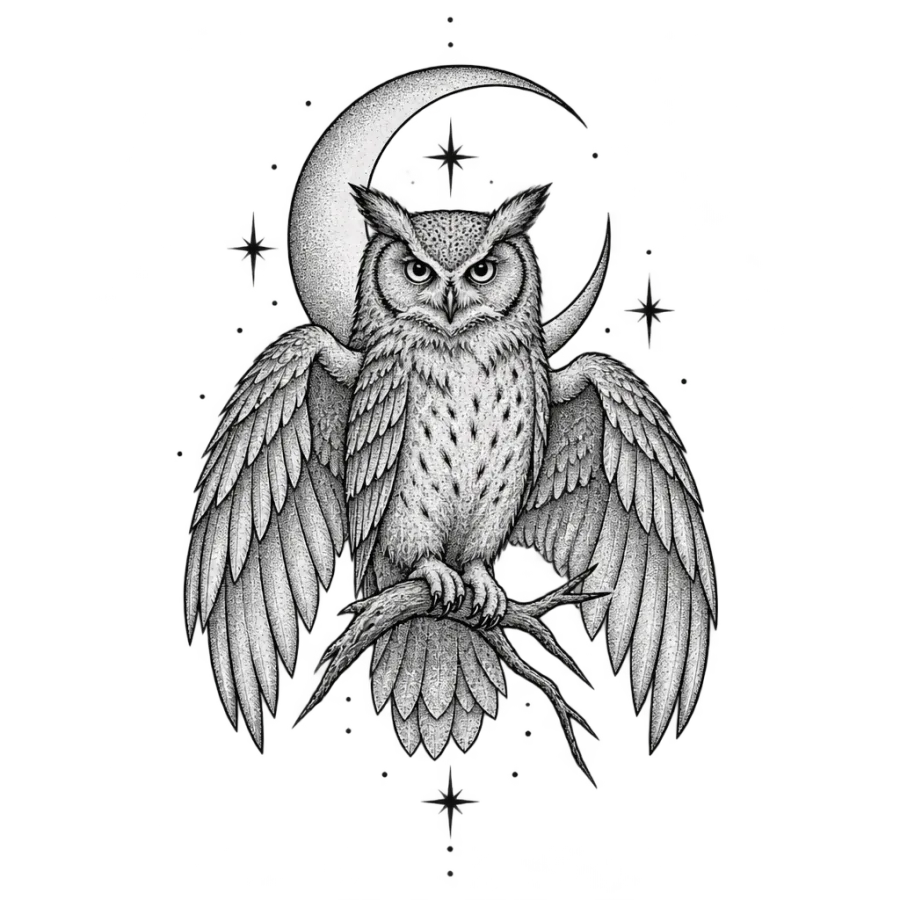
A guardian owl perched before a crescent moon and stars, fine line, no shading
Use this prompt
A celtic shield knot on a heater shield with oak leaves, solid blackwork
Use this prompt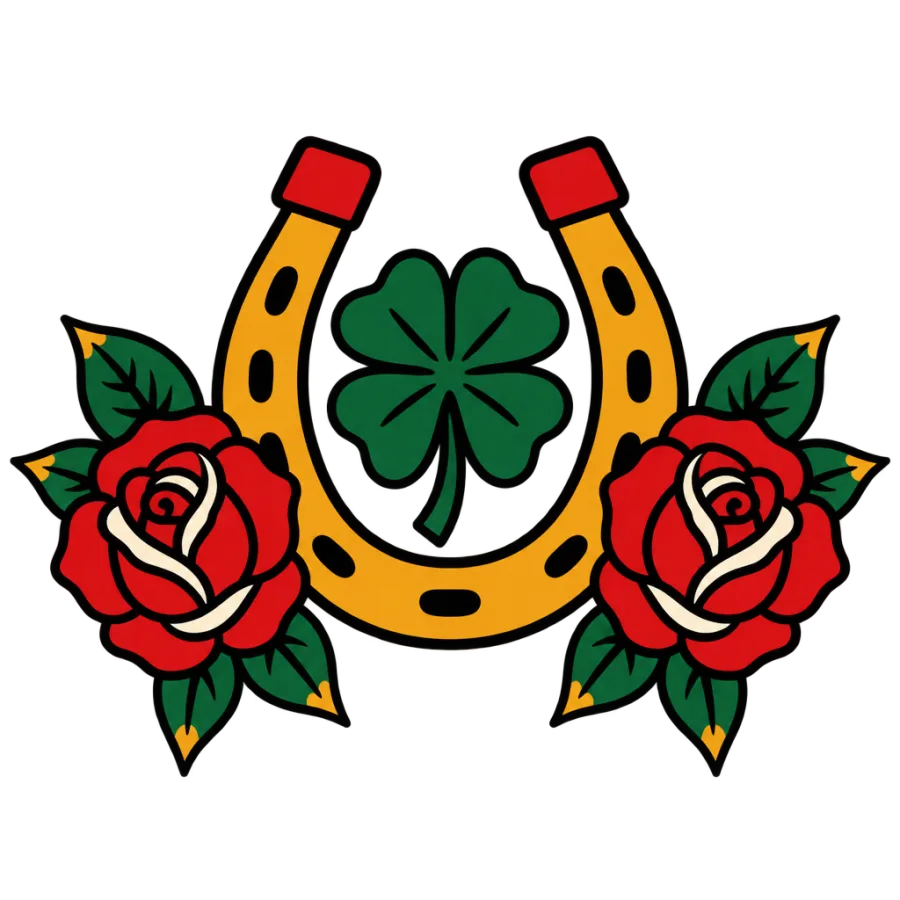
An upturned horseshoe with a four leaf clover and two roses, American traditional
Use this prompt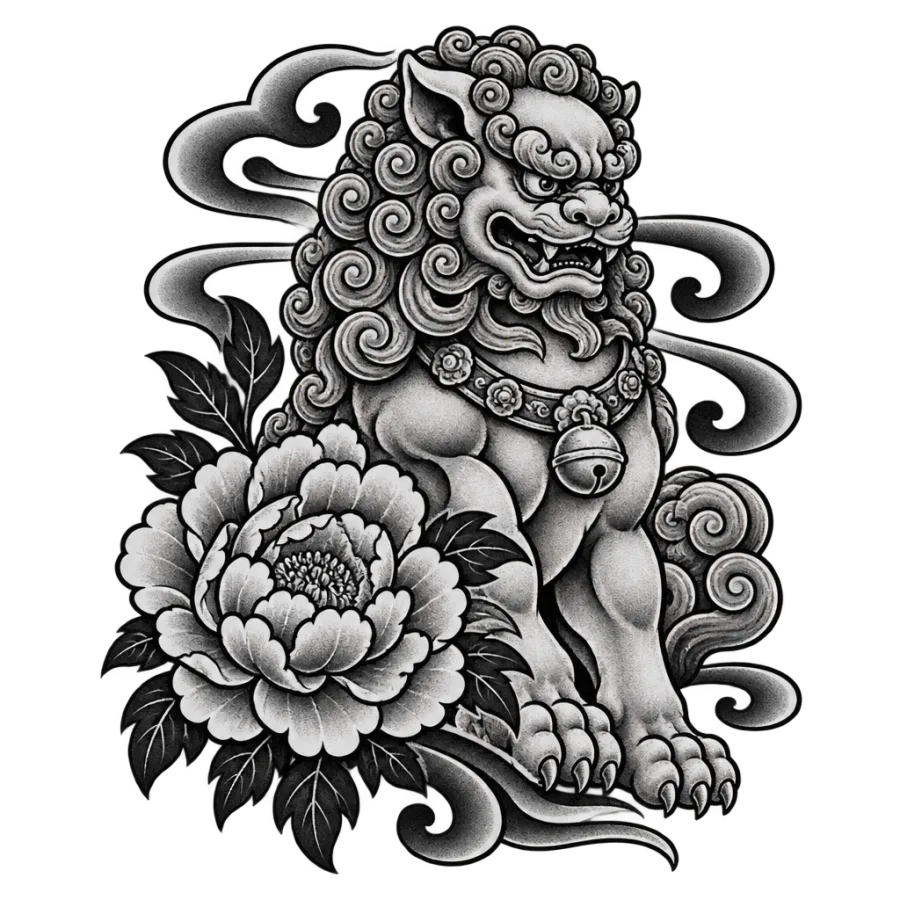
A guardian foo dog lion sitting beside a blooming peony
Use this prompt
A round shield of interlocking triangles with a lotus at the center
Use this prompt
A watchful wolf head framed by a crescent of rowan berries
Use this prompt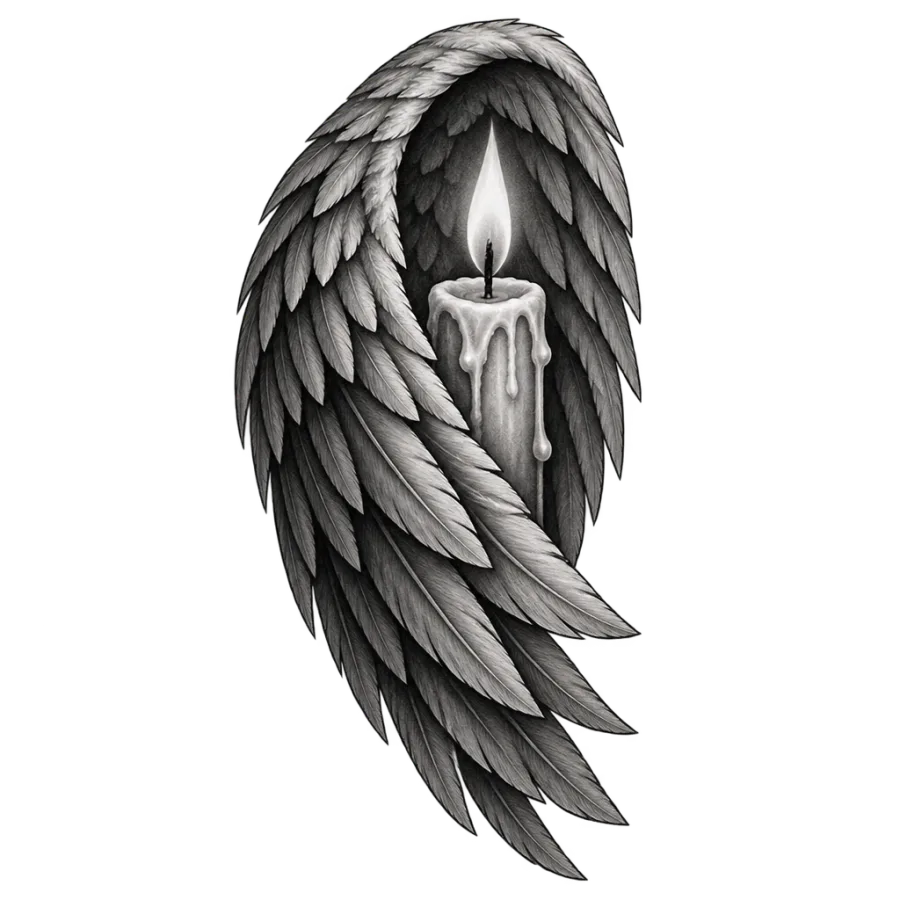
A large feathered wing curving around a single lit candle
Use this prompt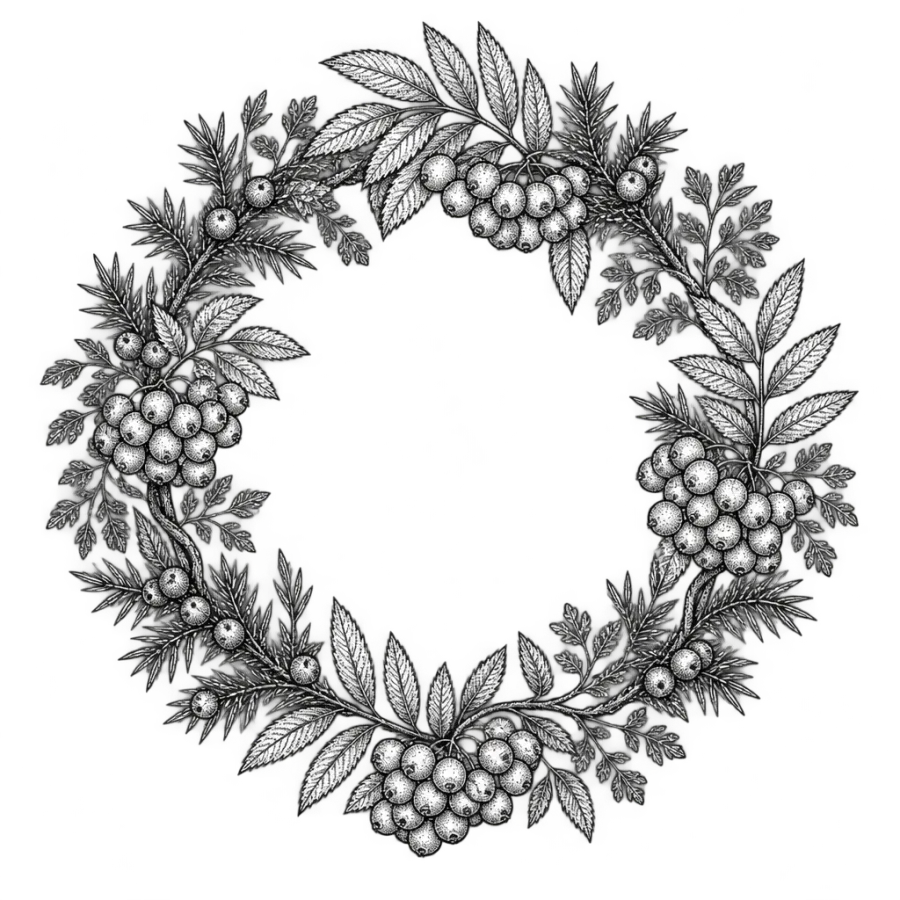
A braided wreath of rowan berries, rue and juniper sprigs
Use this prompt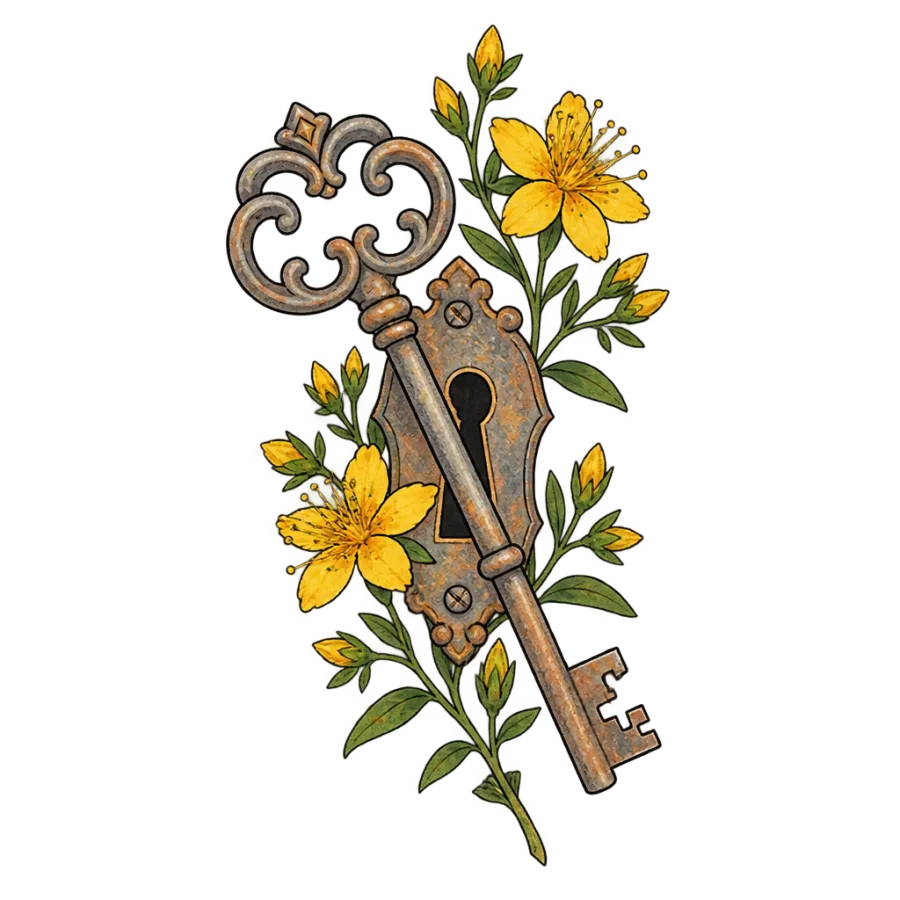
An ornate iron key over a keyhole plate with a flowering sprig
Use this prompt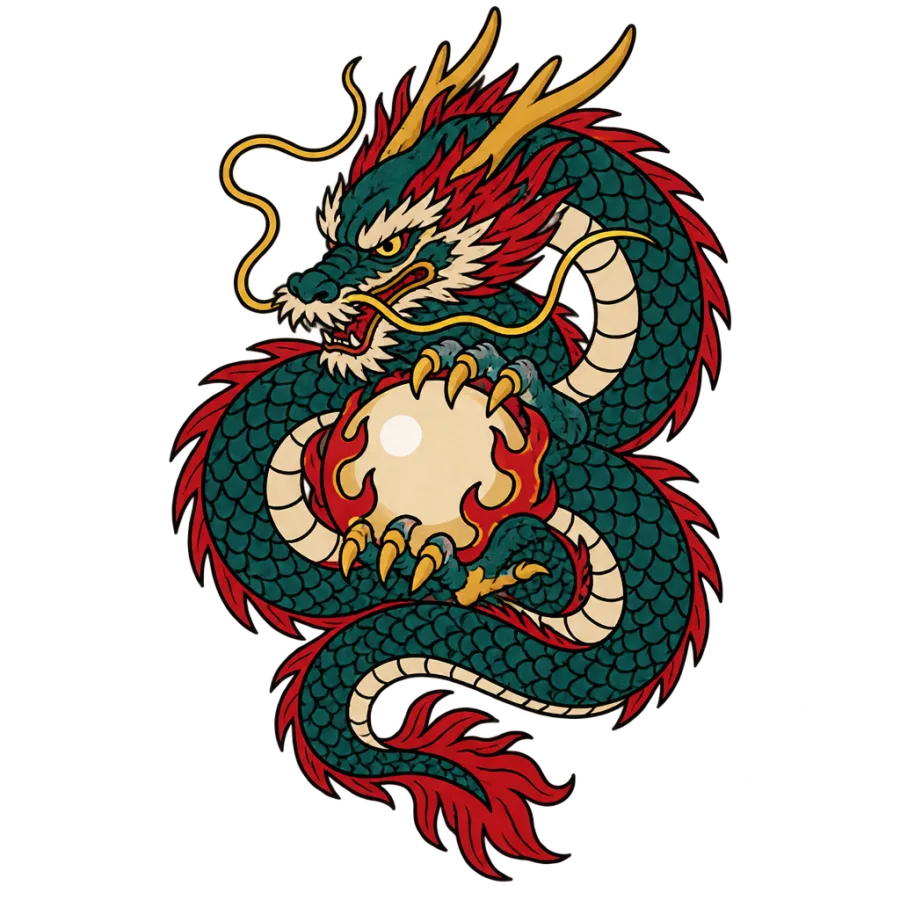
A dragon curled around a glowing pearl, guarding it closely
Use this prompt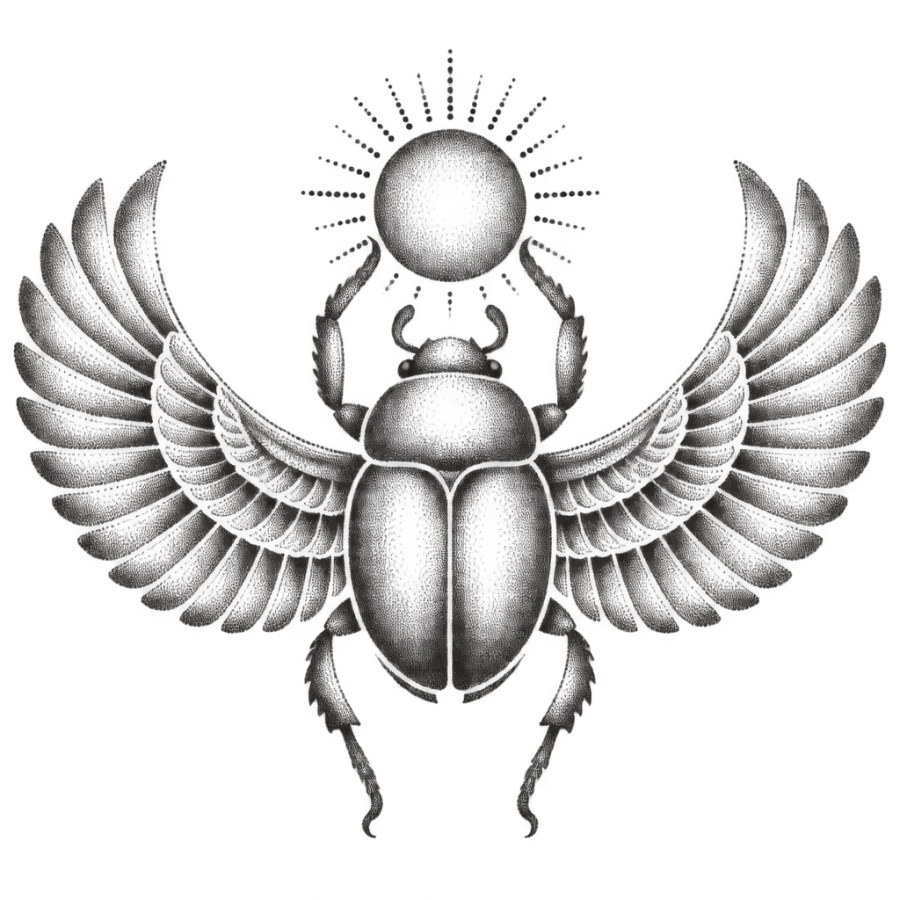
A scarab beetle with open wings lifting a sun disc
Use this prompt
Two mirrored serpents coiling around a central ankh, fine line
Use this prompt
A lighthouse beam sweeping over waves, old engraving style hatching
Use this prompt
A vegvisir wayfinder sigil cut in negative space from a black disc
Use this promptDescribe an idea of your own and get four designs back in about 20 seconds.
Open the generator
Questions people ask
What does a hamsa tattoo mean?
It is an open hand, often with an eye in the palm, used for protection across North Africa and the Middle East for centuries. It is called the hand of Fatima in Muslim contexts and the hand of Miriam in Jewish ones. Direction matters in some traditions, so ask your artist which way to point it.
Does an evil eye tattoo work pointing any direction?
The nazar is meant to face outward, toward whatever it is deflecting, so it usually sits on the back of the neck, the outer arm or the hand. Some people place it facing themselves as a reminder instead. Both are done; just decide which you mean before the stencil is placed.
Are Norse protection symbols really Viking?
Mostly not. The vegvisir and helm of awe appear in Icelandic magical manuscripts from the seventeenth century onward, centuries after the Viking age. Some runic designs have also been adopted by extremist groups, so check the specific symbol before committing rather than relying on a search result.
Is it disrespectful to get a protection symbol from another culture?
It depends on the symbol and how you treat it. Widely shared imagery like the nazar is generally fine; religious symbols tied to a living practice deserve more care, and restricted regalia should be left alone. Read the actual source, and talk to your artist, who has usually had the conversation before.
How much does an ornamental protection tattoo cost?
A clean 8 to 12 cm hamsa or eye typically runs $200 to $450. Ornamental work with dense linework across the sternum or nape is often three to five hours at $120 to $250 an hour, so $400 to $1,000. Small hand pieces sit near the shop minimum but need regular touch ups.