Tattoo ideas, drawn fifteen ways each
Pick a subject and see fifteen original designs for it, each with the prompt that made it. Change a word and the next one is yours.
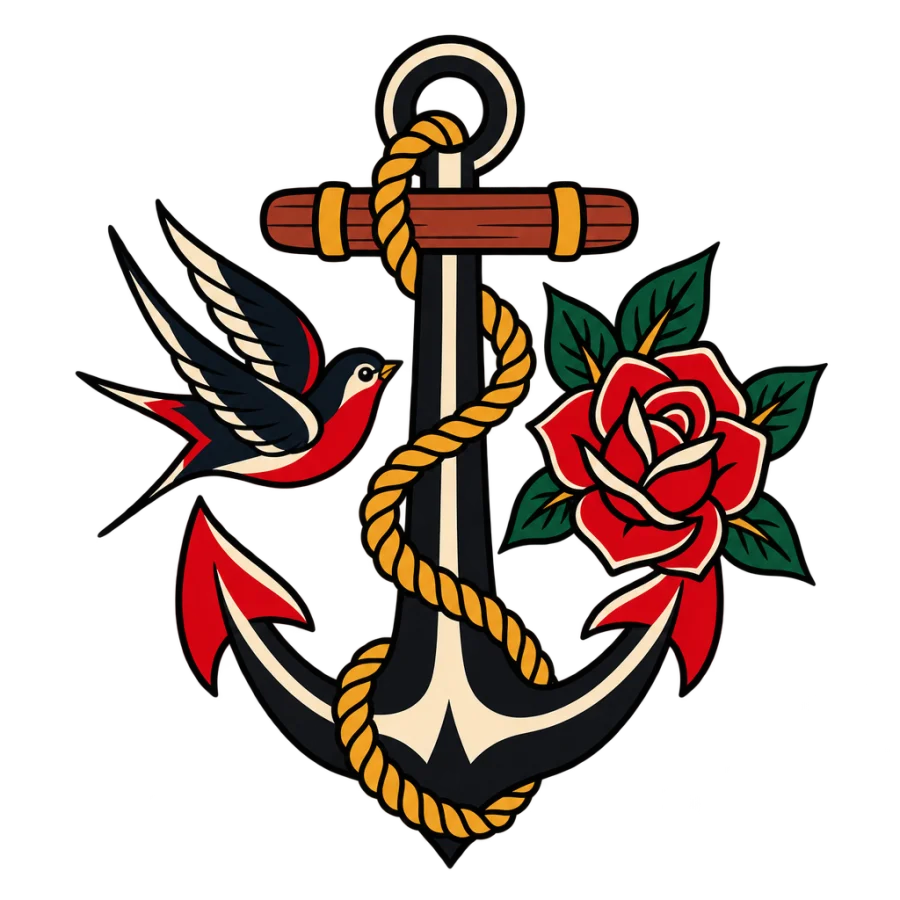
Anchor
The anchor is one of the oldest sailor tattoos, and it still works for the same reason it did in 1900: a heavy shape that stays readable.
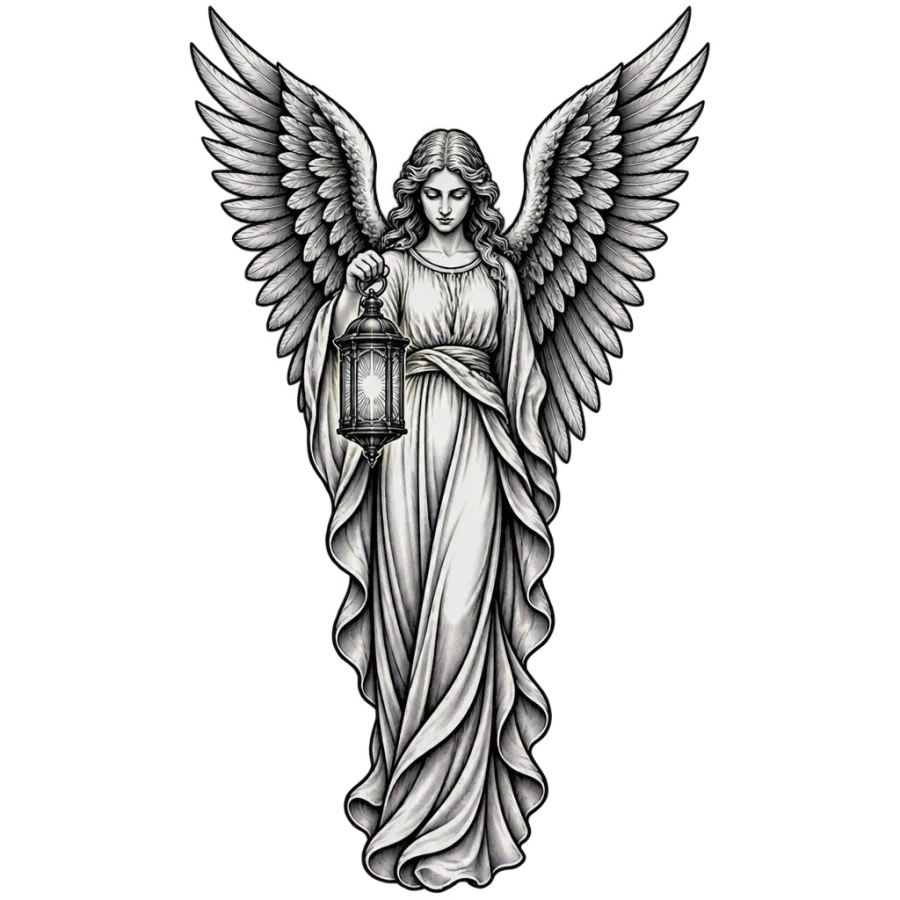
Angel
An angel tattoo can mean protection, a memorial, a fight, or a fall, and those four versions are drawn almost nothing alike.
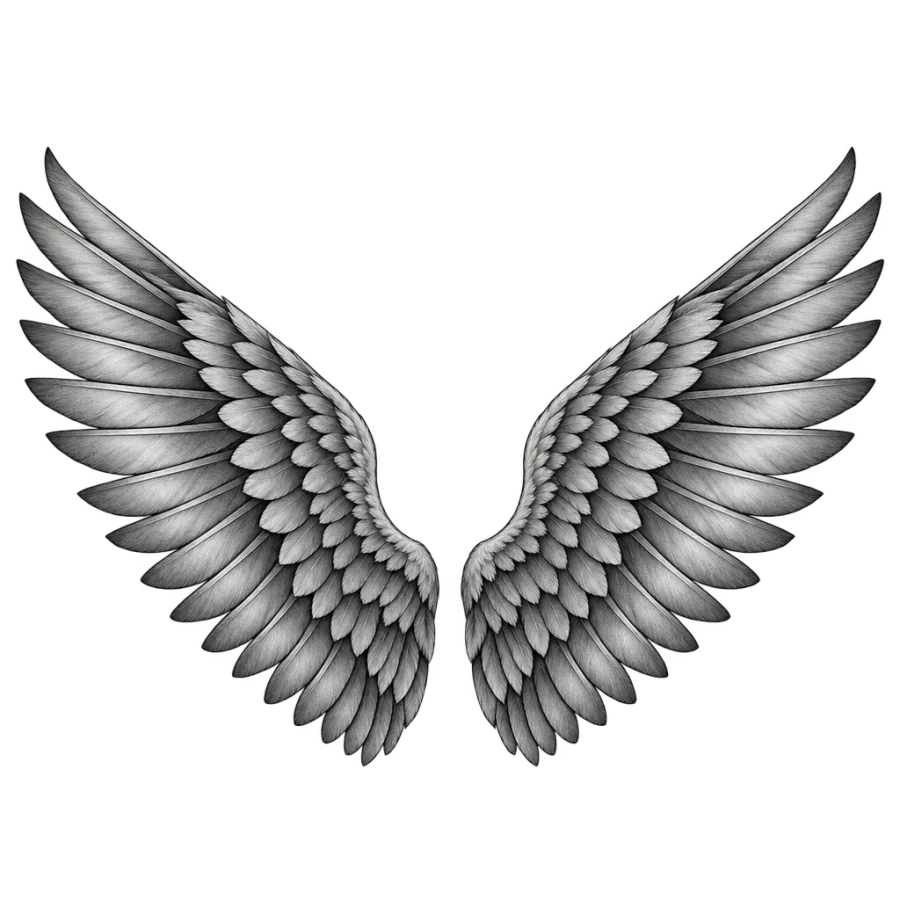
Angel wings
Most angel wings tattoos are memorials, and the two things that decide whether one looks good in ten years are size and symmetry.
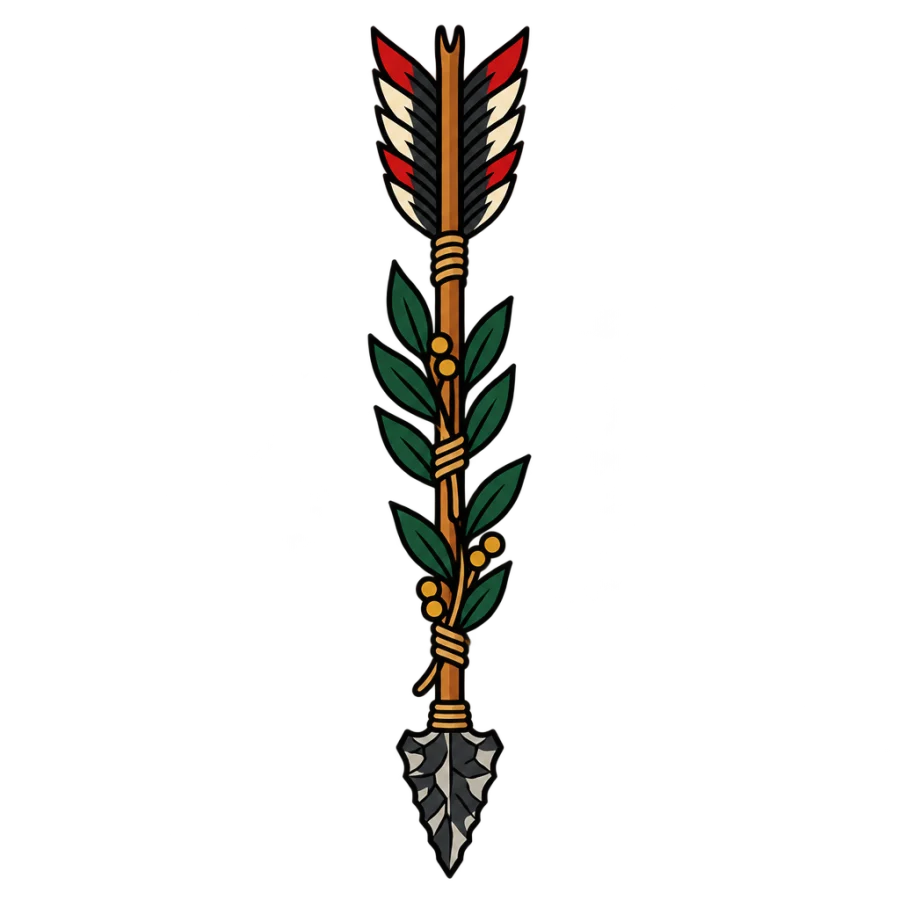
Arrow
An arrow is three parts and a straight line, which makes it one of the easiest tattoos to design and one of the easiest to make forgettable.
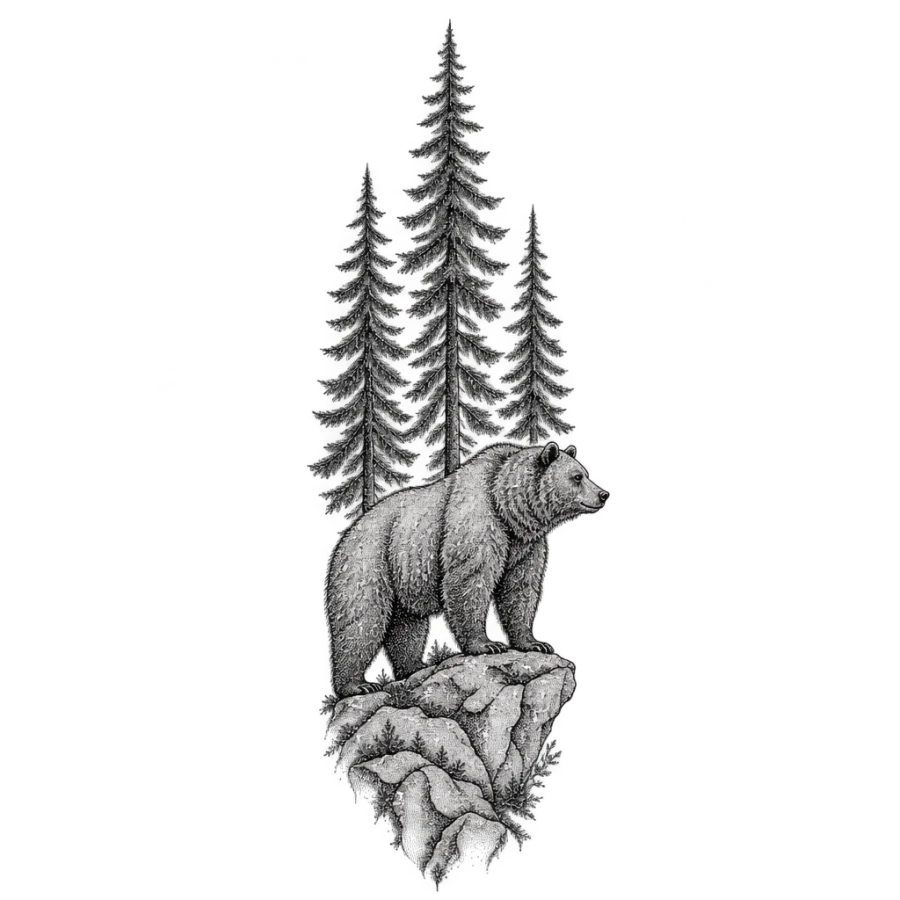
Bear
A bear reads as power without motion, which is why the calm standing pose usually works better on skin than the roaring one.
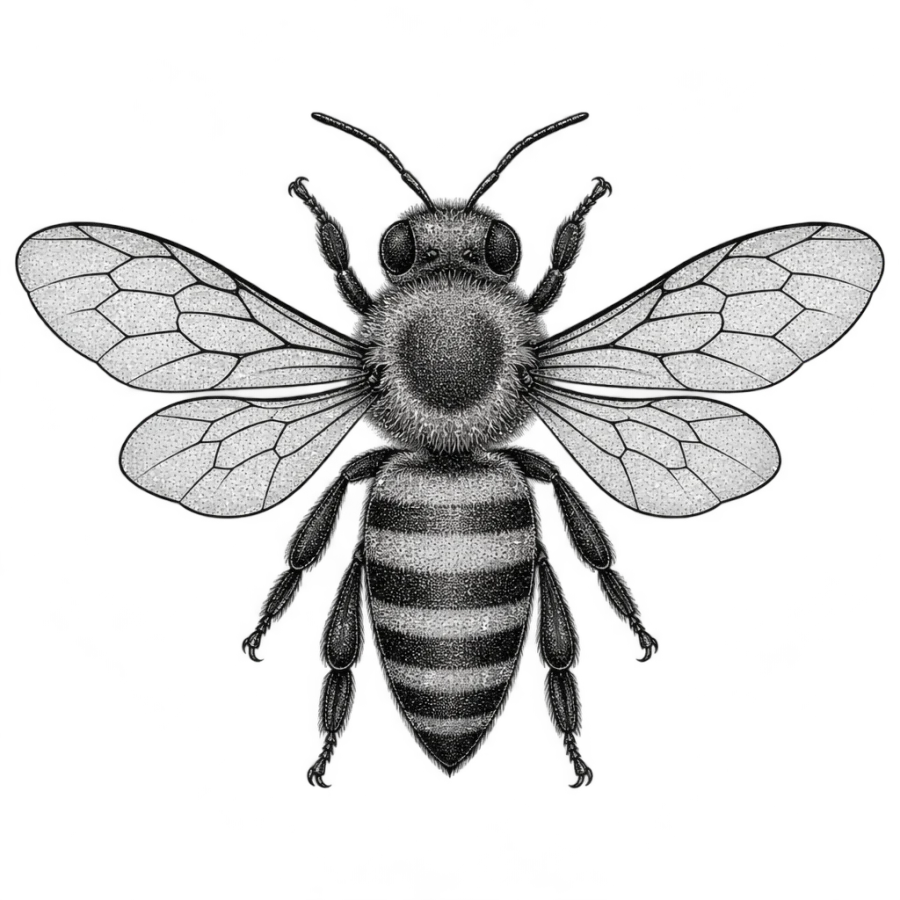
Bee
A bee tattoo reads as a bee or as a wasp, and at 3 cm the whole difference comes down to four wings and a soft furry outline.
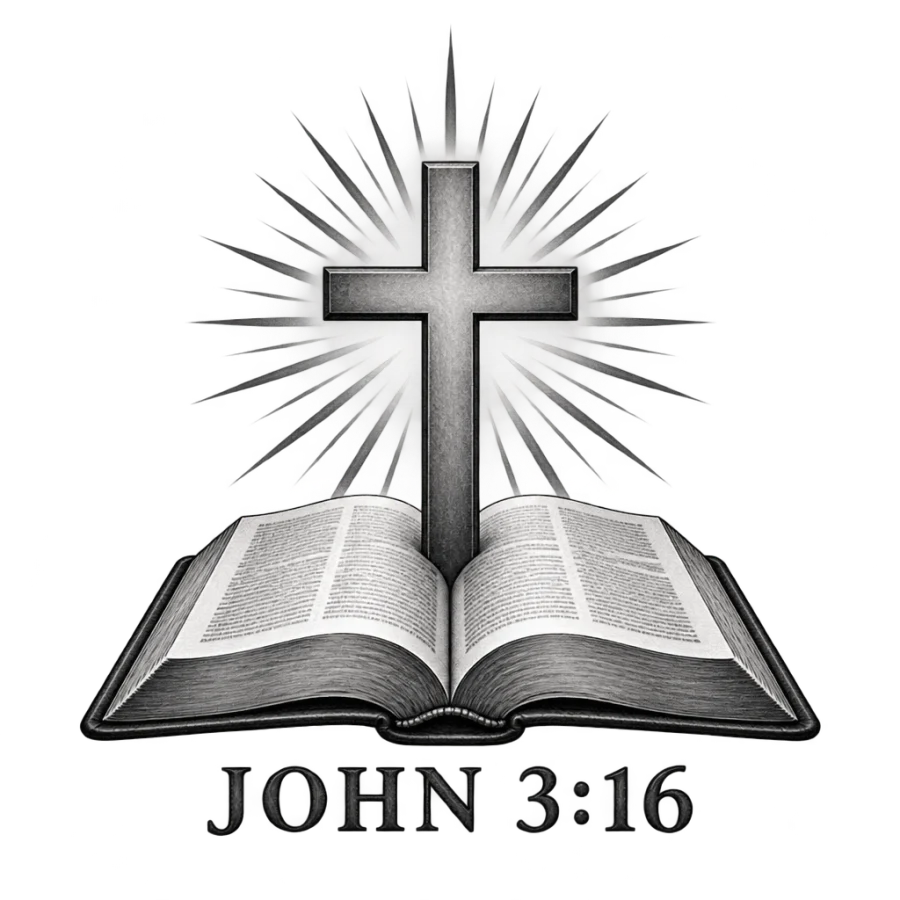
Bible verse
A bible verse tattoo is a lettering problem before it is a design problem, and the decisions are translation, line breaks and letter size.
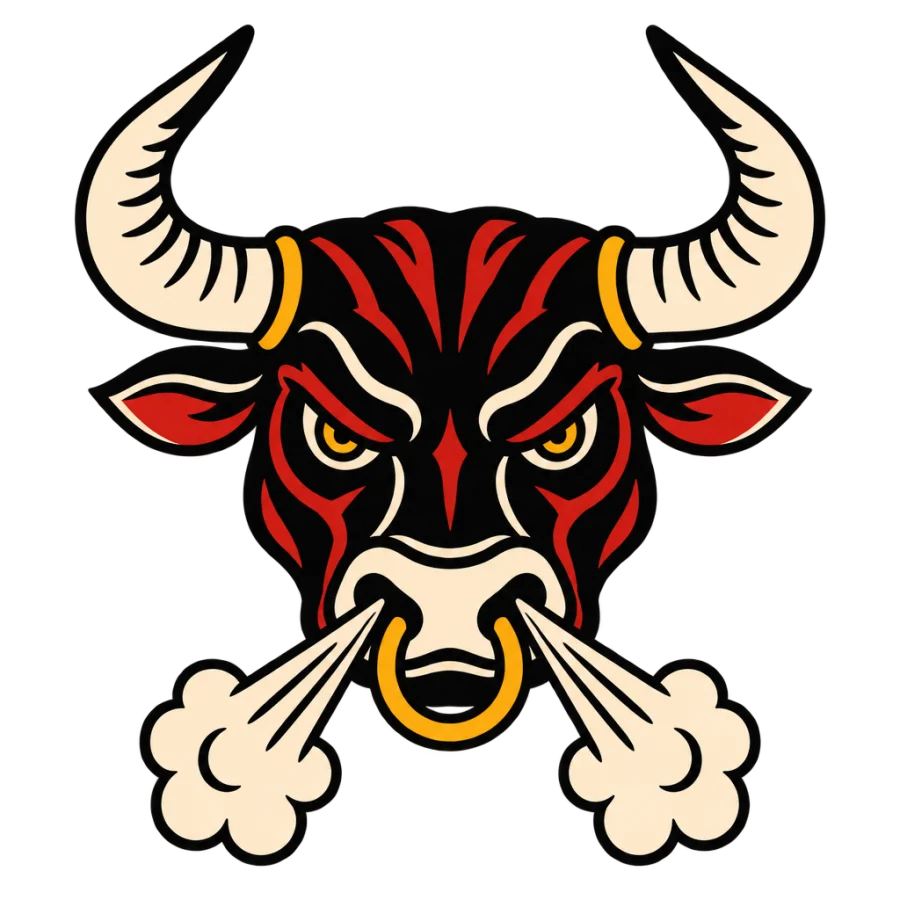
Bull
Four different tattoos go by bull tattoo, and the Taurus glyph, the Spanish fighting bull, the longhorn skull and the Wall Street charger have little in common.
Butterfly
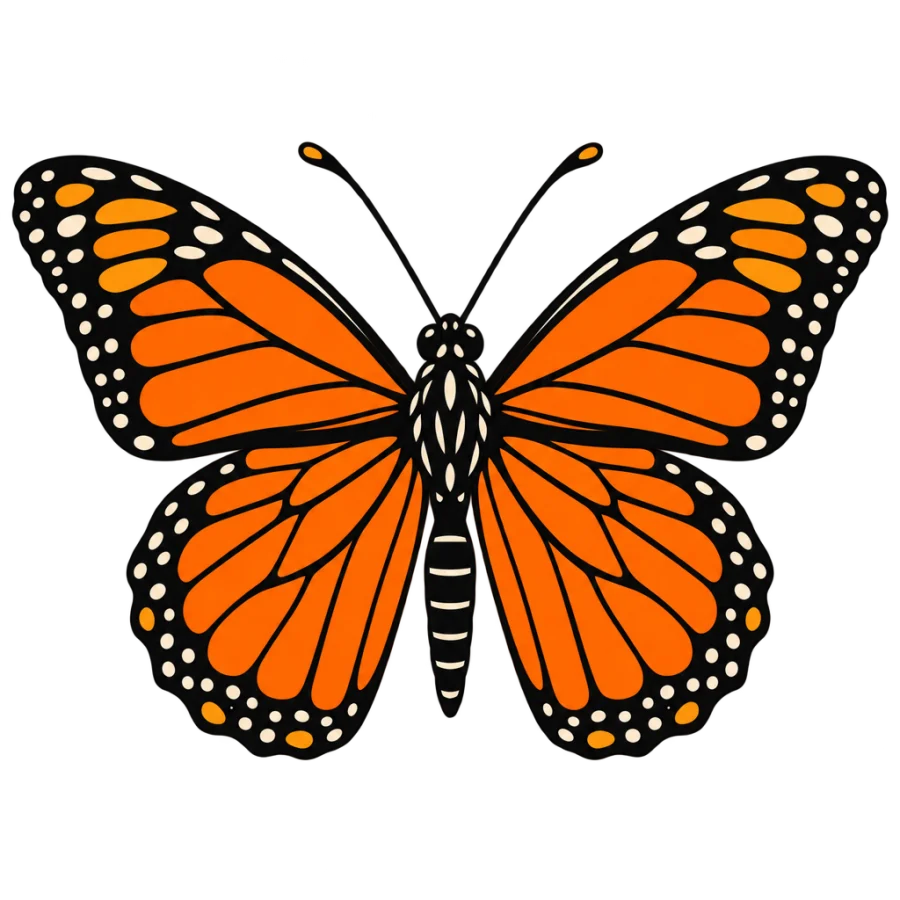
Butterflies are tattooed more than almost any other subject, which is the exact reason the drawing has to be specific instead of generic.
Cardinal
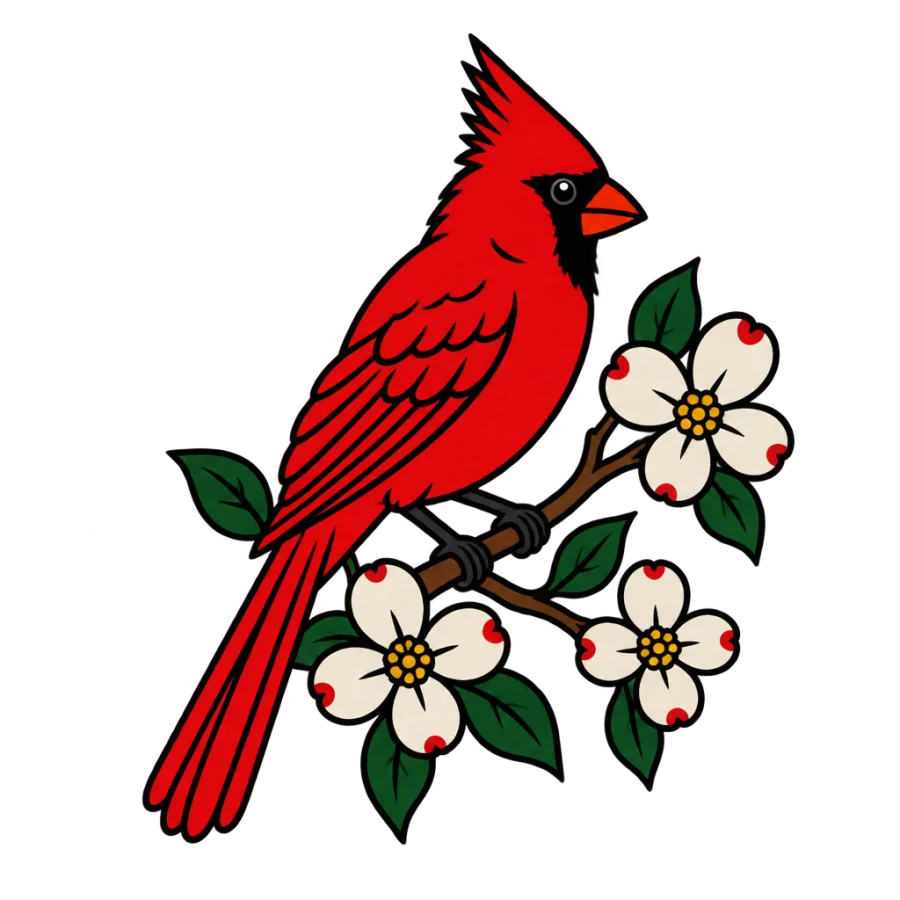
A cardinal tattoo is a red tattoo, so the honest conversation is about what red ink does over fifteen years and who should not get it.
Cat
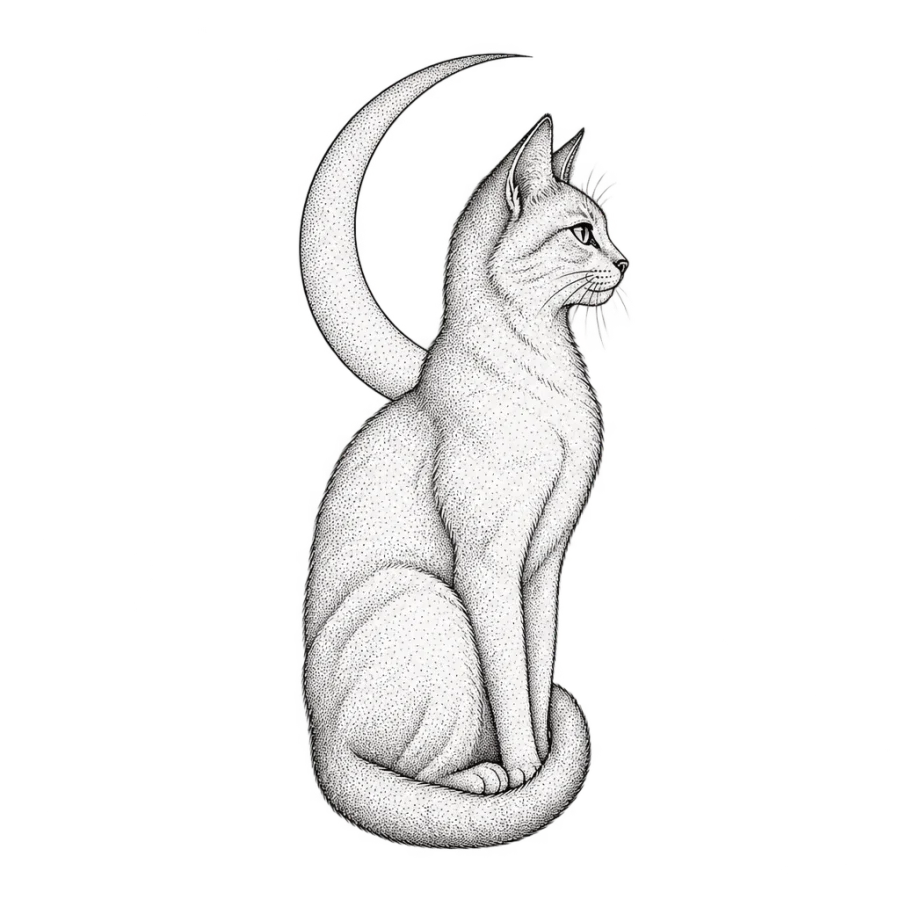
Most cat tattoos are portraits of one specific cat, which makes them harder than they look, because a cat is recognized by very small markings.
Cherry blossom
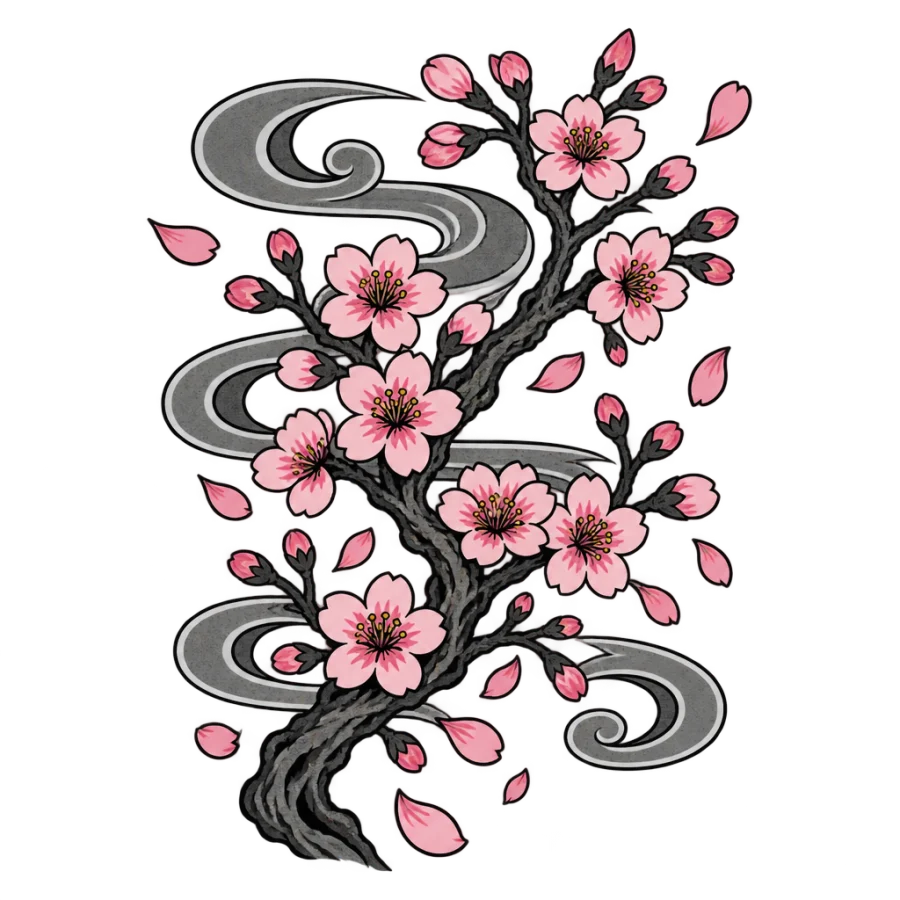
Sakura falls at its best rather than wilting, and that timing is the whole reason the flower carries the meaning it does in Japan.
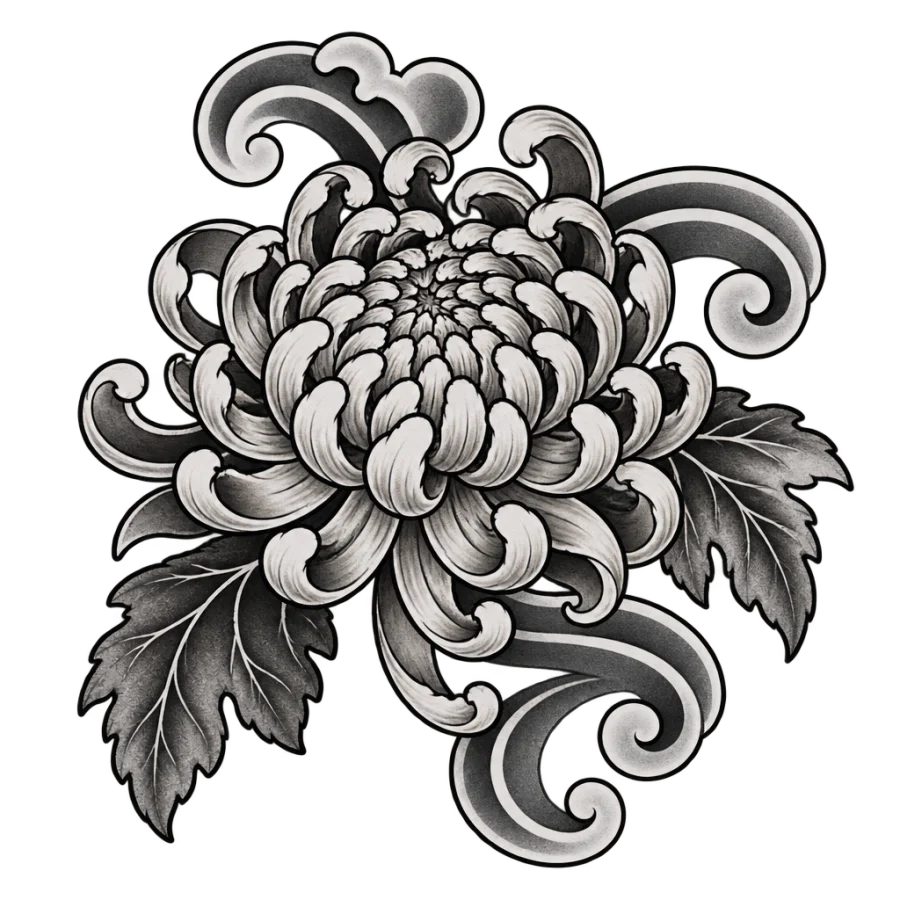
Chrysanthemum
A chrysanthemum tattoo carries two readings that barely touch: long life and the imperial seal in Japan, and the cemetery in most of southern Europe.
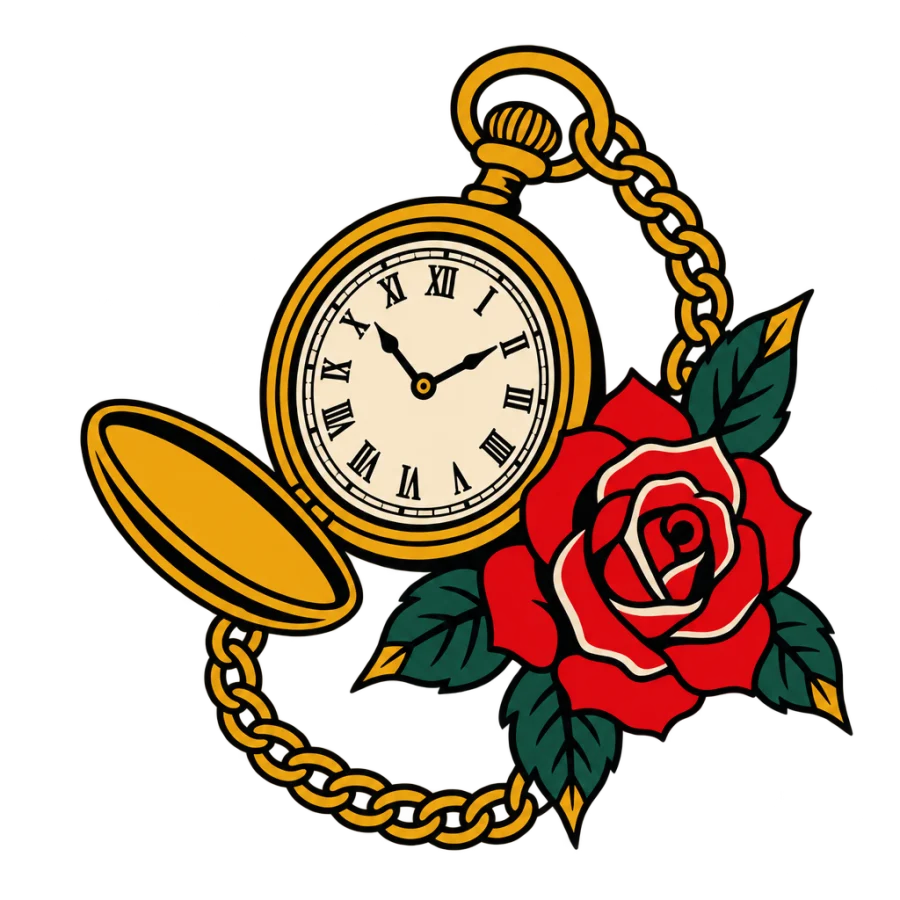
Clock
Nearly every clock tattoo has its hands set to a specific minute, usually the time a child was born, and that decision outranks every other one.
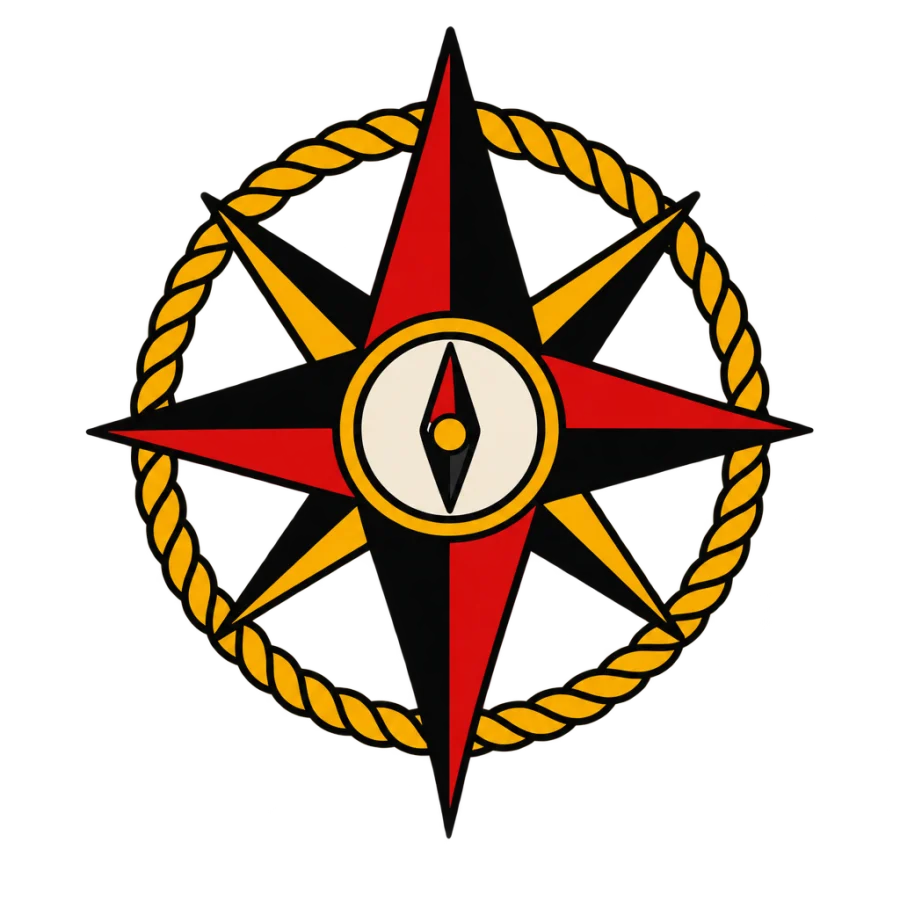
Compass
A compass rose has a fixed logic: four long points, four shorter ones between them, and eight shorter still, and breaking that pattern is visible forever.
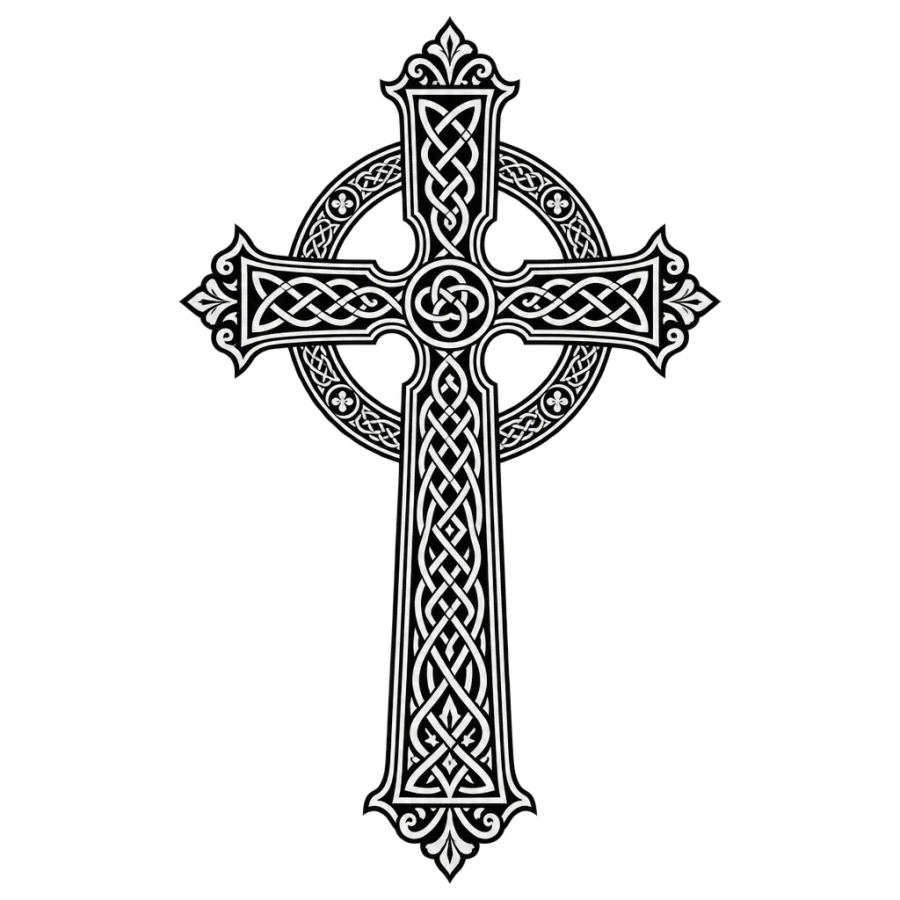
Cross
A cross is the simplest shape on this list and the least forgiving, because every viewer can see instantly whether the two bars are square.
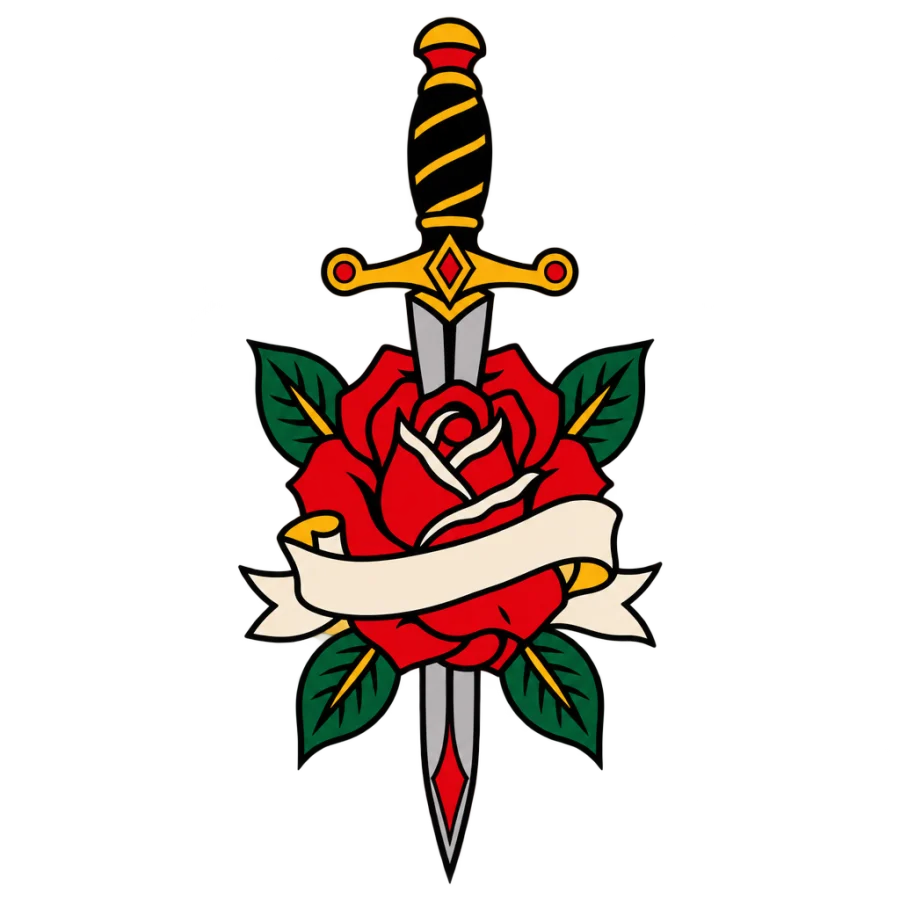
Dagger
A dagger is a long narrow triangle with a crossguard, which makes it one of the few objects that fits a forearm or a spine without any adjustment.
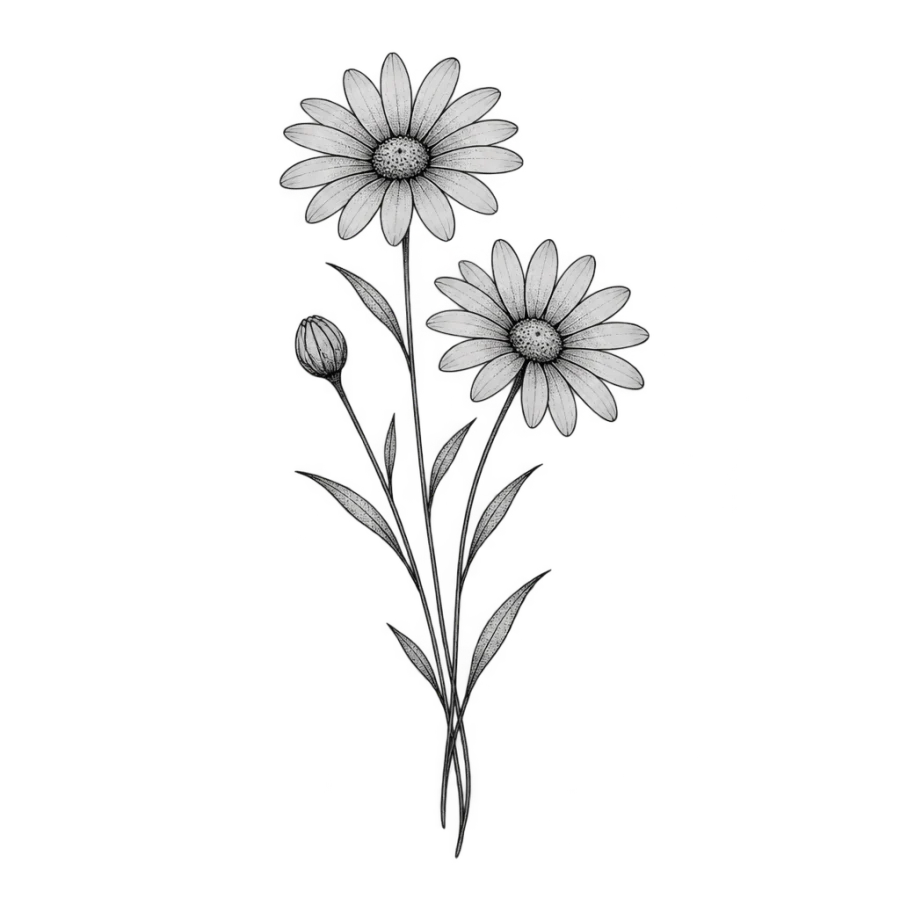
Daisy
A daisy tattoo looks simple and is not, because evenly spaced identical petals are the one thing that makes a drawn flower look fake.
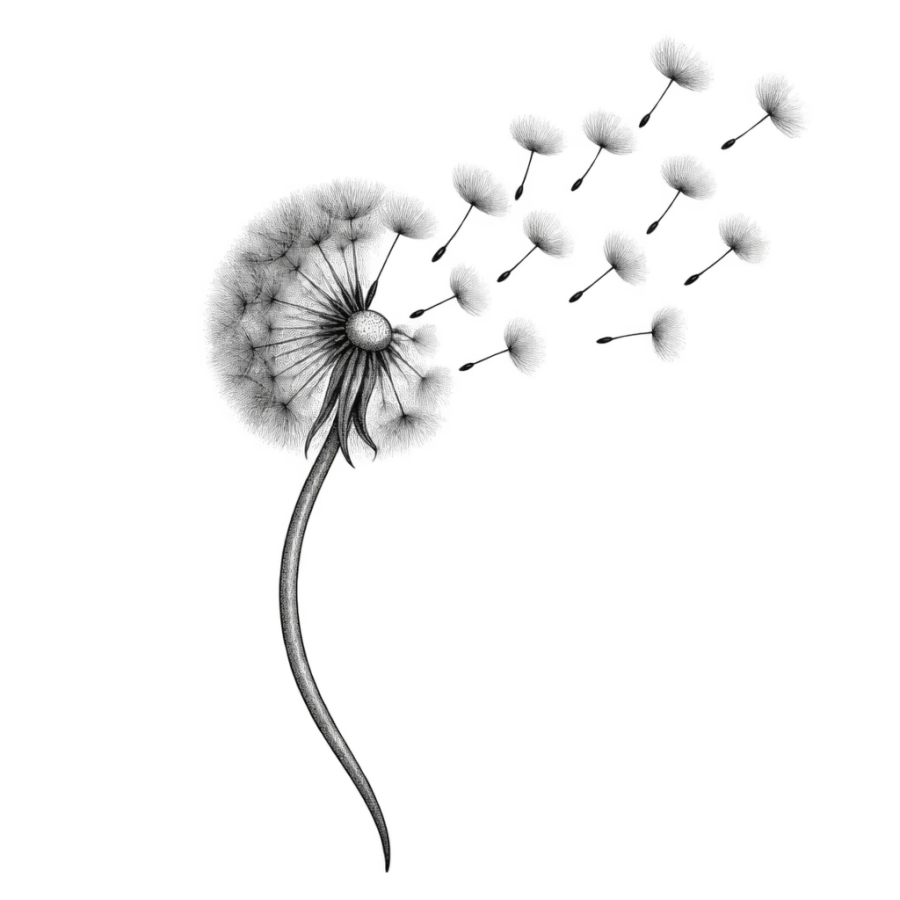
Dandelion
A dandelion tattoo is usually the seed head with seeds blowing off into birds, and that design has one specific way of going wrong.
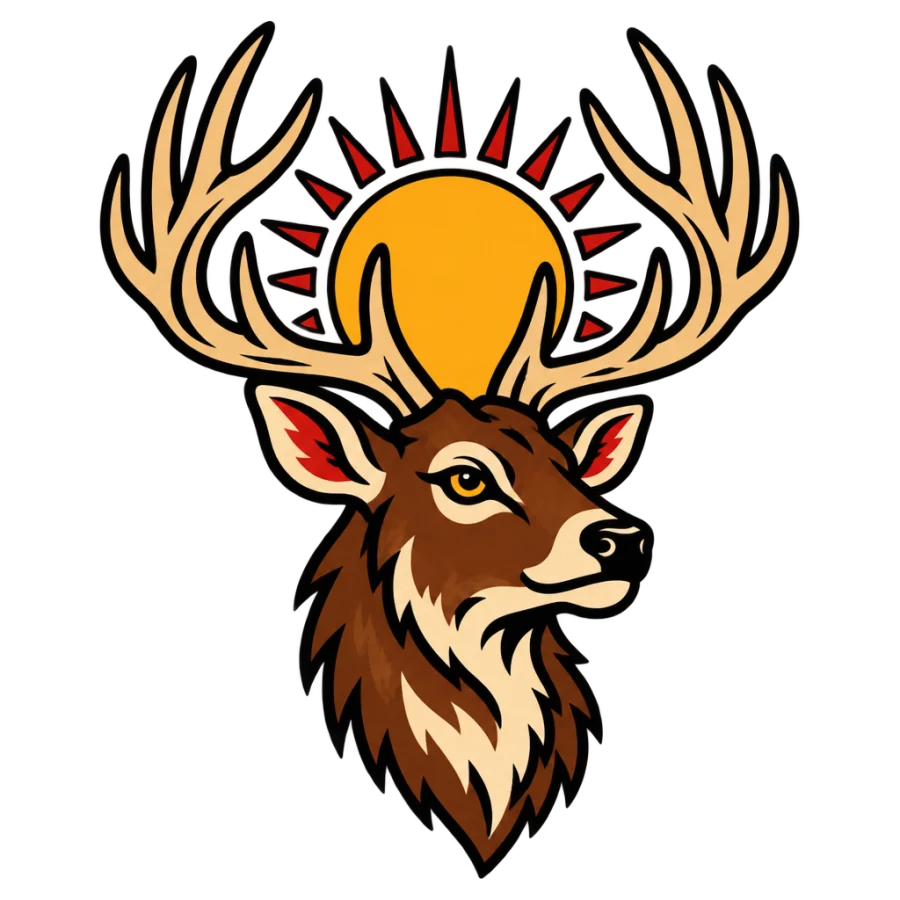
Deer
A deer tattoo succeeds or fails on the antlers, and the detail most drawings miss is that antler is bone, dark at the base and polished pale at the tips.
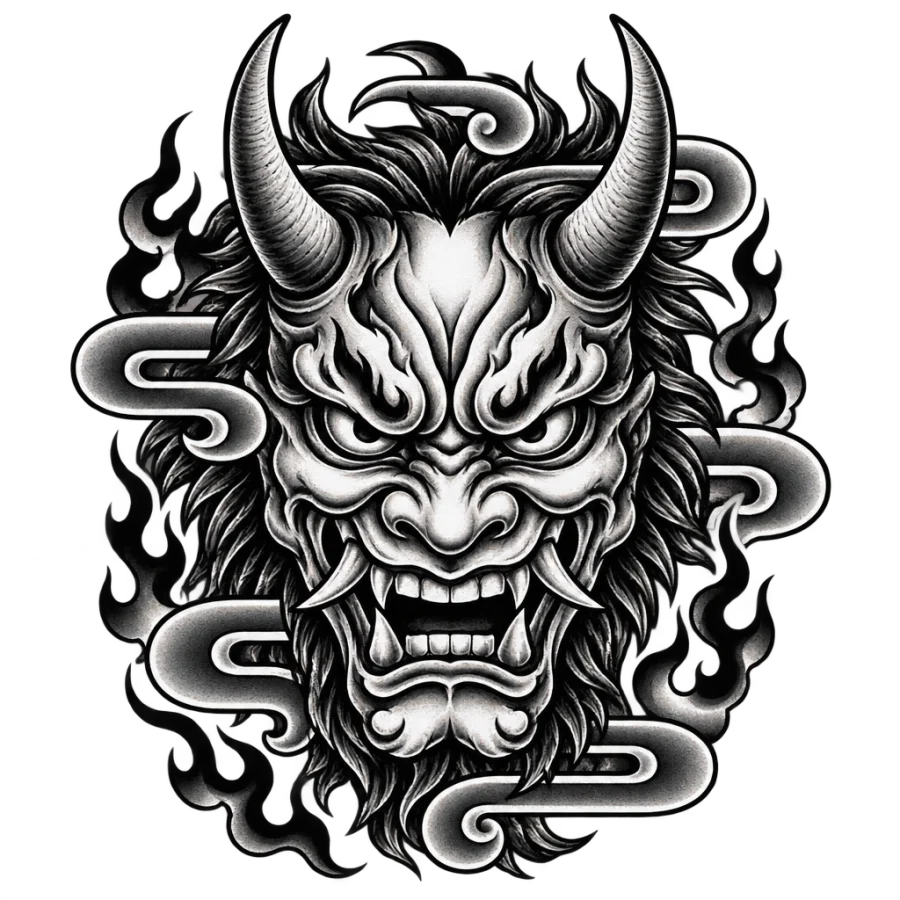
Demon
Most demon tattoo requests are one of four things: a Japanese oni, a hannya mask, a gargoyle, or the devil as European engravers drew him.
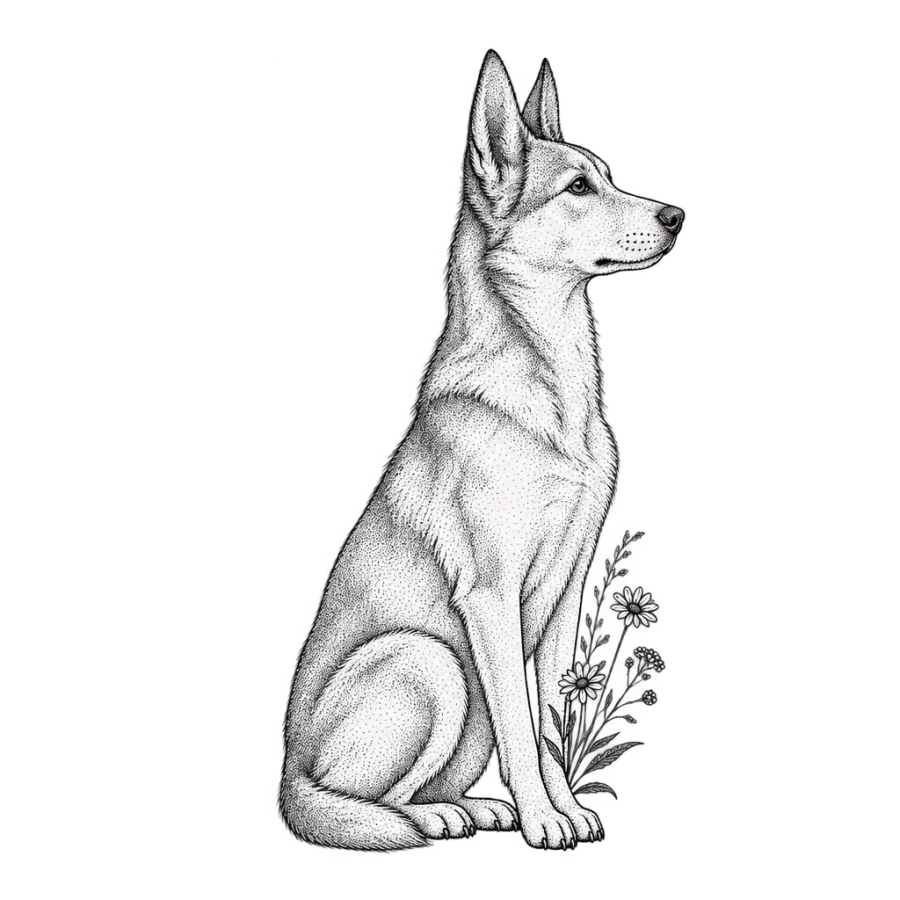
Dog
Almost every dog tattoo is a portrait of one dog, and whether it looks like that dog is decided by the reference photo more than by the artist.
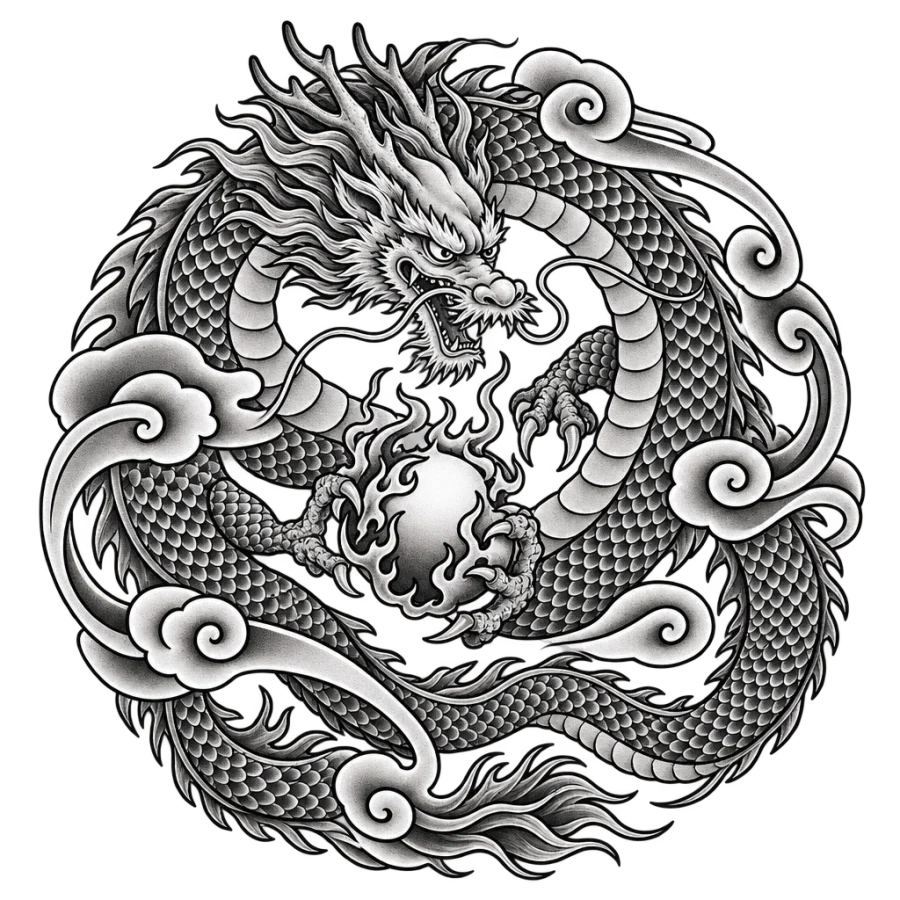
Dragon
A dragon is a long subject on a long limb, so the first decision is not the style but which of two unrelated traditions you actually want.
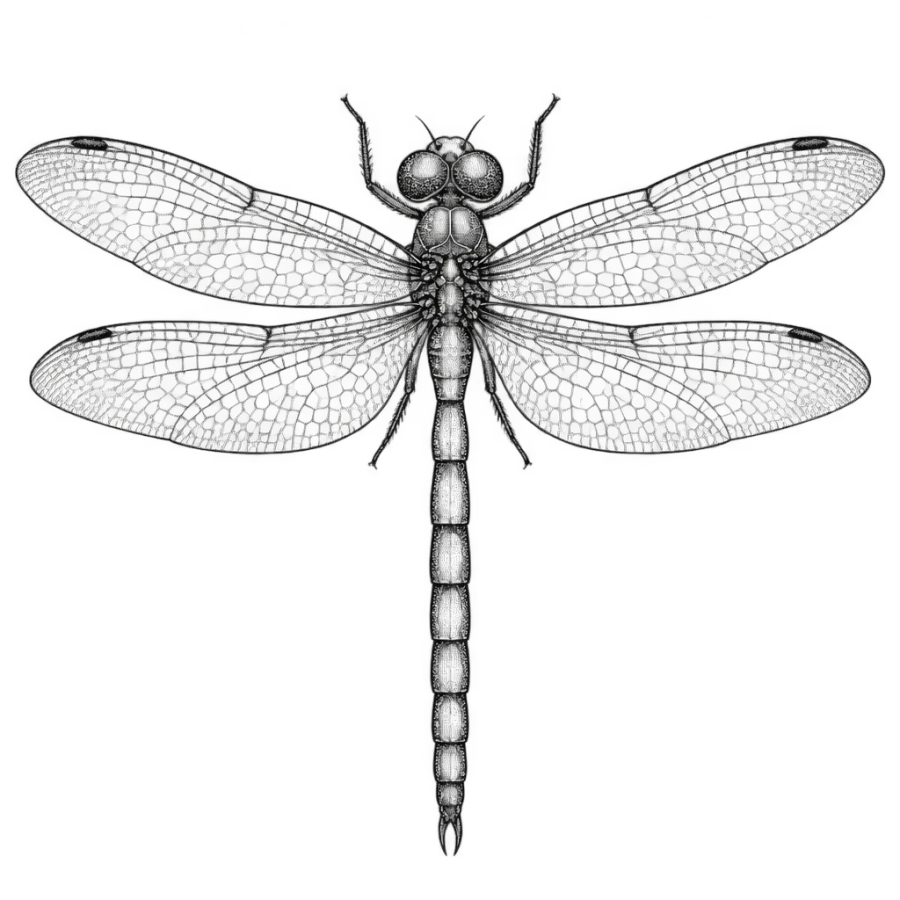
Dragonfly
A dragonfly tattoo works when the wings are simplified on purpose, because real wing venation is a net of several hundred cells per wing.
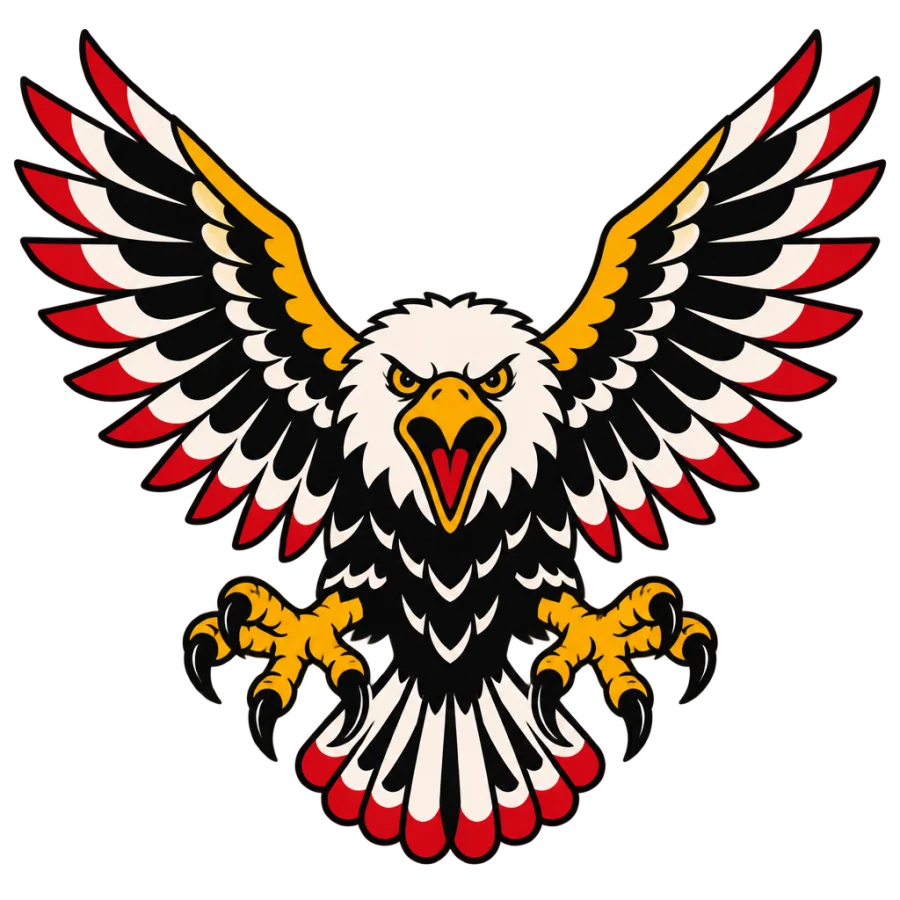
Eagle
An eagle tattoo is three different requests wearing one name: the traditional screaming eagle, the Mexican eagle on the cactus, and a photographic bald eagle.
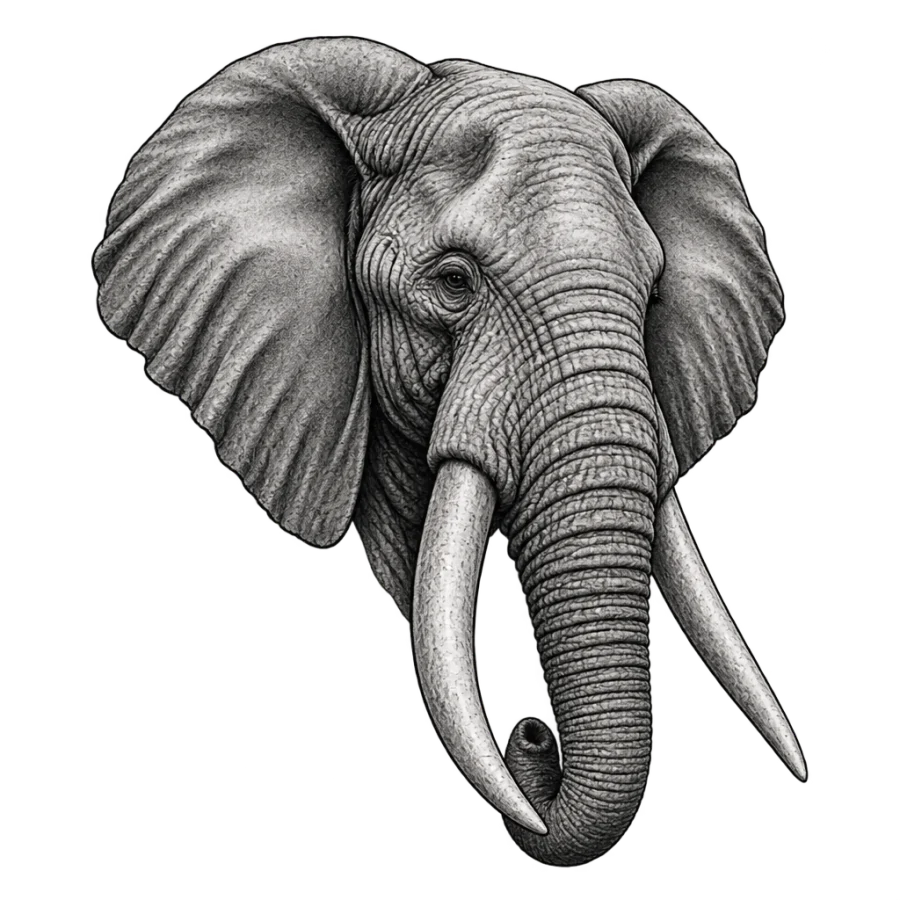
Elephant
An elephant gives an artist two things almost nothing else does: an enormous flat ear to decorate and skin texture that reads as texture even at a distance.
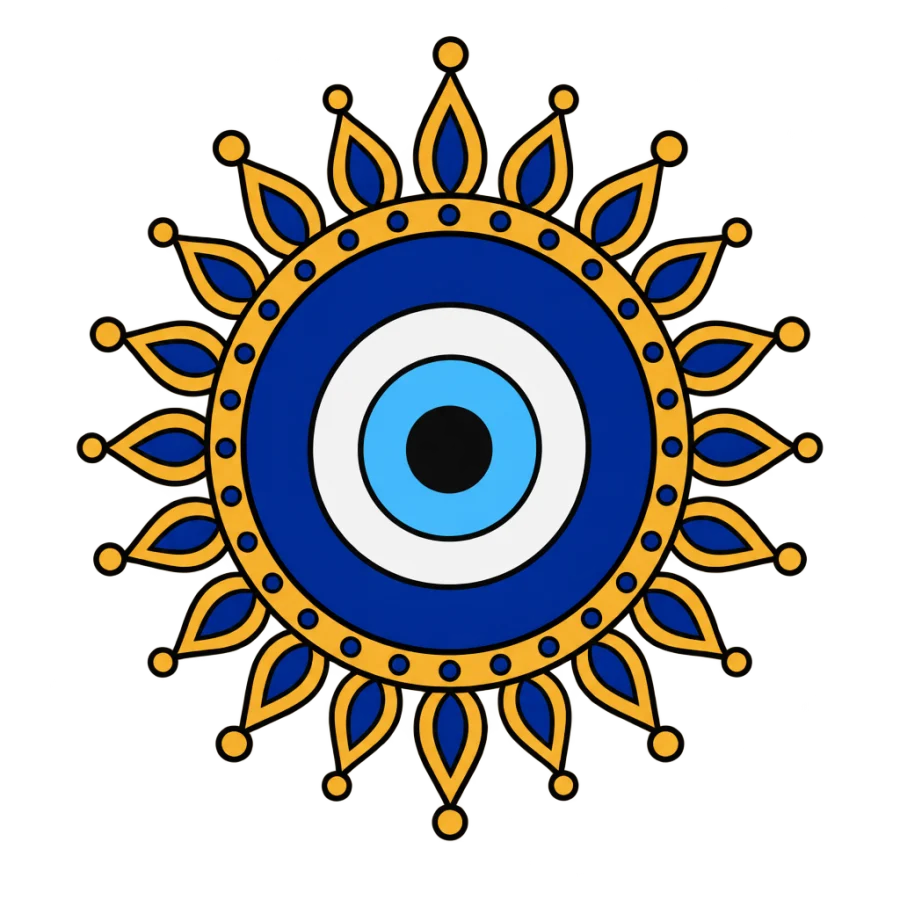
Evil eye
An evil eye tattoo is usually the nazar, the blue glass bead from Turkey and the eastern Mediterranean, drawn as four concentric rings.
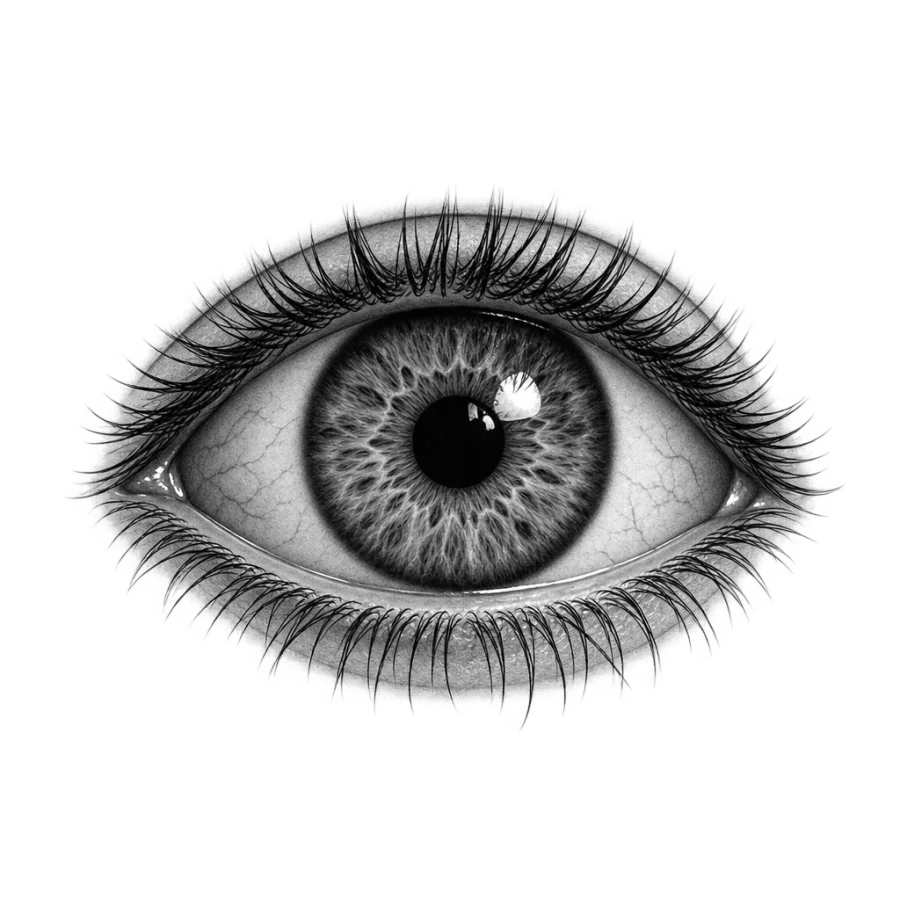
Eye
A realistic eye is one of the hardest small tattoos there is, because the thing that makes an eye look alive is a highlight that has to be bare skin.
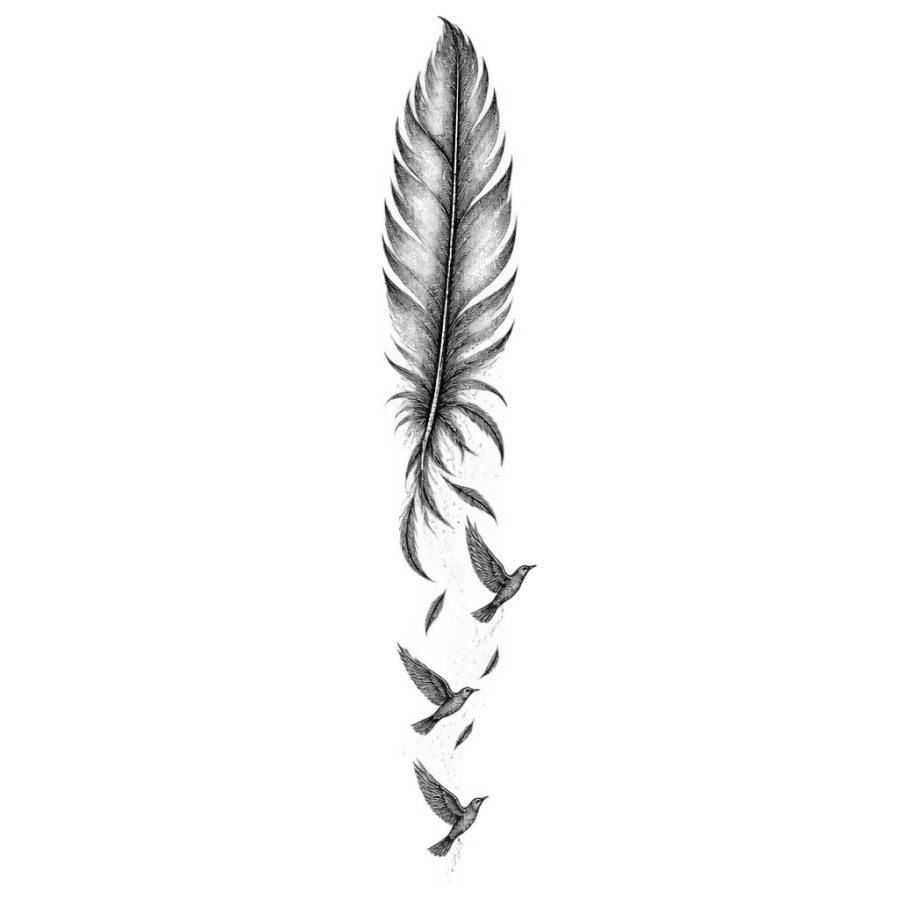
Feather
A feather is a shaft with hundreds of barbs off it, and the gaps between those barbs are the whole reason it looks like a feather rather than a leaf.
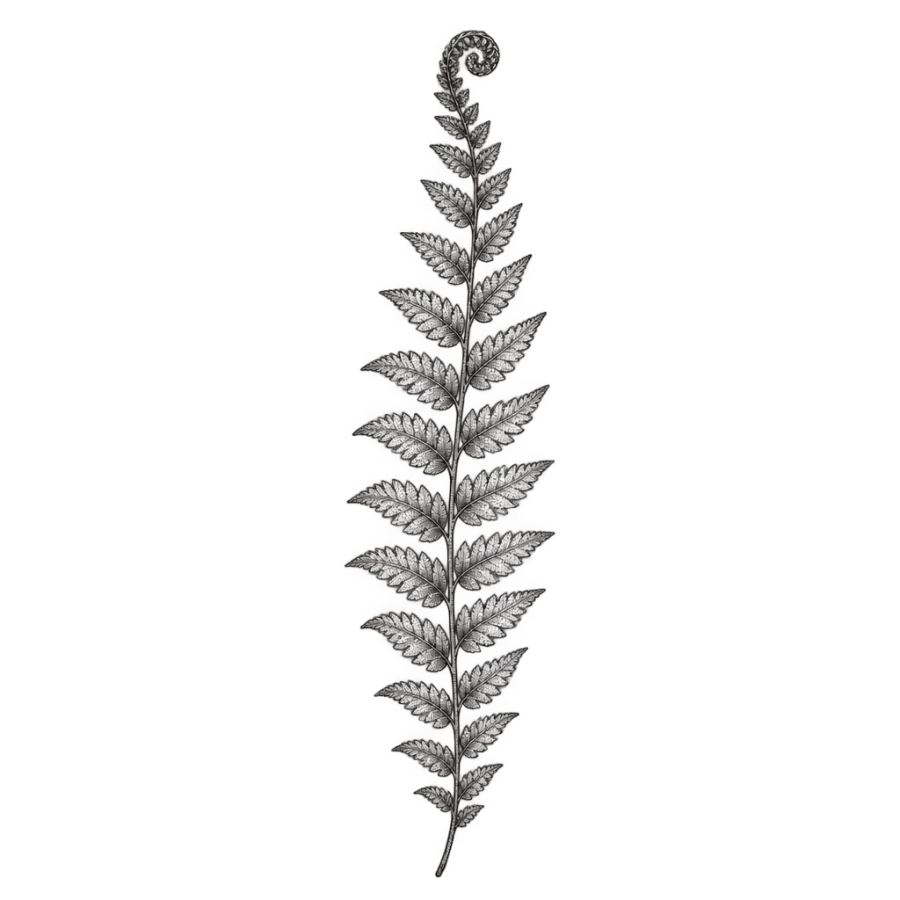
Fern
A fern tattoo comes down to one decision: the tight spiral of an unfurling fiddlehead, or an open frond with every leaflet drawn.
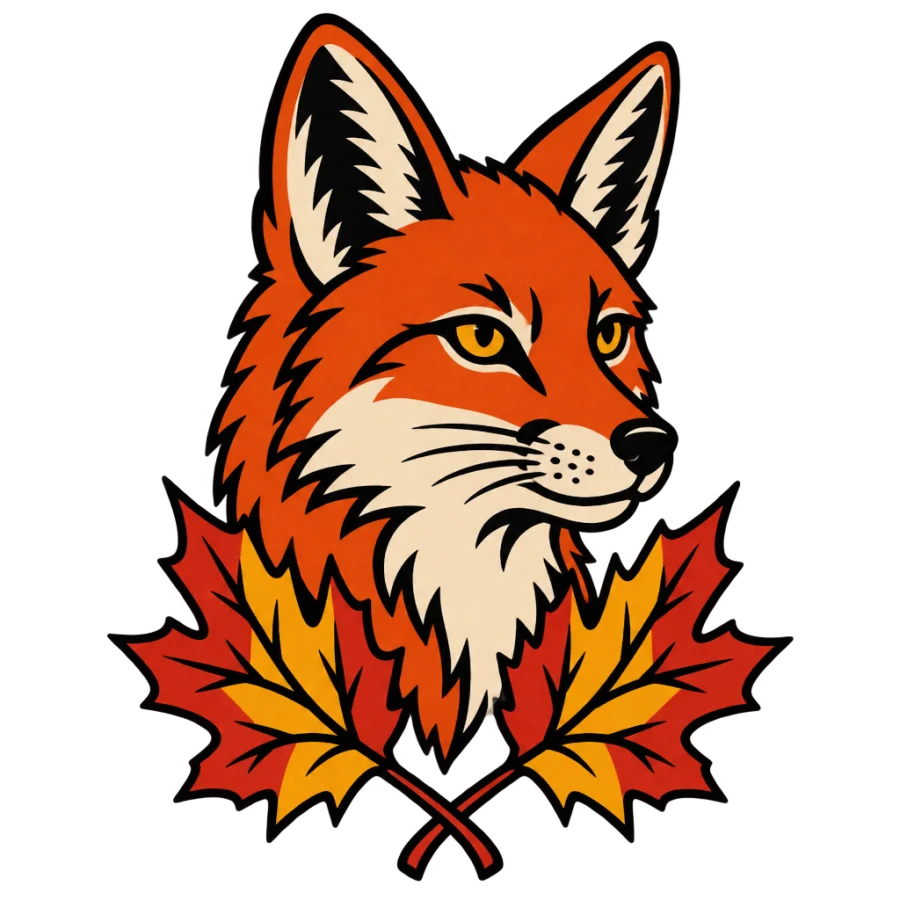
Fox
A fox tattoo reads as a fox because of five markings, and without them you get an animal most people will call a dog.
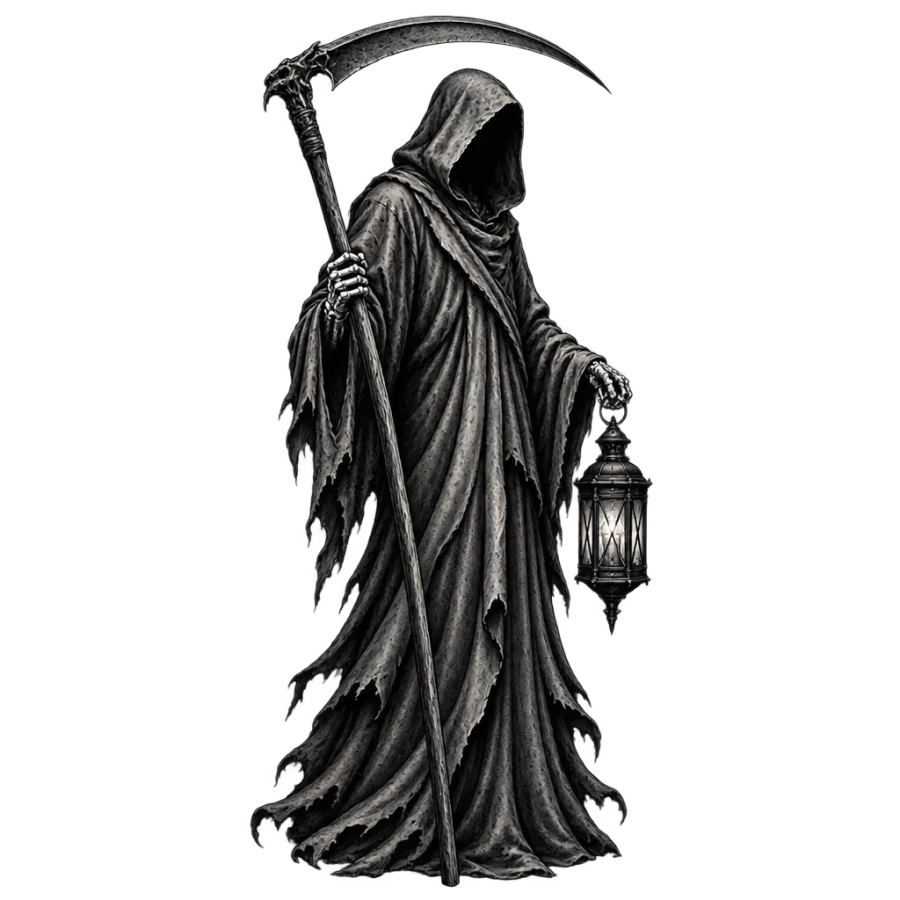
Grim reaper
A grim reaper tattoo is one of the few subjects where almost all the work happens in solid black and the negative space around it.
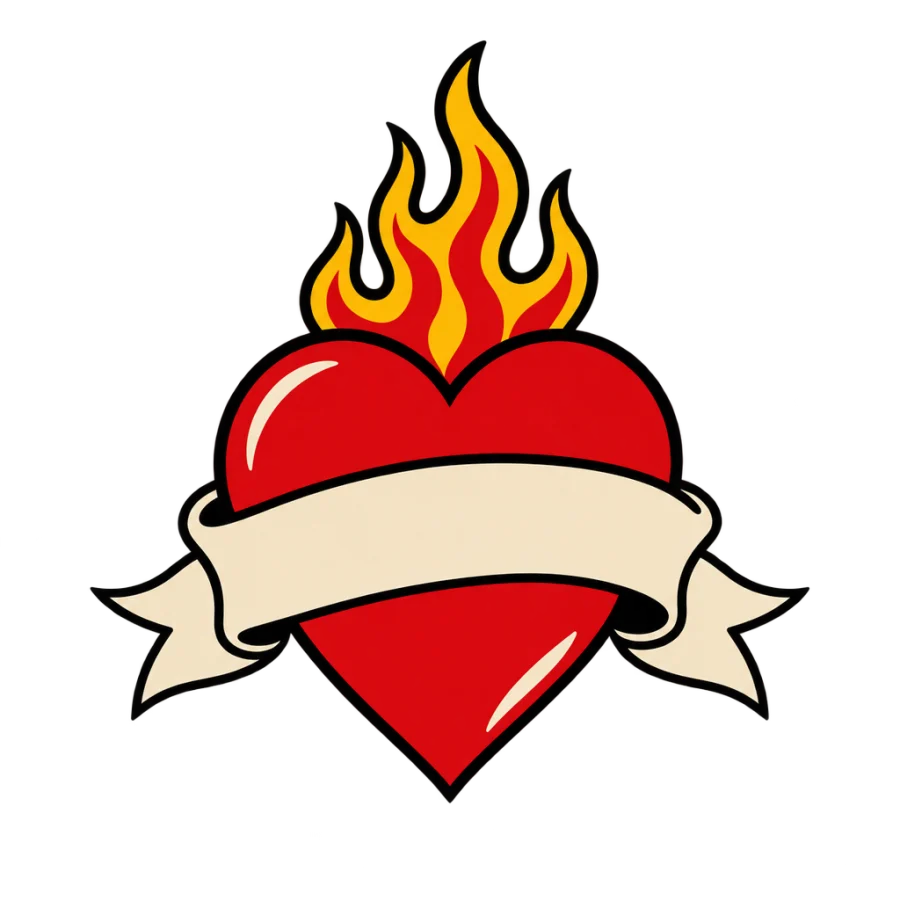
Heart
There are three hearts in tattooing: the symbol, the organ and the sacred heart, and they belong to different histories that people often mix by accident.
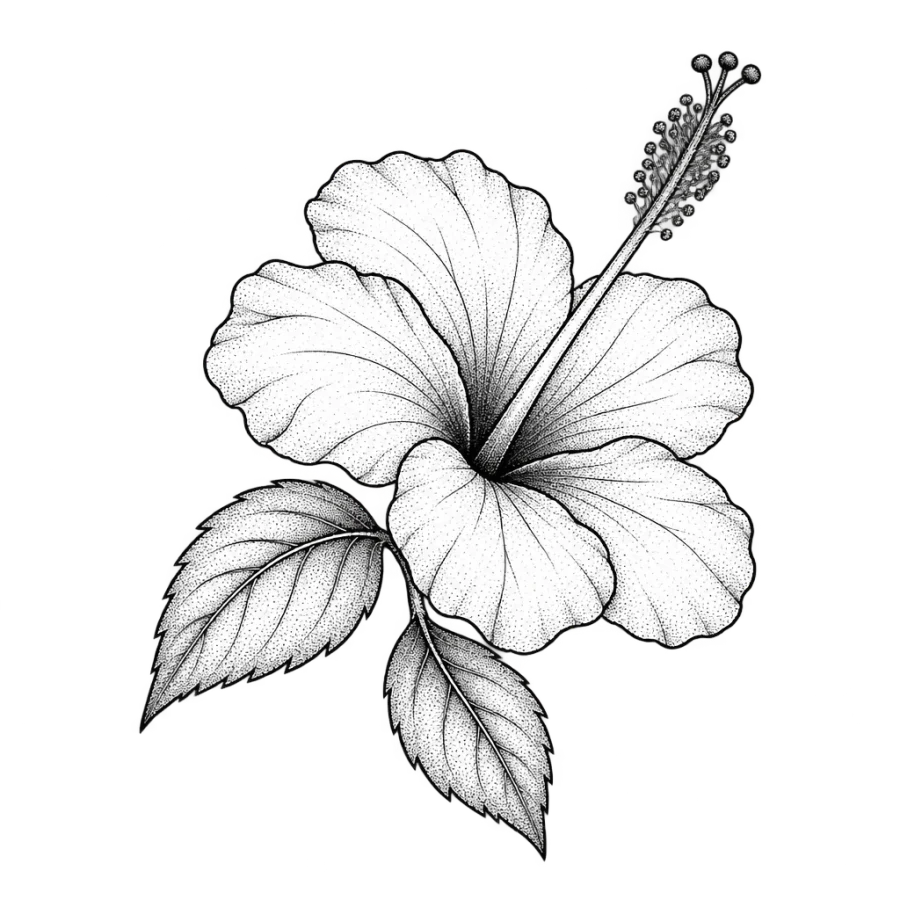
Hibiscus
A hibiscus tattoo needs five petals, a ruffled edge and the long stamen column pushing out of the middle, or it reads as a generic flower.
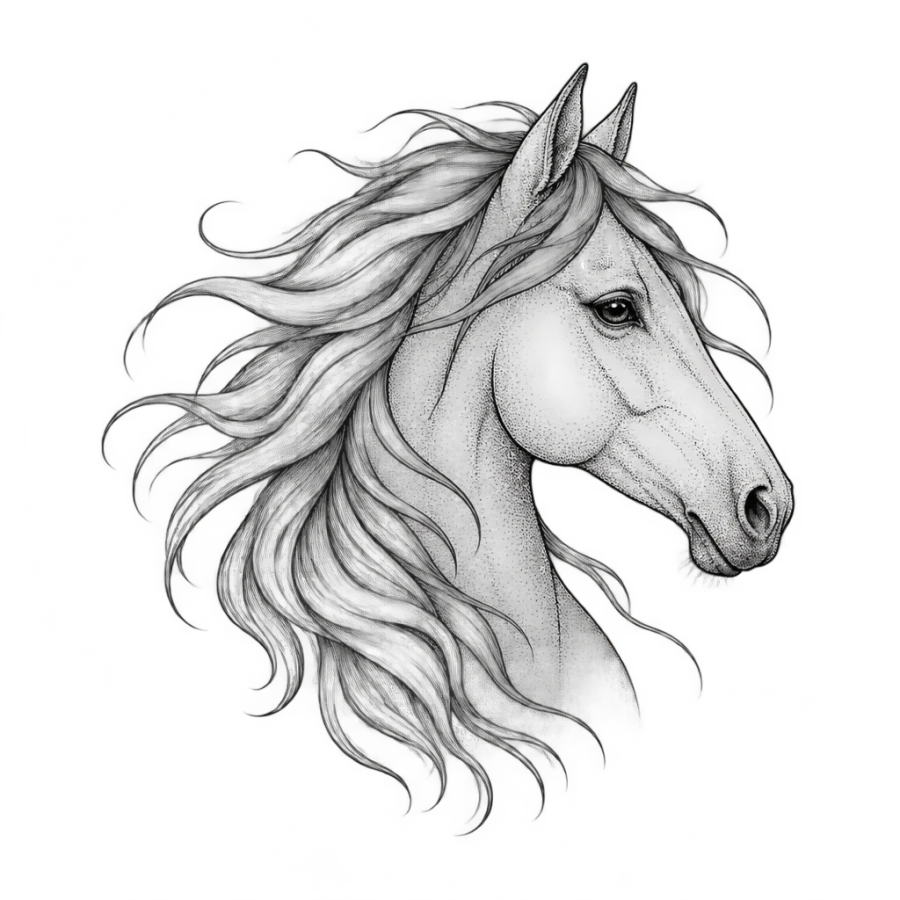
Horse
Everyone who rides can tell a badly drawn horse in a second, which makes anatomy the thing to get right before you think about style.
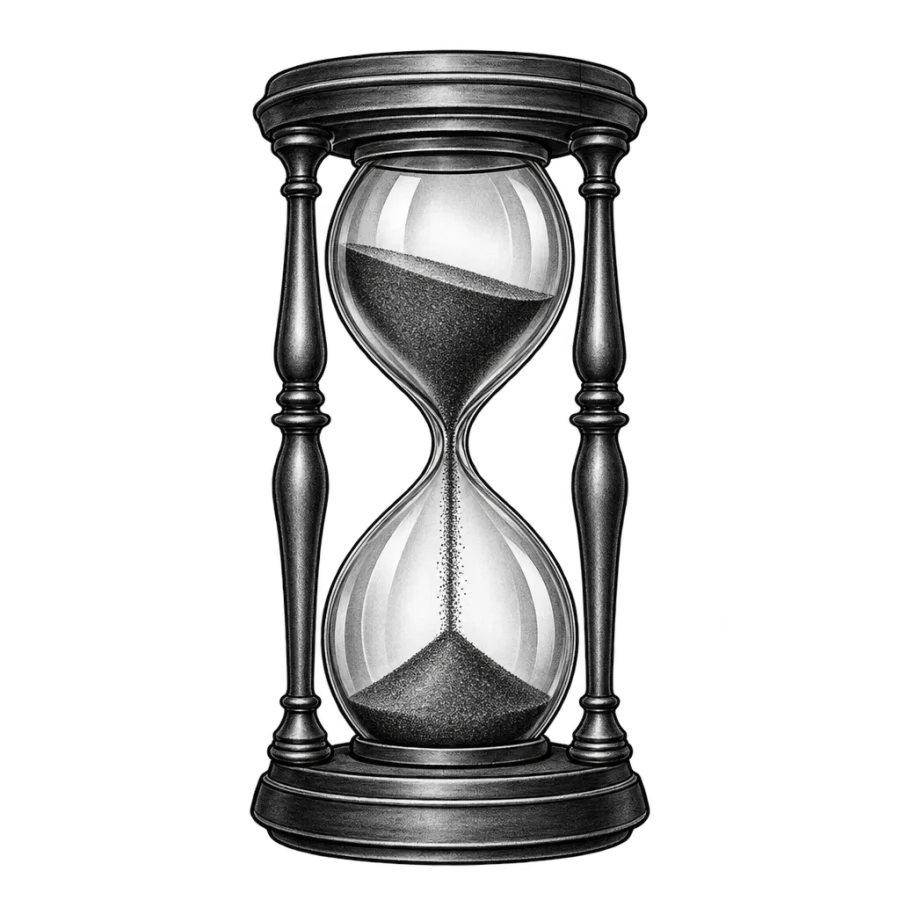
Hourglass
An hourglass is a symmetrical object with a narrow waist, which makes it one of the few designs that genuinely suits the spine and the sternum.
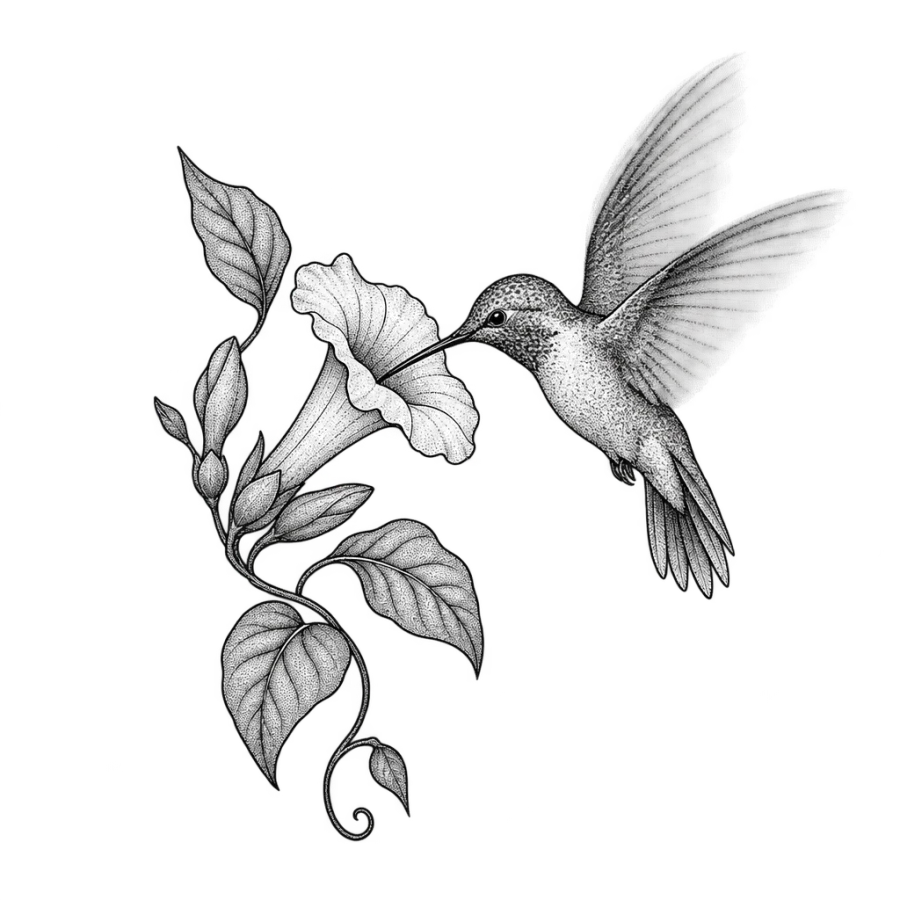
Hummingbird
Everything people love about a hummingbird is motion, and a tattoo cannot move, so the whole design comes down to how you handle the wings.
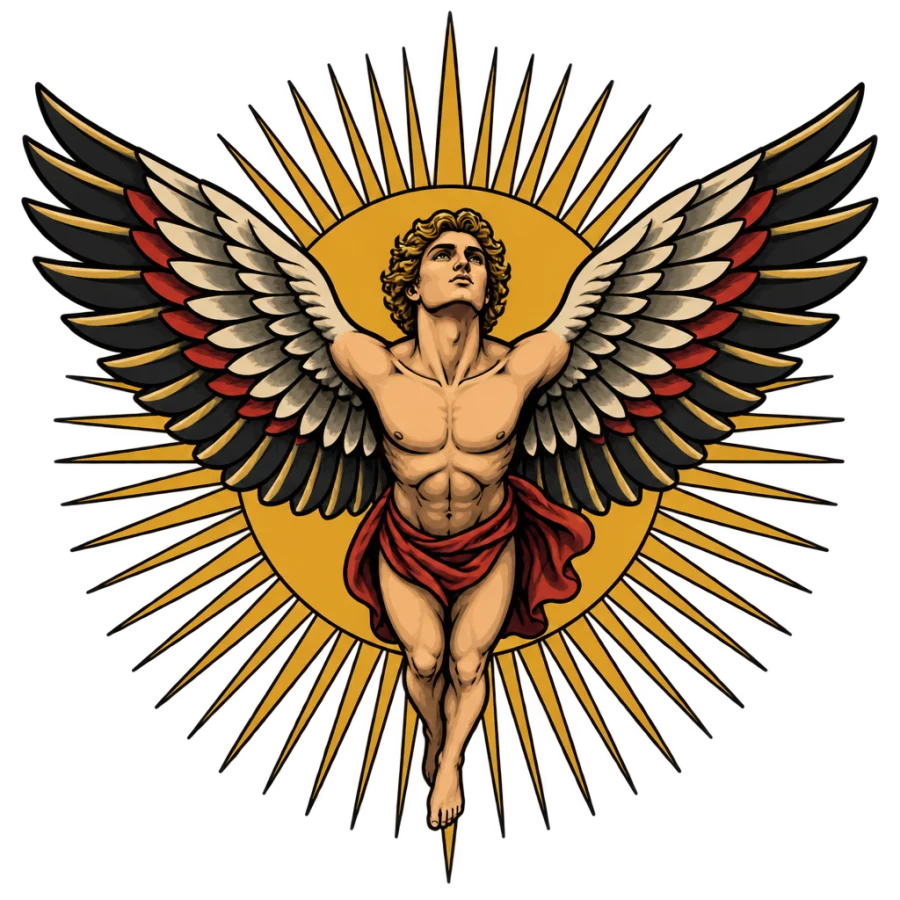
Icarus
An icarus tattoo gets chosen for ambition and for grief, and those two readings pull the drawing in completely different directions once you start sketching.
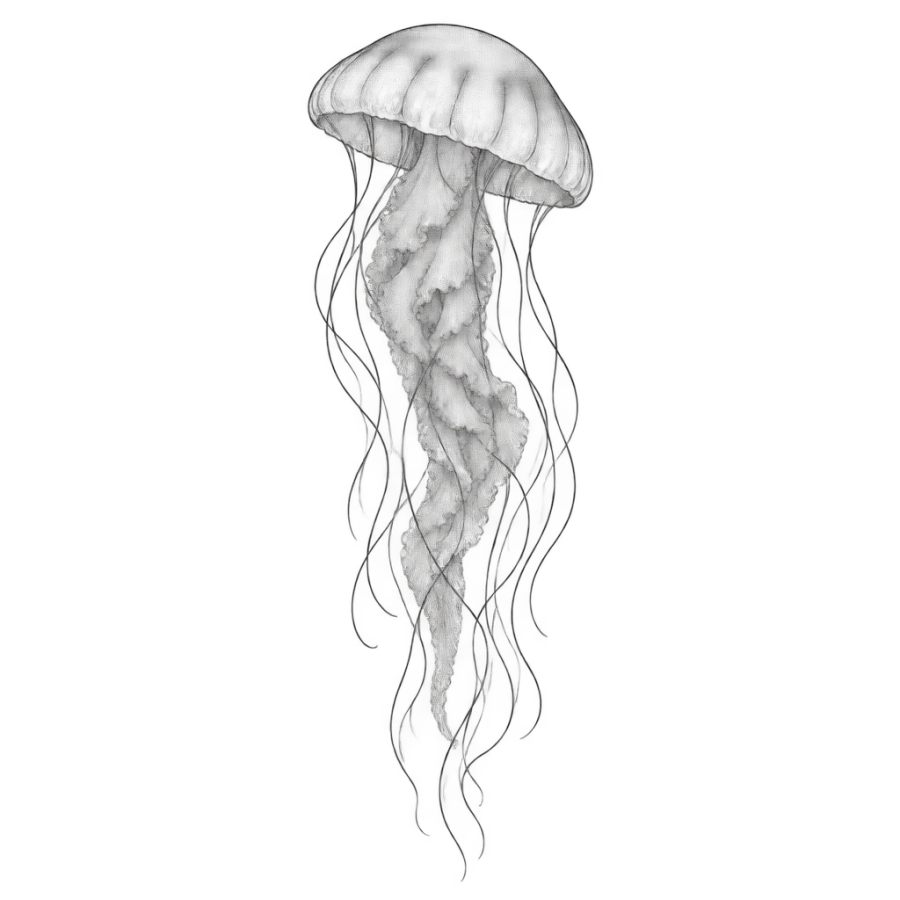
Jellyfish
A jellyfish tattoo is a translucency problem, because the animal is made almost entirely of edges you can see through and a tattoo is made of ink.
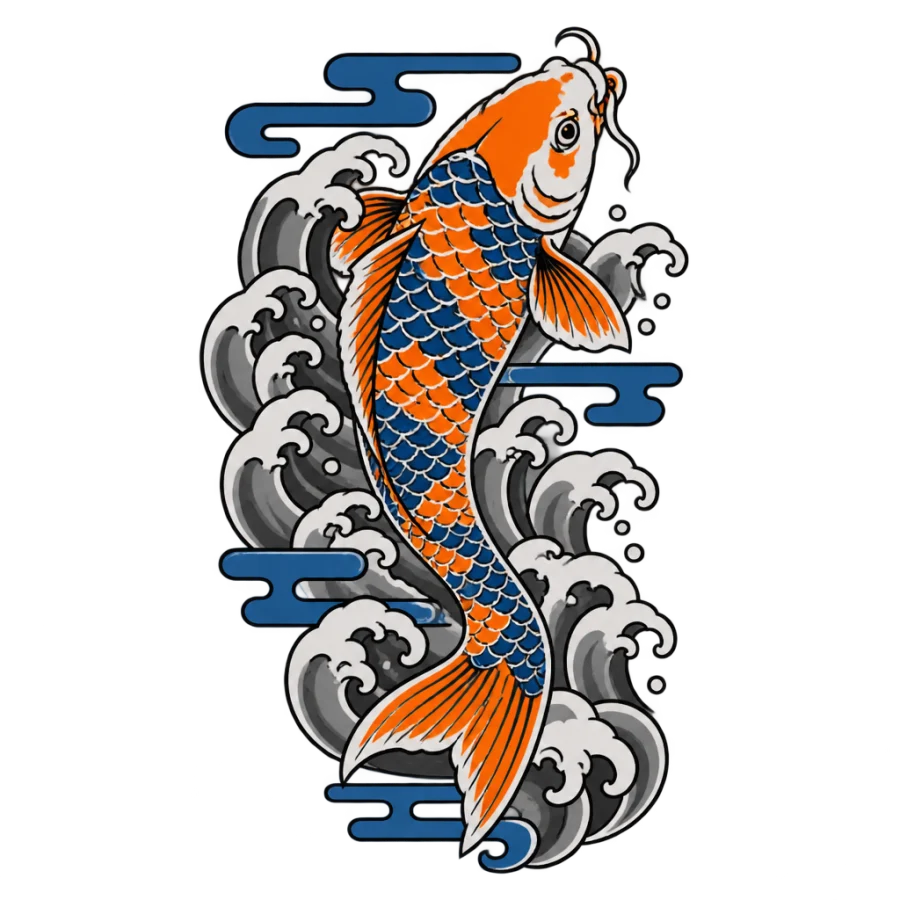
Koi fish
The koi story is about a carp that swims up a waterfall and turns into a dragon, which is why the fish is almost always drawn mid struggle.
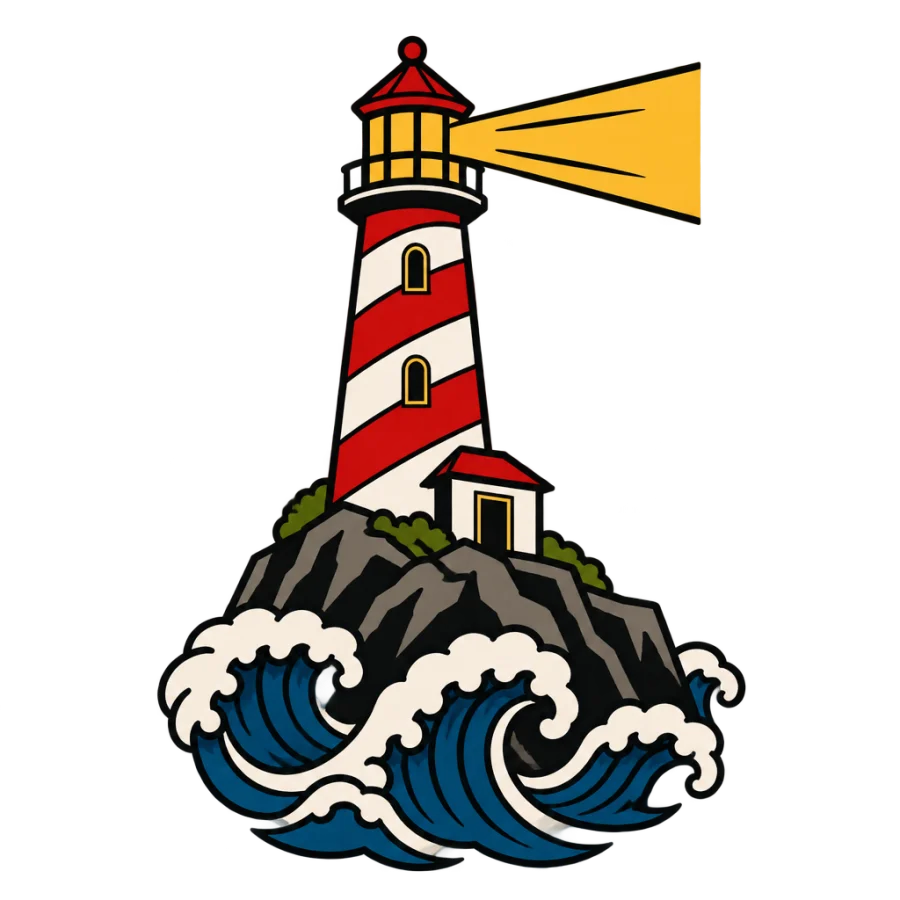
Lighthouse
A lighthouse tattoo is a tall tapering cylinder, which is why it fits a forearm or a calf better than almost any other subject.
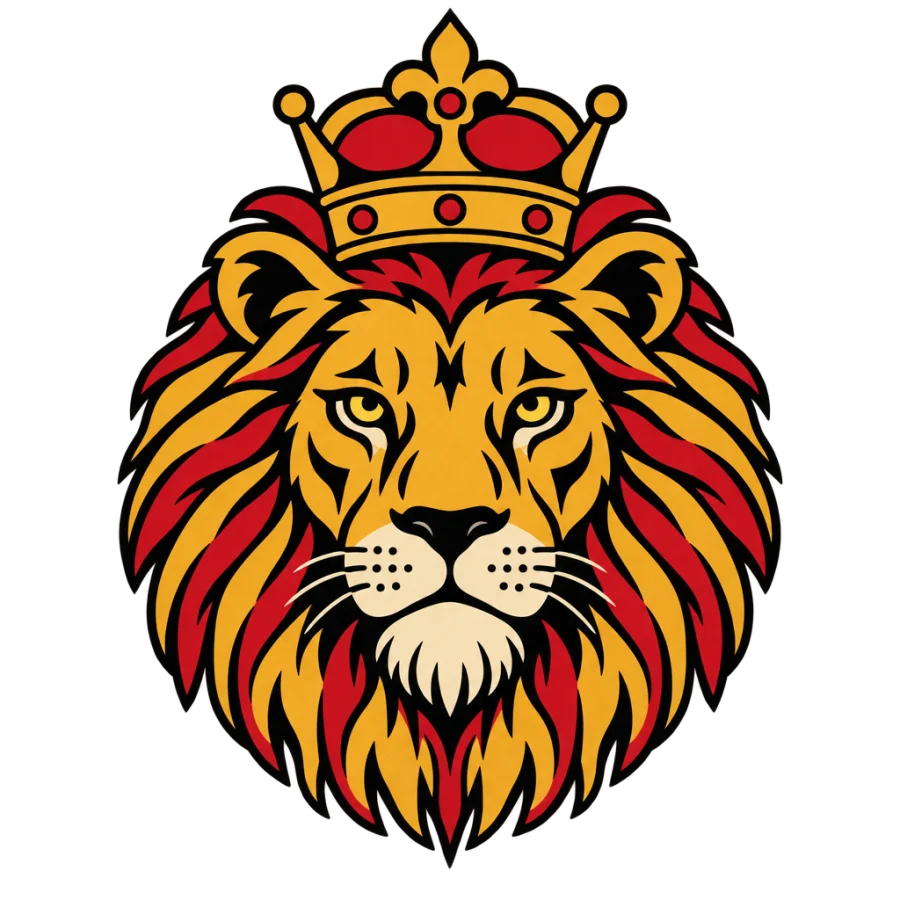
Lion
A lion head is about eighty percent mane, so the question at the consultation is how your artist plans to keep that mane from turning into a grey halo.
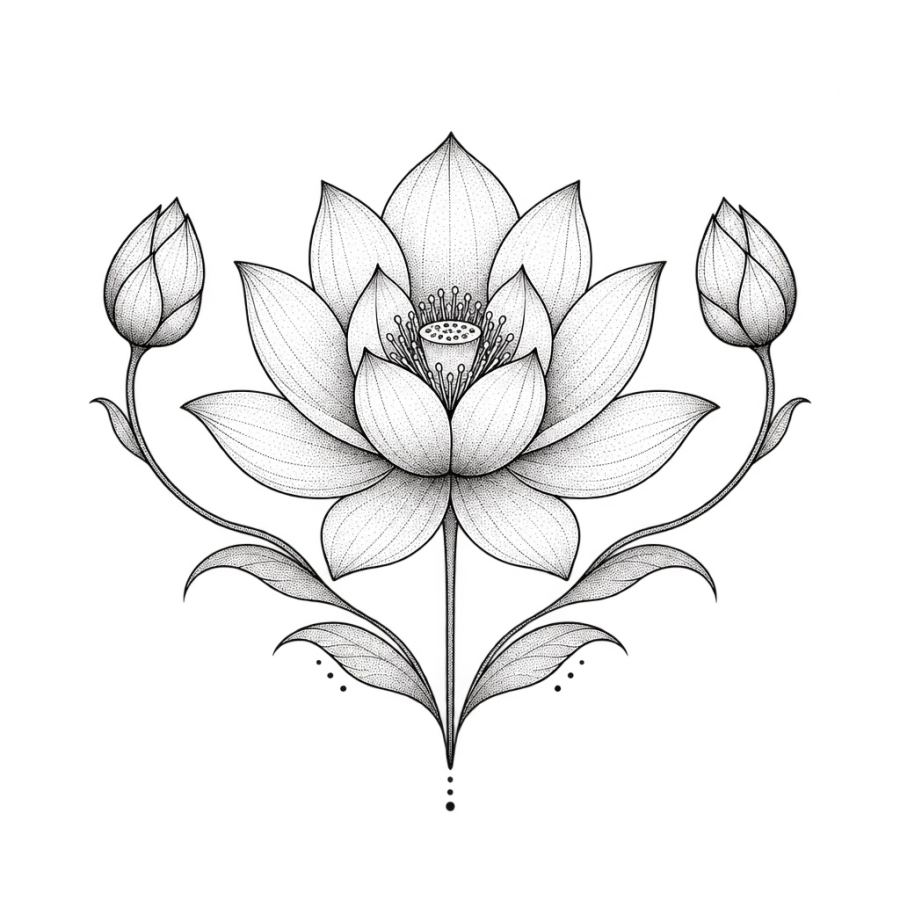
Lotus
The lotus roots in mud, grows up through dark water and opens clean above it, and that sequence is the reason almost everyone picks it.
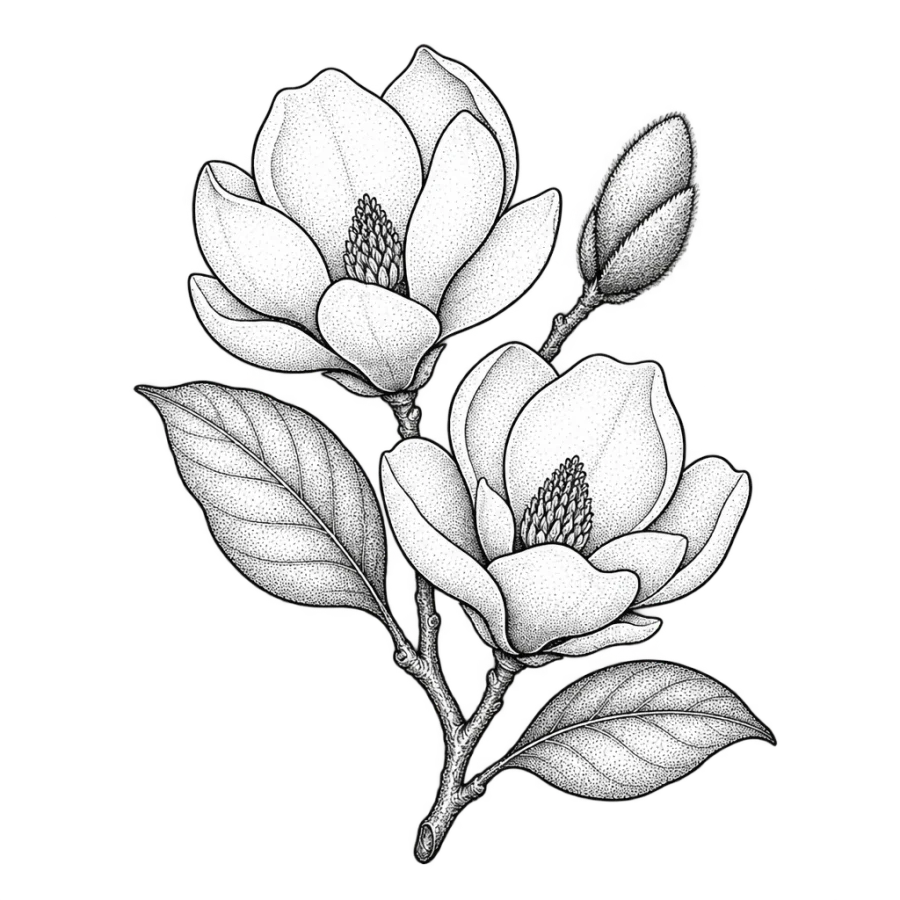
Magnolia
A magnolia tattoo is usually a branch rather than a single bloom, which makes it a question about how a line travels across your body.
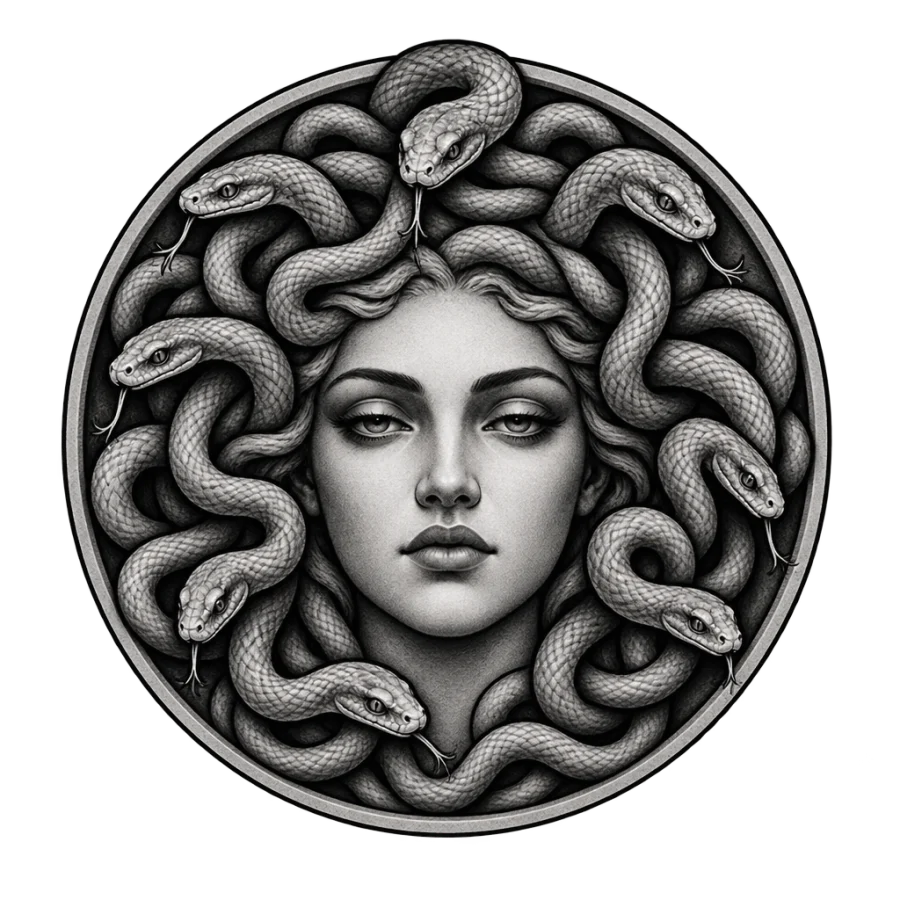
Medusa
A medusa tattoo is asked for more than almost any other mythological subject right now, and most of the people asking mean something specific by it.
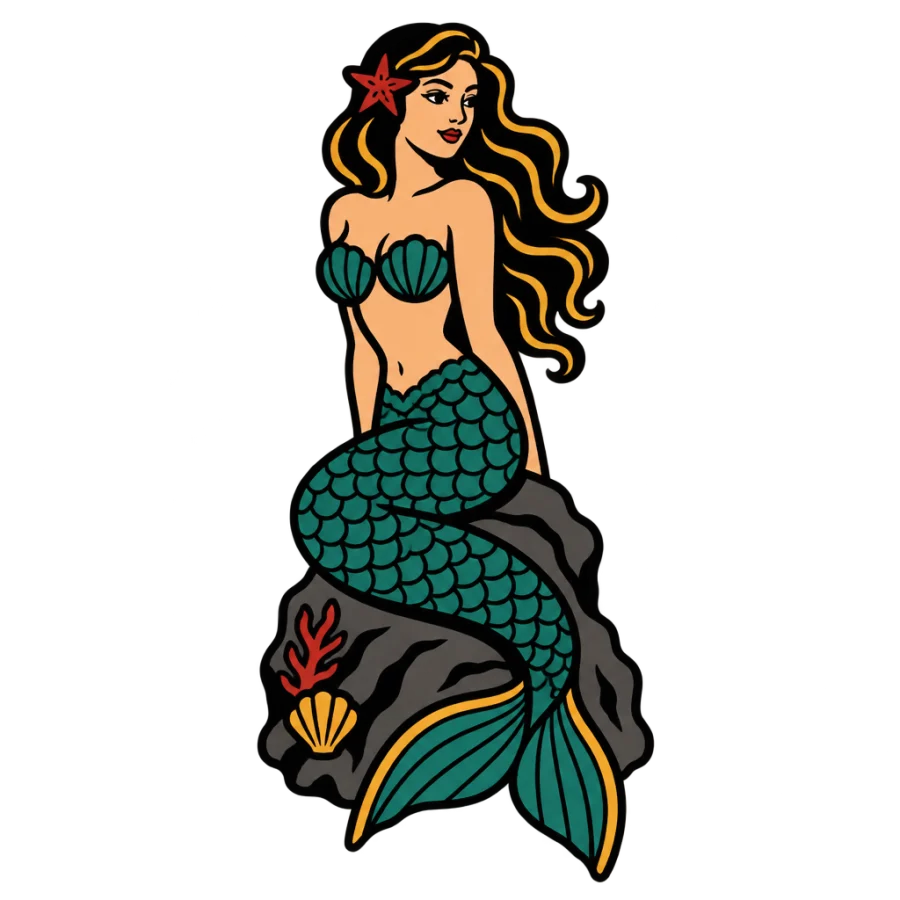
Mermaid
People ask for three completely different things when they ask for a mermaid tattoo, and the pin up, the siren and the underwater portrait need different sizes and budgets.
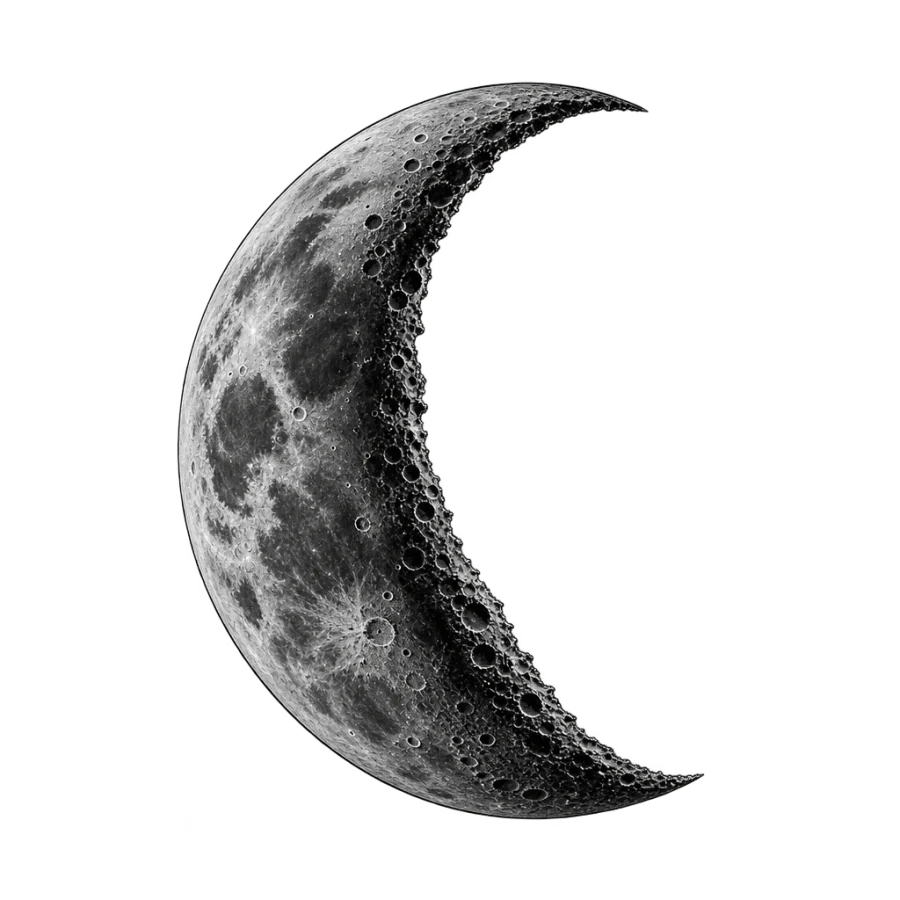
Moon
The most common error in moon tattoos is simple and permanent: the phases run in the wrong order, or the lit side faces the wrong way.
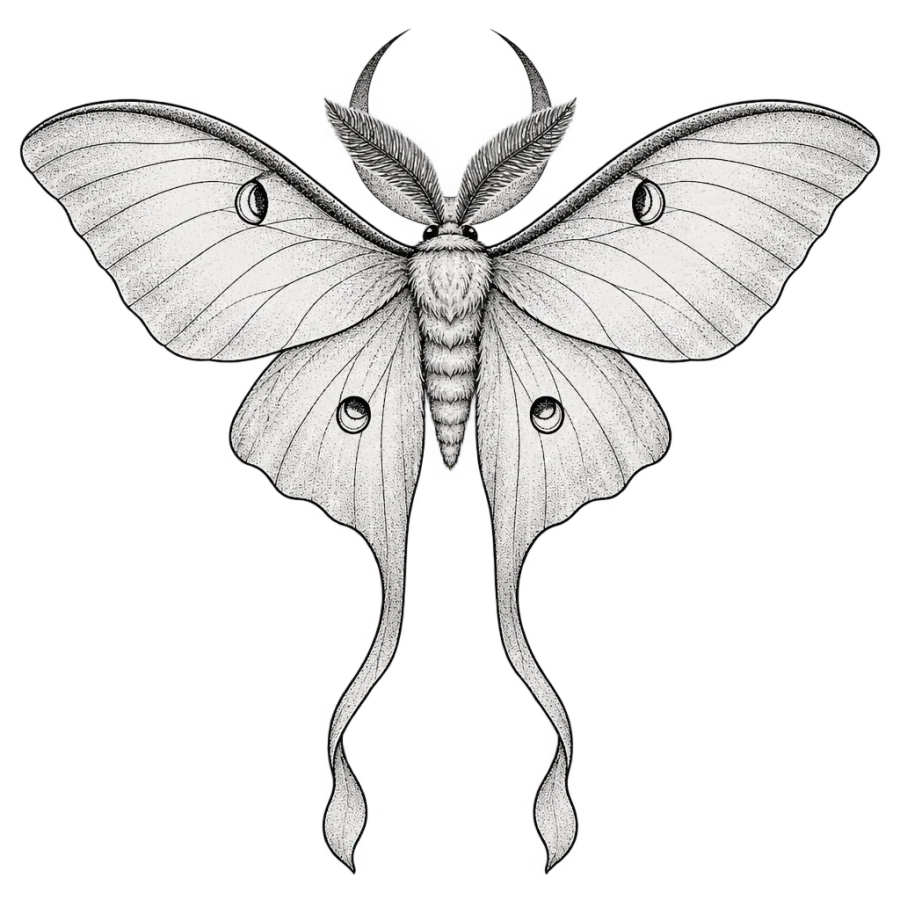
Moth
A moth tattoo has the same symmetry as a butterfly and a much harder pattern problem, because moth wings are low contrast by design.
Mountain
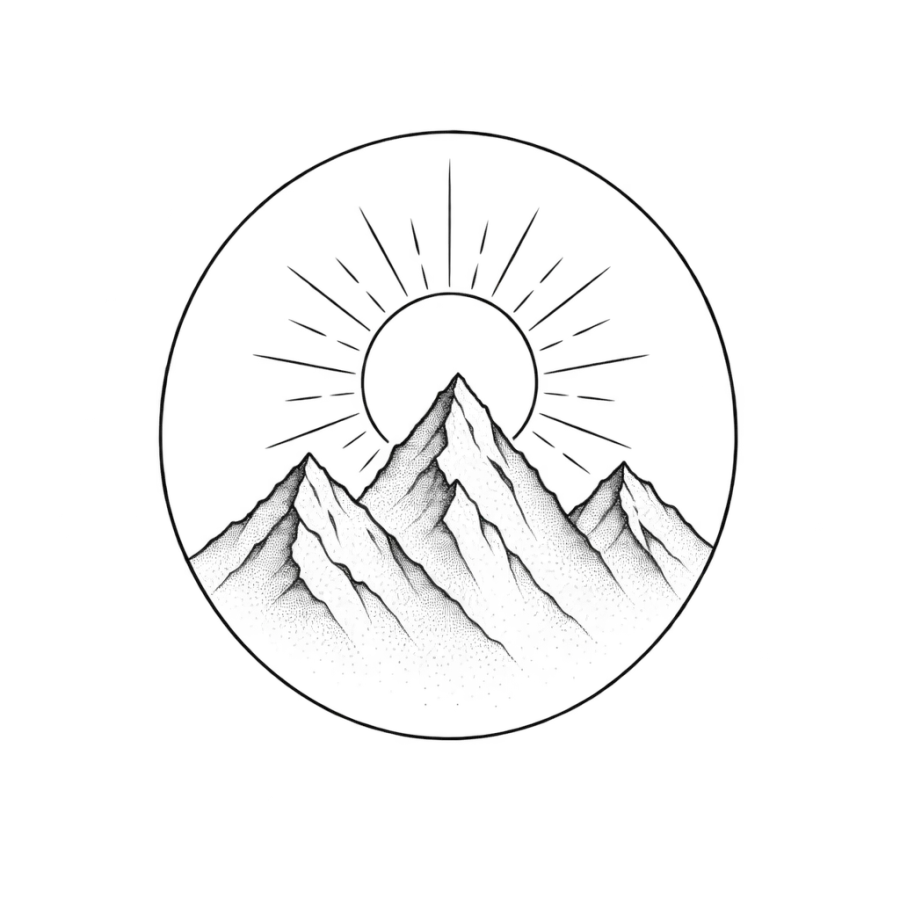
A mountain tattoo is better when the ridgeline belongs to a real peak, because a generic triangle says nothing and a real skyline says exactly where you were.
Mushroom
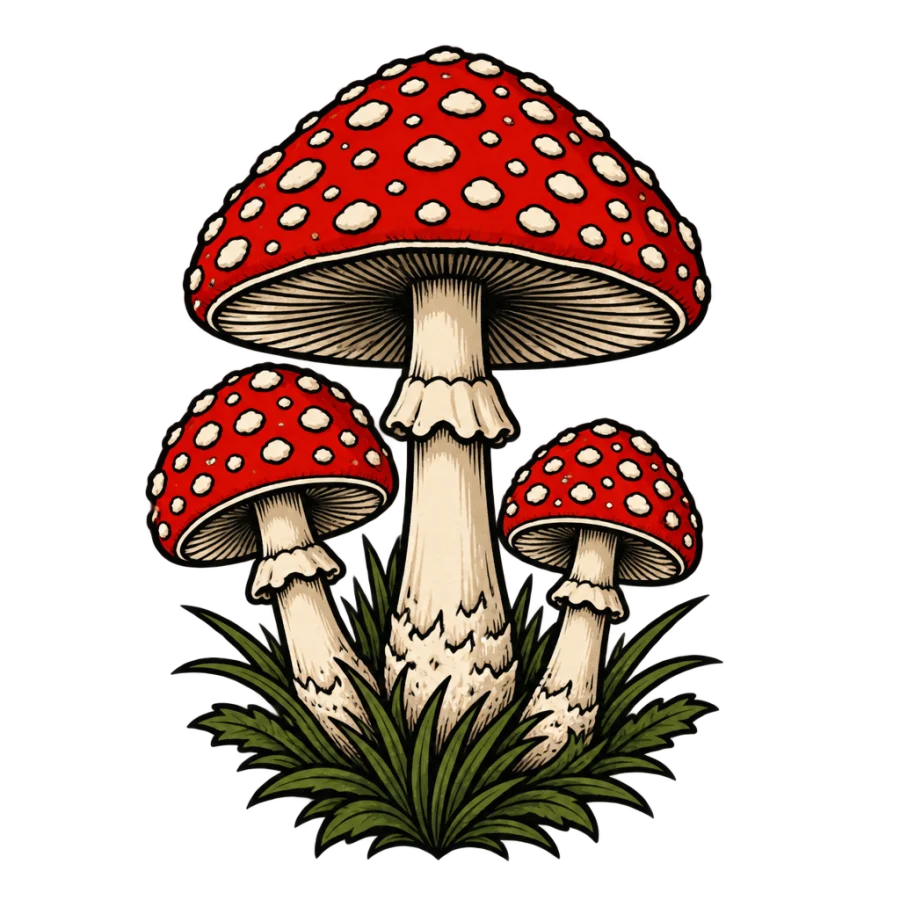
A mushroom tattoo is usually one of three things: a red capped amanita, a botanical illustration, or a cluster growing out of moss.
Music note
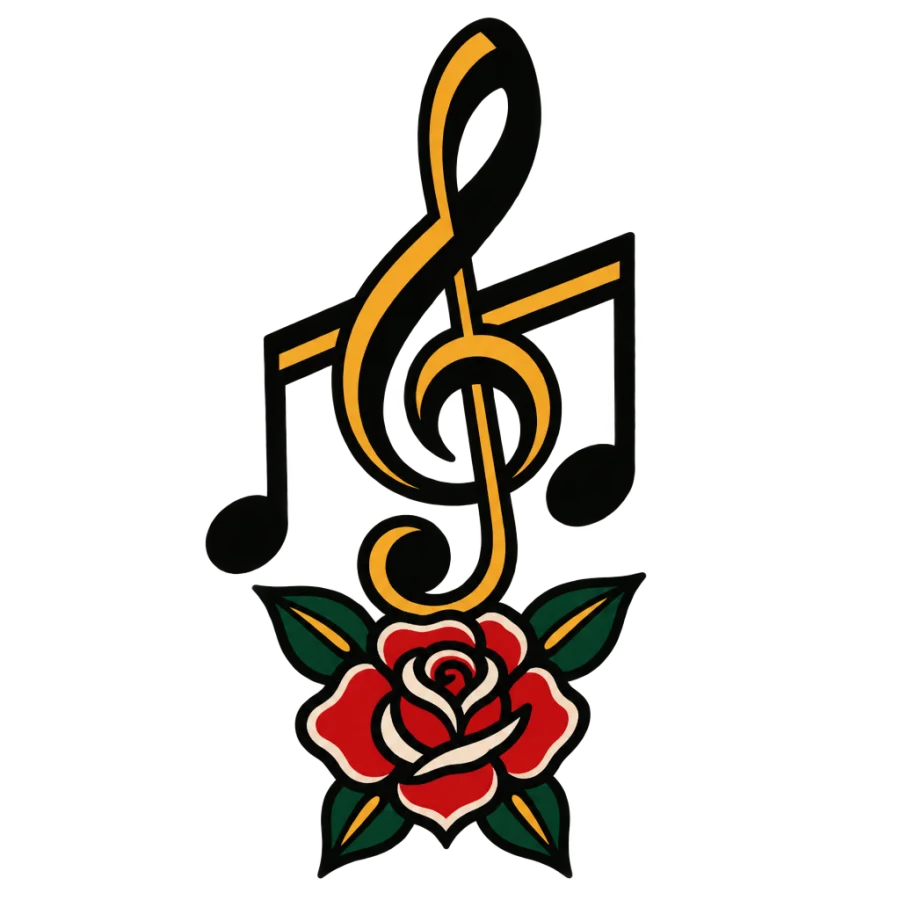
The single music note tattoo at 2 cm is one of the most commonly regretted tattoos, and the fix is to tattoo real music instead of a symbol for it.
Octopus
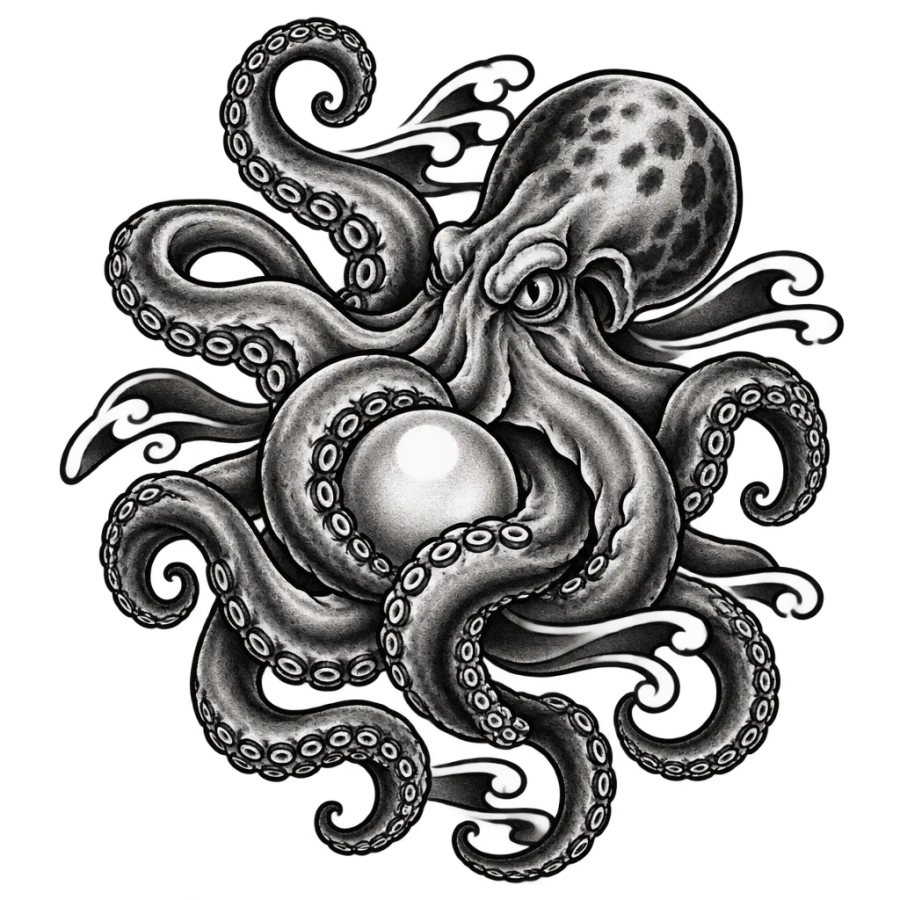
An octopus tattoo is really eight decisions about where the arms go, which is why the placement has to come before the design.
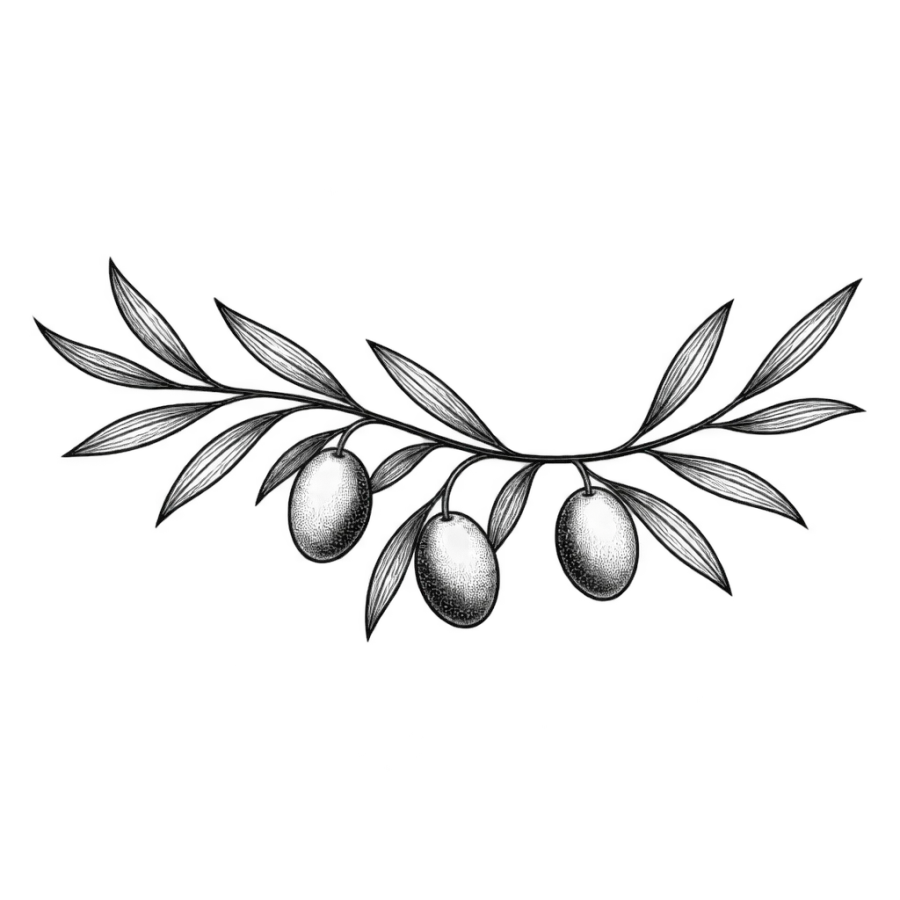
Olive branch
Almost every olive branch tattoo is the same drawing at a different size, so the thing worth getting right is the leaf spacing.
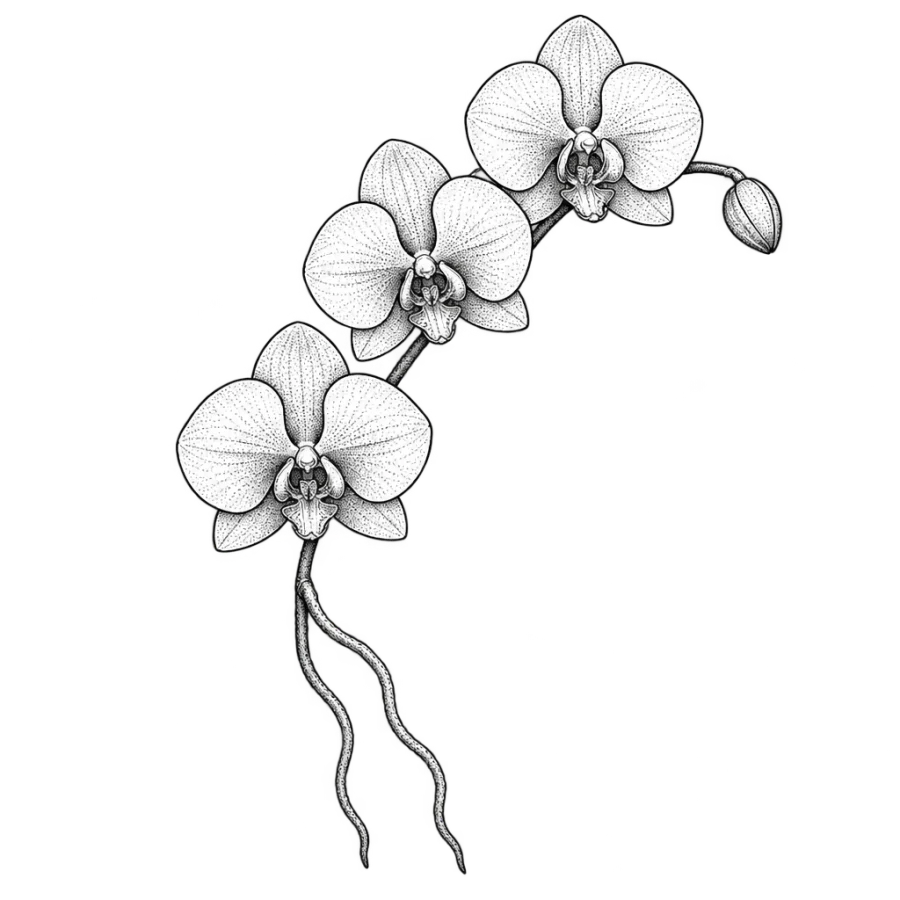
Orchid
An orchid tattoo is built from three petals, three sepals and one modified petal called the labellum, and the labellum is what people recognize.
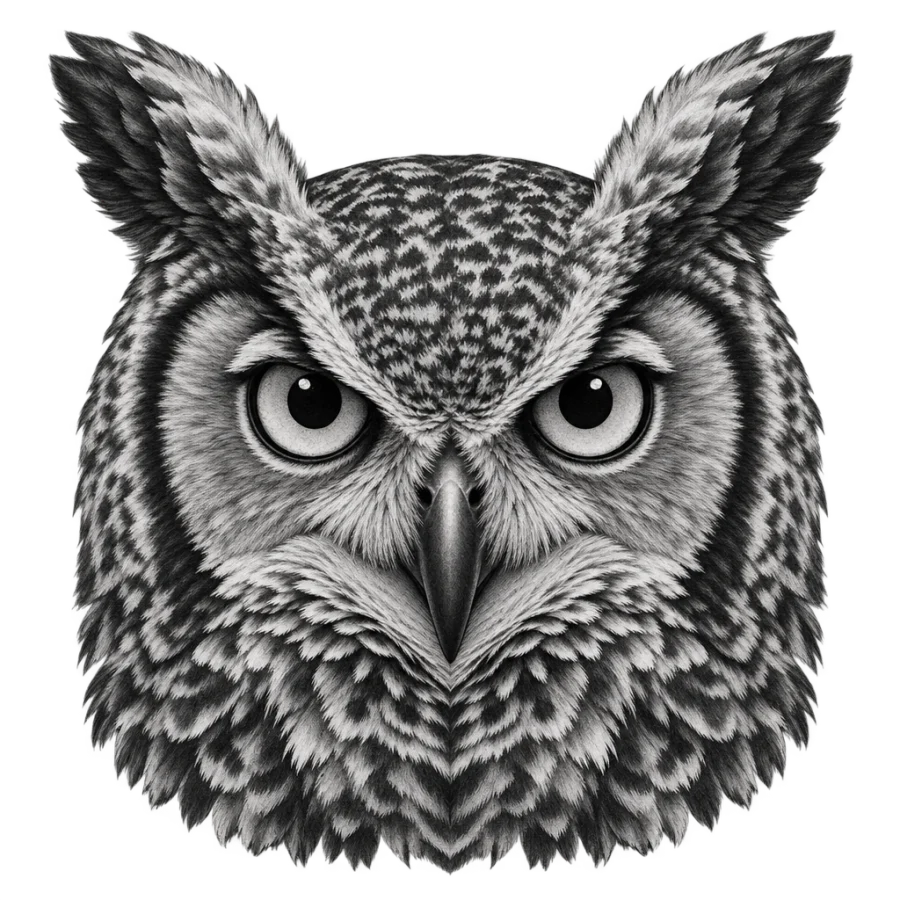
Owl
An owl is two eyes and a great deal of feather texture, so the design lives or dies on whether the piece is big enough to carry both.
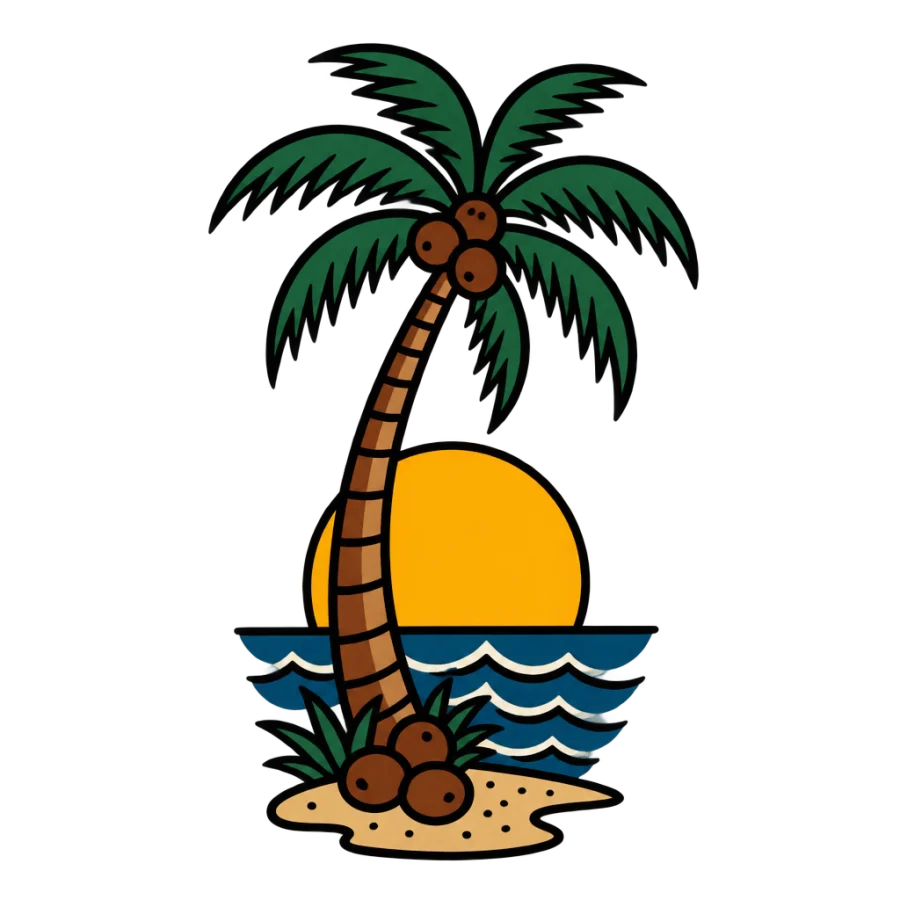
Palm tree
A palm tree tattoo lives or dies on the fronds, because leaflets drawn too fine turn into a soft grey wedge within a few years.
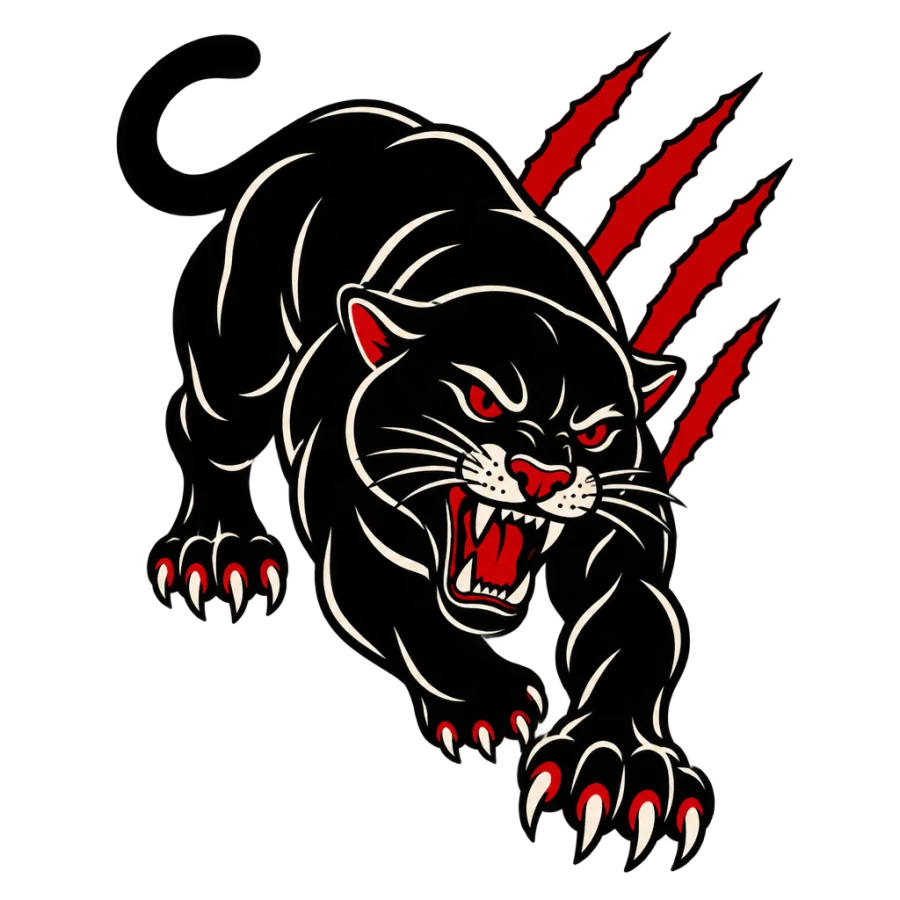
Panther
The crawling panther tattoo has been drawn in roughly the same pose since the 1930s, and the reason is the amount of solid black in it.
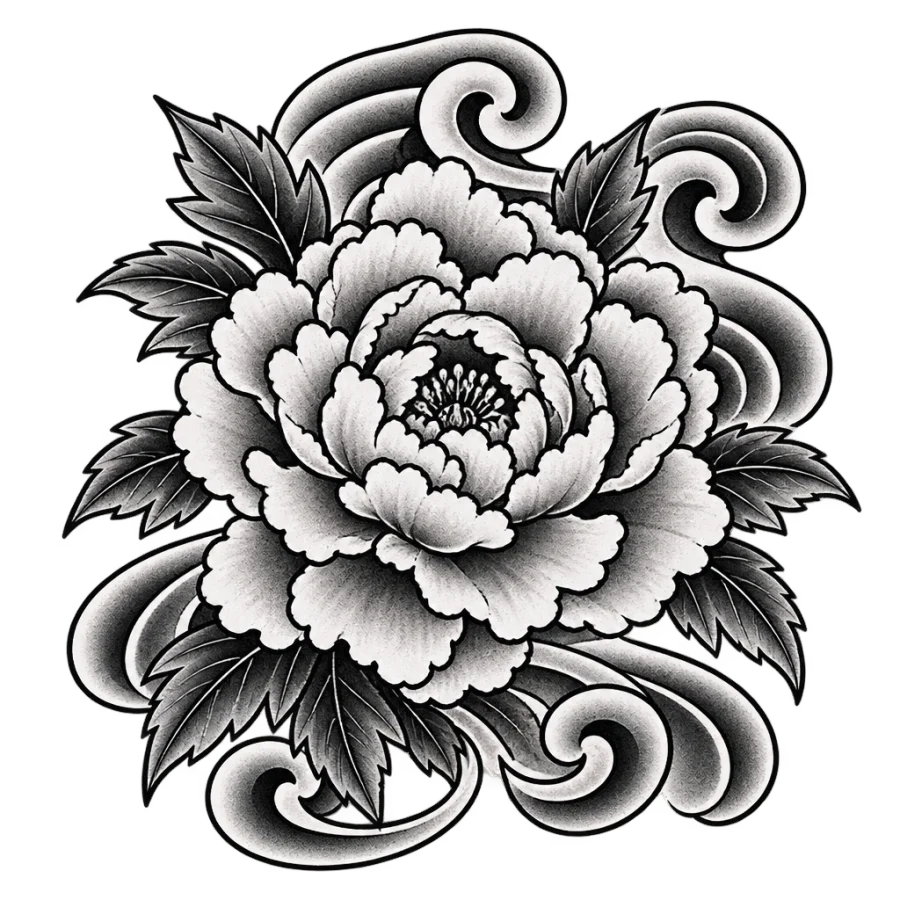
Peony
In Japanese tattooing the peony is the king of flowers, and the whole design rests on whether the ruffled petal layers stay separate as the ink settles.
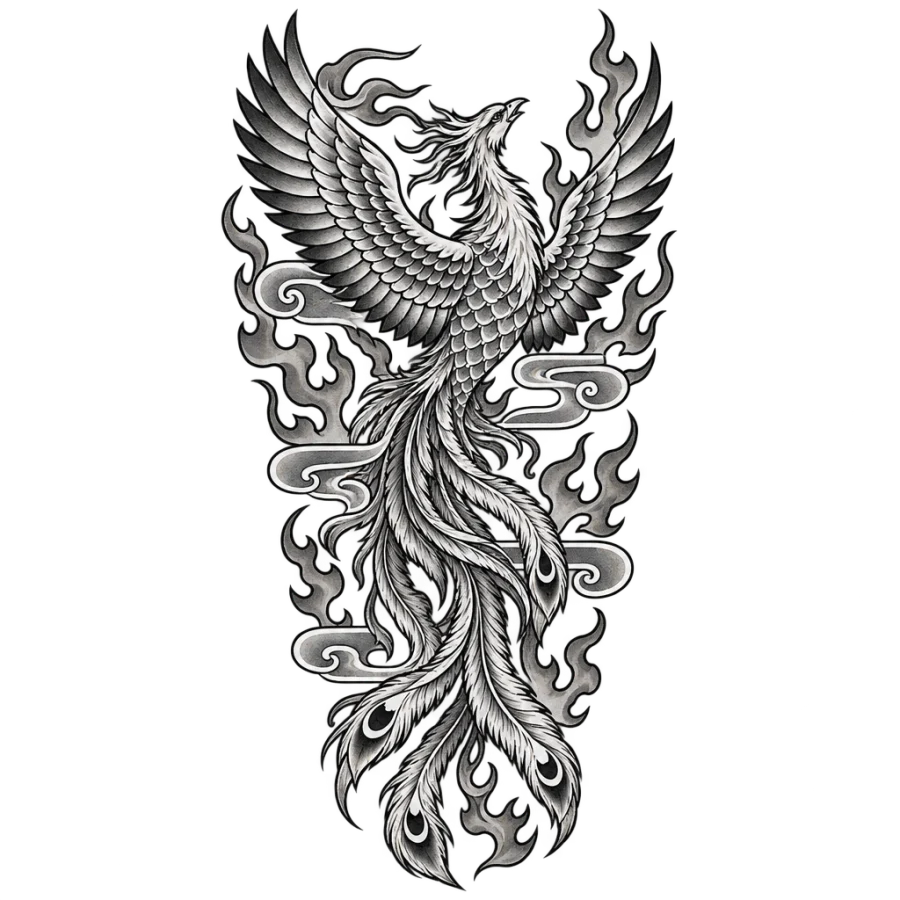
Phoenix
The rising from ashes story belongs to one bird out of three that share the name, and picking the right one changes the entire drawing.
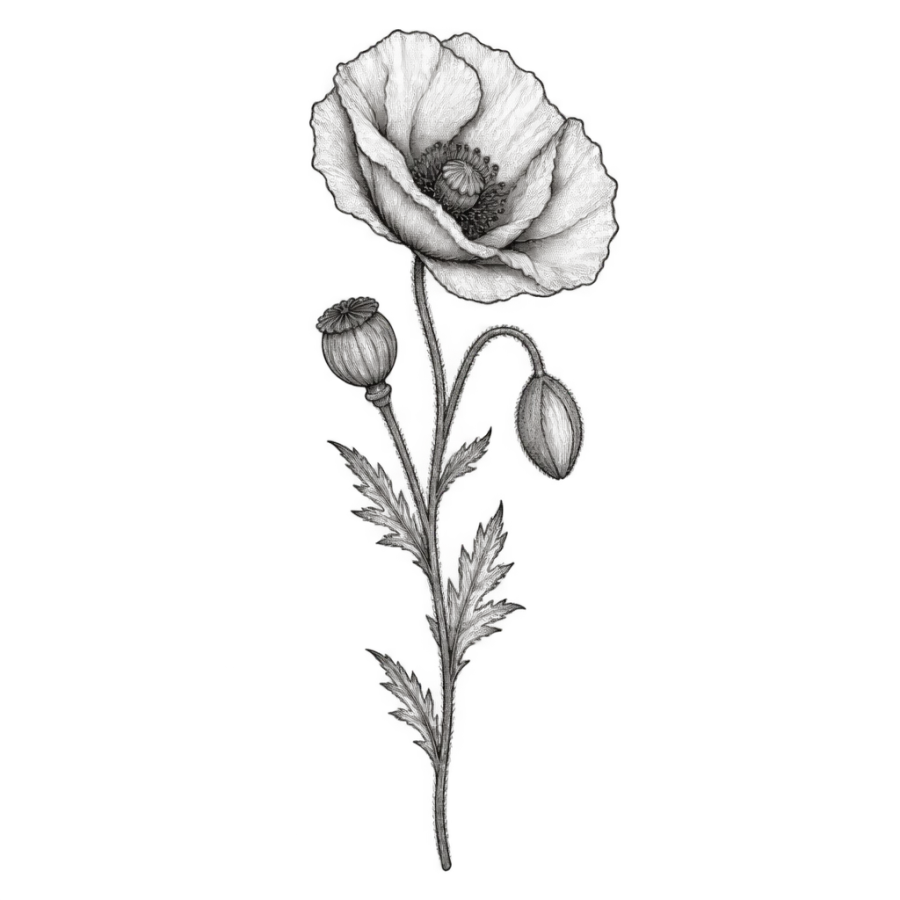
Poppy
Three different flowers get tattooed as a poppy tattoo, and the remembrance poppy, the California poppy and the botanical seed pod mean three separate things.
Raven
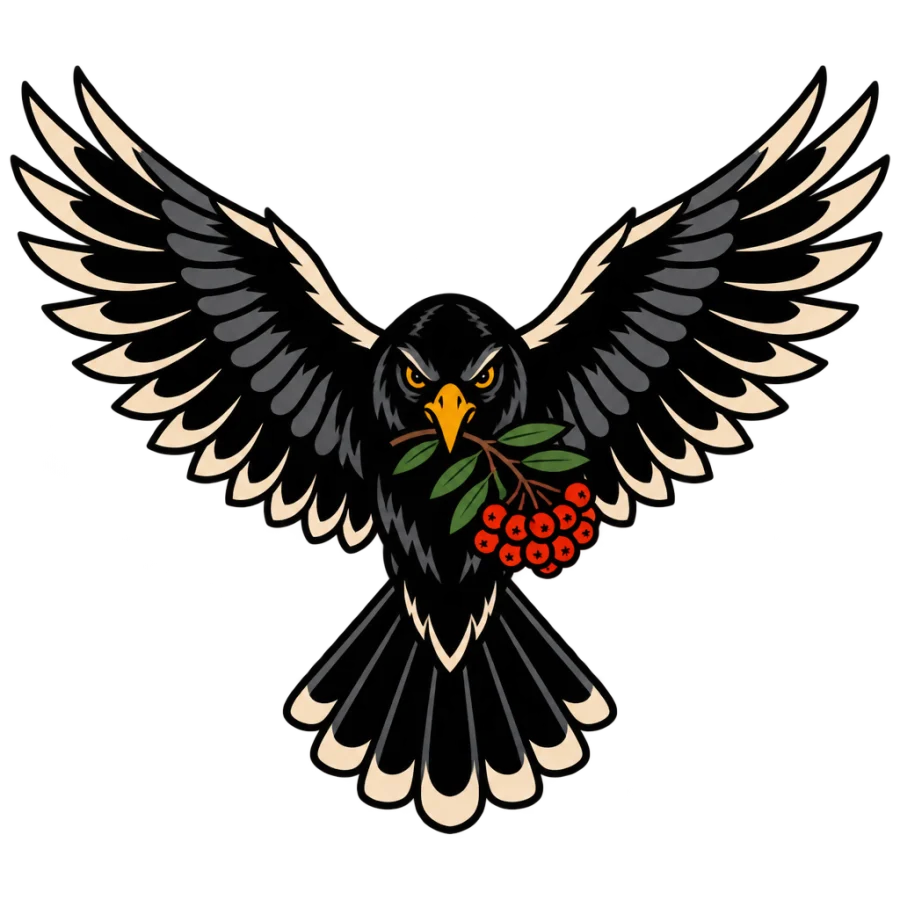
A raven tattoo asks an artist to draw a solid black bird without losing the feathers, and that single conflict decides every other choice.
Rosary
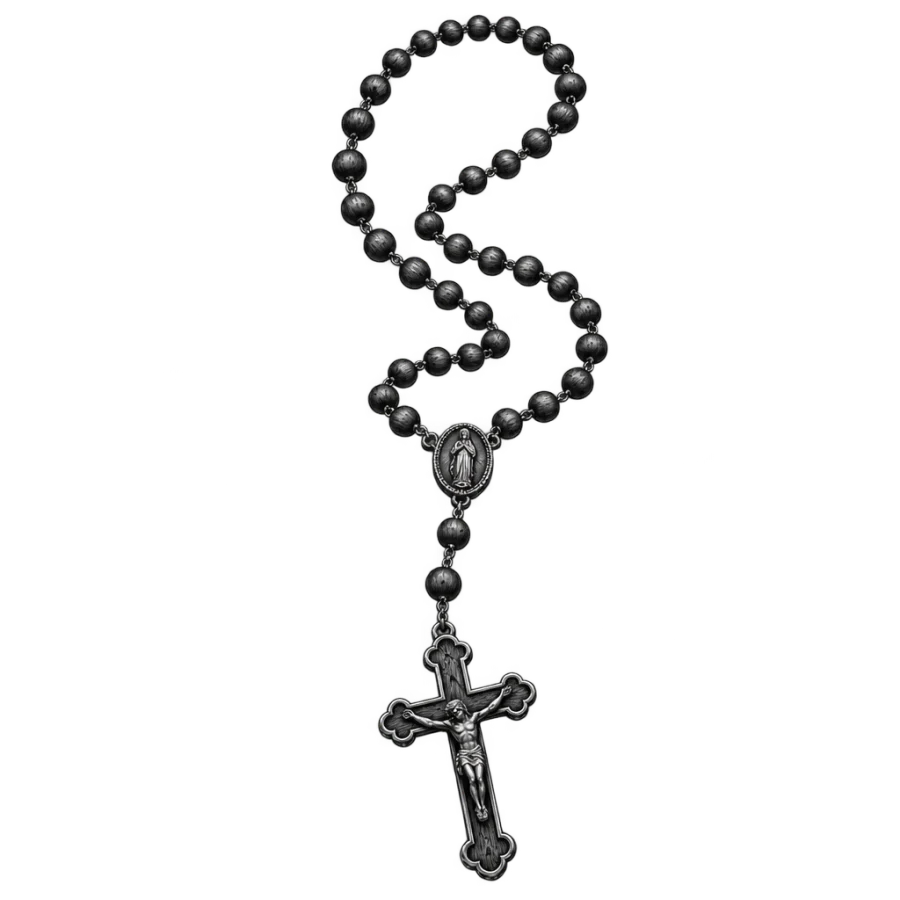
Most rosary tattoos get the bead count wrong, and the count is the structure of the object, so it is the first thing to settle with your artist.
Rose
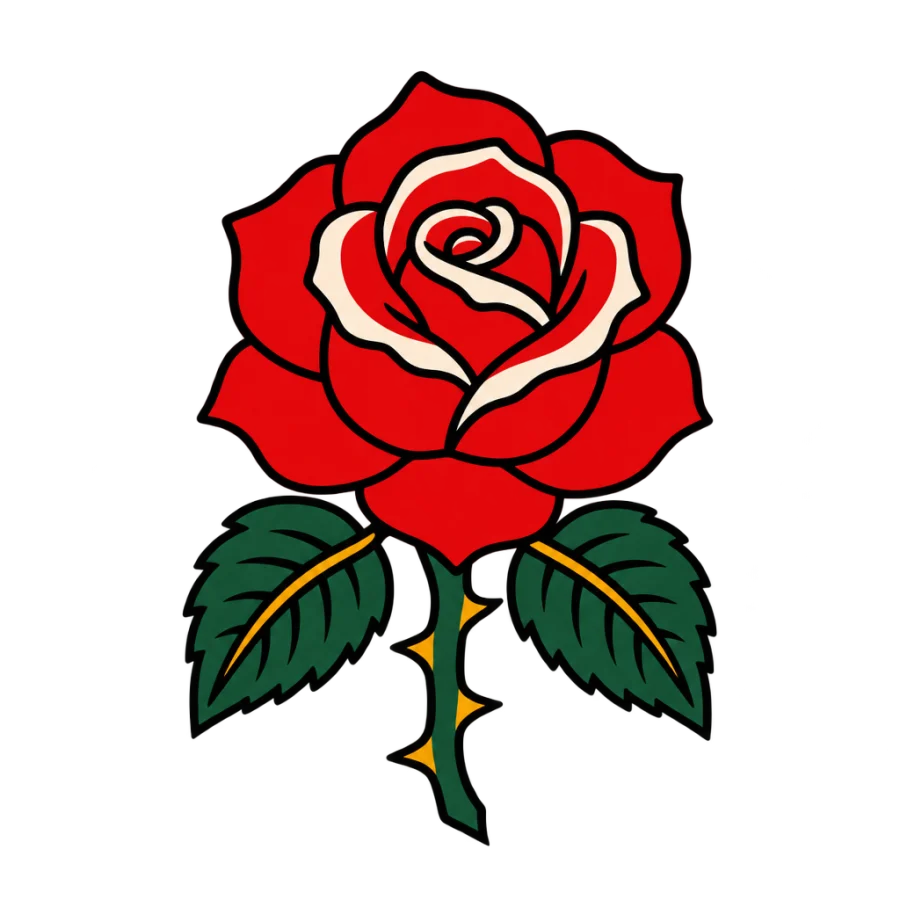
A traditional rose is one of the very few tattoos that still looks correct at thirty years old, which is why artists keep drawing the same one.
Samurai
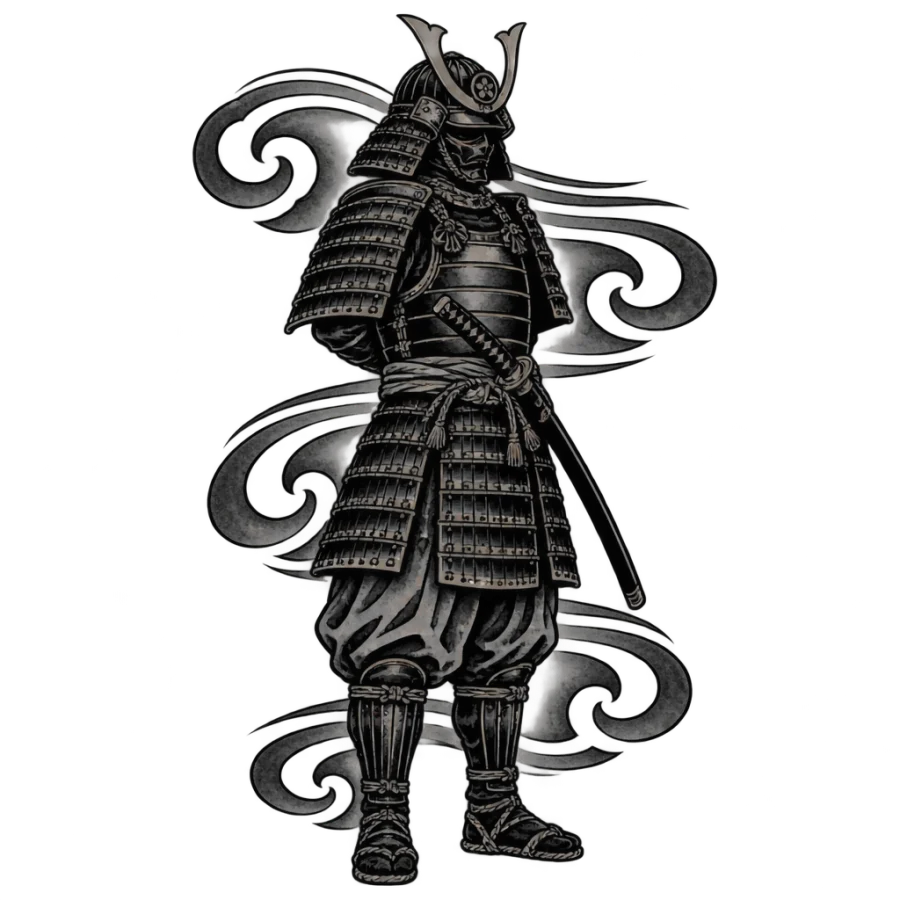
A samurai tattoo is a large piece in a specific tradition, so the first decision is which part you want: helmet, mask, or the whole figure.
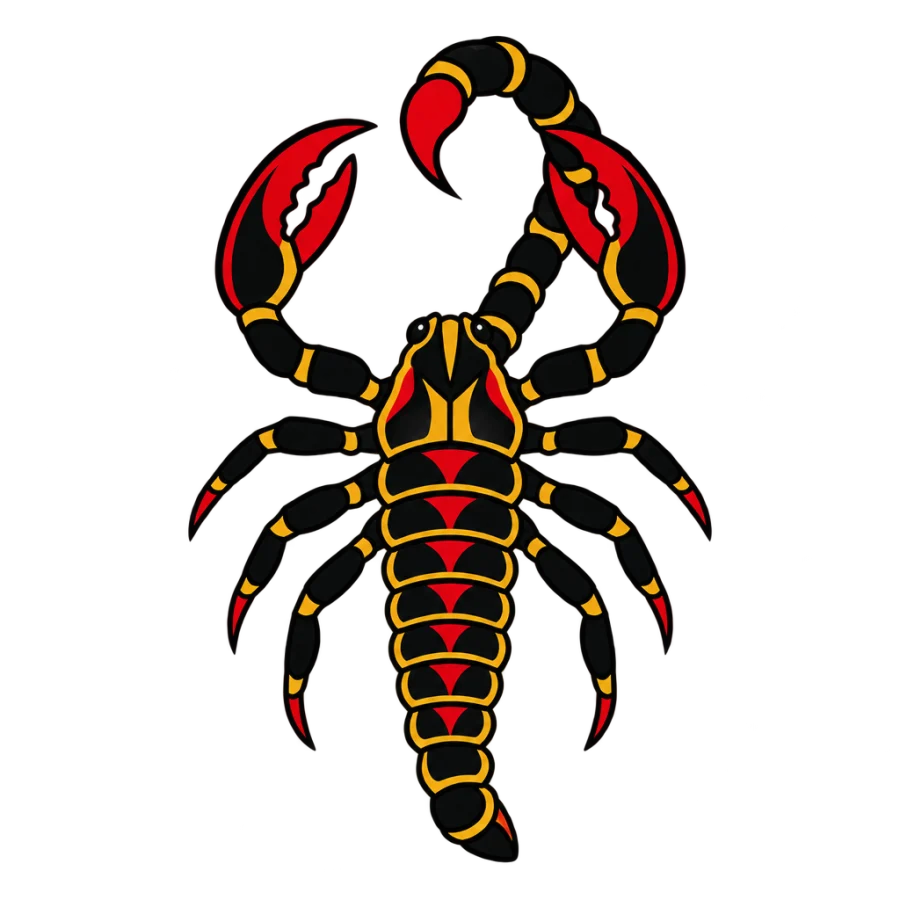
Scorpion
A scorpion is one of the few animals that reads instantly as a silhouette, which makes it one of the best subjects for solid black work.
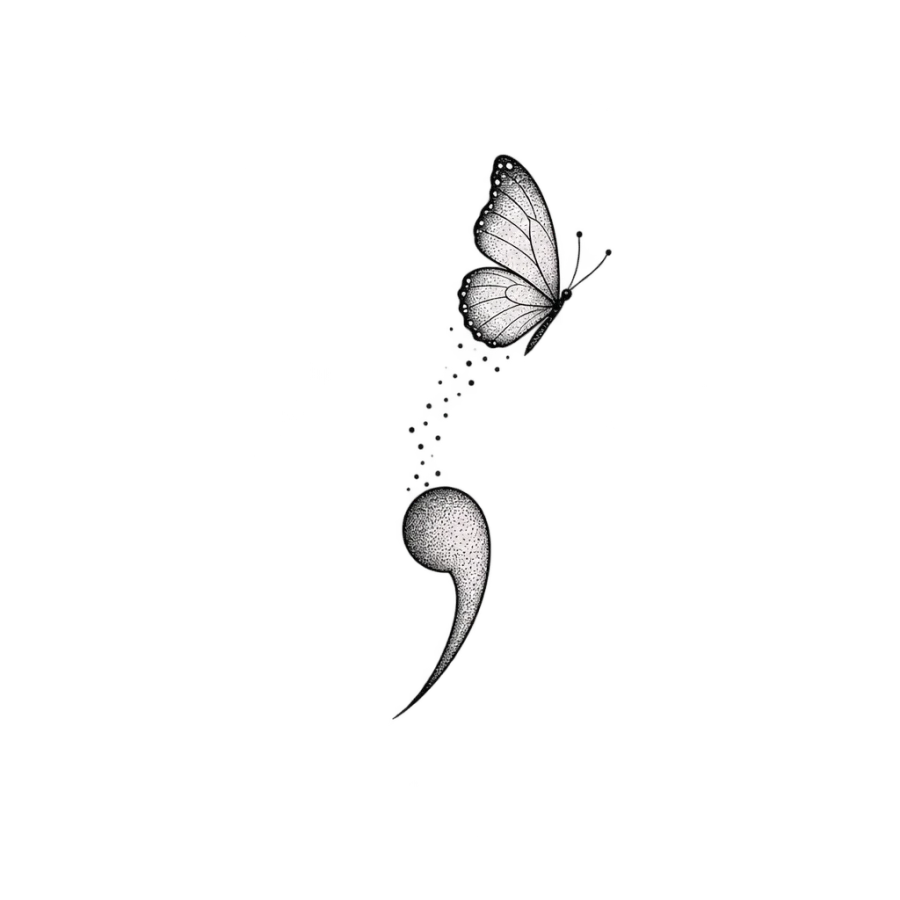
Semicolon
A semicolon is a punctuation mark an author uses when a sentence could have ended and they kept writing, and that is the whole of the meaning.
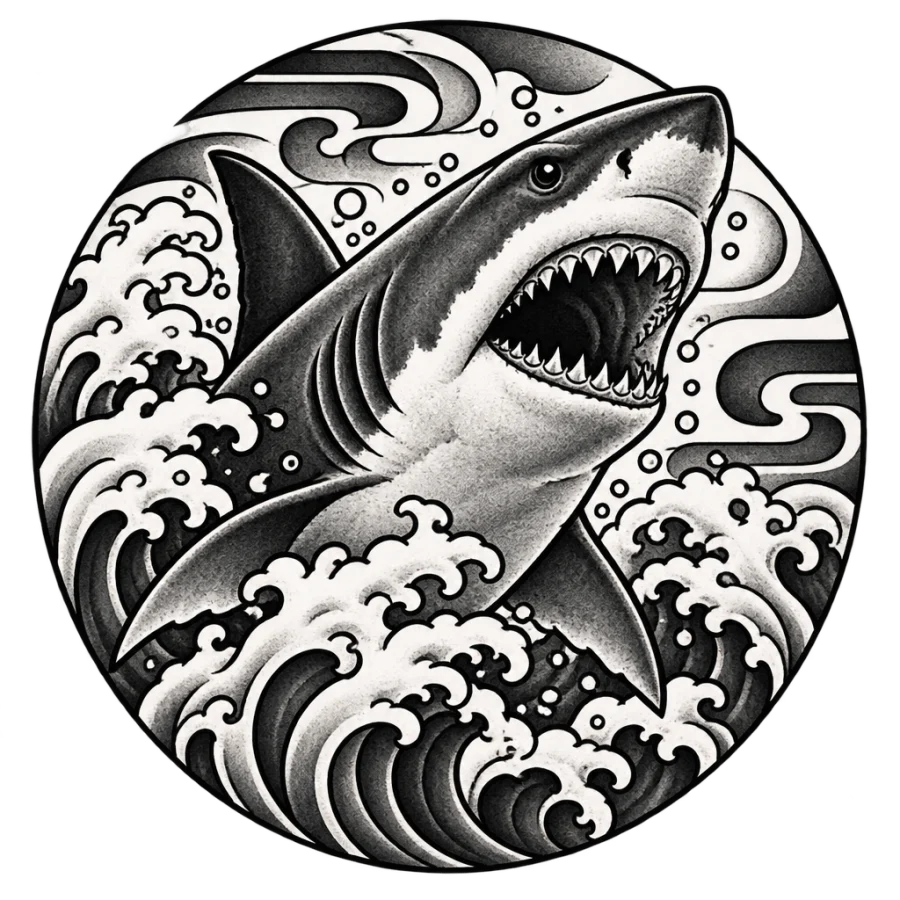
Shark
A shark tattoo reads as a specific animal or as a generic fish, and the difference is nothing more than the snout, the gill slits and the tail.
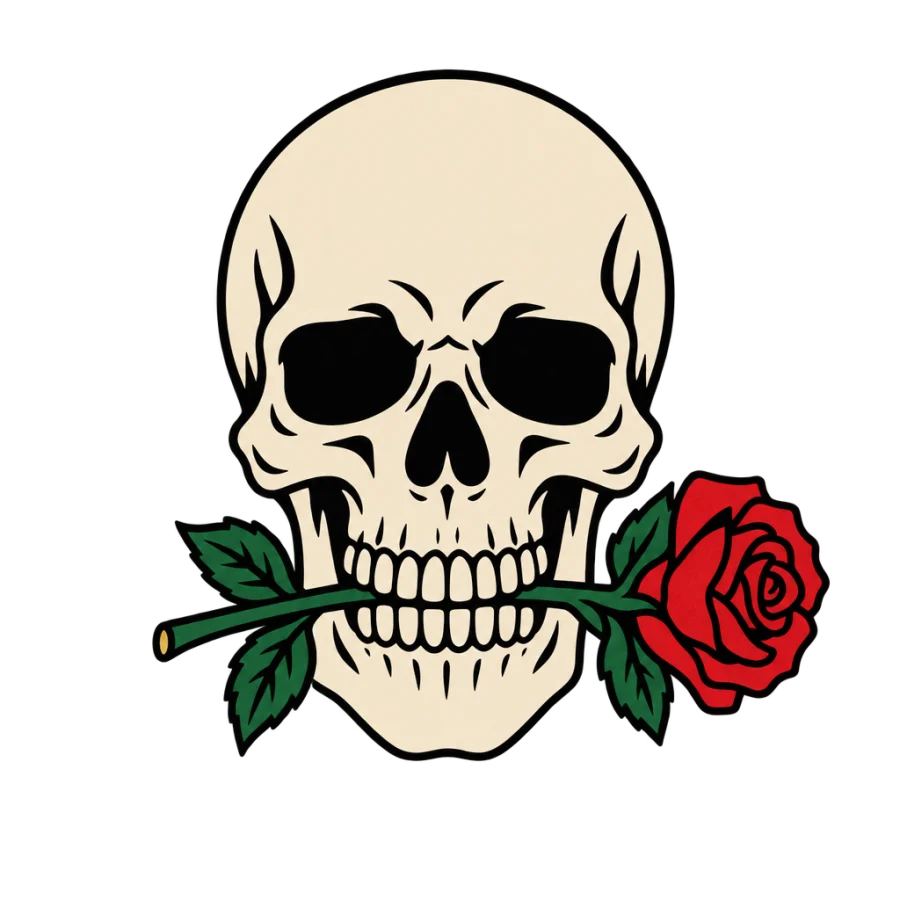
Skull
A skull is a thing you can look up, which means every viewer knows what it should look like even if they could not draw one themselves.
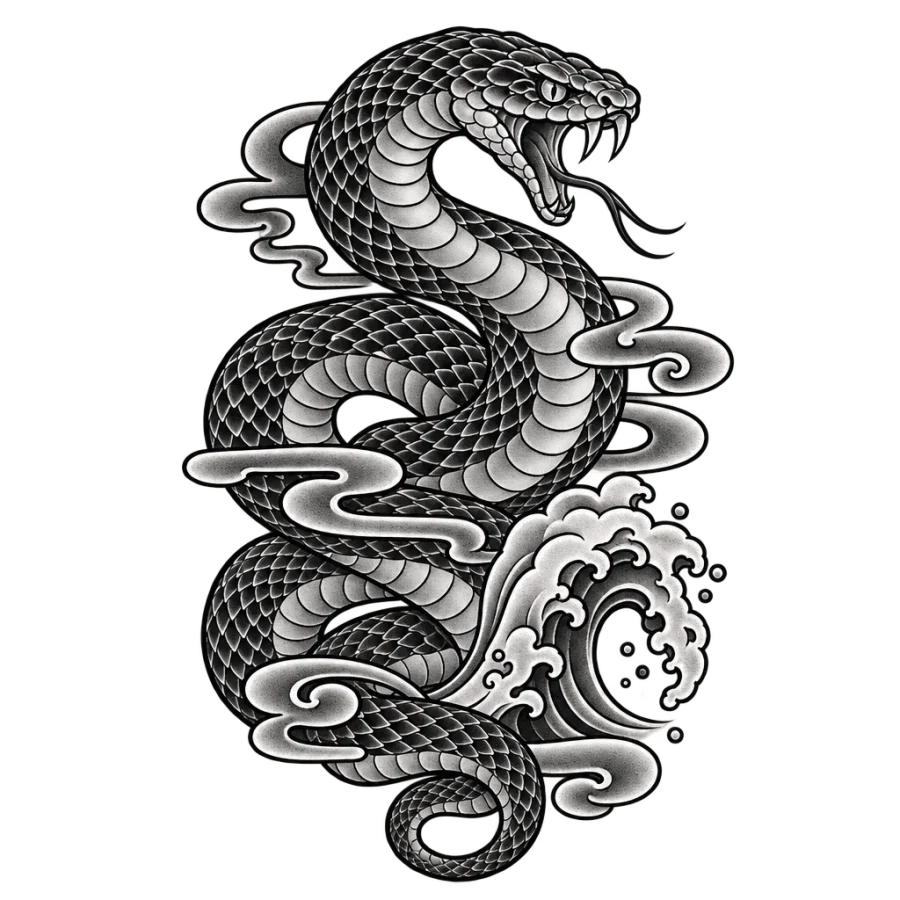
Snake
Snakes fit bodies better than almost any other subject, because a snake is a long flexible line and a limb is a long flexible surface.
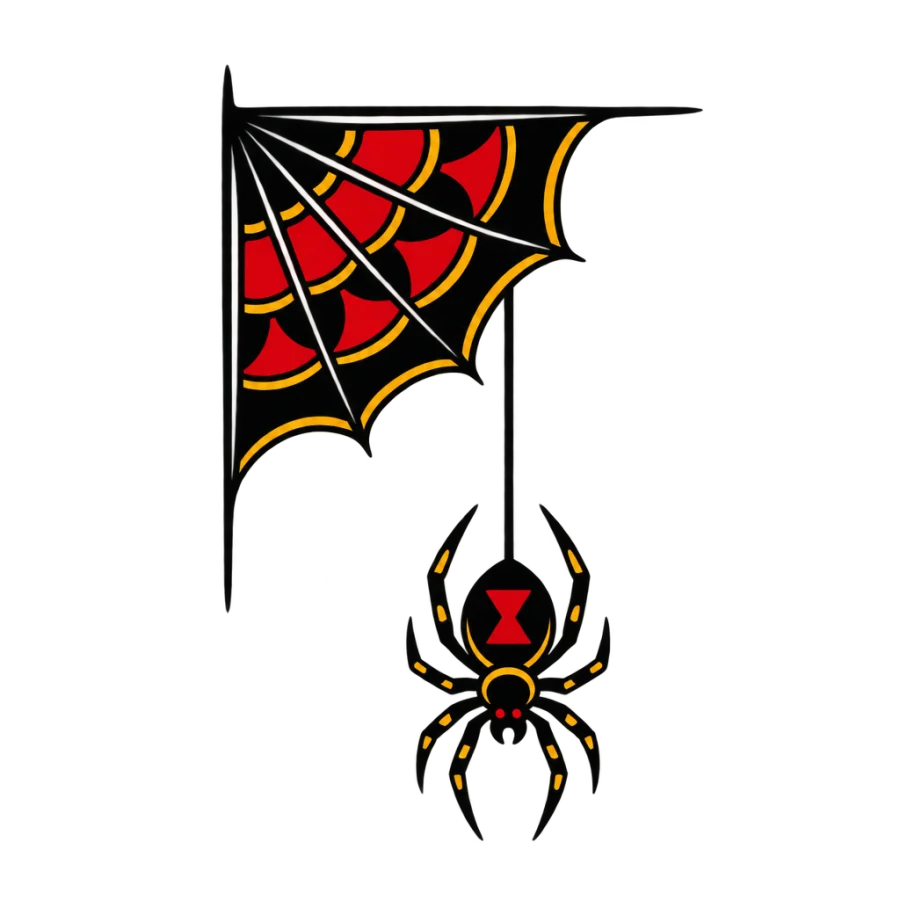
Spider web
A spider web is old traditional flash and it also carries prison meanings, including a racist one in some regions, so read this before you book it.
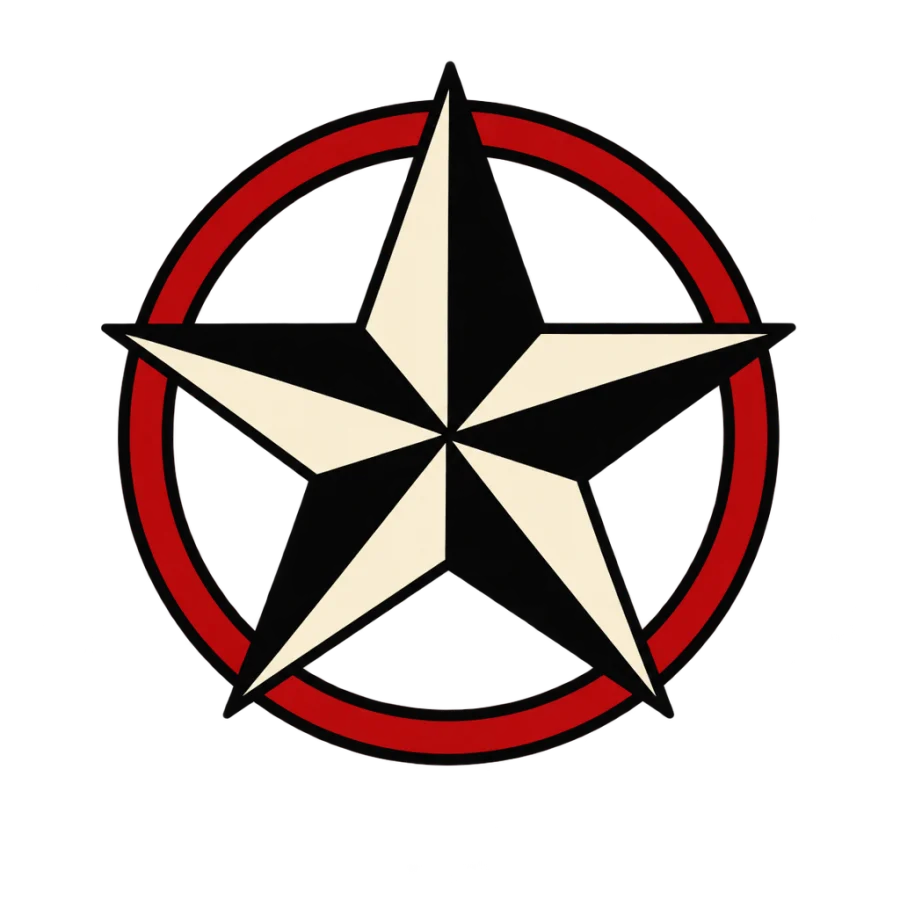
Star
A star is the smallest shape that still reads clearly on skin, which is why it turns up on wrists, fingers and elbows more than almost anything else.
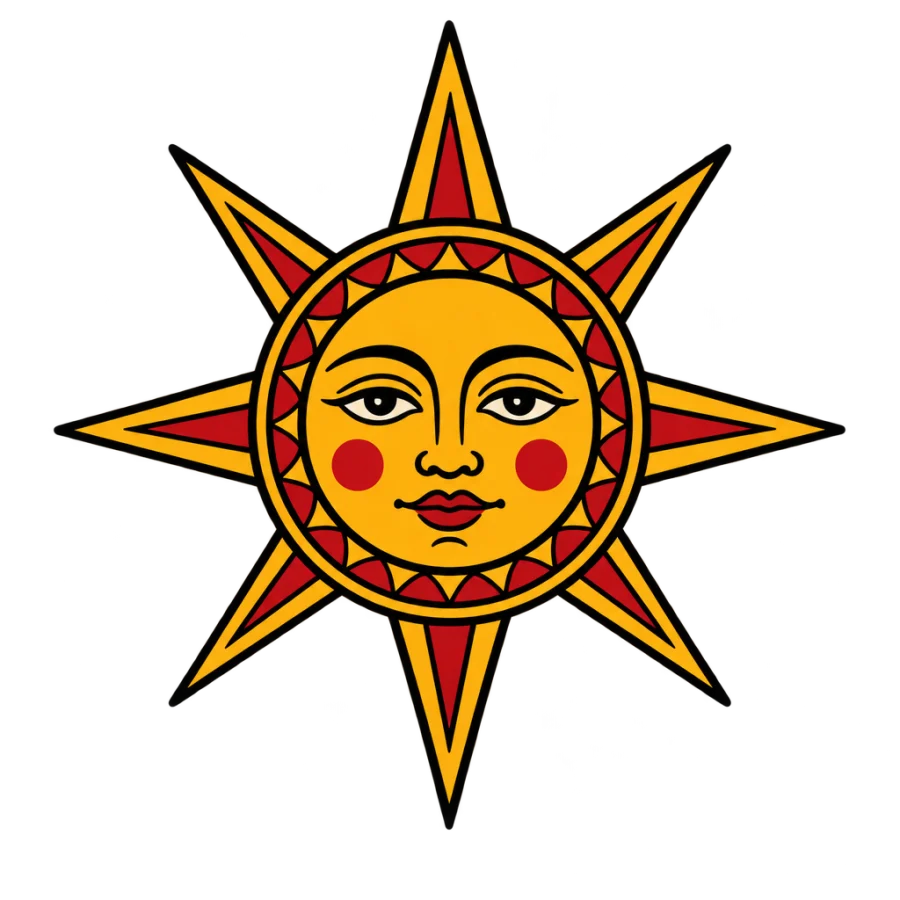
Sun
A sun is a circle with things coming out of it at regular intervals, which makes spacing the single thing that decides whether it looks right.
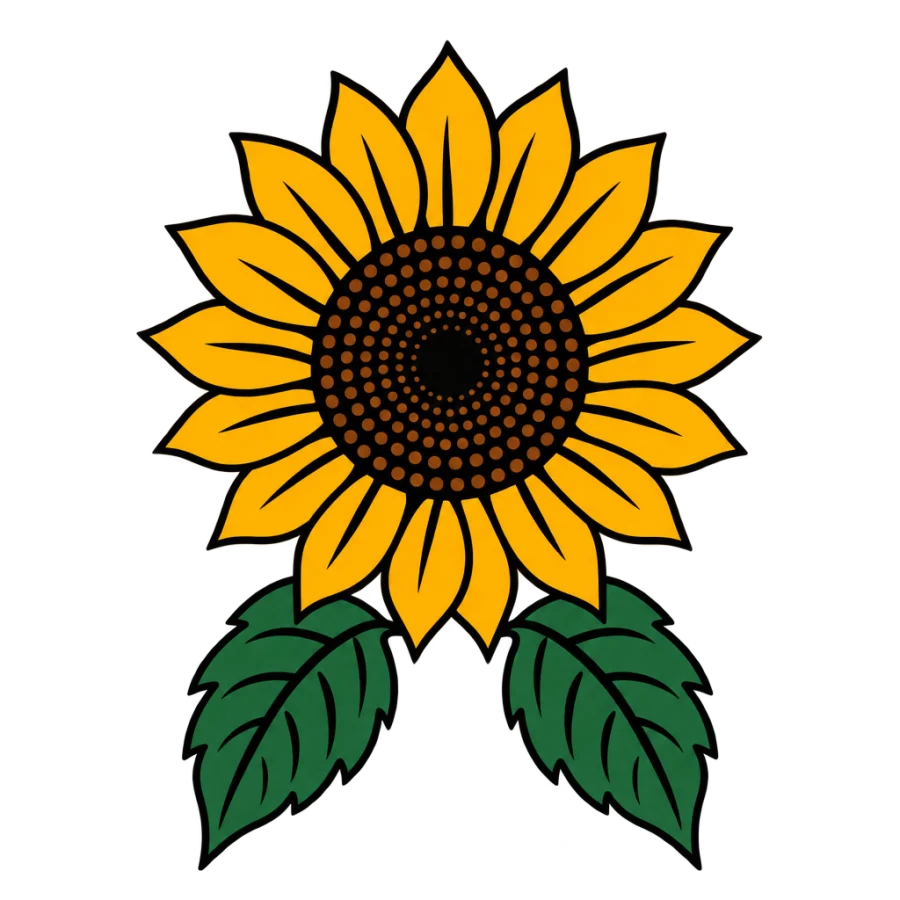
Sunflower
Sunflowers do not follow the sun all their lives. Young buds track it, and once the flower opens the head settles facing east and stays there.
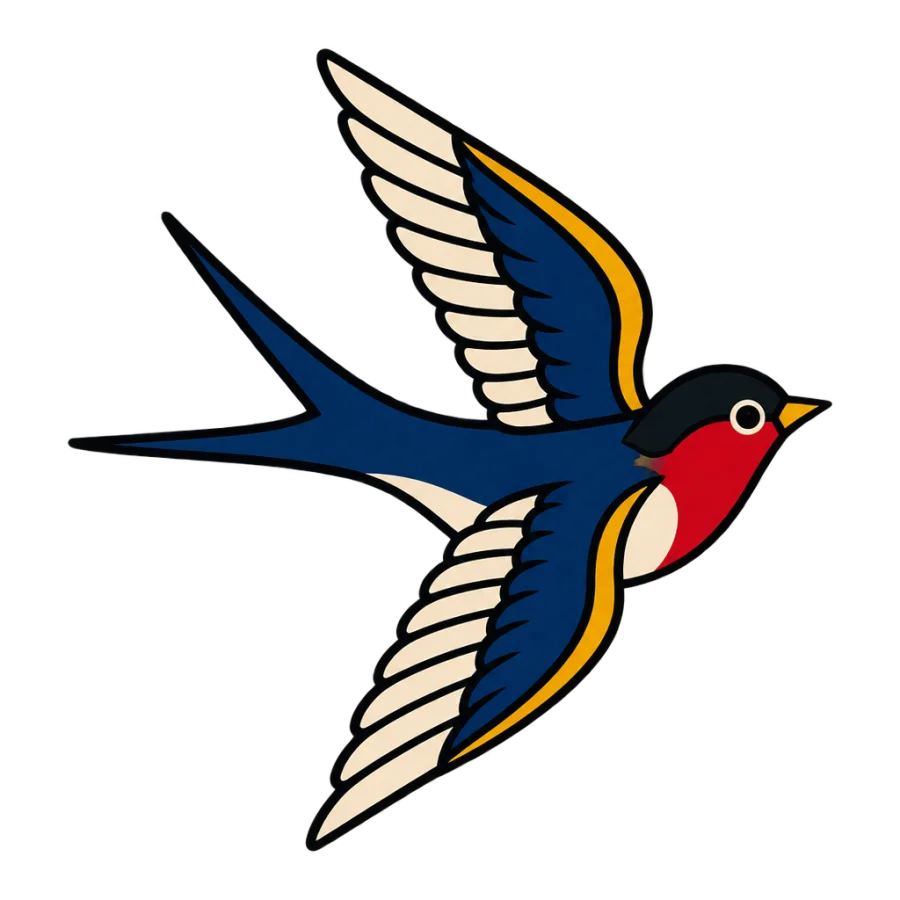
Swallow
A swallow tattoo counts sea miles in the old tradition, and the forked tail is the only thing that stops it looking like a sparrow.
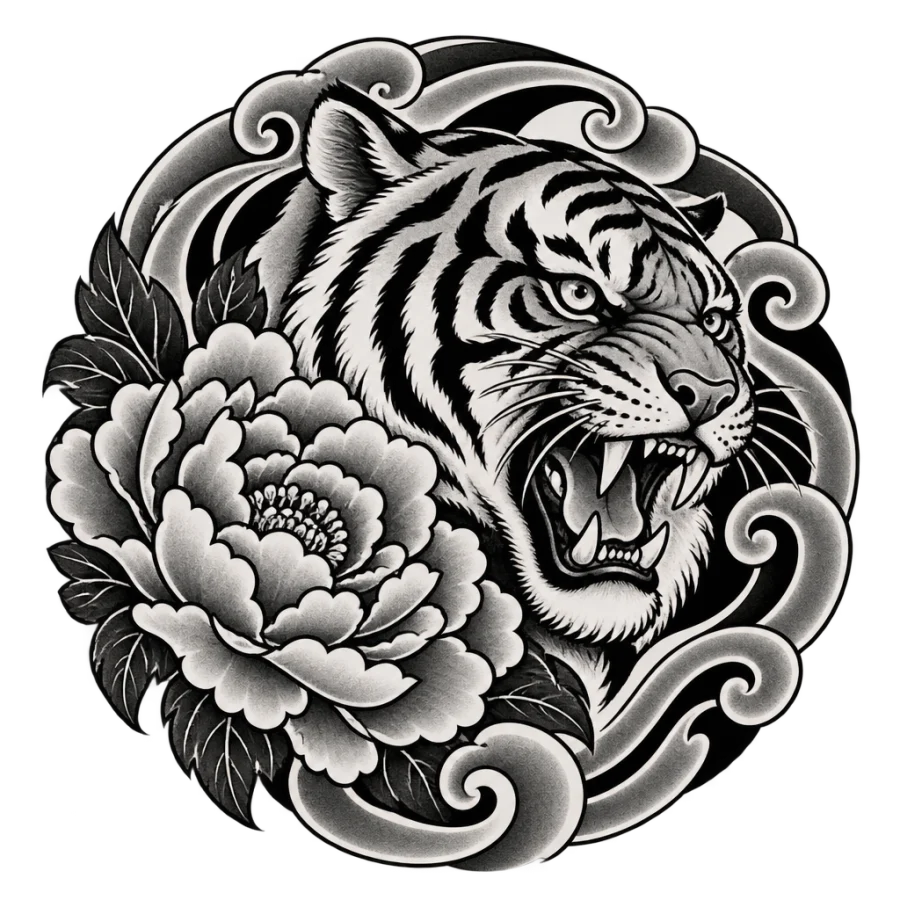
Tiger
A tiger tattoo is carried by its black stripes, since the orange around them is the least stable color anyone will put in your skin.

Tree of life
Several unrelated traditions ended up sharing the name tree of life, and the version most people picture is the newest of them by centuries.
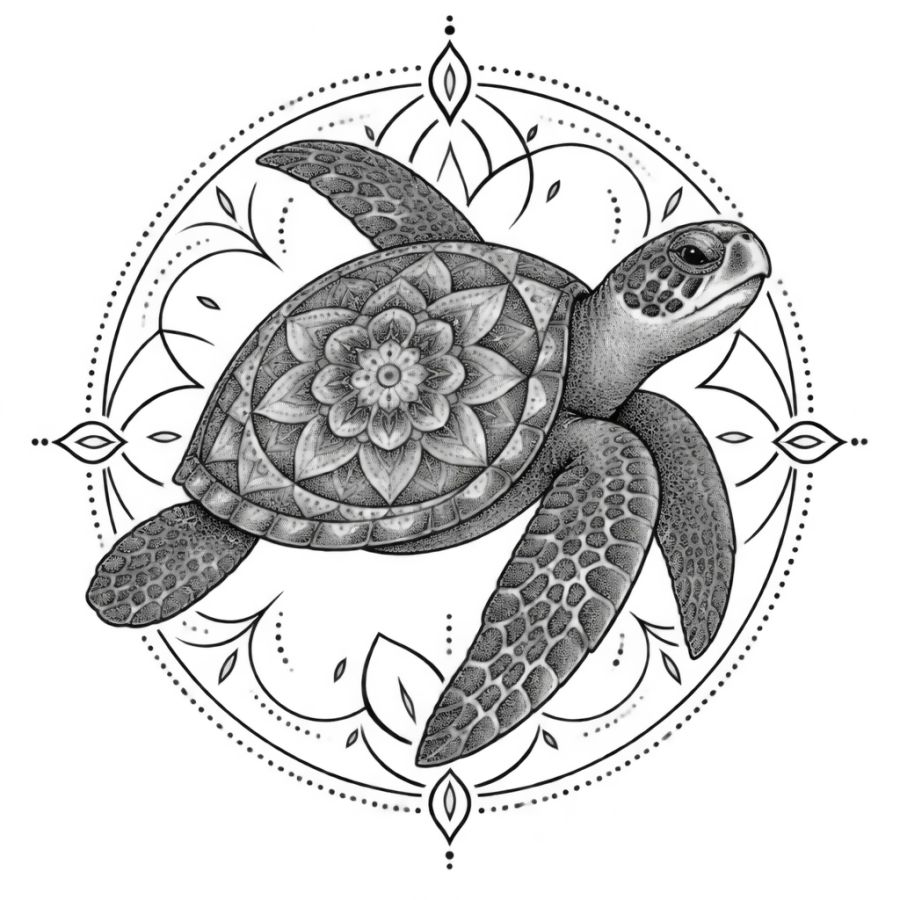
Turtle
A turtle tattoo is really a shell design, since the plates on the back give an artist a natural grid that almost no other animal provides.
Vine
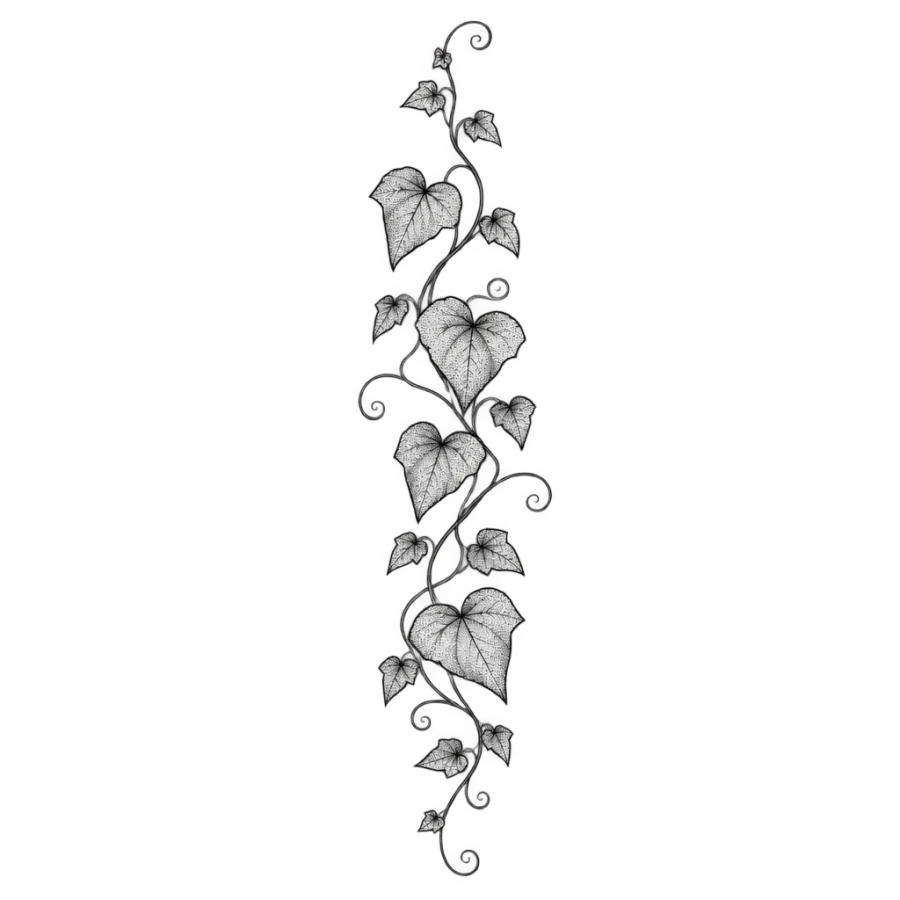
A vine tattoo is mostly a route, so the first question is where the line goes on your body, and only then which leaf sits on it.
Wave
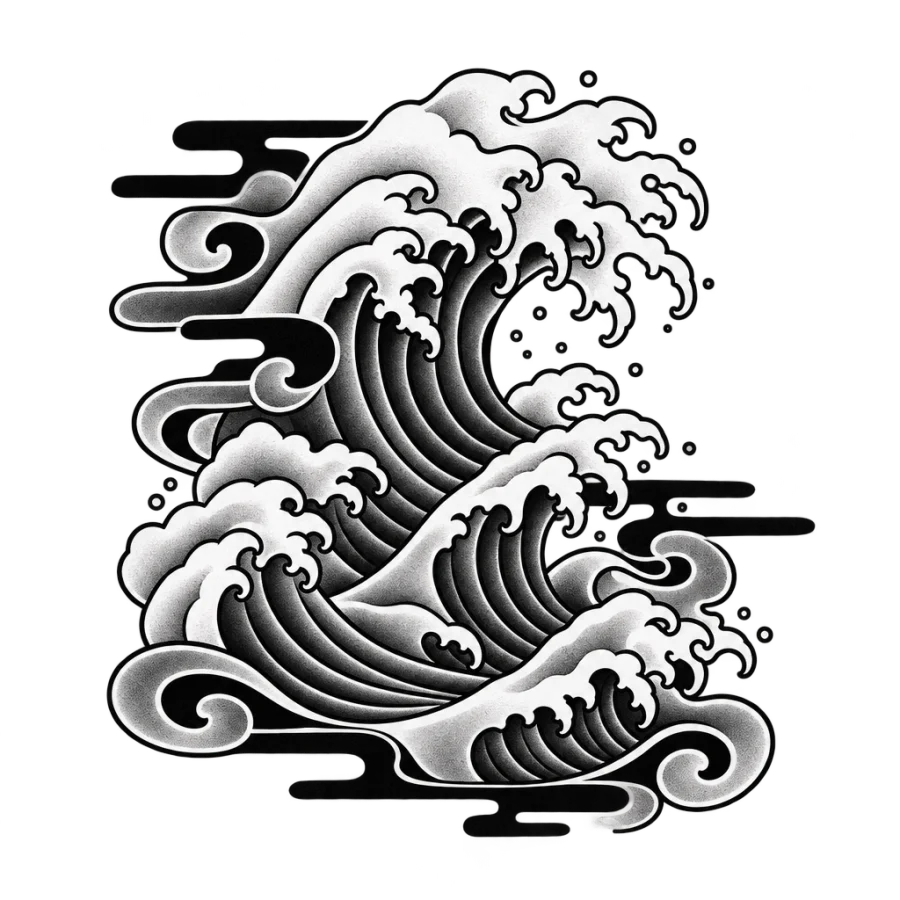
Almost every wave tattoo in a Western shop descends from one print made around 1831, and knowing that helps you ask for what you actually want.
Wolf
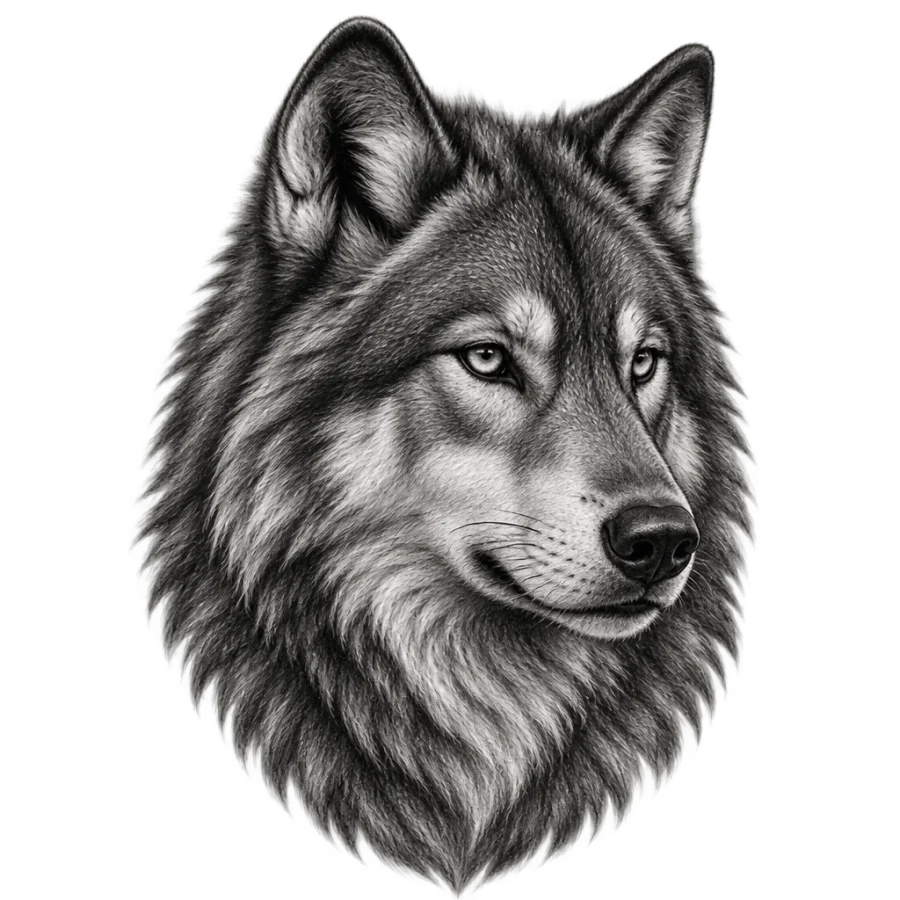
Most wolf tattoos are about loyalty or independence, and one of those two ideas rests on a piece of science that was withdrawn decades ago.