Where your tattoo goes changes everything
Pain, sizing, healing and design shape for sixteen placements, with designs shaped to fit each area of the body.
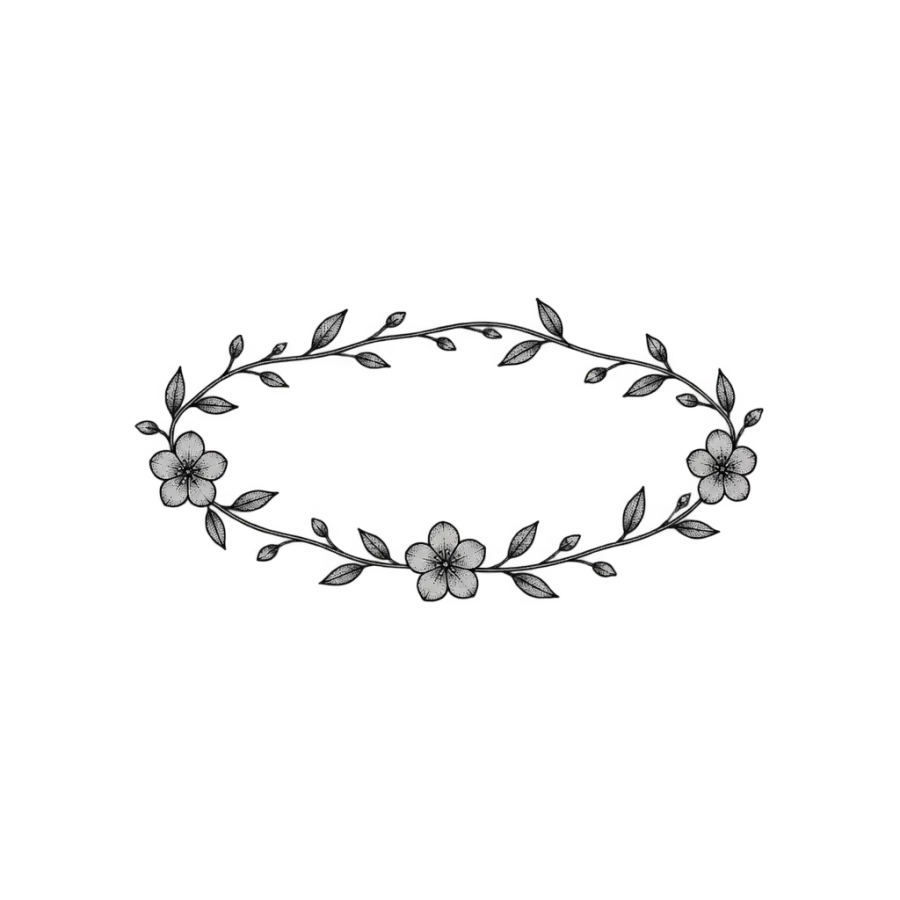
Ankle
An ankle tattoo is small, quick and bony: expect a 6 to 7 out of 10, sock friction while it heals, and a design that has to wrap.

Armband
An armband looks like the simplest tattoo you can get, until you realise it has to travel all the way around a limb that changes width as it goes.
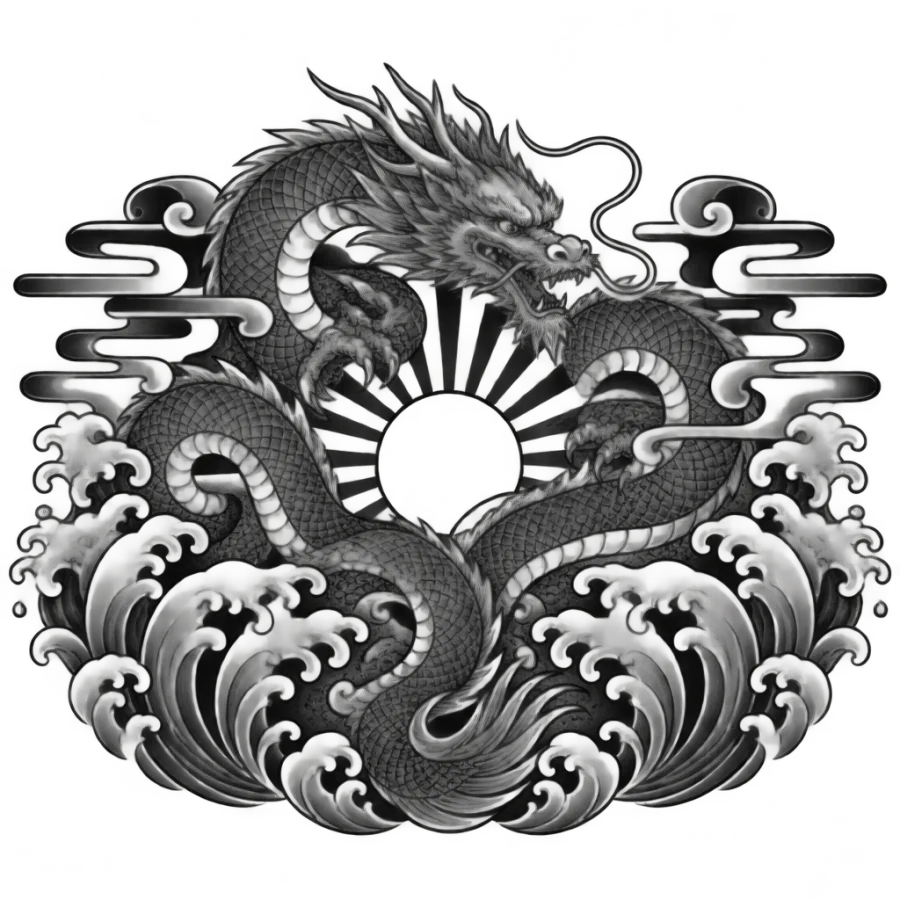
Back
The back is the biggest canvas you have, hidden by every shirt, and the only place a full scene fits at a readable size.
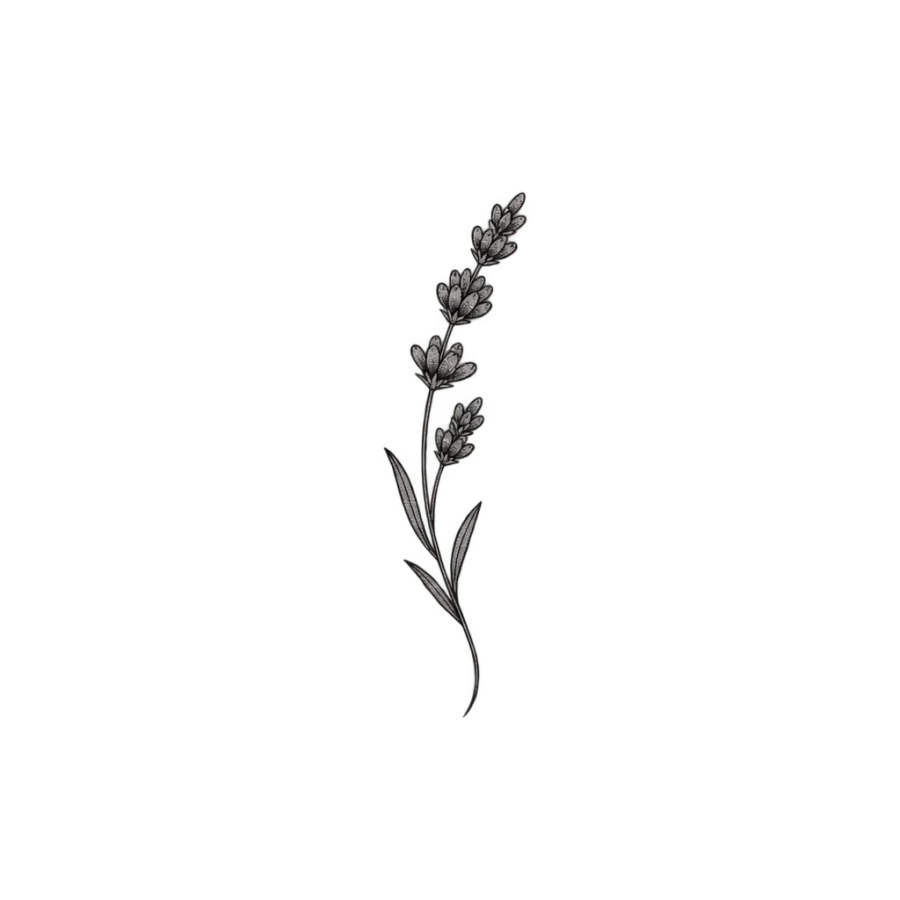
Behind the ear
Behind the ear is a tiny curved spot over bone: quick to tattoo, easy to hide under hair, and unforgiving of fine detail.

Bicep
The bicep gives you a tall panel that hides under a t-shirt sleeve, with easy pain on the outside and a much harder sit on the inner arm.
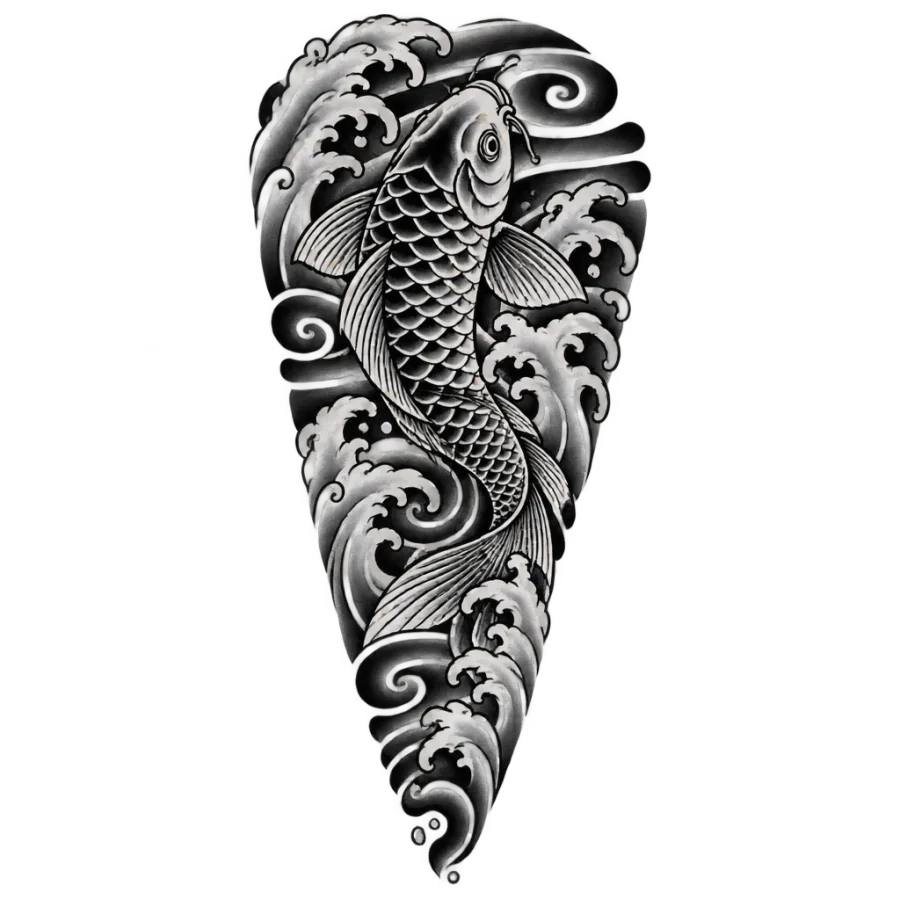
Calf
The calf takes ink cleanly, sits at a comfortable 4 to 5 out of 10, and swells more than any other placement while it heals.
Chest
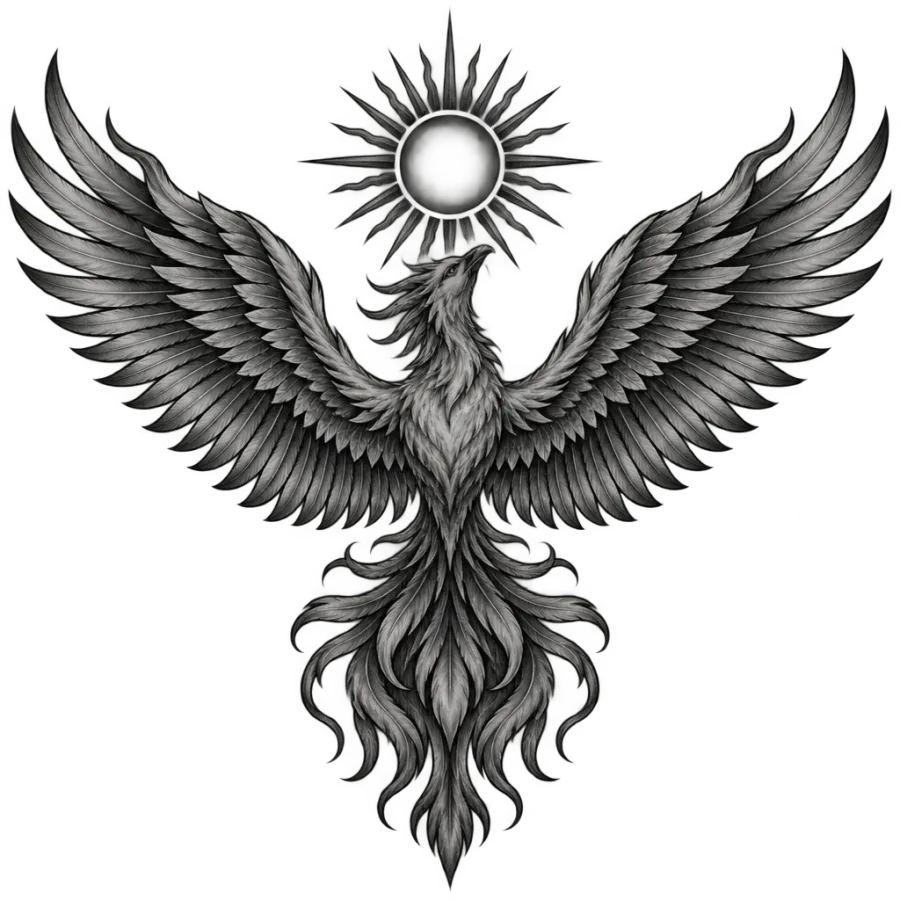
The chest gives you the widest symmetrical canvas on the body, hidden by any shirt, at the cost of a bony sternum that most people rate an eight.

Elbow
The elbow is the worst combination on the body: bone on one side, a nerve and thin skin on the other, and a joint that moves all day while it heals.

Finger
Finger tattoos are cheap, quick and the fastest fading ink on the body, so keep them bold, simple and plan for touch ups.
Forearm
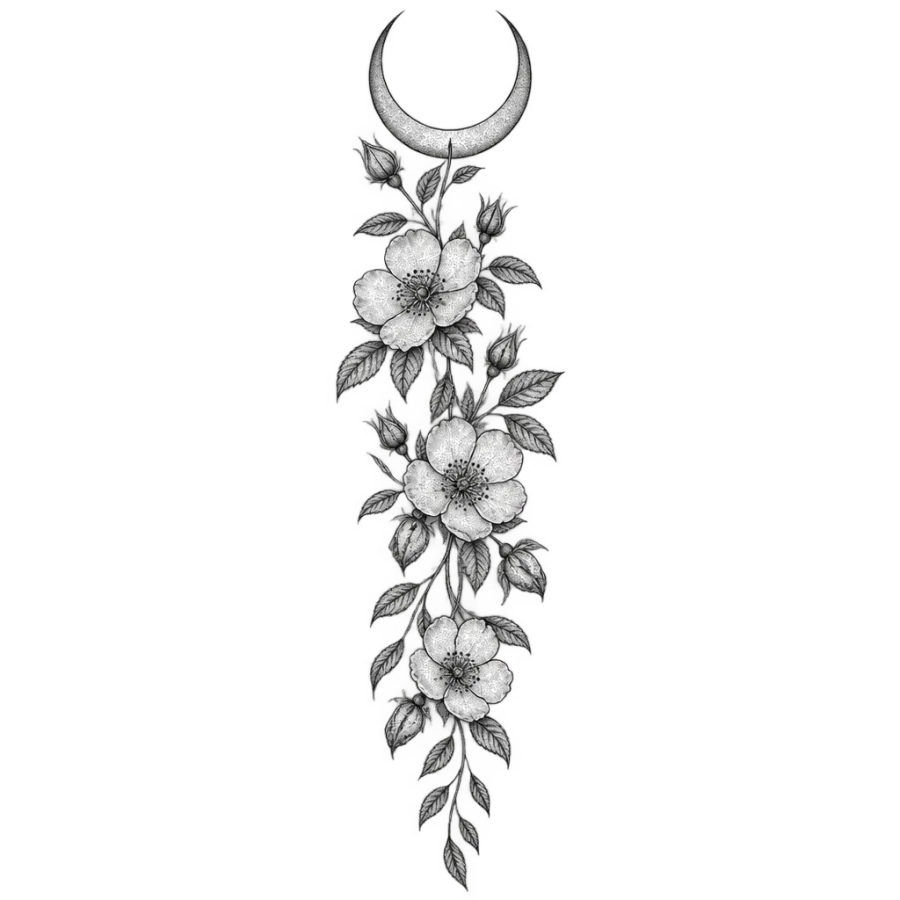
The forearm is the most popular tattoo placement for a reason: low pain, plenty of flat space, easy to show at will and easy to cover.

Hand
Hand tattoos hurt, fade faster than anywhere else on the body, and cannot be hidden, which is why many artists will talk you through it first.
Hip
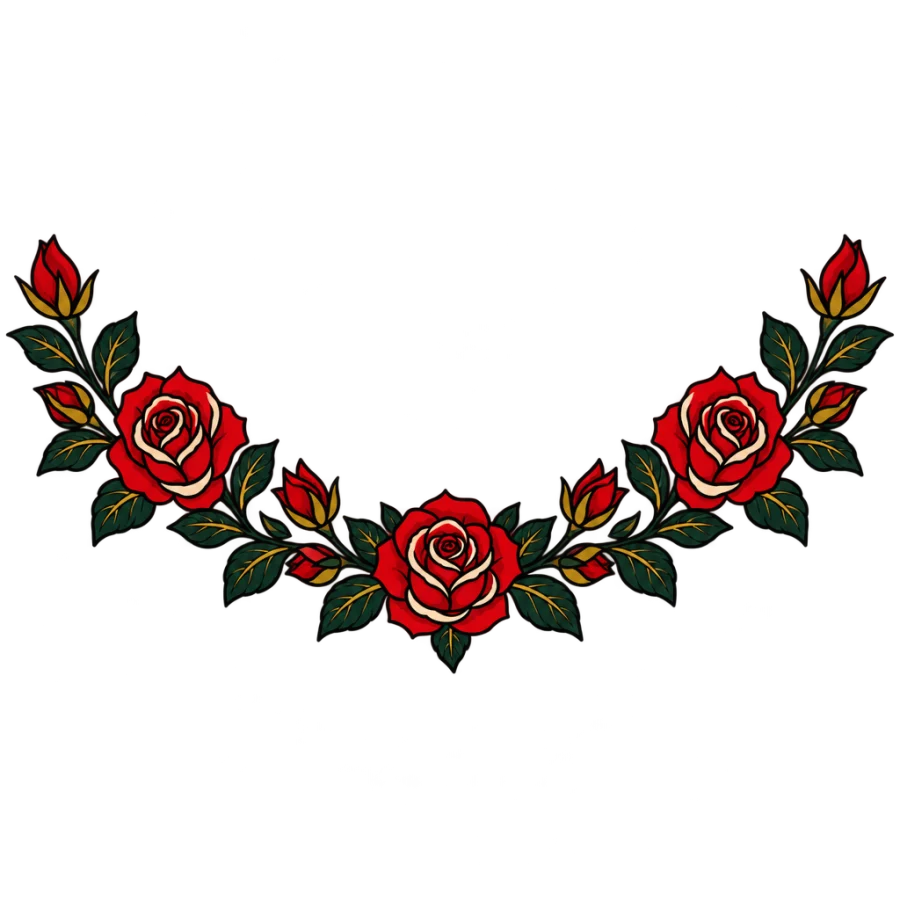
A hip tattoo covers two very different kinds of skin, hard bone at the front and soft flesh behind it, and the pain changes as the artist moves.

Knuckles
Knuckle tattoos are short, sharp and the hardest ink on the body to keep, so go bold, keep it simple and plan for touch ups.

Neck
A neck tattoo is one of the most visible and most painful placements, with the nape offering the only flat, coverable panel on it.
Ribs
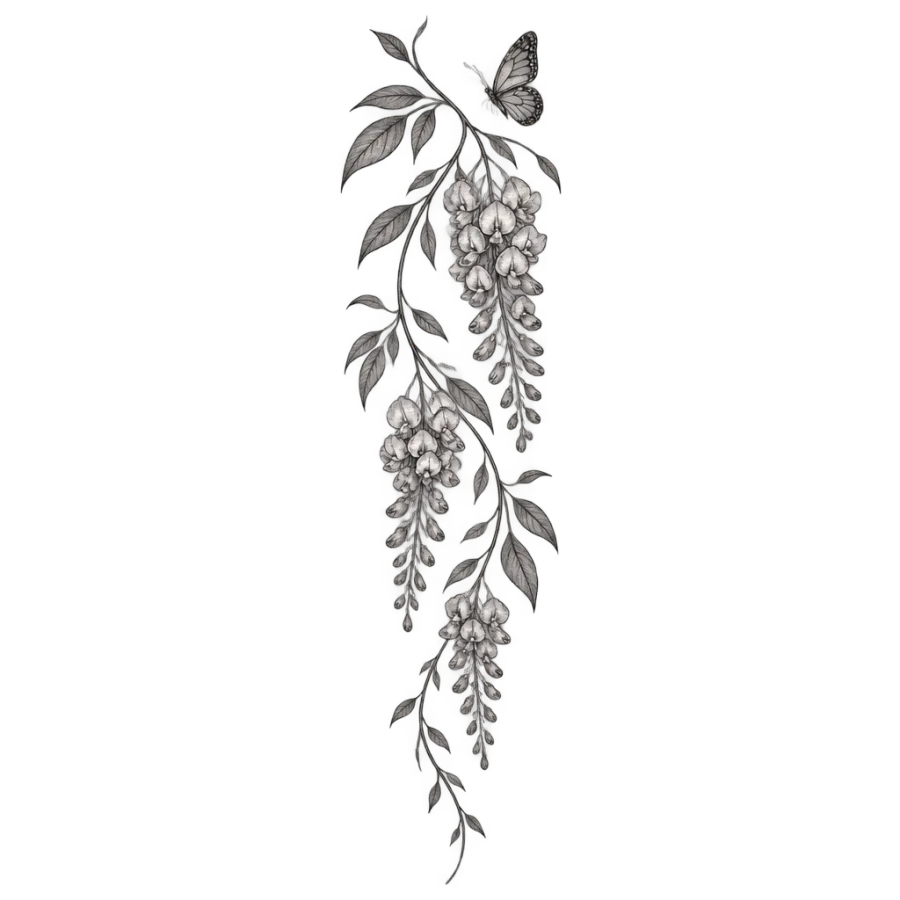
Rib tattoos are the most painful common placement and the best hidden, giving you a tall vertical panel that follows the curve of the torso.
Shoulder
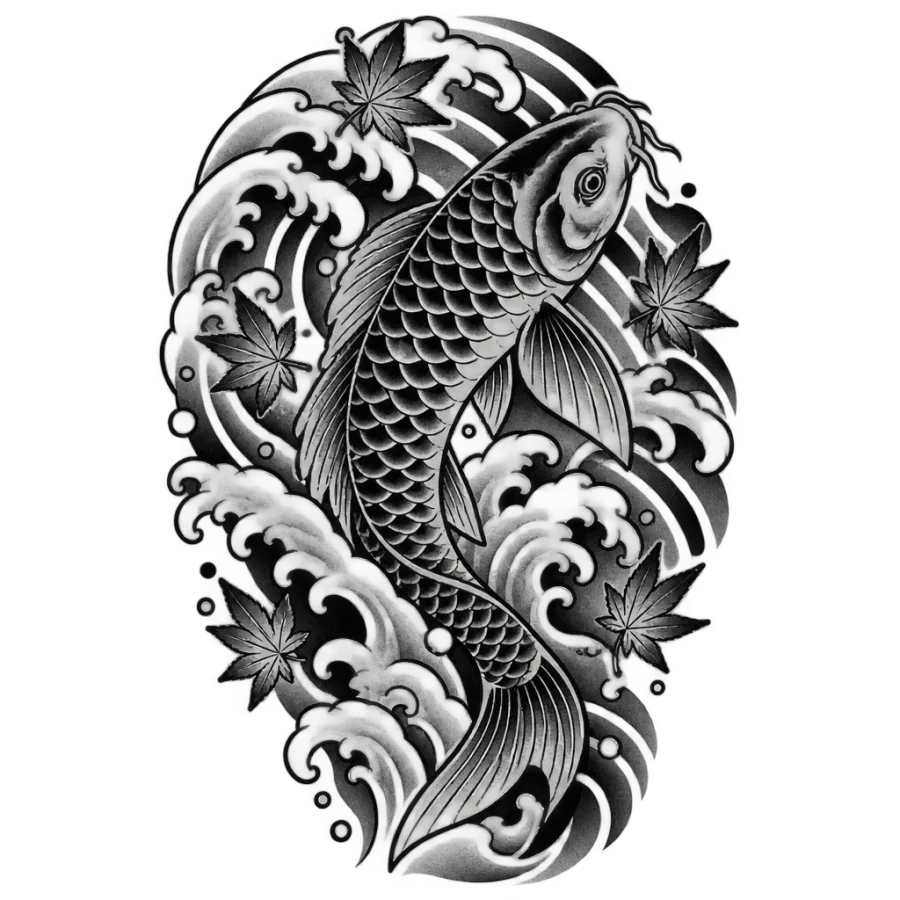
The shoulder cap is rounded, padded and forgiving, which makes it one of the gentler places to sit and a natural fit for circular designs.
Sleeve
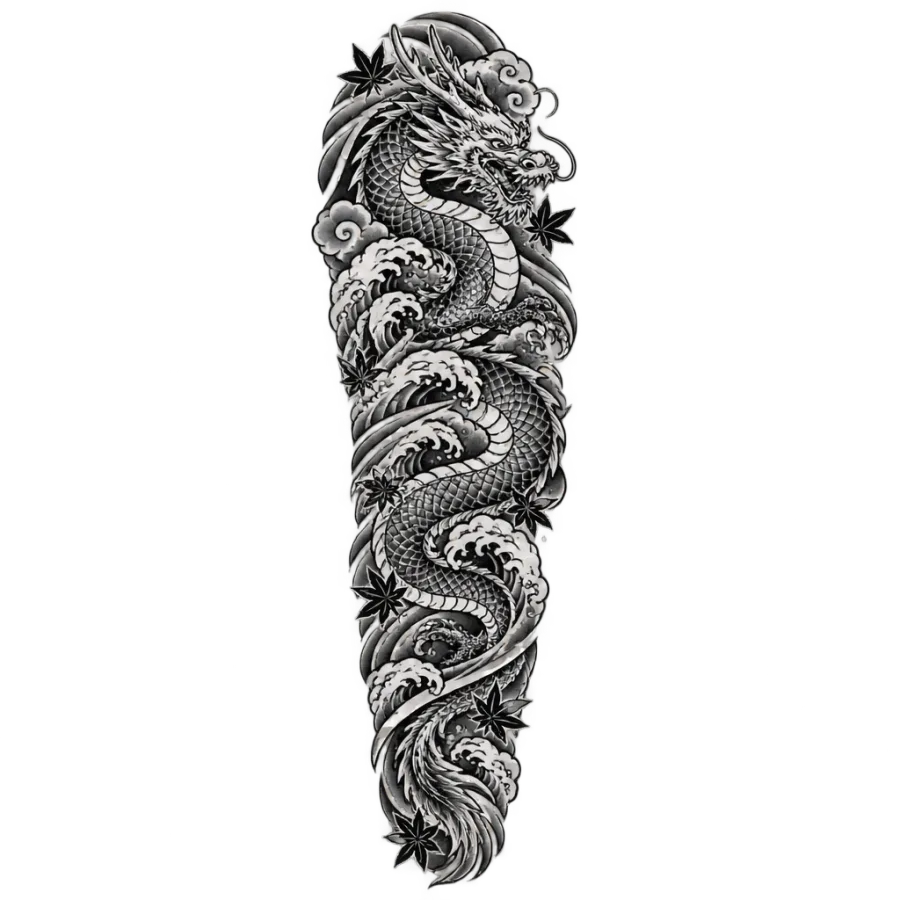
A sleeve is not a collection of tattoos but one composition wrapping a cylinder, built over many sessions and a year or more.
Spine
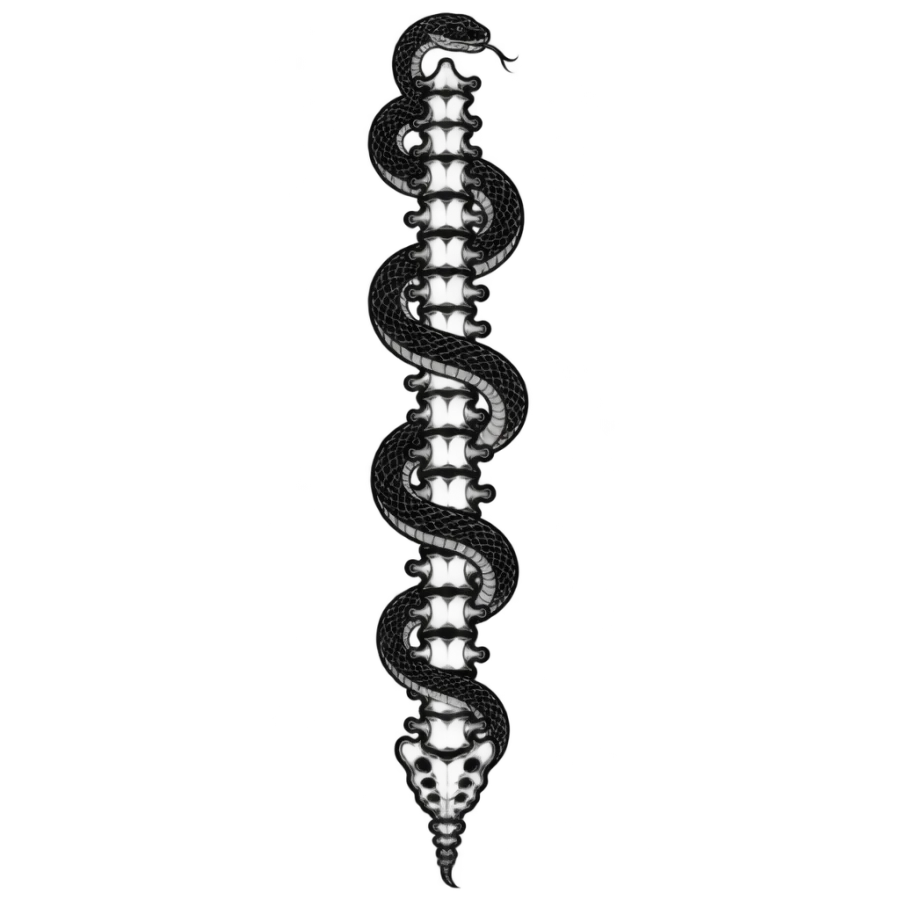
A spine tattoo is a long narrow column down the center of the back: painful over bone, easy to hide, and dependent on careful alignment.
Sternum
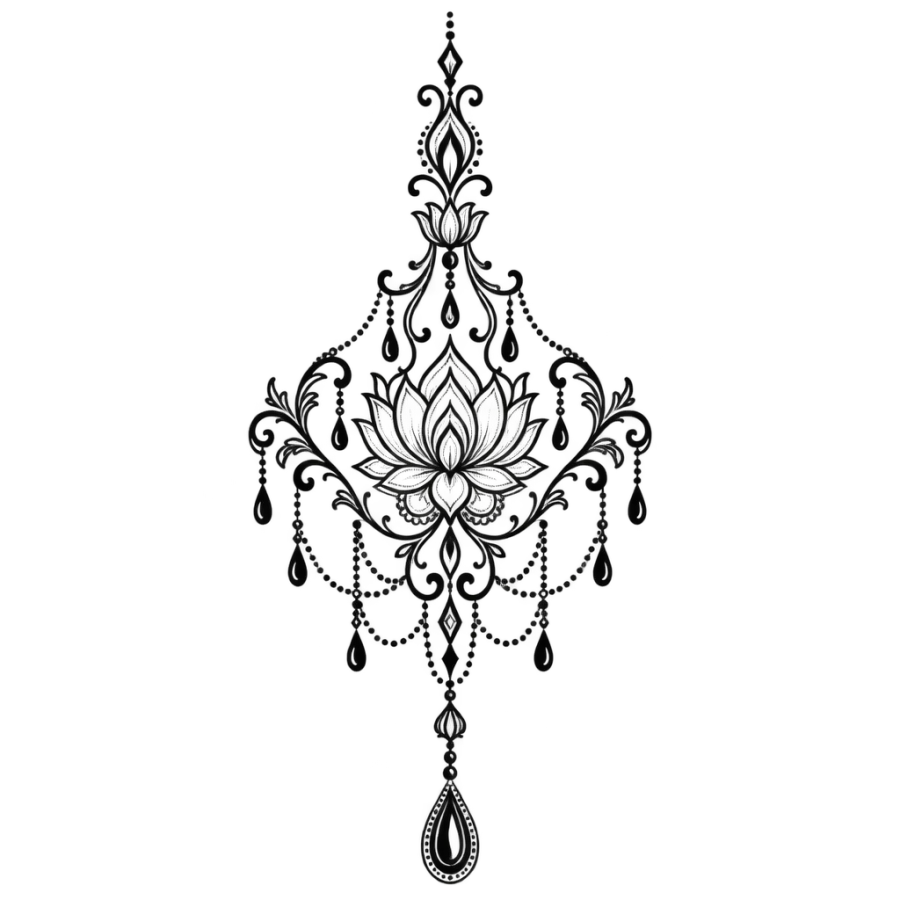
The sternum gives you the most symmetrical panel on the body, sitting flat over bone between the breasts, and it is one of the sharper sits.

Stomach
The stomach gives you the largest flat area on the front of the body, on the skin most likely to change shape over the years.

Thigh
The thigh is the biggest canvas below the waist: low pain on the outside, plenty of room for detail, and hidden under anything longer than shorts.
Upper arm
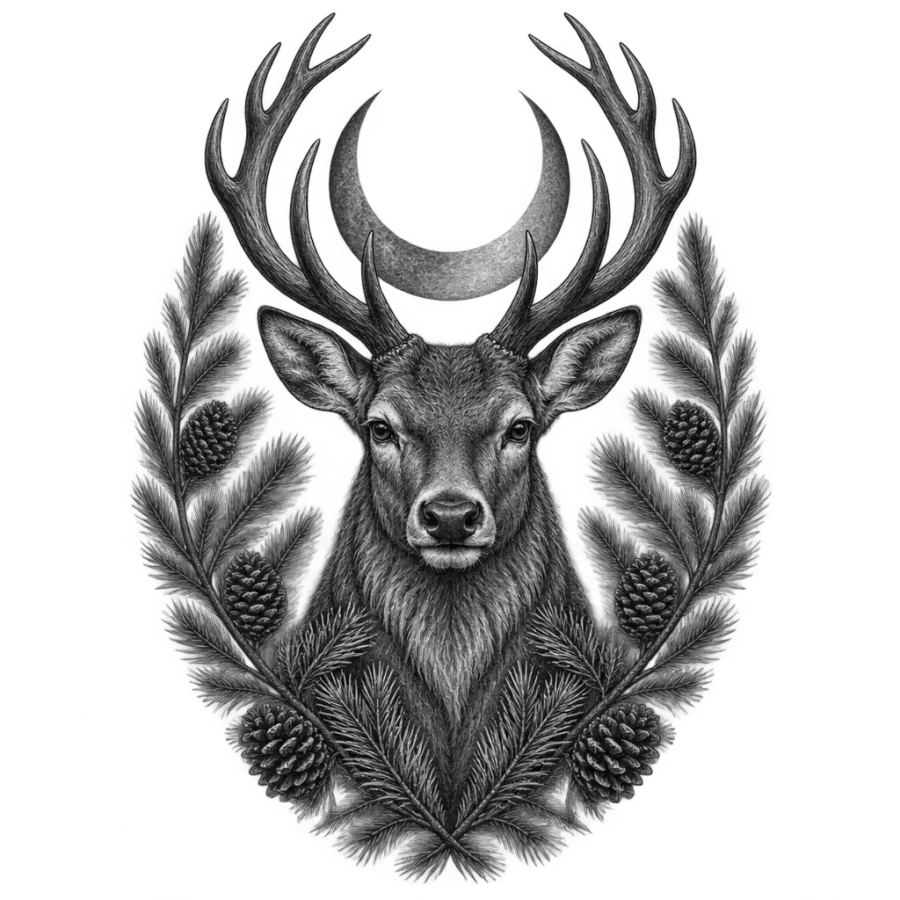
The outer upper arm hurts less than anywhere else on the body, hides under a t-shirt, and holds bold work cleanly for decades.
Wrist
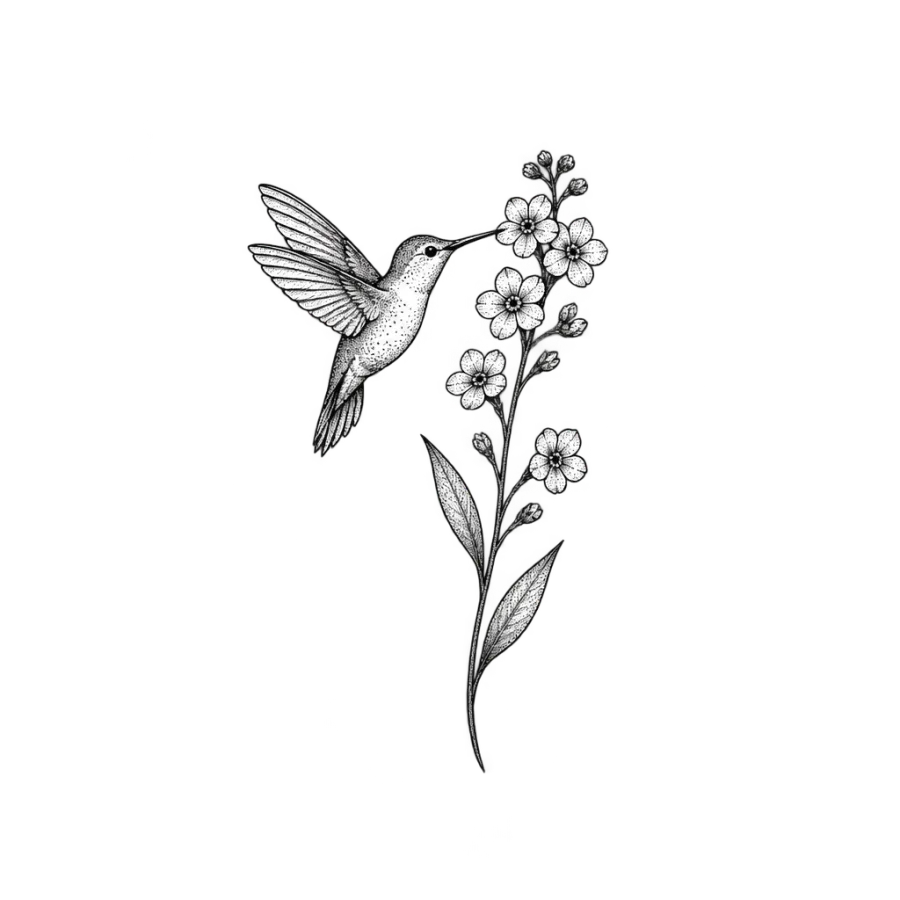
A wrist tattoo is small, quick and always on show, but thin skin over bone and tendon makes placement and line weight matter more than usual.