Healing tattoo ideas, meaning and designs
Healing tattoos are usually about the repair being visible rather than hidden, which is why the best ones keep the crack in the picture.
- Common symbolsKintsugi, plants, snake
- Typical size5 to 25 cm
- Usual placementsForearm, sternum, over scars
- Studio cost$180 to $900
The useful symbols in this category all share one idea: the damage stays in the design. Kintsugi fills the break with gold instead of disguising it. A scar worked into a drawing is still a scar. A plant growing through a split in concrete is only interesting because of the split. Designs that pretend nothing happened tend to feel hollow within a couple of years.
Healing is also rarely finished on the day you book. If you are marking a recovery that is still in progress, say so to the artist, because a design with somewhere left to go suits that better than one that declares an ending. Plenty of people add a second element a few years later and are glad they left the room.
Symbols and where they come from
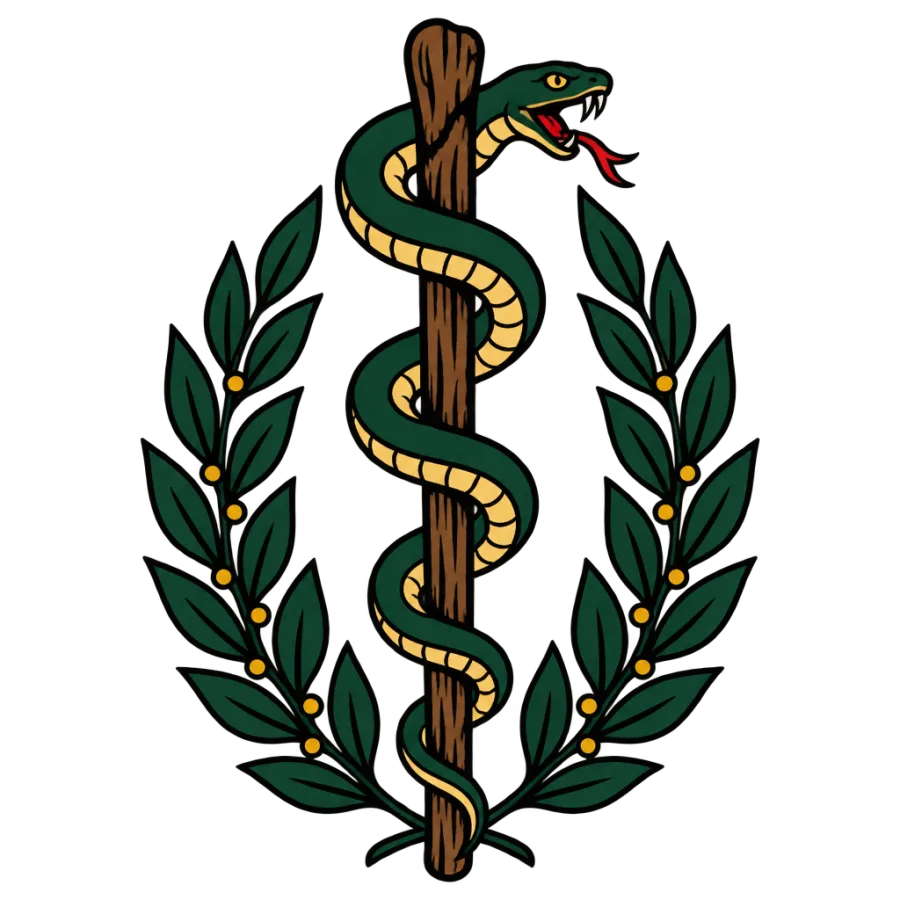
Kintsugi is the Japanese practice of repairing broken pottery with lacquer dusted in gold, so the repair is the most visible part of the object. As a tattoo it usually appears as gold or ochre seams running across a form. The rod of Asclepius, a single snake on a staff, is Greek and is the actual medical symbol, which is why it turns up on pieces marking an illness rather than an injury.
Plants do most of the quiet work here. Chamomile, aloe, yarrow and calendula all have real medicinal histories and draw beautifully at small sizes. Moths are used for coming through a dark stretch, and the tide line gets used for the plain fact that things go out as well as in. None of these need explaining to anyone.
What each reads as
- Kintsugi seams: the break is part of the object now
- Rod of Asclepius: one snake on a staff, the genuine medical symbol
- Yarrow, aloe or calendula: plants with a real history of use
- Moth drawn toward light: movement through a dark period
- Continuous single line: nothing about it has been cut off
Tattooing on and around scars
This is the practical heart of the theme. Scar tissue needs to be fully mature before it is tattooed, which usually means at least twelve months and often eighteen after surgery, with no redness, tenderness or raised edges. Ask your surgeon or GP for clearance if you are unsure. Skin that has had radiotherapy is a separate conversation and often takes far longer to be ready.
Scarred skin takes ink unpredictably. Color can drop out in patches, lines can spread, and the area often needs a second pass a few months later. Textured, organic designs hide this far better than straight lines or geometry. Look for an artist who has healed photographs of scar work, not fresh ones, and expect them to want to see the area in person before agreeing.
Making it specific to you
The quiet personal details work better here than any symbol. The date the treatment ended in roman numerals. The coordinates of the hospital or the house where you spent that year. The plant that sat on the windowsill. The handwriting of whoever wrote you the note you kept, traced rather than typed. The ear shape of the dog that stayed on the bed the whole time.
A number of people choose to keep the piece deliberately unreadable to strangers, because a visible medical reference invites questions from people at work or in queues. If that matters to you, pick botany over medical iconography and put the date somewhere only you would look for it. Nothing is lost by making it quiet.
Ageing well, and what to bring
Gold and yellow inks fade faster than black and often need refreshing every five to ten years, so if you want kintsugi seams, ask whether a warm ochre with a dark outline will hold better on your skin. Fine grey stippling softens into a haze over a decade; a clear black structure underneath keeps the drawing readable. Avoid a phrase in a trend script, which will date the tattoo more than any illustration will.
Take these to the appointment
- Photographs of the scar area in daylight, plus how old it is
- Any medical clearance or restrictions from your doctor
- The plant, date or handwriting you want used, checked for accuracy
- A note on whether you want the reference obvious or private
- Your AI Tattoo Lab designs printed, sized to the area in cm
15 healing tattoo designs, with the prompt behind each one
Every design below came out of AI Tattoo Lab. Tap one to load its prompt into the generator, then change a word and make it yours.

A lotus flower opening above still water with lily pads, dotwork stippling only
Use this prompt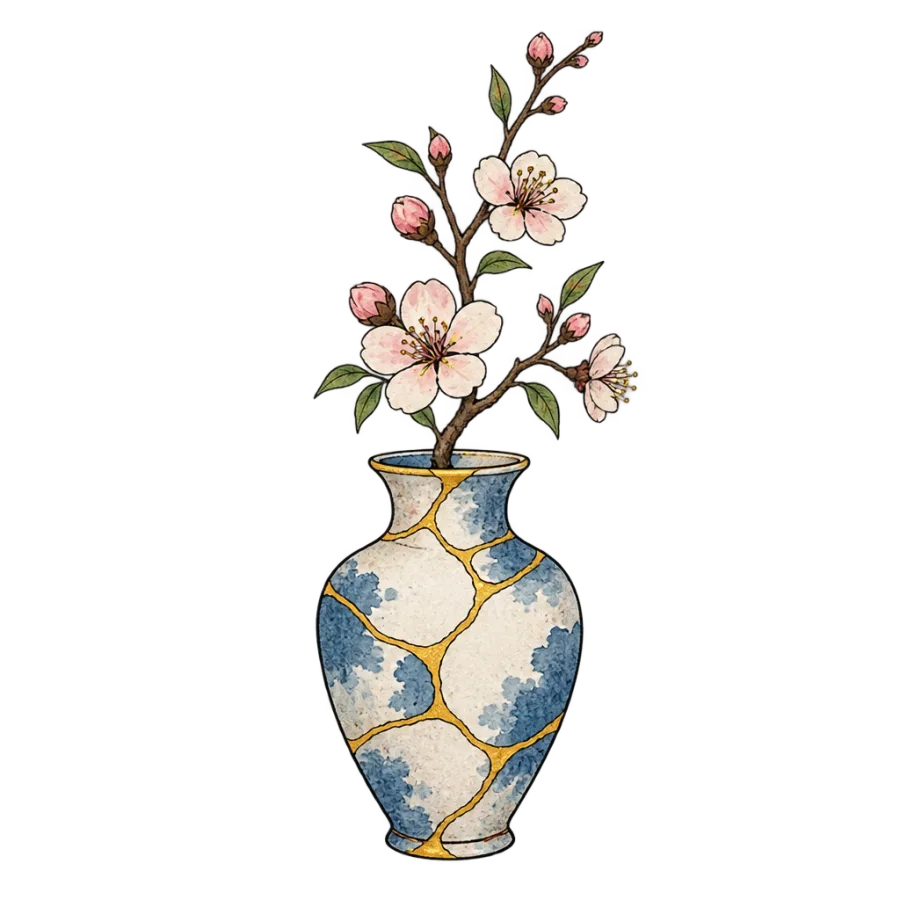
A kintsugi vase mended with golden seams and a blossom sprig, watercolor washes
Use this prompt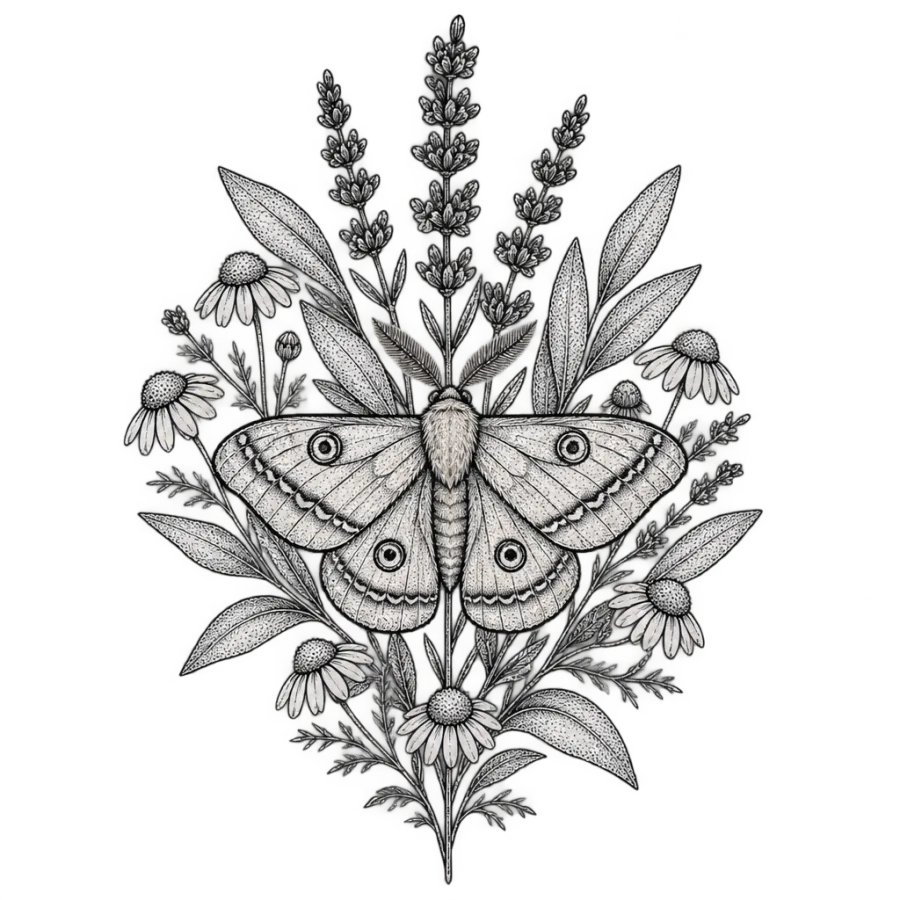
A moth resting among lavender, sage and chamomile herbs, fine line, no shading
Use this prompt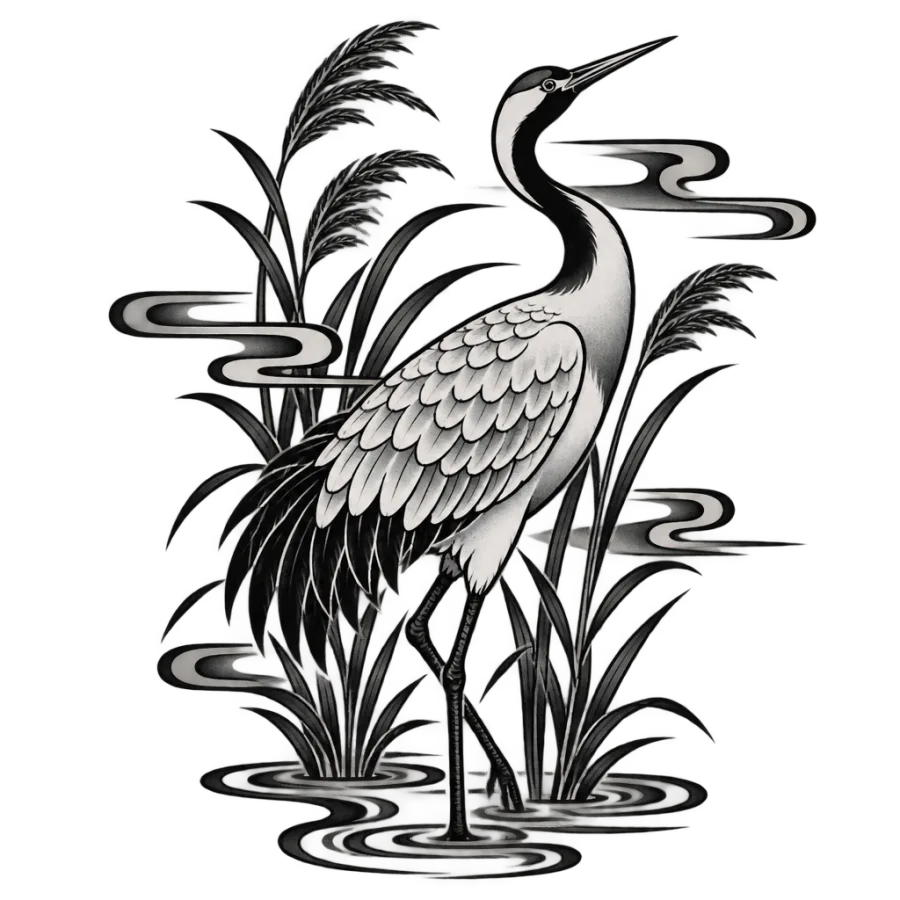
A crane standing in shallow water among tall reeds
Use this prompt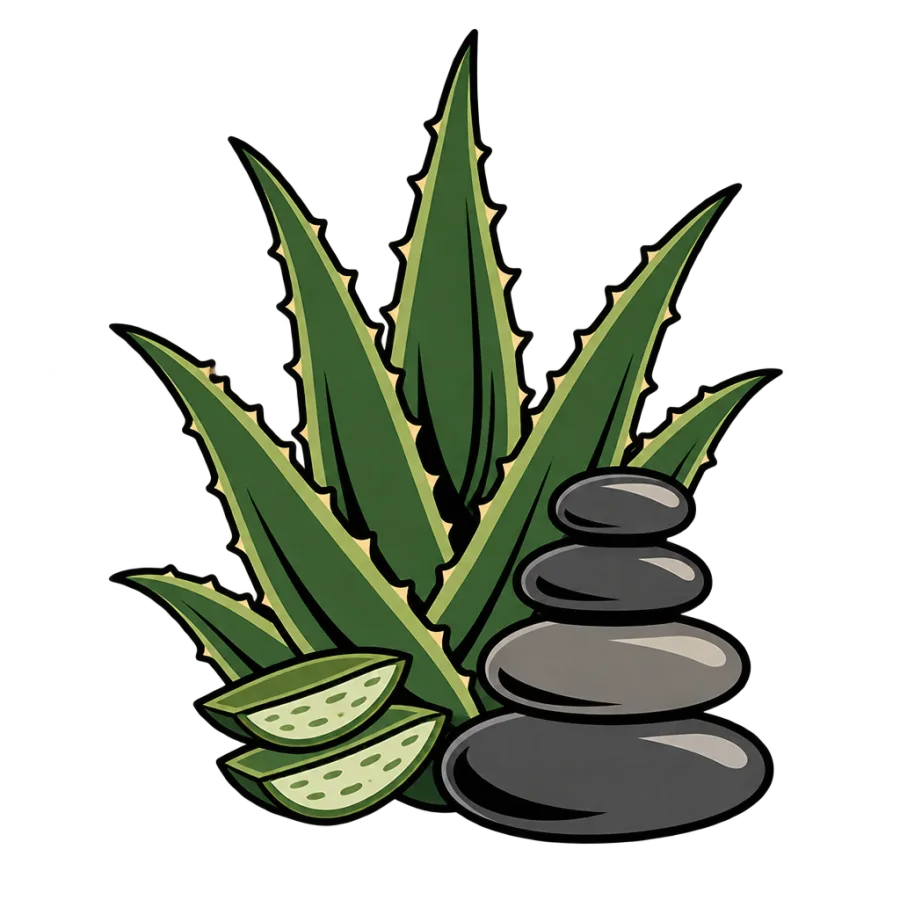
An aloe vera plant beside a stack of balanced river stones
Use this prompt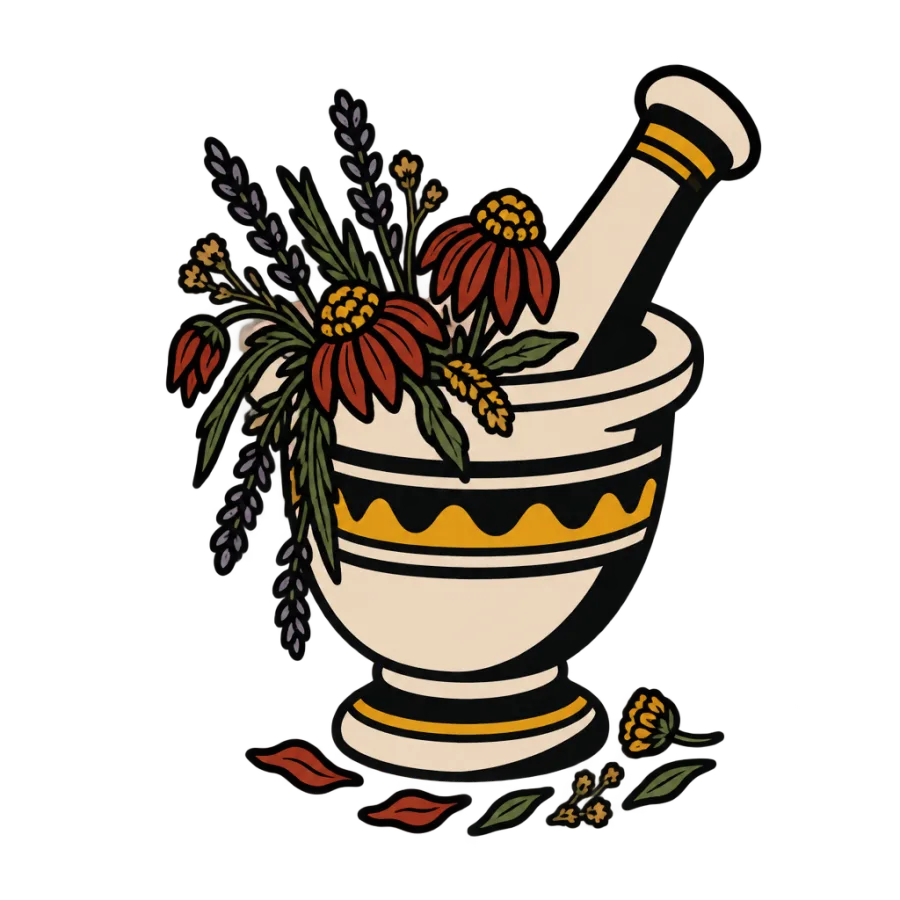
A mortar and pestle with dried flowers spilling over the rim
Use this prompt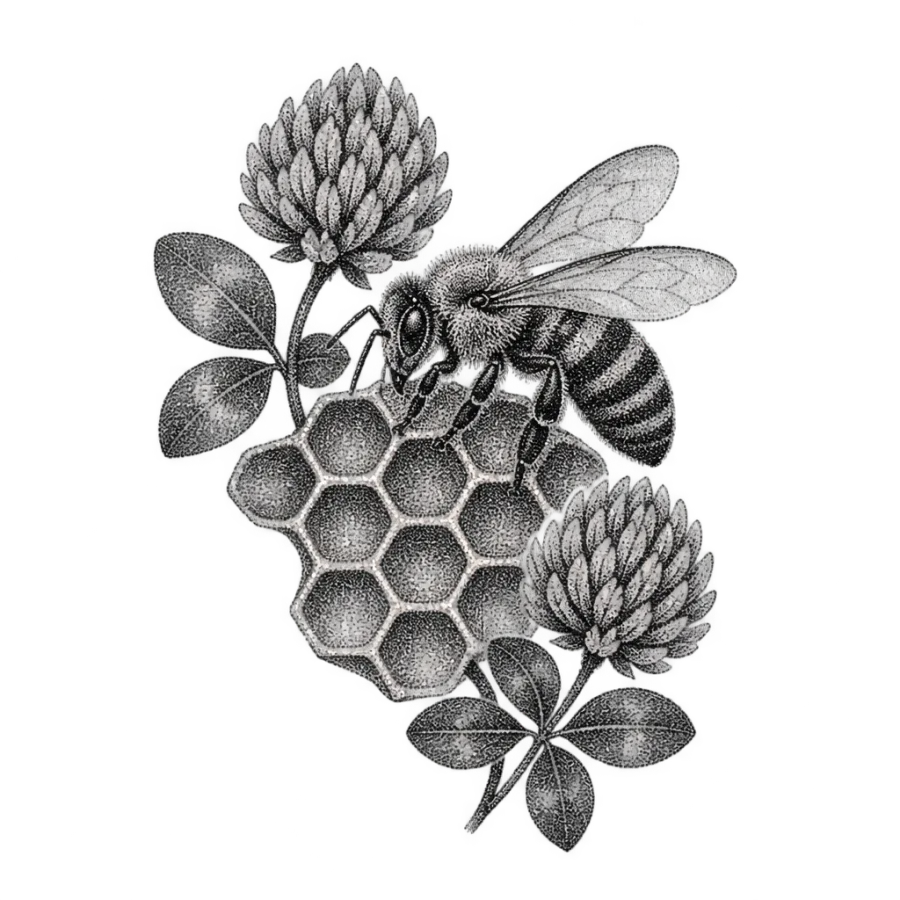
A honeybee resting on honeycomb with clover blossoms around it
Use this prompt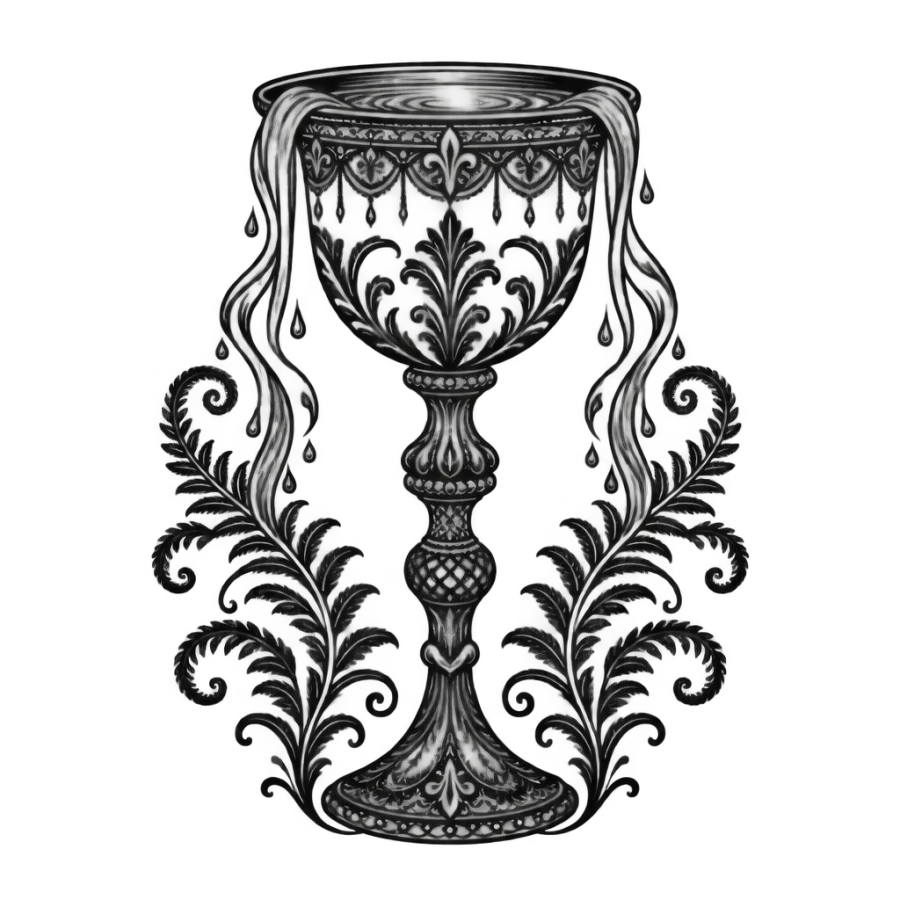
An ornate chalice overflowing with water into curling ferns
Use this prompt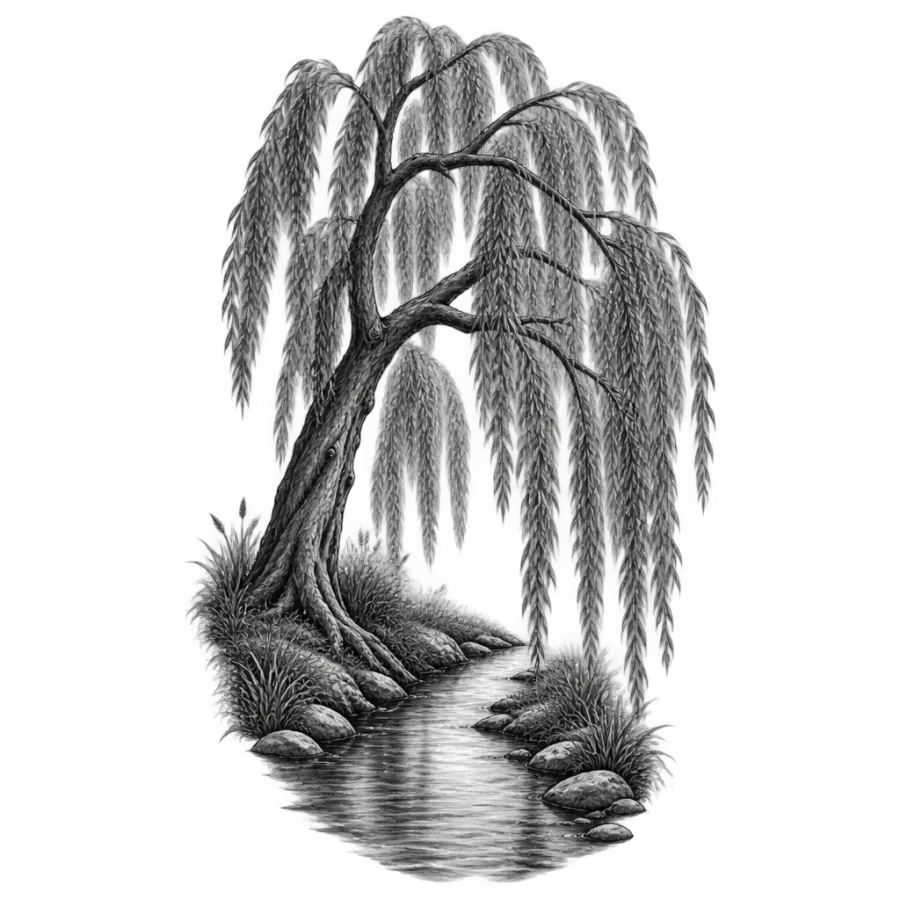
A willow tree with trailing branches leaning over a narrow stream
Use this prompt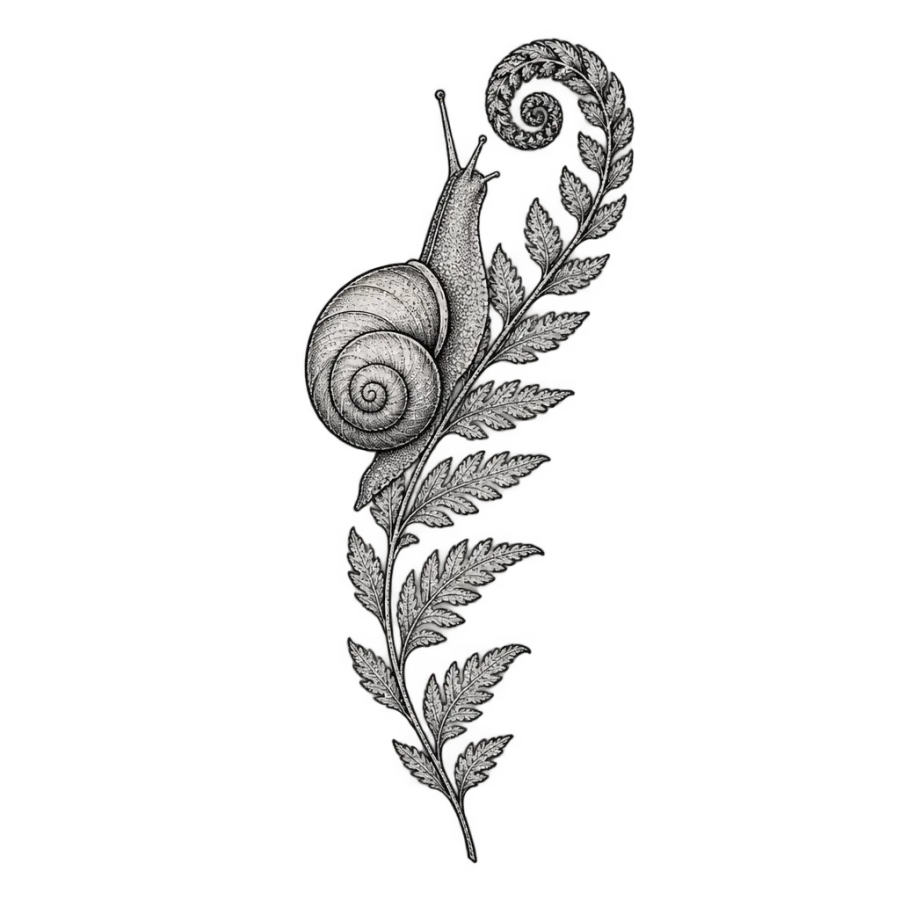
A snail with a spiral shell climbing a curling fern frond
Use this prompt
A steaming teacup on a saucer with a mint sprig and honey
Use this prompt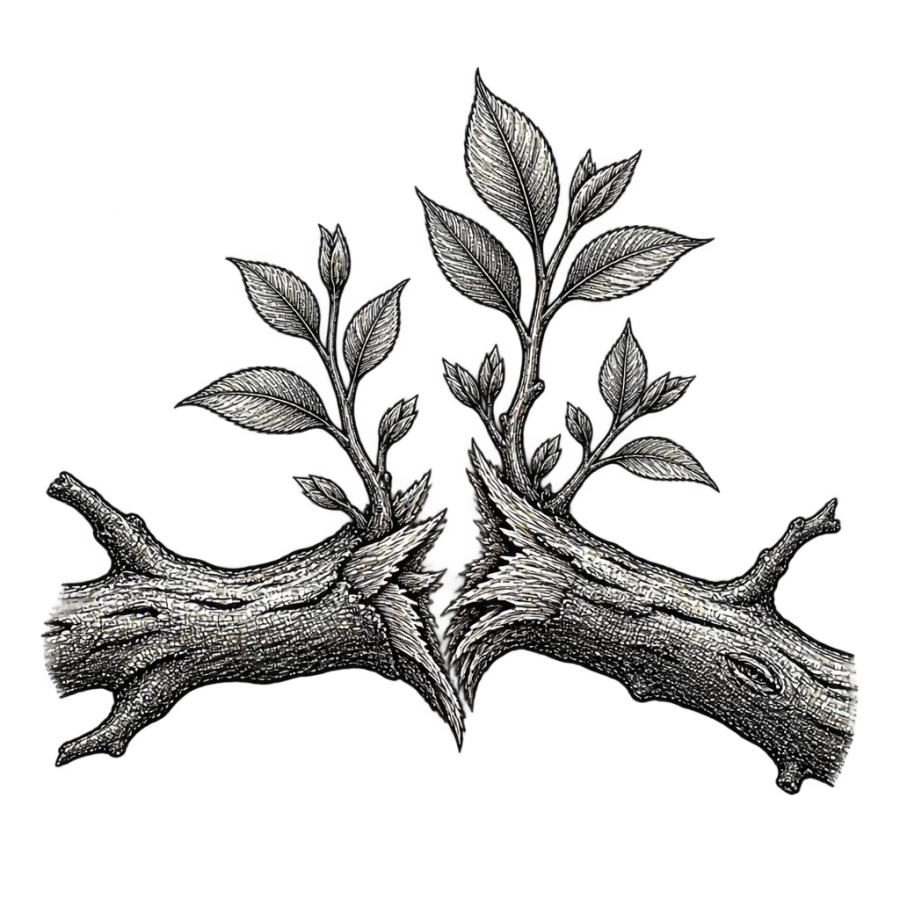
A broken branch with new shoots growing from the break, engraving style
Use this prompt
A butterfly leaving its chrysalis cut out of a solid black circle
Use this prompt
A cat curled asleep in a circle, one continuous line, no shading
Use this promptDescribe an idea of your own and get four designs back in about 20 seconds.
Open the generator
Questions people ask
How long after surgery can I get a tattoo?
Most artists want scar tissue to be at least twelve months old, and eighteen is safer for larger surgical scars. The area should have no redness, tenderness or raised edges. Ask your surgeon or GP for clearance first, especially after radiotherapy, which can leave skin fragile for considerably longer.
Does tattooing over a scar hurt more?
Usually yes, and it varies across the same scar. Some sections are numb and others are sharply sensitive because nerve endings healed unevenly. Tell the artist when a spot is bad so they can work in shorter passes. Expect the area to be more tender during healing than ordinary skin.
What is a kintsugi tattoo?
It borrows the Japanese practice of mending broken pottery with gold lacquer, so the repair is the most visible feature. As a tattoo it usually appears as gold or ochre seams running across a form or across the body itself. Gold inks fade, so many artists outline the seams in black underneath.
Will the design cover the scar completely?
Rarely completely. Tattooing changes color and draws the eye but does not flatten texture, so a raised scar stays raised. Organic, textured designs disguise it best. Go in expecting the scar to be less noticeable rather than gone, and the result usually exceeds that expectation.
How much does scar work cost?
More than the same design on clear skin, because it is slower and often needs a second session. Budget $150 to $250 an hour and three to six hours for a forearm sized piece, plus a touch up. Some artists offer discounted or free work on mastectomy and self harm scars, so it is worth asking.