Tattoo flash, sheets and flash days
Tattoo flash is a pre drawn design an artist is willing to tattoo again, which is what separates it from a custom piece drawn for one person.
- Flash means pre drawn and repeatable. A design drawn for one client and then retired is custom work.
- Before thermal copiers, flash outlines were reproduced with acetate stencils: lines scratched into a sheet, filled with stencil powder, then pressed onto the skin.
- Norman Collins, known as Sailor Jerry, worked in Honolulu, and his designs are among the most reproduced flash in tattooing.
- Friday the 13th events are a common version of a flash day, with one sheet and one fixed price.
- Flash usually costs less than custom because there is no drawing appointment and no revision rounds.
- Sheet sizeOften 11 by 14 inches
- RepeatableYes, that is the point
- Typical price$100 to $300 per design
- BookingWalk in or flash day

Flash started as a practical answer to walk in trade. Sheets of finished designs hung on the shop wall so a customer could point at one and be tattooed the same hour, with no drawing time and no consultation. The format came out of American traditional shops in the first half of the twentieth century, in port cities and near military bases.
The delivery has moved since then. Most flash now goes up on an artist’s page as individual designs marked available, repeatable or one time only, and people claim them in the comments. The wall still exists in plenty of shops, and so does the price advantage, because the drawing is already done. The subjects on those old sheets are also still the ones people recognise as traditional.
What tattoo flash is
A flash design is finished art, sized for a body part, drawn with a bold outline and a limited palette so it reads from a distance and tattoos quickly. Sheets are commonly around 11 by 14 inches with six to twenty designs arranged to fill the page, painted in watercolour or gouache historically and drawn digitally now. The outline is the part that matters, because that is what becomes the stencil.
The reproduction method is the reason old flash looks the way it does. Before thermal copiers reached shops, an artist cut the outline into a sheet of acetate with a stylus, rubbed stencil powder into the scratched lines, and pressed the acetate onto the skin. That process rewards a heavy, simple, closed line and punishes fine detail, which is why traditional flash is drawn the way it is.
Flash days and what they cost
A flash day is a set of pre drawn designs at a fixed price on a fixed date, usually first come first served. The shop posts the sheet in advance, you turn up, you pick, and the price is the price. Shops run them to fill quiet days, to raise money for a cause, or to tattoo the designs they actually want to be tattooing.
Prices move a long way by city and by artist, and a well known artist’s flash can cost more than another shop’s custom work. Ask what the number includes before the day, because some flash prices are the whole cost and some are quoted before tip.
| How it is sold | Typical price | How it works |
|---|---|---|
| A design off the shop wall | $100 to $300 | Pick it, often same day, no drawing appointment |
| A flash day set | Flat price, posted in advance | First come first served, usually no booking |
| Friday the 13th sheet | Low fixed price plus a set tip | One sheet, one size, long queue |
| Repeatable flash on an artist’s page | $150 to $400 | Drawn to be tattooed more than once |
| One time only flash | $200 to $600 | Tattooed once, then retired |
| Custom drawing | $400 and up | Consultation, drawing time, revisions |
Flash tattoo designs versus a custom piece
Flash gives you a design that has already been drawn, often already tattooed, usually at a lower price. You give up control over the composition and you accept that other people have the same tattoo, which most people who choose flash are fine with and some are not. Custom gives you a drawing made for your body and your idea, at the cost of a consultation, a wait and a higher number.
There is a middle path that artists generally welcome. Pick a flash design and ask about changing the size, the placement or one element. Most will adjust a flash piece for you. Asking to change half of it is really asking for custom work, so expect the price and the timeline to follow.
Asking for flash without stepping on anyone
Flash on a sheet is an invitation. The artist drew it to be tattooed repeatedly and put it on the wall for that reason, so picking one is the normal expected thing to do and nobody will think less of the choice. The friction only starts when a design belongs to someone who is not in front of you, and that happens most often with a screenshot taken off another artist’s page.
Bringing your own linework sits outside all of this. A design you generated yourself is yours to take in, and AI Tattoo Lab outputs it as clean black line on a transparent background, so an artist can treat it as a brief the same way they treat a reference photo.
Where the line sits
- A design from the shop’s own sheets or the artist’s available flash is fair game
- Another artist’s flash, saved off their page, belongs to them, and most tattooers will not copy it
- A photo of someone’s finished custom tattoo is that artist’s drawing, so expect a no
- Changing a few details to avoid copying is still copying, and artists recognise their own work
- If you want a specific design, book with the person who drew it, even if that means travelling
12 tattoo flash, with the prompt behind each one
Every design below came out of AI Tattoo Lab. Tap one to load its prompt into the generator, then change a word and make it yours.

An open rose with two leaves, outline only stencil
Use this prompt
An anchor with coiled rope and a star, outline stencil
Use this prompt
A sacred heart with a crown and flames, outline stencil
Use this prompt
A flash sheet with a horseshoe, dice and a clover, outlines
Use this prompt
Two mirrored peacock feathers around a crescent moon, outline
Use this prompt
A lighthouse on a rock with waves, outline only stencil
Use this prompt
A panther head front on, traditional flash drawn as outline
Use this prompt
A blank banner ribbon with a star on each side, outline
Use this prompt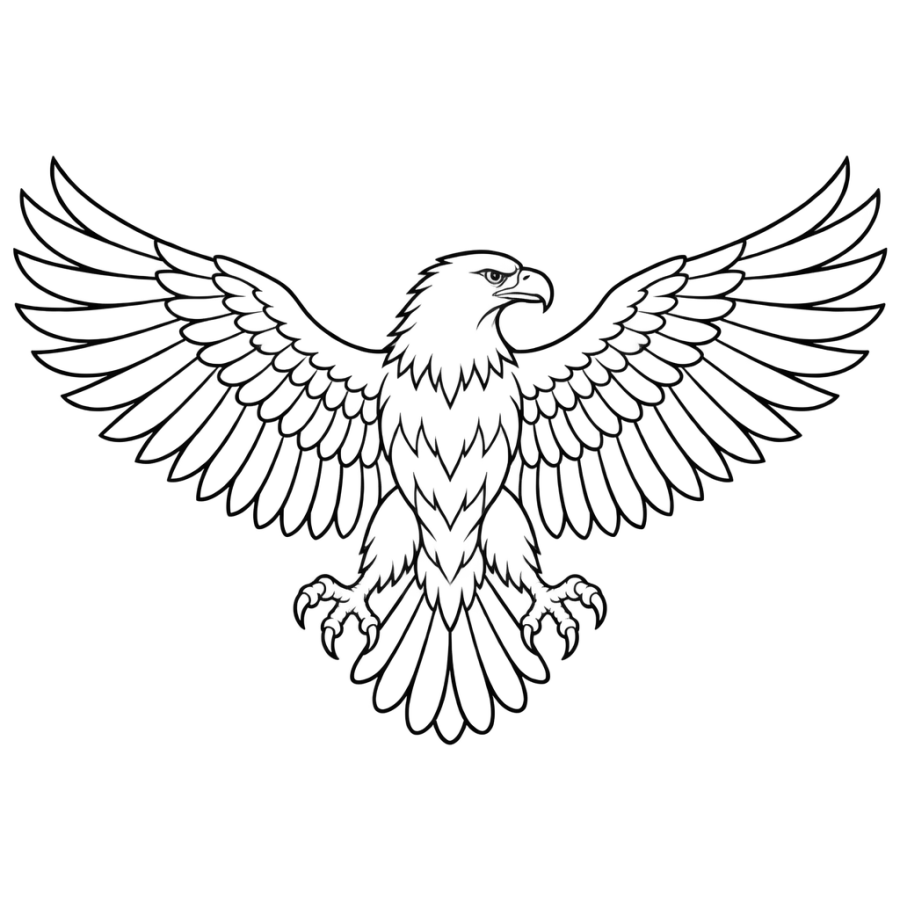
An eagle with wings spread wide, outline only stencil
Use this prompt
Three botanical sprigs in a row, pine, oak and fern, outline
Use this prompt
A sailing ship on a wave inside a circle, outline stencil
Use this promptDescribe an idea of your own and get four designs back in about 20 seconds.
Open the generator
Questions people ask
What does flash mean in tattooing?
A pre drawn design the artist is willing to tattoo more than once. It is finished art, already sized and already drawn, so there is no consultation and no drawing fee. Flash sheets hang on shop walls and go up on artists’ pages. A design drawn for one person and retired afterwards is custom work.
Are flash tattoos cheaper than custom?
Usually, because the drawing time is already spent. A design off the wall commonly runs $100 to $300 in the United States against $400 and up for custom, and flash day prices are lower again. A sought after artist’s flash can still cost more than a quieter shop’s custom work.
Can I ask for another artist’s flash design?
Not from a different artist. Flash belongs to whoever drew it, and most tattooers will not copy another artist’s design, including with small changes. The shop’s own sheets and an artist’s available flash are there to be picked. If you want a particular design, book with the person who drew it.
What is a flash day?
A date when a shop puts up a set of pre drawn designs at a fixed price, usually first come first served with no appointment. The sheet goes up in advance so you can pick before you arrive. Friday the 13th events are the best known version, with one sheet, one price and a long queue.
Can flash designs be changed?
Small changes are normal. Most artists will resize a flash piece, move it to a different placement, or swap one element. Larger changes turn it into custom work, with the consultation, the wait and the price that go with that. Ask when you enquire rather than in the chair.