Faith tattoo ideas, meaning and designs
A faith tattoo is one of the few you will carry into rooms where it is read by people who know the symbol better than you do, so accuracy matters.
- Common symbolsCross, hamsa, om, lotus
- Typical size5 to 30 cm
- Usual placementsForearm, chest, upper back
- Studio cost$180 to $900
The symbols in this category are not decorations that happen to have meaning. They are working parts of living traditions, drawn in particular ways for particular reasons, and people who practice those traditions will recognize a version that has been drawn carelessly. That is the main practical difference between this theme and every other one on the site.
None of that makes them off limits, and plenty of people carry a symbol from their own background with no more ceremony than a family name. It does mean the research phase is longer. Know what you are wearing, know which version you want, and be able to say why if somebody asks in good faith.
The main symbols, briefly and plainly
The cross is the central Christian symbol and comes in many regional forms, from plain Latin to Celtic to Orthodox, each with a specific shape that is worth getting right. The hamsa, an open hand often with an eye, appears across North African and Middle Eastern traditions and is known as the hand of Fatima or the hand of Miriam. Om is a sacred sound written as a single character in Hindu and related traditions, and its proportions are not arbitrary.
The lotus carries Buddhist and Hindu meanings around growth out of difficulty. The crescent with a star is widely associated with Islam, though it began as an older regional emblem rather than a scriptural one. The mandala is a meditative diagram used in Hindu and Buddhist practice, built from a center outward, which is why a mandala drawn without a true center looks wrong even to people who cannot say why.
Points of accuracy
- Cross: pick the specific form, the proportions differ by tradition
- Hamsa: decide which way the hand points, it carries meaning
- Om: the character has fixed proportions, so trace a good source
- Crescent and star: check the shape of the crescent and star points
- Mandala: must be built from a real center, not drawn freehand as pattern
Making it personal rather than generic
A verse reference in plain numerals says more, and more quietly, than the verse printed in script. The date of a baptism, a confirmation, a conversion or the day you came back to something works the same way. A family prayer book with handwriting in the margin is a better source than any font, and tracing it keeps the hand of whoever wrote it.
Architecture is underused here. The window, the dome, the arch or the tilework of the specific building you grew up in is recognizable to your family and abstract to everyone else. So is the pattern on a set of prayer beads, or the exact shape of a medal somebody carried. One personal element inside a well drawn symbol is the whole job.
Placement, work and family
Most people put these where they control who sees them: inner forearm, upper back, chest and ribs. The chest and upper back suit large symmetrical designs like a mandala or an ornamental cross. The inner forearm is chosen by people who want to see it themselves. Hands, neck and face are visible everywhere and worth thinking through, since a religious symbol on the hand will be read in every country you visit.
Two conversations are worth having first. Some traditions and some families have real views about tattooing, and it is easier to have that discussion before rather than after. And if a symbol comes from a tradition you do not practice, ask yourself how you would explain it to someone who does.
Ageing well, and what to bring
Ornamental and religious symbols suit solid black linework, which stays readable for decades. Fine grey stippling inside a mandala softens into a grey wash over ten to fifteen years, so ask for a strong black structure underneath any delicate shading. Avoid mixing symbols from several traditions in one composition: it dates quickly, and it tends to read as pattern rather than belief to people from any of them.
Take these to the appointment
- A high quality reference for the exact version of the symbol
- Verse references, dates and spellings, checked by someone else
- Photographs of any architecture or object you want drawn
- A clear answer on how visible you want it day to day
- Your AI Tattoo Lab designs printed, with the placement measured in cm
15 faith tattoo designs, with the prompt behind each one
Every design below came out of AI Tattoo Lab. Tap one to load its prompt into the generator, then change a word and make it yours.

A symmetrical hamsa amulet with a central eye and floral filigree, ornamental linework
Use this prompt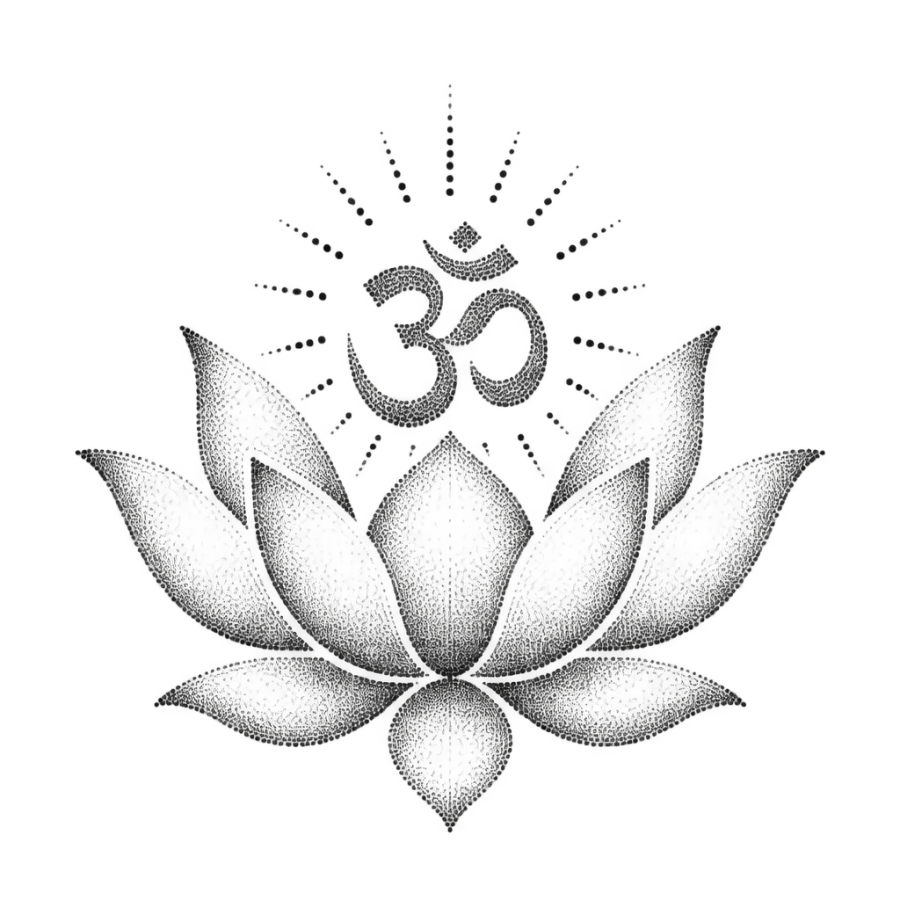
An open lotus flower with an om symbol at its center, dotwork stippling
Use this prompt
A crescent moon holding a star inside an ornamental arabesque arch, geometric linework
Use this prompt
An eight spoked dharma wheel ringed by open lotus petals, geometric
Use this prompt
A Star of David in interlaced knotwork with olive branches below
Use this prompt
A Celtic trinity knot inside a woven ring of oak leaves
Use this prompt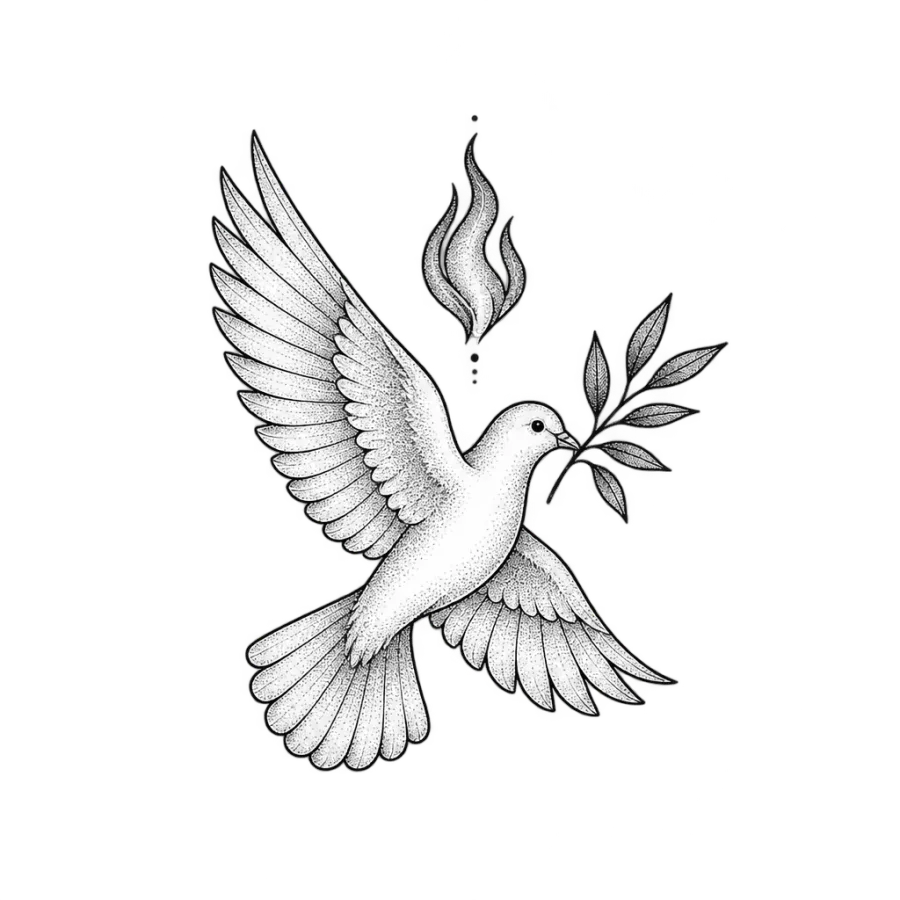
A dove carrying an olive branch with a small flame above it
Use this prompt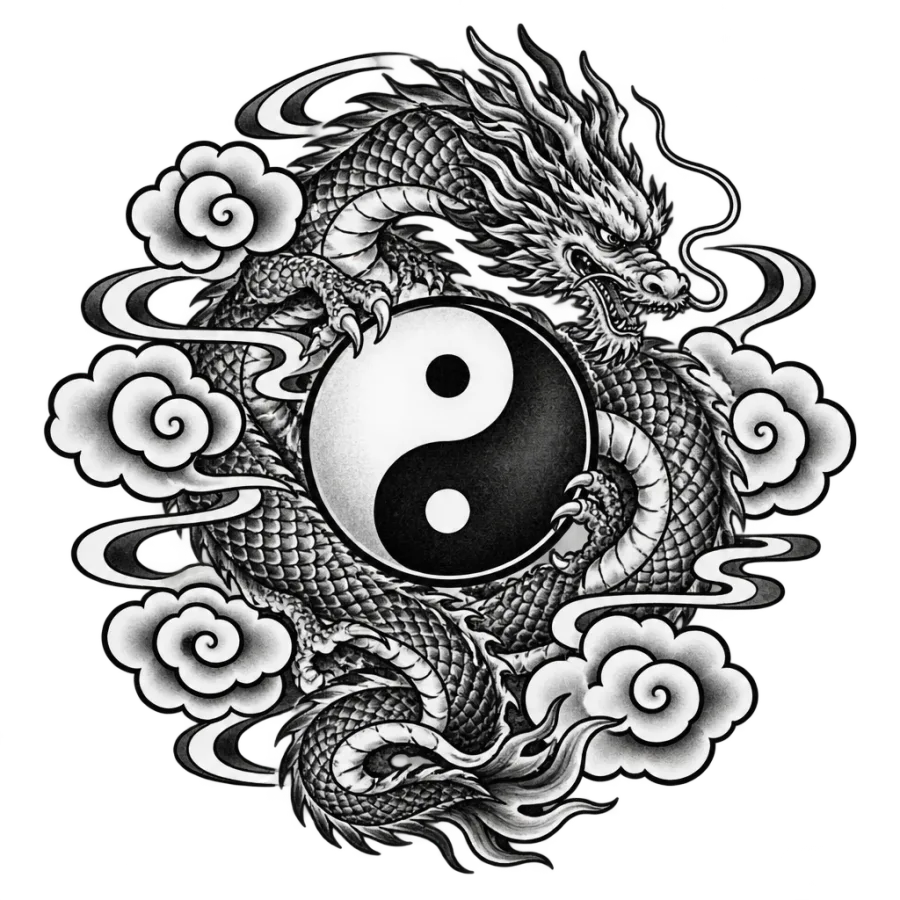
A yin yang circle wrapped by a coiling dragon among stylized clouds
Use this prompt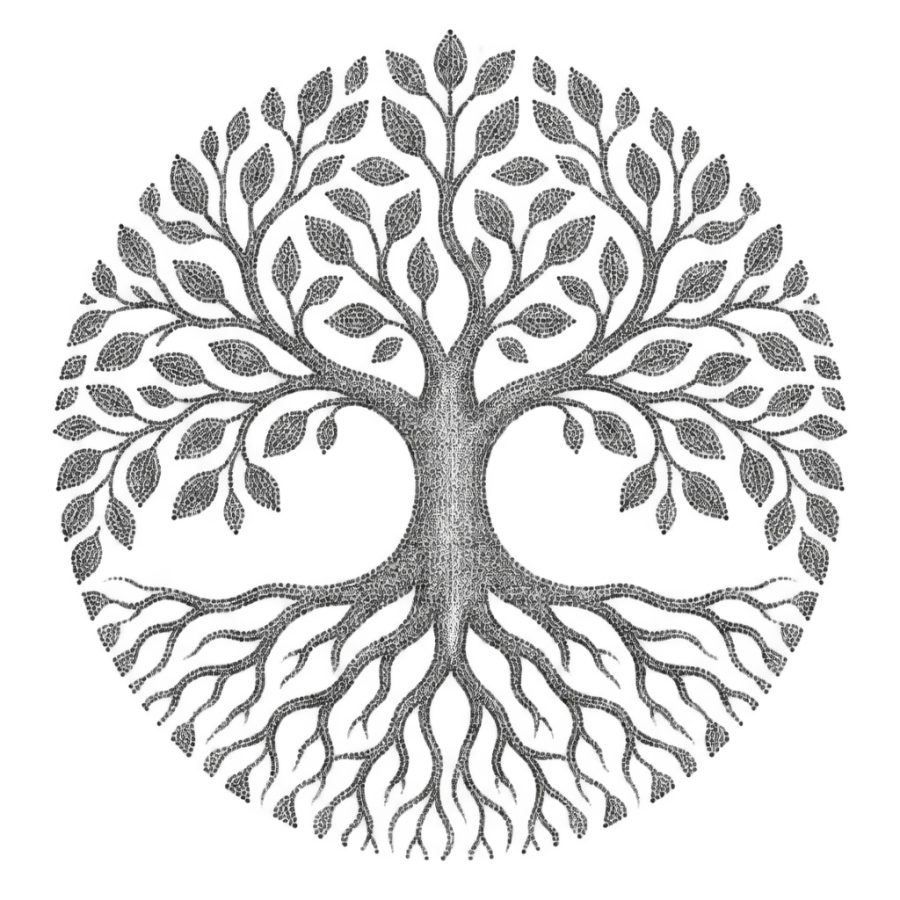
A round tree of life medallion with branches above and roots below
Use this prompt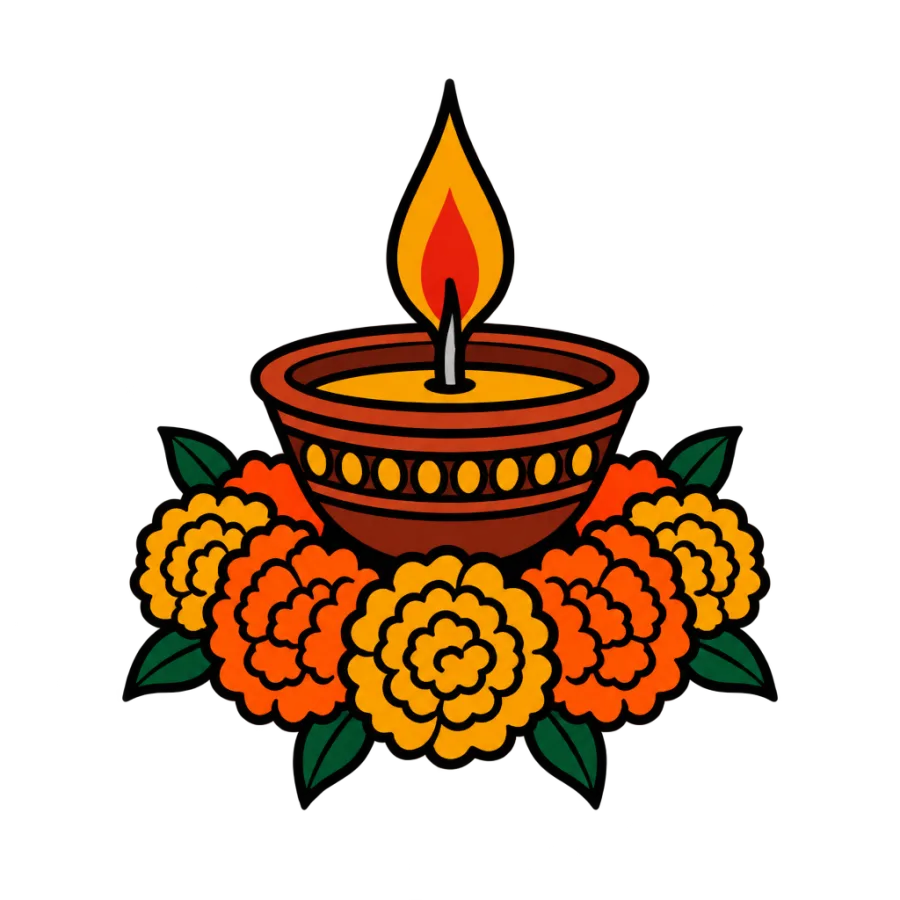
A clay oil lamp with a steady flame on a marigold garland
Use this prompt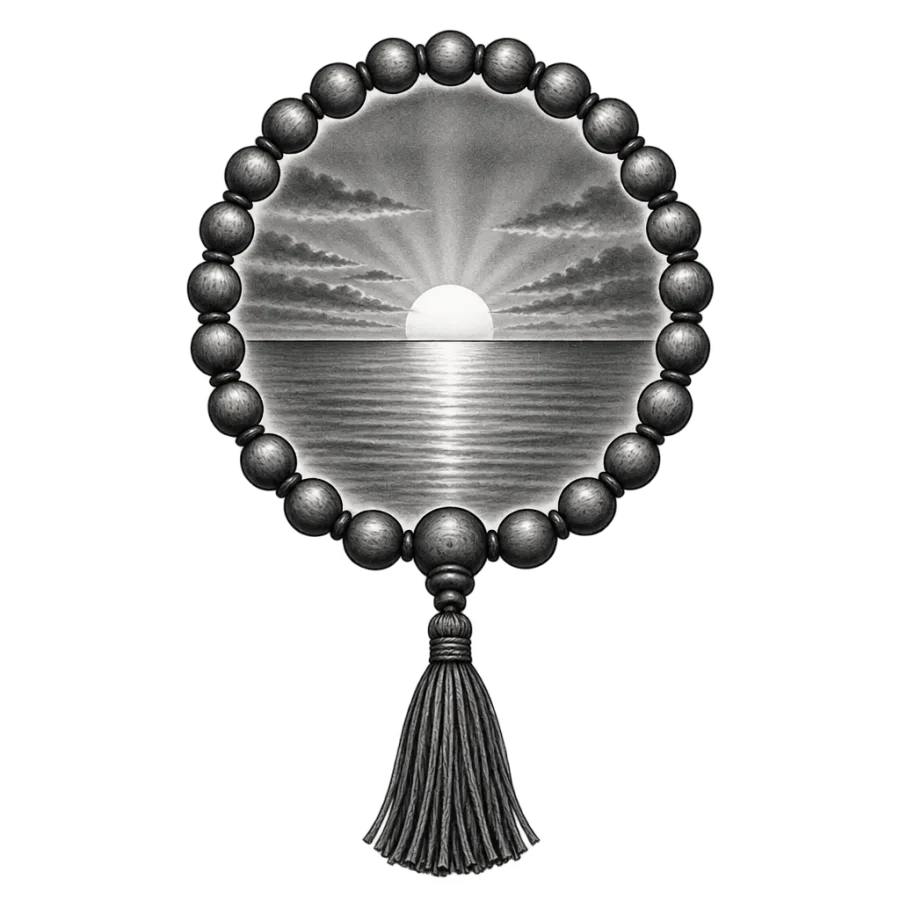
A loop of prayer beads circling a sunrise over still water
Use this prompt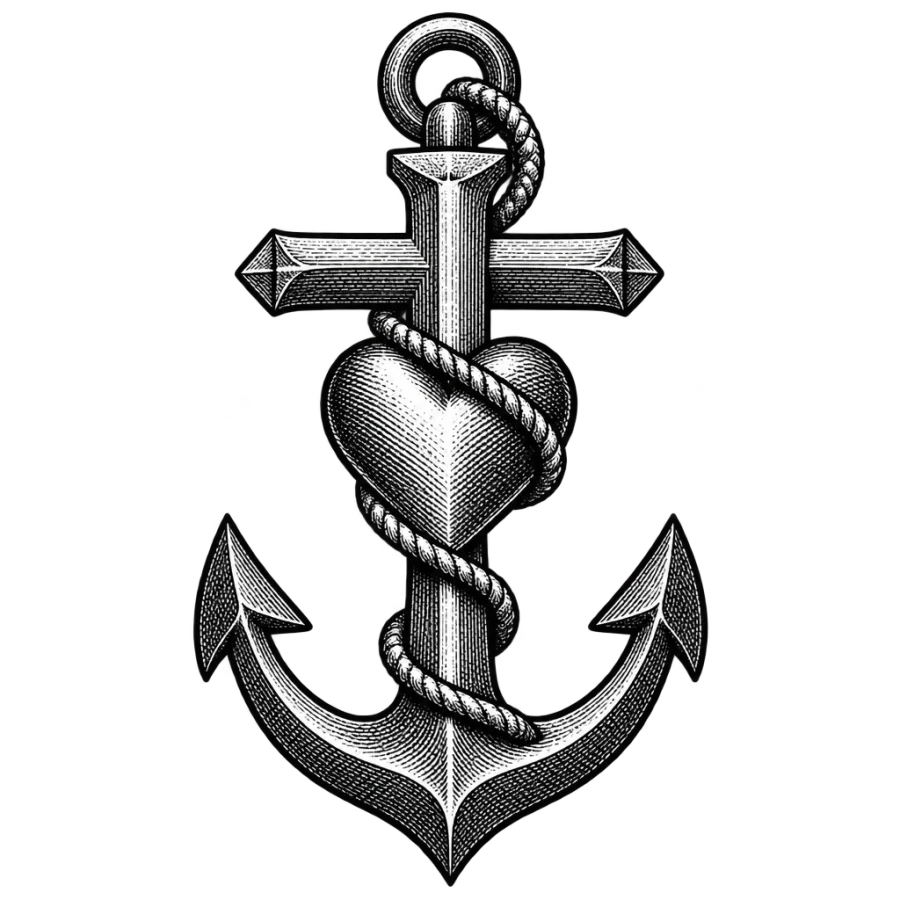
An anchor entwined with a cross and a heart, old engraving style
Use this prompt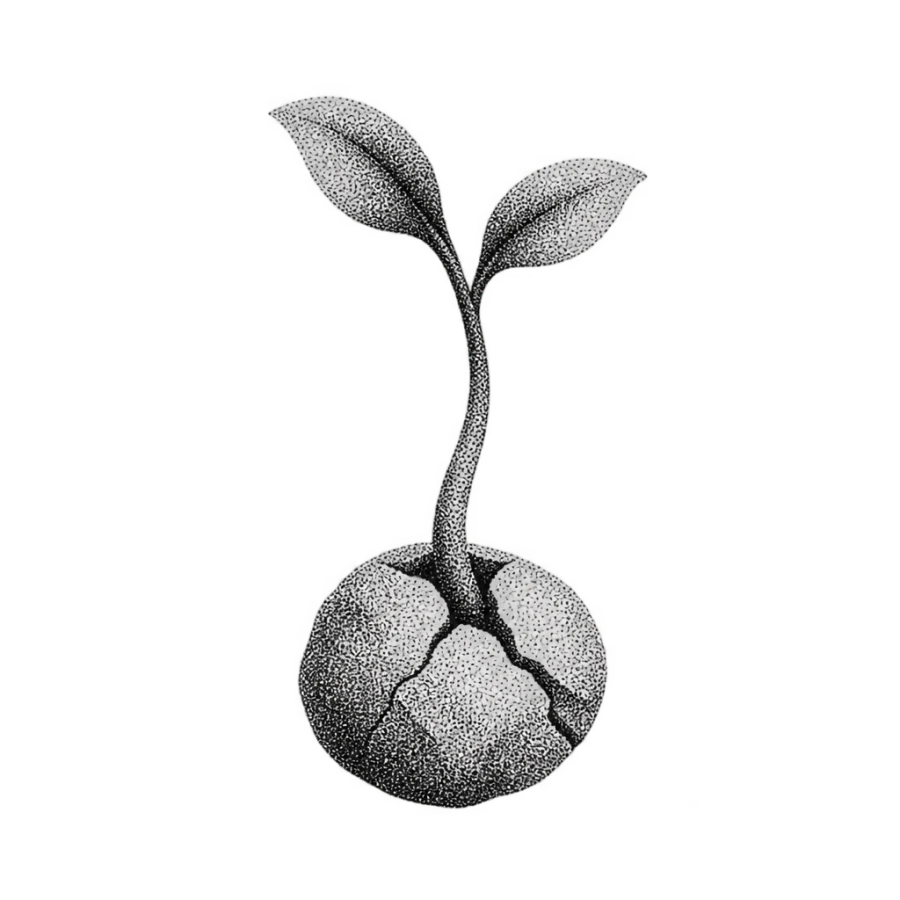
A tiny sprout rising from a cracked stone, dotwork only, no outlines
Use this prompt
A cathedral rose window cut in negative space from a black disc
Use this promptDescribe an idea of your own and get four designs back in about 20 seconds.
Open the generator
Questions people ask
Is it disrespectful to tattoo a religious symbol?
It depends on the symbol, the tradition and how you treat it. Wearing a symbol from your own background is generally uncontroversial. Taking one from a living tradition you do not practice deserves real research, and some symbols are considered inappropriate below the waist or on the feet in the traditions they come from.
Do any faiths discourage tattoos?
Several traditions have teachings or long standing customs about marking the body, and interpretations differ widely within each one. If this matters to you or to your family, speak to someone in your own community before booking. It is a much easier conversation to have beforehand than afterwards.
What does a mandala tattoo mean?
A mandala is a meditative diagram used in Hindu and Buddhist practice, built outward from a center point to represent wholeness. As a tattoo it is often used ornamentally for the symmetry alone. If the meaning matters to you, make sure the artist constructs it from a genuine center rather than drawing decorative pattern.
Where should I put a religious tattoo?
Chest, upper back and inner forearm are the common choices, and all give you control over who sees it. Consider workplaces and travel: a visible religious symbol is read differently in different countries. Some traditions also consider feet and lower leg placements inappropriate for sacred imagery, so check first.
How much does an ornamental faith tattoo cost?
A 10 cm cross or hamsa is usually $200 to $450. A large chest or back mandala with dense linework is commonly six to twelve hours at $120 to $250 an hour, so $900 upward across two or more sessions. Ask for a session plan and a written estimate.