Hourglass tattoo ideas, meaning and designs
An hourglass is a symmetrical object with a narrow waist, which makes it one of the few designs that genuinely suits the spine and the sternum.
- Pain level7 / 10 on the sternum
- Healing2 to 3 weeks on top
- Typical size8 to 20 cm (3 to 8 in)
- Studio cost$250 to $800
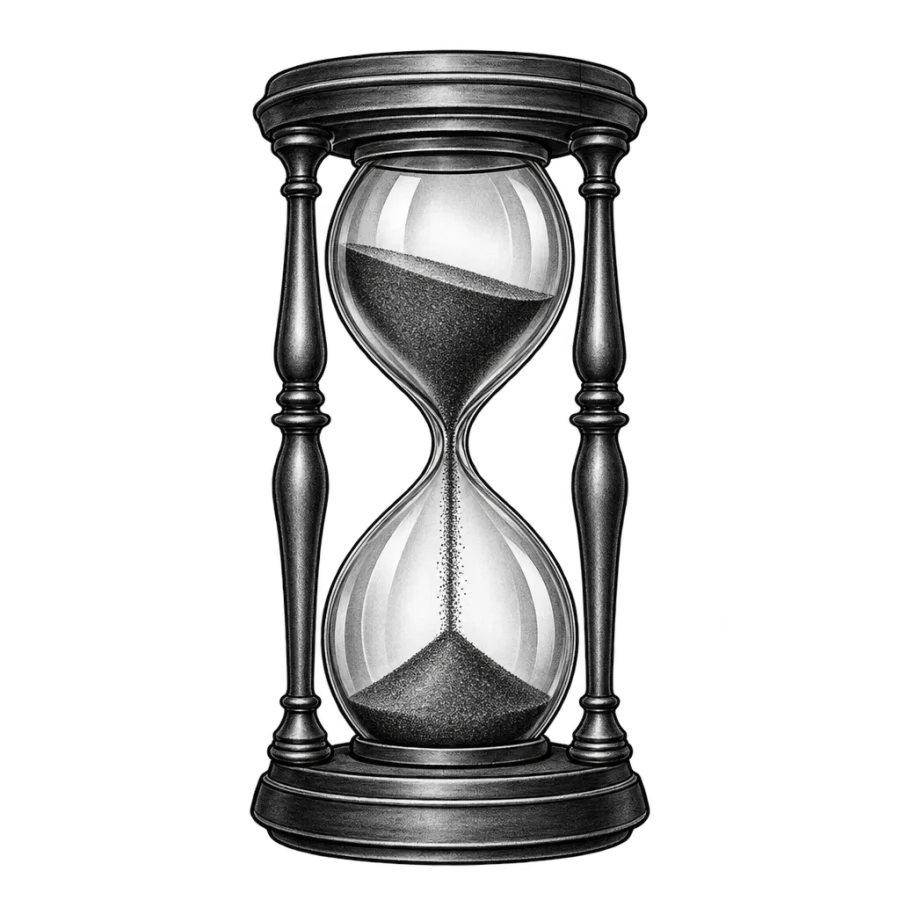
The winged hourglass is carved on gravestones across New England and Britain from the seventeenth and eighteenth centuries, usually beside a skull or a pair of wings, under the motto tempus fugit. That pairing moved into tattooing more or less intact, and a winged hourglass on a chest today is drawing on three hundred years of the same idea.
The object itself is good for skin. Two glass bulbs meeting at a narrow neck, a wooden frame with posts down each side, sand piled in one bulb and a cone building in the other. The frame gives the artist somewhere to put solid black and the glass gives them somewhere to leave bare skin, which is the balance most durable tattoos need.
How the object should be drawn
A convincing hourglass has a frame, usually a top and bottom plate joined by three turned posts, with the middle post hidden behind the glass. The bulbs are wider than the frame plates at their fullest point. Drawing the glass narrower than the frame is the most common mistake and it makes the whole thing look flat.
Sand needs two treatments. The heap in the lower bulb is drawn as a cone with a shaded side, and the falling stream is a single thin line from the neck to the top of the cone. Keep that stream at least 1 mm wide or it drops out during healing. Grain stipple in the upper bulb should be loose, since tight dots pack into solid grey over ten years.
Details that decide whether it reads
- Bulbs wider than the frame plates at their widest point
- The falling sand stream at 1 mm minimum so it survives healing
- A shaded side on the sand cone to give it volume
- Loose stipple in the upper bulb, spaced wider than looks right
Size and placement for a symmetrical shape
Because an hourglass is symmetrical top to bottom and left to right, it wants a placement where the body is symmetrical too. The sternum, the center of the spine and the back of the neck all suit it. So does the inner forearm, where the narrow waist of the glass lines up with the narrow part of the arm. It sits badly on a shoulder cap, which curves in two directions and twists the frame.
Eight centimeters is the floor for a simple outline version and 12 to 15 cm gives you room for sand, a stream and frame detail. Realistic glass with reflections and a wood grain frame needs 18 to 20 cm. On the sternum expect a sharper sit, around 7 out of 10, and plan on two to three hours for a 15 cm piece.
Placements that fit
- Sternum, 12 to 18 cm, centered on the midline
- Inner forearm, 10 to 15 cm, with the waist at the narrowest part of the arm
- Spine, 15 to 25 cm, often with the frame extended into line work
- Back of the neck, 6 to 9 cm, outline only
Styles the shape suits
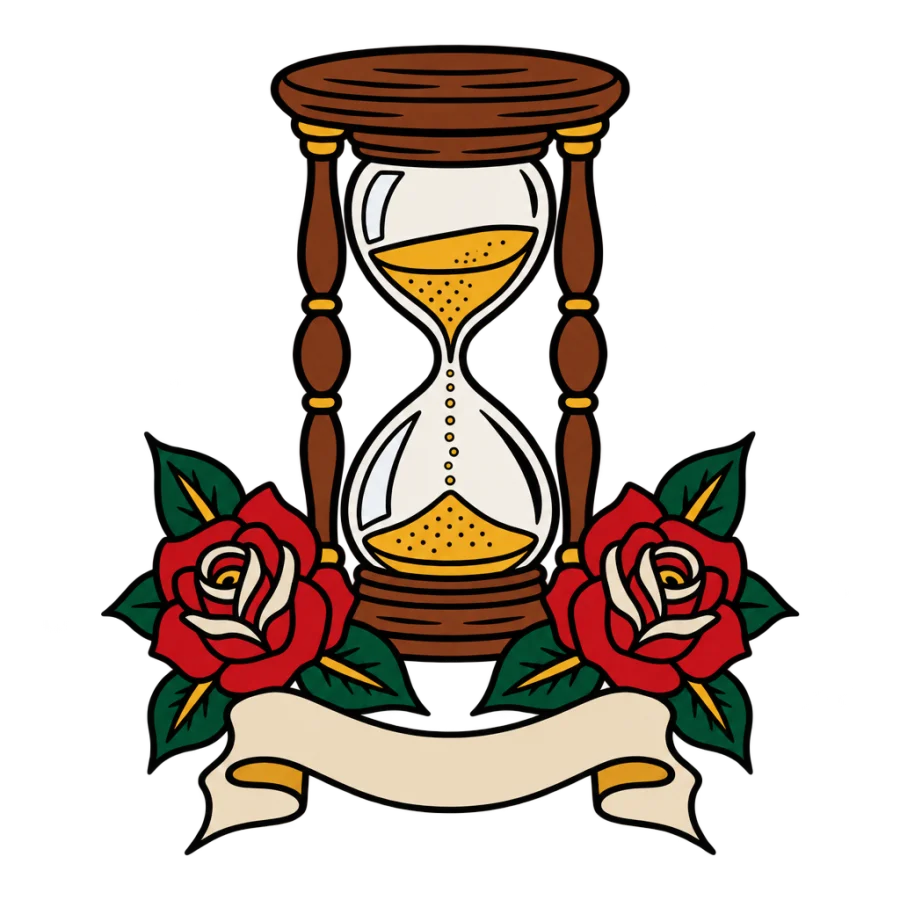
American traditional hourglasses are flat, heavily outlined and often winged, and they will outlast every other version. Black and grey realism gives you real glass, with reflections on the curve of each bulb and a bright edge where light passes through. That version needs contrast: ask for genuine black behind the glass or inside the frame shadow so it does not end up as pale grey.
Ornamental and dotwork treatments replace the sand with pattern, sometimes a rose, a landscape or a flock of birds inside the bulbs. Those work well but demand careful spacing, since the design is already dense at the neck of the glass. Fine line hourglasses at 8 to 10 cm should skip the grain stipple and keep to outline, stream and a solid sand cone.
Ageing, and the versions people ask for
The frame and the outer glass outline hold for decades. The sand is what changes. Fine stipple fills in and a bulb that read as individual grains at one year reads as a grey mass at eight. White highlights on the glass grey out faster still, usually within two or three years, so treat them as temporary and ask the artist to leave bare skin for the brightest points instead.
The most common change people make later is adding to the sand. An hourglass drawn with plain sand can have a rose, a small landscape or a name worked into the lower bulb years afterward without disturbing the frame. Designs that were crowded from the start leave no room for that.
Variations that come up
- Winged hourglass in the memento mori style, usually on the chest
- Broken glass with sand spilling out of a crack in the lower bulb
- A rose or a landscape replacing the sand in one bulb
- Hourglass paired with a skull, the classic gravestone arrangement
- Sand falling upward, drawn for someone who got time back
15 hourglass tattoo designs, with the prompt behind each one
Every design below came out of AI Tattoo Lab. Tap one to load its prompt into the generator, then change a word and make it yours.
Hourglass tattoo design
Use this prompt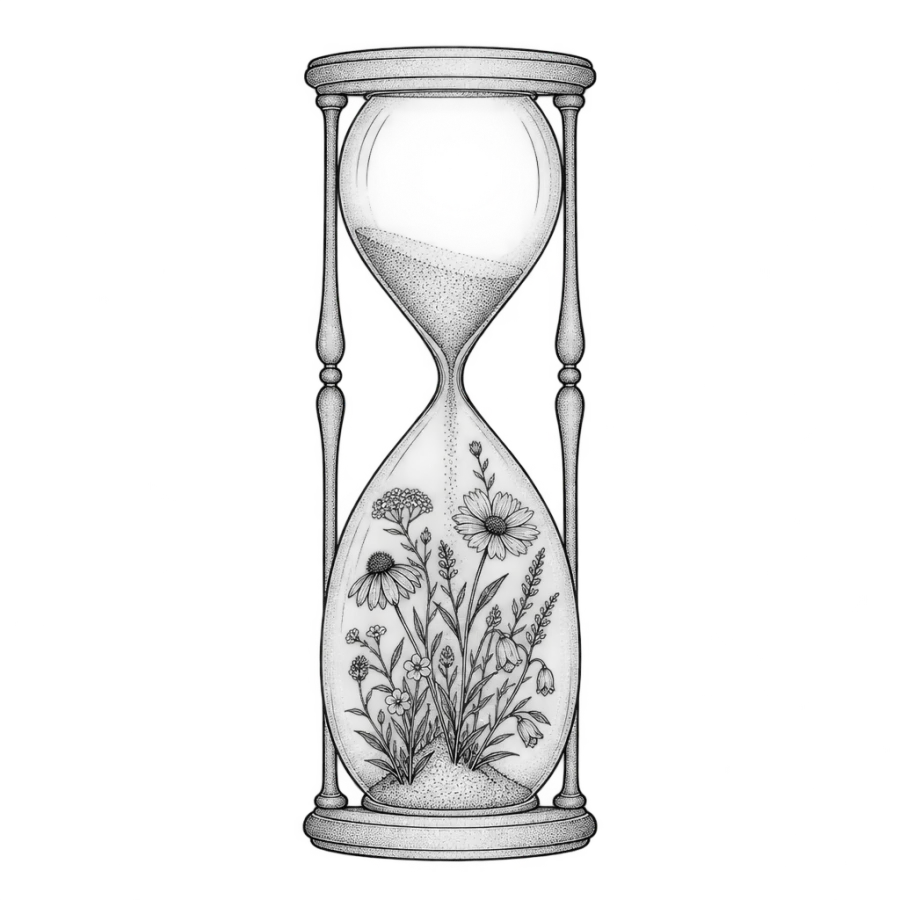
Hourglass tattoo design
Use this prompt
Hourglass tattoo design
Use this prompt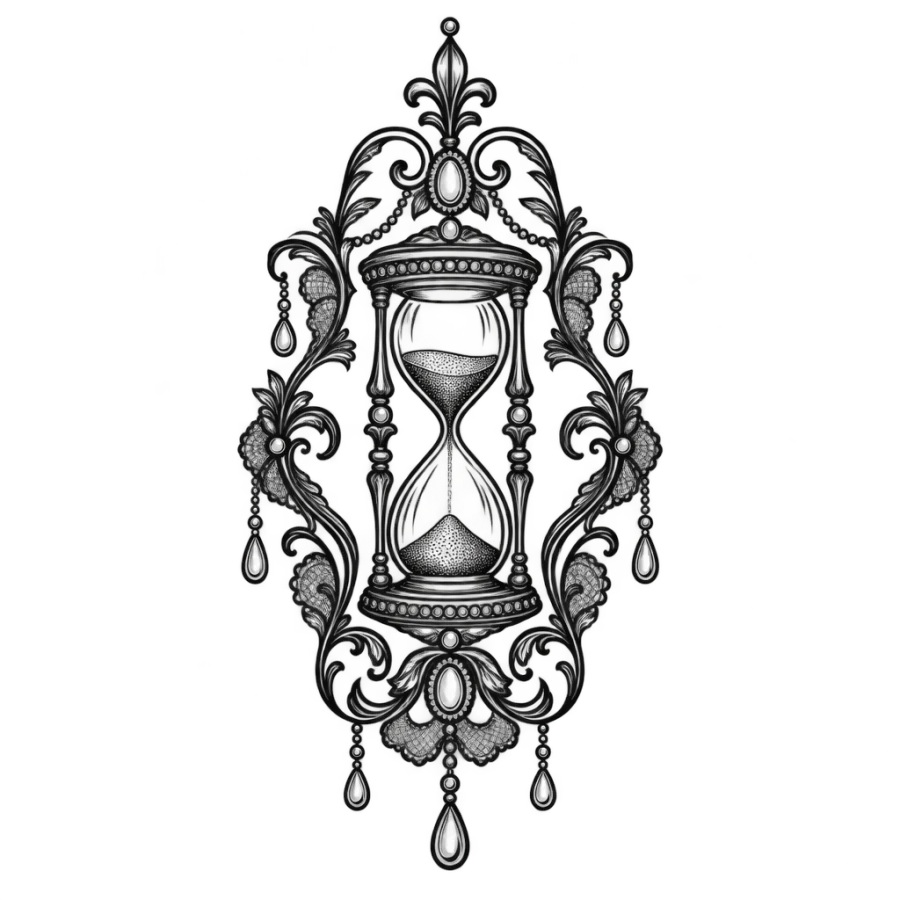
Hourglass tattoo design
Use this prompt
Hourglass tattoo design
Use this prompt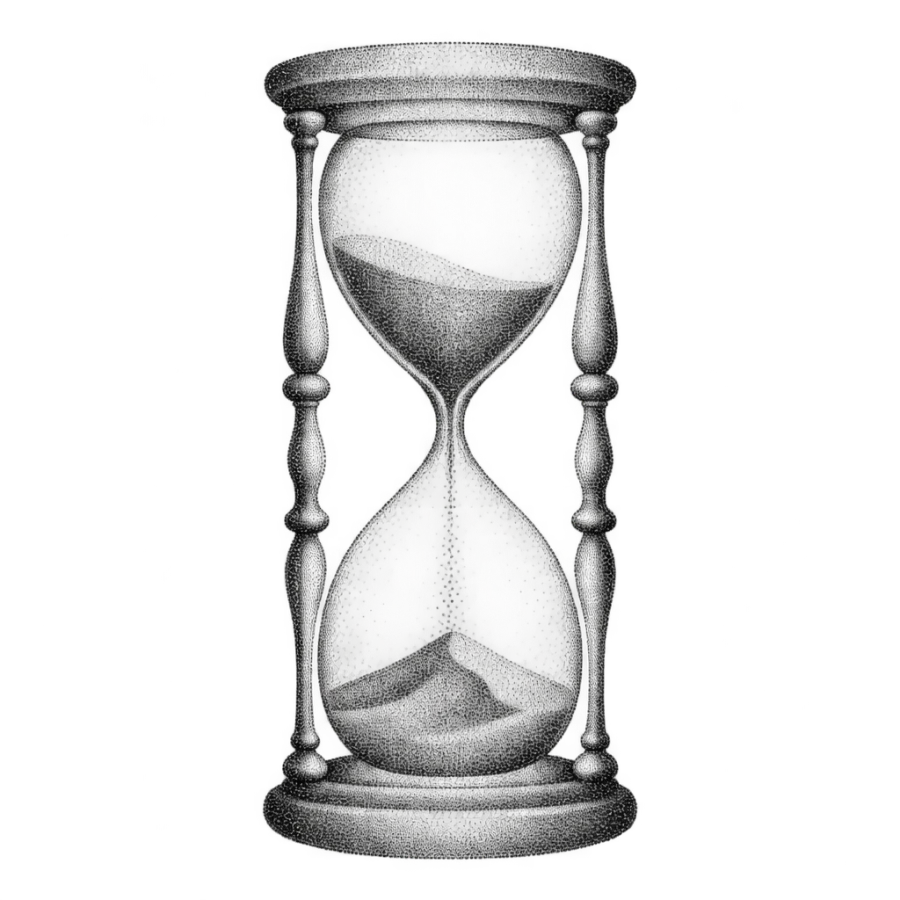
Hourglass tattoo design
Use this prompt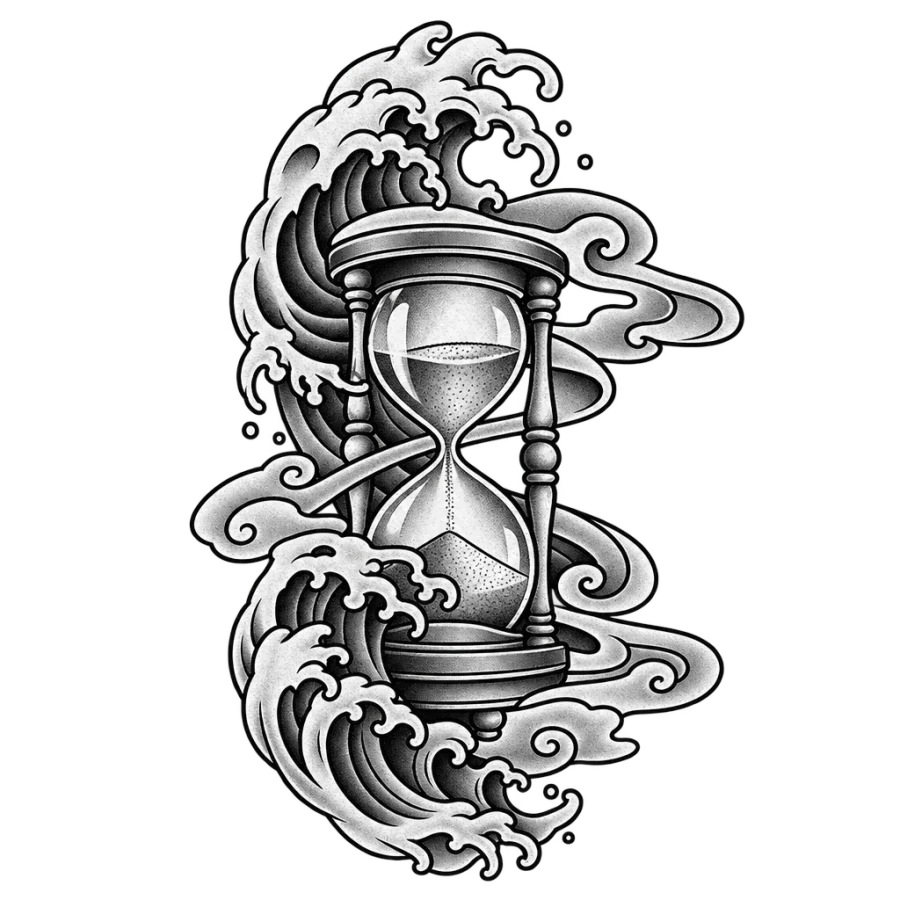
Hourglass tattoo design
Use this prompt
Hourglass tattoo design
Use this prompt
Hourglass tattoo design
Use this prompt
Hourglass tattoo design
Use this prompt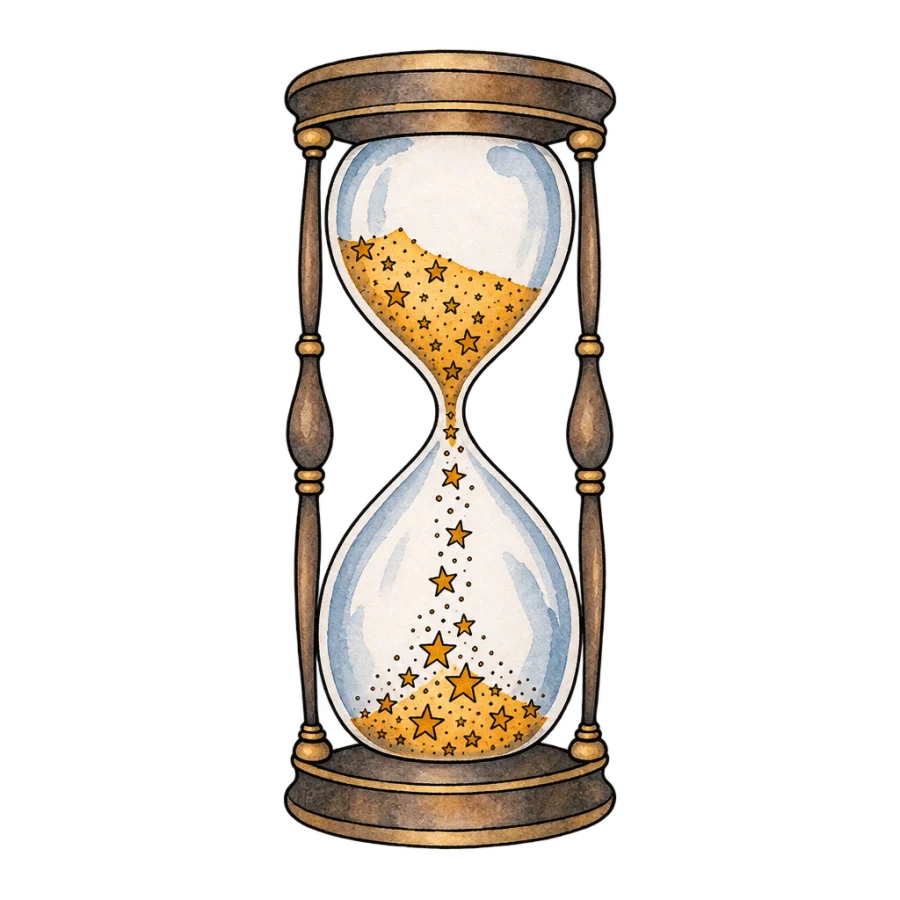
Hourglass tattoo design
Use this prompt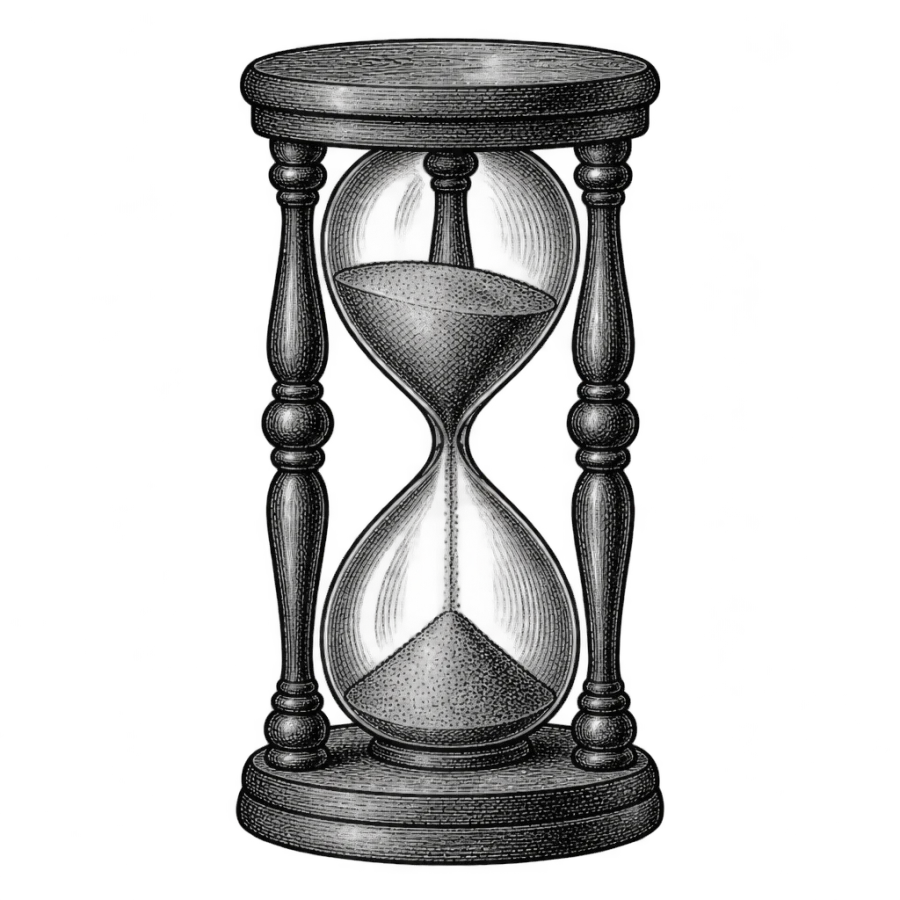
An antique hourglass in a wooden frame, antique engraving hatching
Use this prompt
An hourglass cut out of a solid black panel, negative space
Use this prompt
An hourglass with a flower growing from its base, one continuous line
Use this promptDescribe an idea of your own and get four designs back in about 20 seconds.
Open the generator
Questions people ask
What does an hourglass tattoo mean?
Time passing, and usually an awareness of how much has gone. The image comes from memento mori carving, where a winged hourglass on a headstone sat under the words tempus fugit. People often get one after an illness or a death. A broken hourglass reads as time cut short.
How big should an hourglass tattoo be?
Eight centimeters is the floor for a simple outline, and 12 to 15 cm gives room for the sand, the falling stream and frame detail. Realistic glass with reflections and wood grain wants 18 to 20 cm. The falling sand stream should be at least 1 mm wide whatever the size.
Where does an hourglass tattoo look best?
Symmetrical places suit it: the sternum, the center of the spine, the back of the neck and the inner forearm, where the waist of the glass lines up with the narrow part of the arm. It sits poorly on a shoulder cap because that surface curves in two directions and twists the frame.
Does an hourglass tattoo on the sternum hurt?
Yes, around 7 out of 10 for most people. The needle works over bone with almost no padding and the area moves with your breathing. A 15 cm piece there usually takes two to three hours. Eating properly beforehand and taking short breaks helps more than anything else.
Do hourglass tattoos age well?
The frame and the outer glass outline last for decades. The sand is what changes, since fine stipple fills in and a bulb of individual grains becomes a grey mass in about eight years. White highlights on the glass grey out within two or three, so ask for bare skin instead.