White ink tattoo ideas and honest limits
White ink tattoos are the least predictable work in tattooing: they fade yellow, they can read as a scar, and plenty of artists will not do them.
- Pain level5 / 10, extra passes
- Healing3 to 4 weeks, often raised
- Typical size4 to 12 cm (2 to 5 in)
- Studio cost$150 to $500

A white ink tattoo uses white pigment alone, with no black outline behind it. The result on fresh skin is pale and raised, closer to embossing than to drawing, and it shows up as a subtle change in the surface rather than as a picture in a different color. That look is the whole reason people want one.
It is also the hardest thing in tattooing to predict. White pigment is thin, it sits under skin that has its own color, and it reacts to sun, to the healing process and to your own undertones. The same design on two people can heal as a clean pale line on one and as a yellow smudge on the other.
How white ink actually sits in skin
White pigment is mostly titanium dioxide, and it is opaque in the bottle and translucent once it is in you. Your skin sits over the top of it, so the color you see afterward is white filtered through whatever tone and thickness of skin you have. Black ink reads as black on everyone. White does not read as white on anyone.
Because it covers so poorly, artists work white in several passes to get any density, which means more trauma to the skin than a black line of the same length. That extra work is why fresh white ink often sits raised, and on some people the raised texture stays. A few artists lay a light grey or skin tone base first to give it something to sit against.
What happens over the first five years
Three things commonly happen, and which one you get is hard to predict. The design yellows, turning a pale cream or amber color as the pigment reacts to sun and to the tissue around it. It disappears, becoming so faint that only the texture remains. Or it heals raised and glossy, and reads as a scar rather than as ink.
Sun accelerates all of it. White pigment has no depth of color to lose slowly, so once it starts going it goes quickly, and touch ups have limited effect because the second pass has the same problems as the first. Expect the design to look different at year three than it did at week six, and plan for that rather than hoping.
What makes a white ink tattoo behave better
- A placement out of daily sun, such as the inner arm or the back of the shoulder
- Simple shapes with space between lines, since crowded work blurs into one pale patch
- An artist who has healed photographs of white work from a year ago or more
- Daily sunscreen once the tattoo is healed
- Accepting the texture, since raised healing is common rather than a fault
Skin tone, and why results vary so much
White ink is hardest to see on darker skin tones. The pigment is translucent, so a deeper skin tone sits over it and mutes it almost entirely, and what remains often reads as a faint scar line instead of a white one. Most artists who work on deep skin tones will tell you straight that white will not give you the design you have in mind.
Pale skin gives the clearest result, but pale skin also shows yellowing more obviously once it starts. Undertone matters too: yellow undertones tend to push healed white toward cream. If you want subtle work on a deeper skin tone, dense black linework at a small scale is the option that actually reads, and most artists will steer you there.
Why many artists refuse, and what to ask for instead
A lot of tattooers will not take white ink work. The healed result is unpredictable, clients come back disappointed, and the photographs do the artist no favors. A refusal here is usually a sign the artist has done it before and did not like what happened. Some will agree to small, simple designs while telling you clearly what to expect.
The middle route is white used as a highlight inside a black or color tattoo, which is what white pigment was made for. Small white accents on a black and grey piece, white dots in ornamental work, or a fine line design in black at a small scale all give you a delicate result that will still be there in fifteen years.
15 white ink tattoo designs, with the prompt behind each one
Every design below came out of AI Tattoo Lab. Tap one to load its prompt into the generator, then change a word and make it yours.

White ink tattoo design
Use this prompt
White ink tattoo design
Use this prompt
White ink tattoo design
Use this prompt
White ink tattoo design
Use this prompt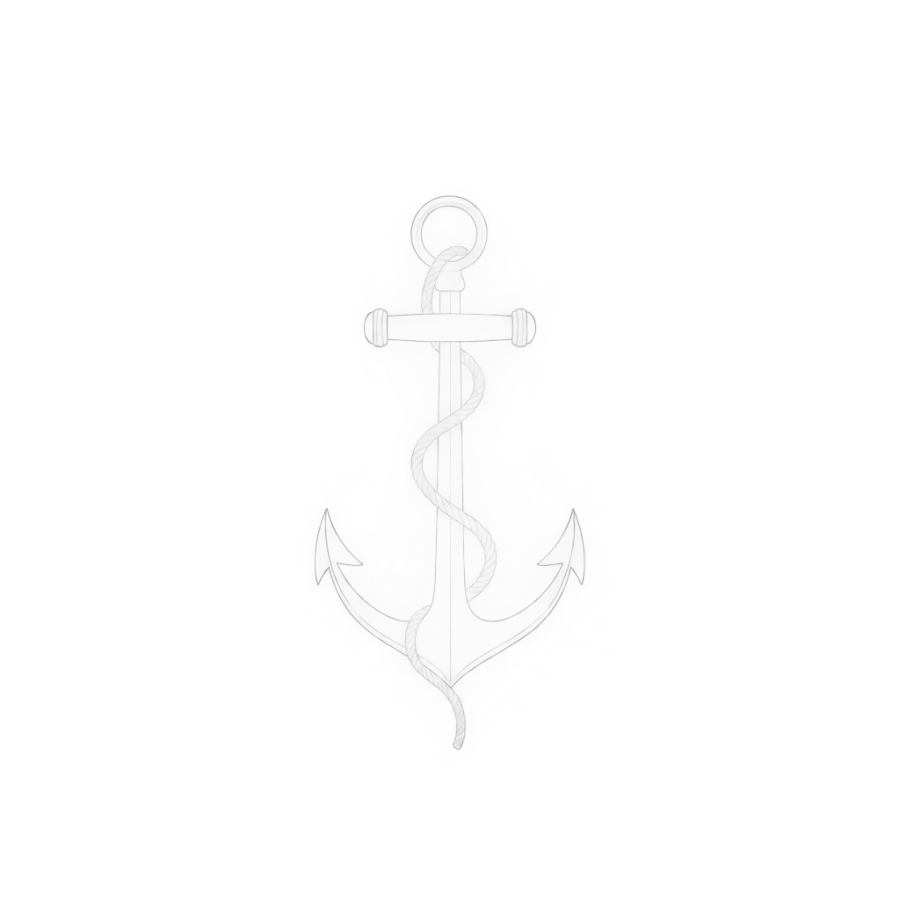
White ink tattoo design
Use this prompt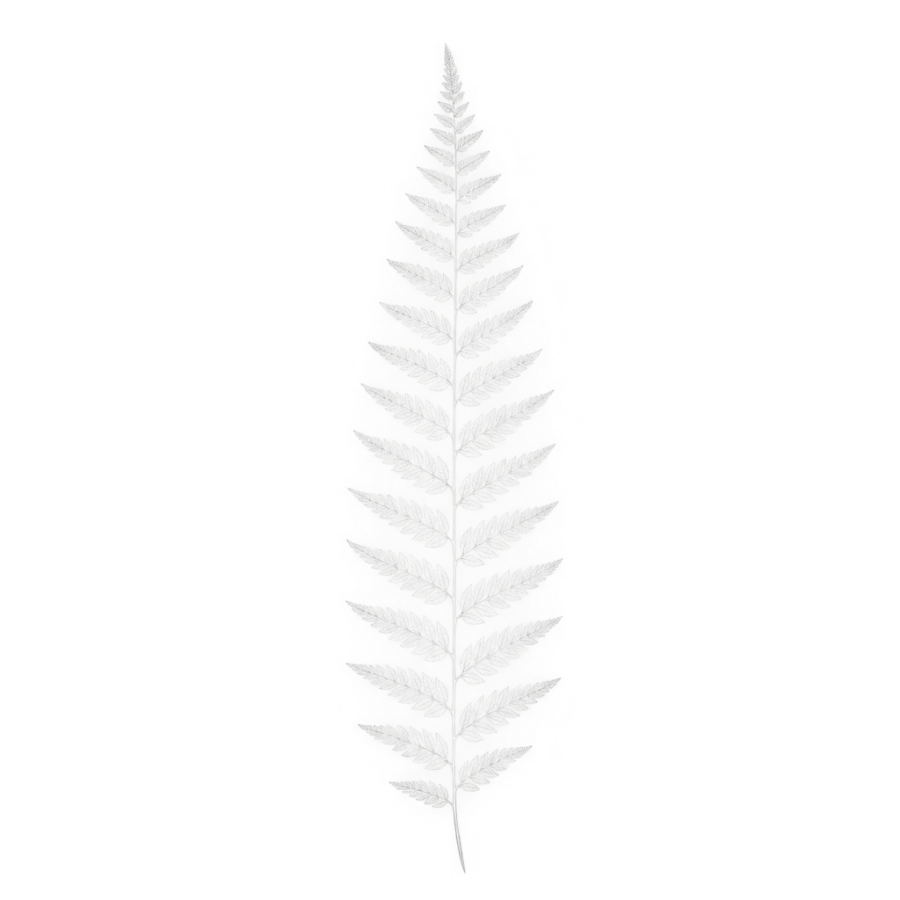
White ink tattoo design
Use this prompt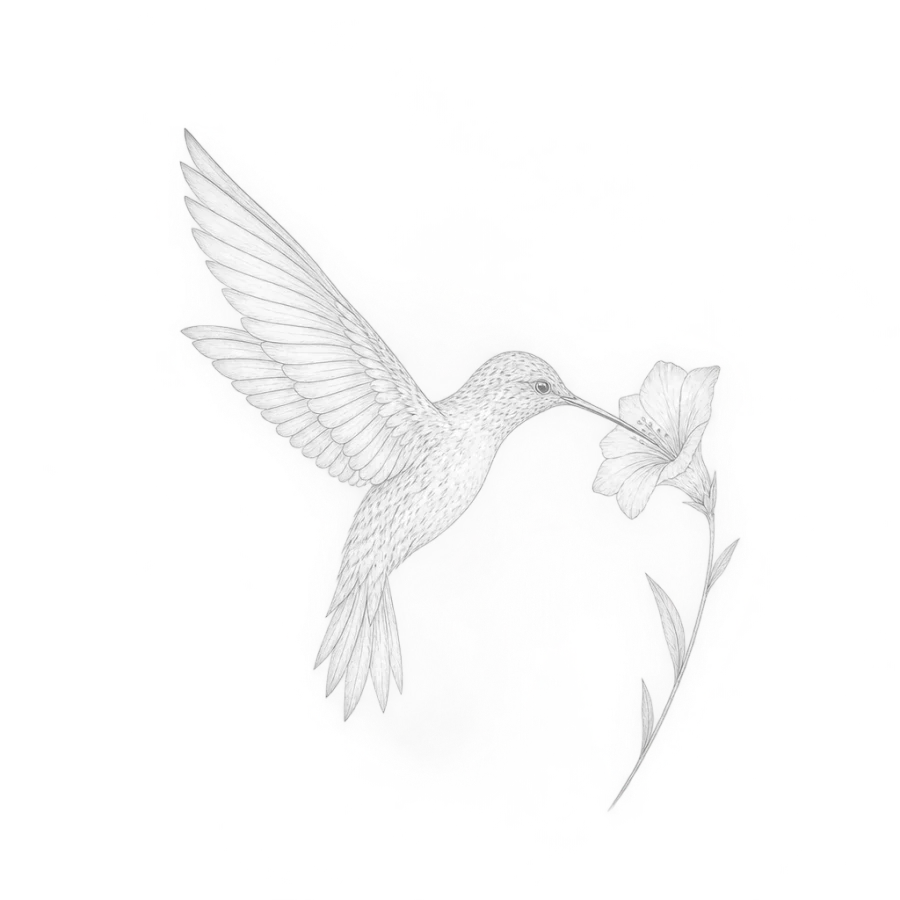
White ink tattoo design
Use this prompt
White ink tattoo design
Use this prompt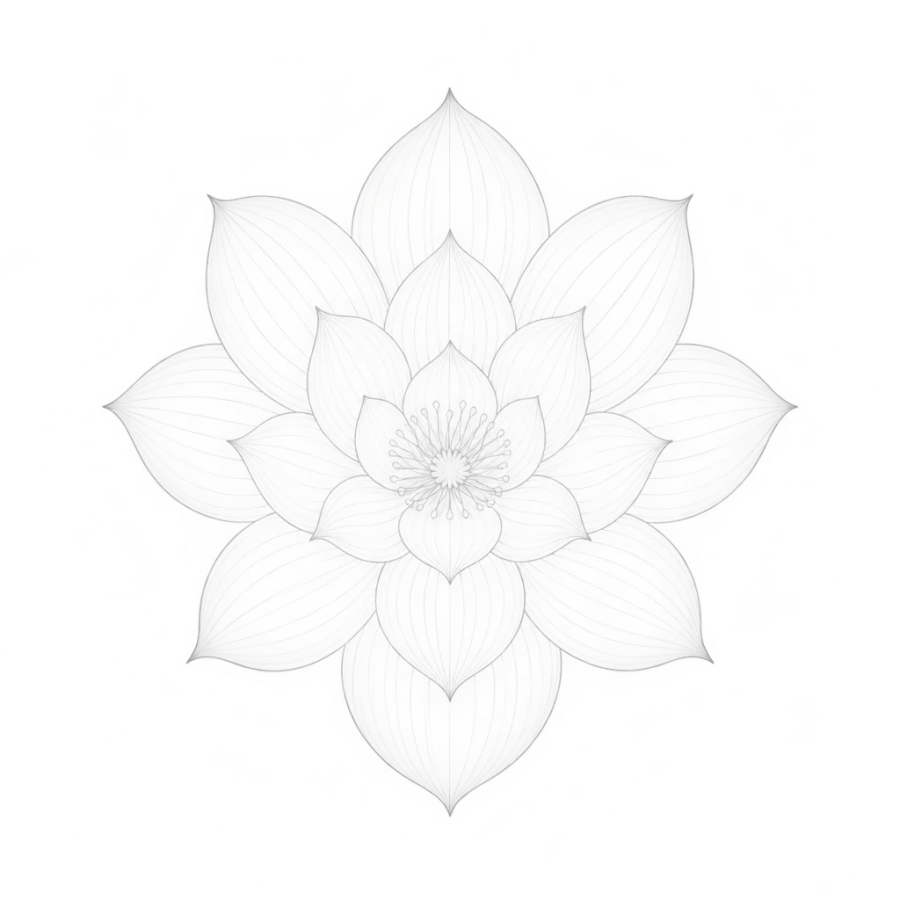
White ink tattoo design
Use this prompt
White ink tattoo design
Use this prompt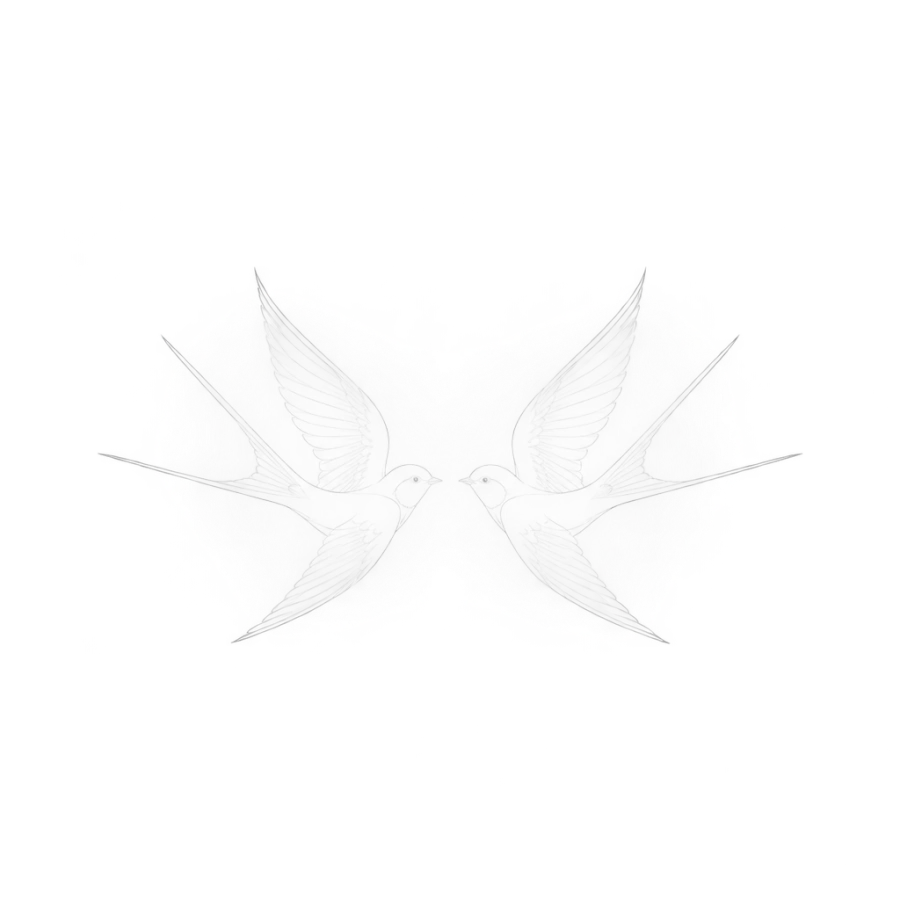
White ink tattoo design
Use this prompt
Two mirrored fern fronds meeting at a tiny star, white ink hairlines
Use this prompt
A dragonfly in one continuous white ink hairline, almost weightless
Use this prompt
An oval filigree frame around a tiny crescent moon, white ink hairlines
Use this promptDescribe an idea of your own and get four designs back in about 20 seconds.
Open the generator
Questions people ask
Do white ink tattoos really turn yellow?
Often, yes. White pigment is translucent and reacts to sun and to the tissue around it, so many heal to a cream or amber tone within one to three years. Others fade until only the texture is left. Keeping the tattoo out of the sun slows it down but does not stop it.
Do white ink tattoos look like scars?
Sometimes. Artists work white in several passes to get any density, and that extra trauma can leave the design raised and glossy. On some people the texture settles flat, on others it stays. If a raised pale line would bother you, this style carries a real chance of it.
Does white ink show up on dark skin?
Rarely well. The pigment is translucent, so deeper skin tones sit over it and mute it almost completely, and what remains usually reads as a faint scar line. Most artists will advise against it. Fine black linework at a small scale gives a far more reliable subtle result.
Why will some tattoo artists not do white ink?
Because the healed result is unpredictable and clients come back unhappy. The same design can heal cleanly on one person and blur, yellow or raise on another, with nothing the artist did differently. A refusal usually means they have tried it and did not like how it aged.
Can a white ink tattoo be covered or removed later?
Covering is straightforward, since almost any black or color design sits over a pale one with little preparation. Removal is harder than it sounds: laser can darken titanium based white pigment instead of clearing it, so ask a removal clinic to test a small area first.