Fine line tattoo ideas and designs
Fine line work is built on one thin, steady line, usually laid with a single needle, and it rewards restraint far more than it rewards detail.
- Pain level4 / 10 on the forearm
- Healing2 to 3 weeks on the surface
- Typical size5 to 15 cm (2 to 6 in)
- Studio cost$120 to $600

Fine line tattooing draws the whole piece at one light weight of line, most often with a 1RL or 3RL needle running at low voltage and slow hand speed. There is almost nowhere to hide. A wobble in a 0.3 mm line reads as a wobble forever, so artists who specialize in it tend to work small, slow and very deliberately.
The look became popular because it sits quietly on skin. A fine line piece can pass for a pen mark from two meters away and still hold real drawing up close. That softness is also the trade off. Less ink in the skin means less contrast to lose, and the style asks for honest expectations about how crisp it will stay.
How a fine line tattoo is actually made
Most fine line artists run a 1RL for outlines in 0.30 mm or 0.35 mm diameter, stepping up to a 3RL where a line needs a little body, and they pull slowly at a shallow needle depth. Too deep and the ink spreads sideways under the skin. Too shallow and the line drops out during healing. The margin between those two mistakes is small.
Shading, when there is any, is stipple or a soft whip with a 3RL or 5RL rather than a packed grey wash. Some artists dilute black into two or three wash strengths, others build every tone from dot density alone. Either way the aim is to keep the piece reading as a drawing rather than as a painting.
A typical fine line setup
- 1RL and 3RL cartridges in 0.30 mm and 0.35 mm for all line work
- 5RL kept aside for the occasional heavier accent line
- Diluted black mixed to two or three wash strengths
- Low voltage, roughly 6 to 7 volts, with a short needle stroke
- A stencil printed at final size so spacing is locked before the machine starts
Subjects that suit the style
Fine line flatters anything that is already a drawing: botanical studies, hands, script, small animals with clean silhouettes, architectural line work, star charts. It struggles with subjects that depend on contrast, like a portrait, a tiger face or a heavy smoke cloud. If your reference needs dark mass to be readable, the style will fight you the whole way.
A useful test is to squint at the reference. If it still reads with all the grey removed, it will work in fine line. If it collapses into a smudge, move the idea toward black and grey realism or blackwork instead, or keep the fine line piece as a delicate satellite next to a bolder anchor design.
How fine line ages over 10 to 15 years
Every tattoo spreads a little as ink settles in the dermis. A 3 mm bold line spreading by 0.2 mm is invisible. A 0.3 mm line spreading by 0.2 mm has grown by two thirds. That is the honest arithmetic of the style. At 10 to 15 years, expect lines that are softer, slightly wider and a shade lighter, especially on sun exposed skin.
It ages best when the drawing has air in it. Details packed closer than about 2 mm tend to merge into a grey block over a decade. Artists who have worked in the style for years build that gap in on purpose, and many will refuse to shrink a design below the size where it can survive.
What keeps fine line crisp longer
- Daily sunscreen once healed, SPF 30 or higher
- At least 2 mm of clear skin between any two lines
- Placements with less friction and less stretch
- One touch up around year two rather than a rescue job at year ten
Placement, size and studio cost
Inner forearm, outer bicep, the back of the shoulder and the upper back all hold fine line well, because skin there is relatively stable and protected. Hands, fingers, feet and the inner wrist look beautiful the week they heal and are the first places the style breaks down, since those areas shed and flex constantly.
A sensible minimum is about 5 cm for anything with internal detail, and 7 to 8 cm once the subject has layered elements. Most studios charge a shop minimum of $100 to $150 for something small, with $400 to $900 typical for a detailed 15 cm botanical across two to three hours. Named fine line specialists in large cities charge well above that and book months out.
15 fine line tattoo designs, with the prompt behind each one
Every design below came out of AI Tattoo Lab. Tap one to load its prompt into the generator, then change a word and make it yours.
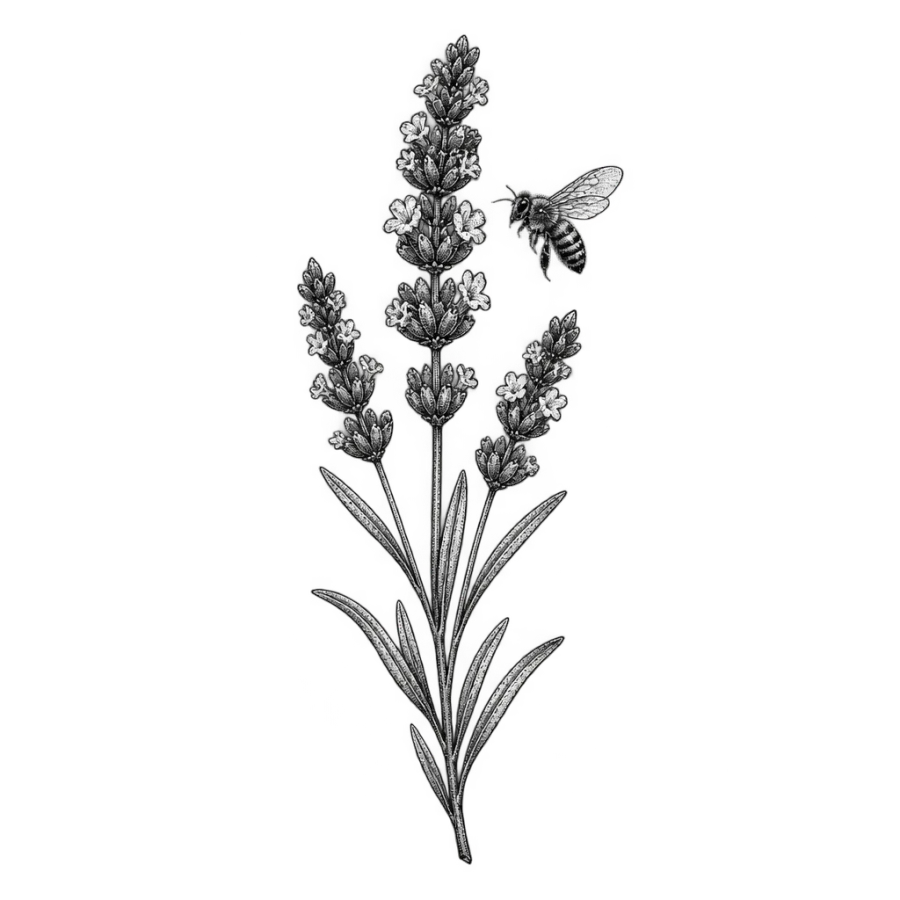
A lavender sprig with a honeybee hovering beside it, fine line, delicate
Use this prompt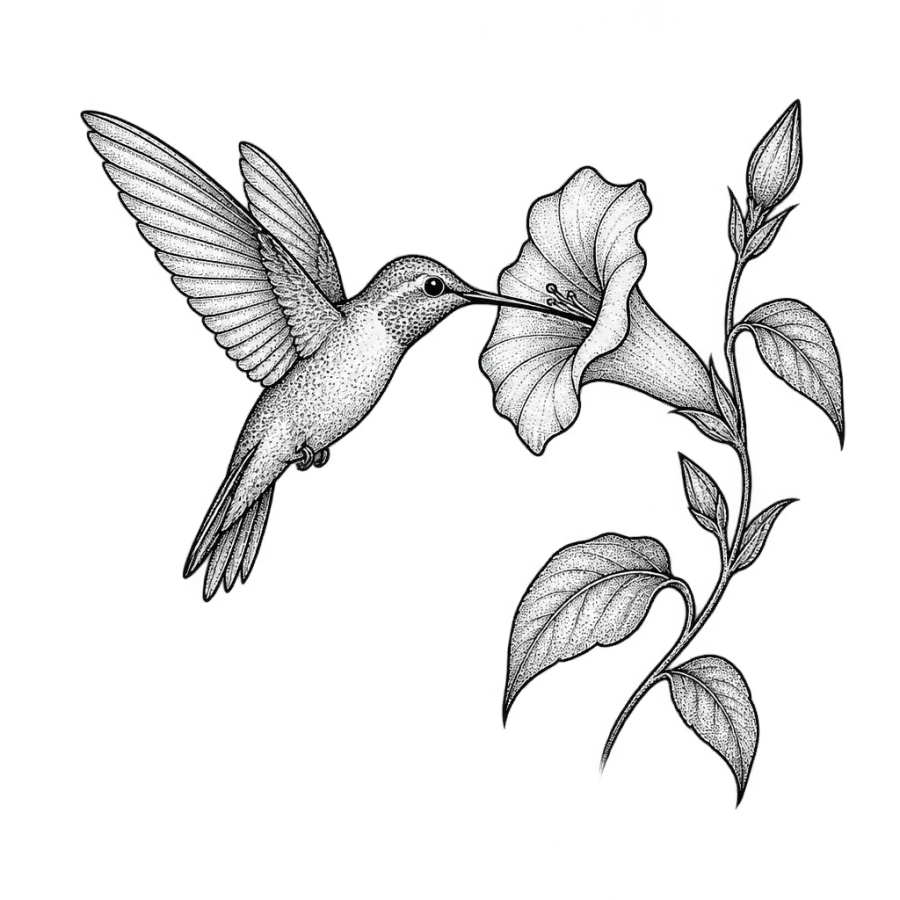
A hummingbird feeding at a trumpet flower, fine line, thin clean linework
Use this prompt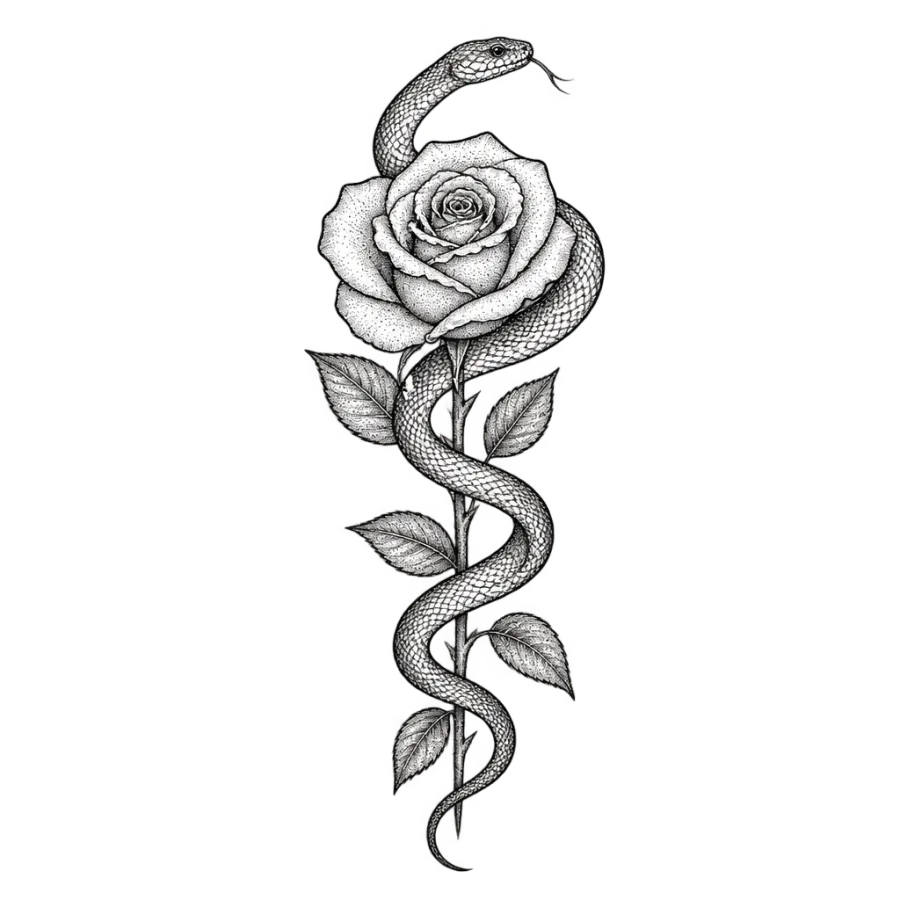
A slender snake coiled around a blooming rose, fine line, no shading
Use this prompt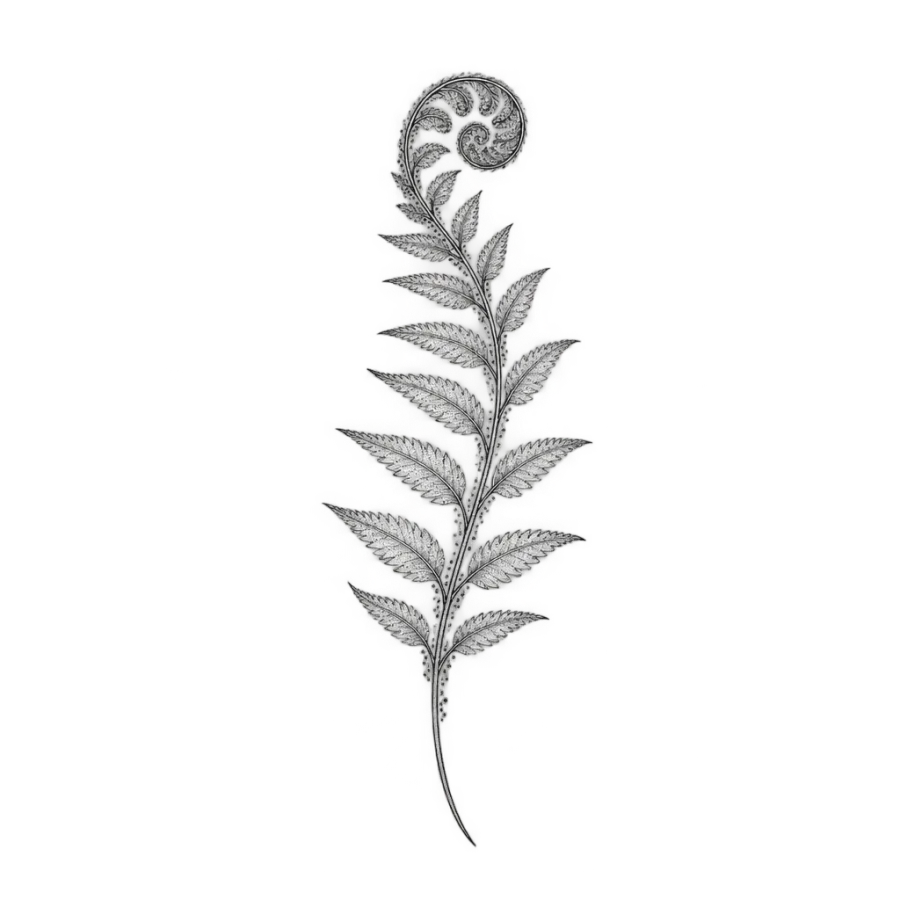
An unfurling fern frond with tiny dotted spores, fine line, delicate
Use this prompt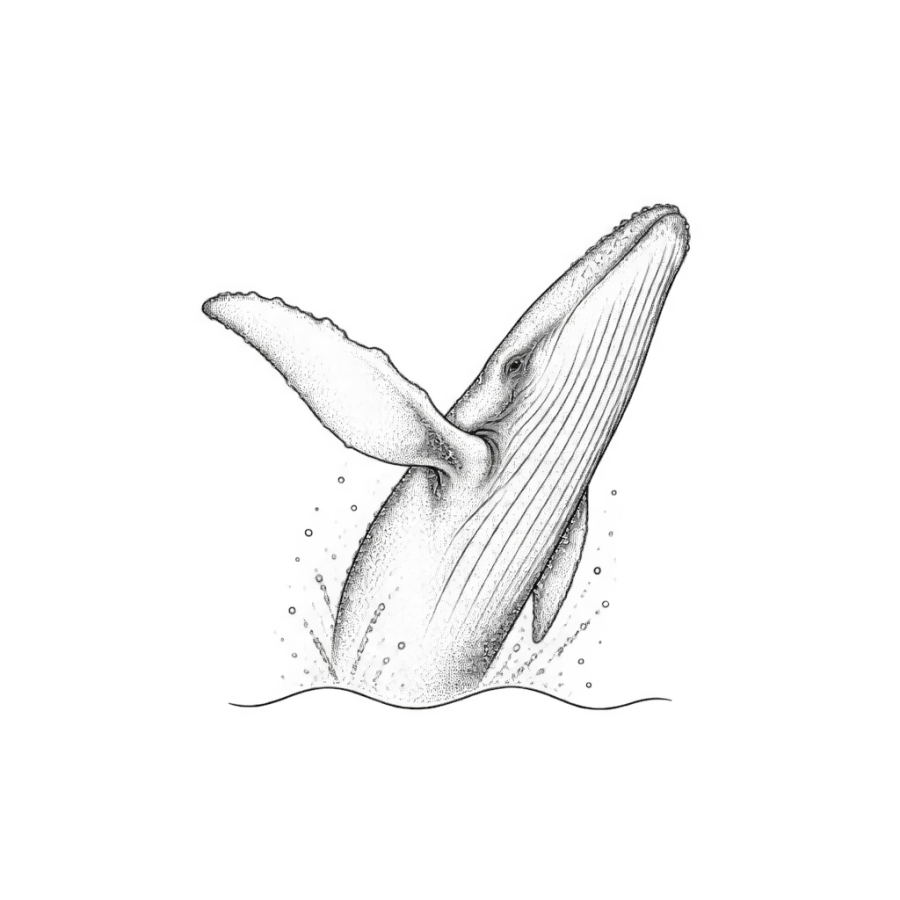
A whale breaching above one thin wave line, fine line tattoo
Use this prompt
A crescent moon on a thin chain with small stars, fine line
Use this prompt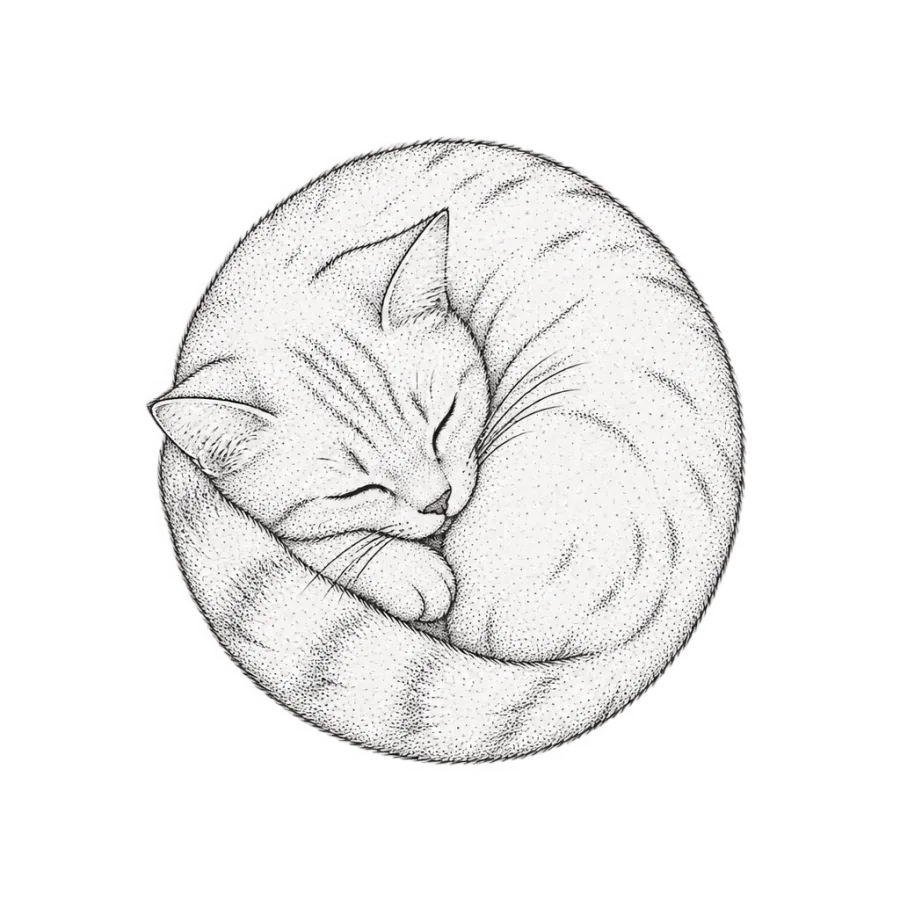
A sleeping cat curled into a circle, fine line, minimal shading
Use this prompt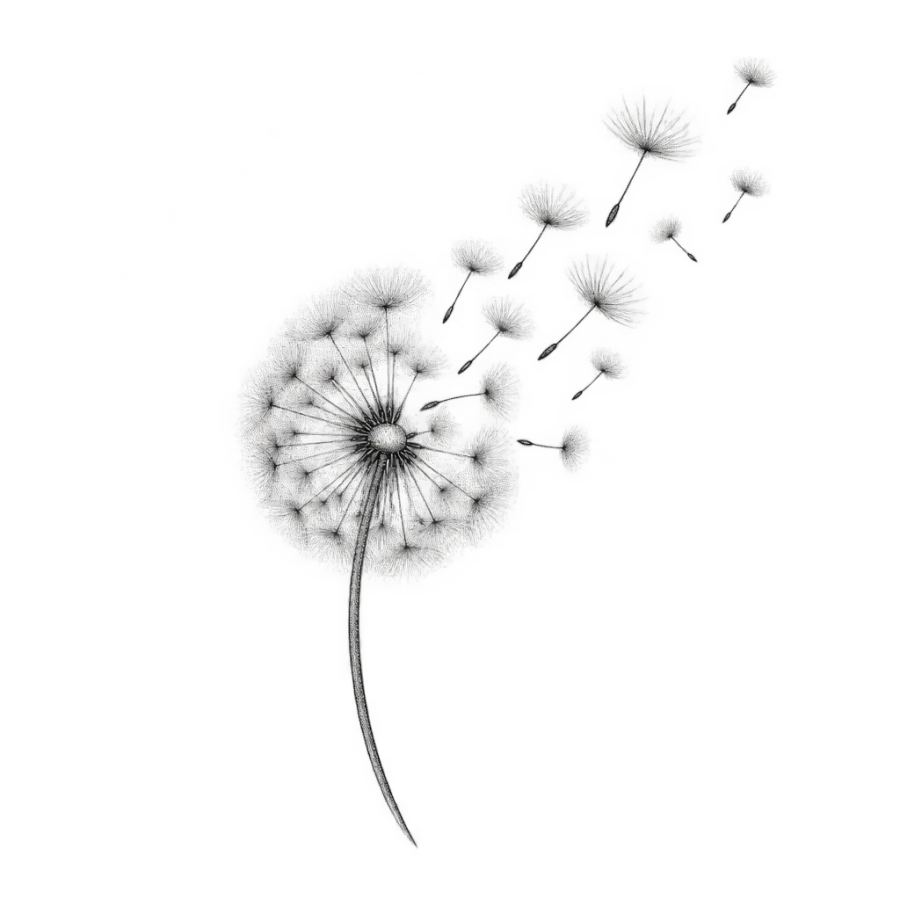
A dandelion with seeds drifting away on the wind, fine line
Use this prompt
A butterfly drawn in one continuous unbroken line, very minimal
Use this prompt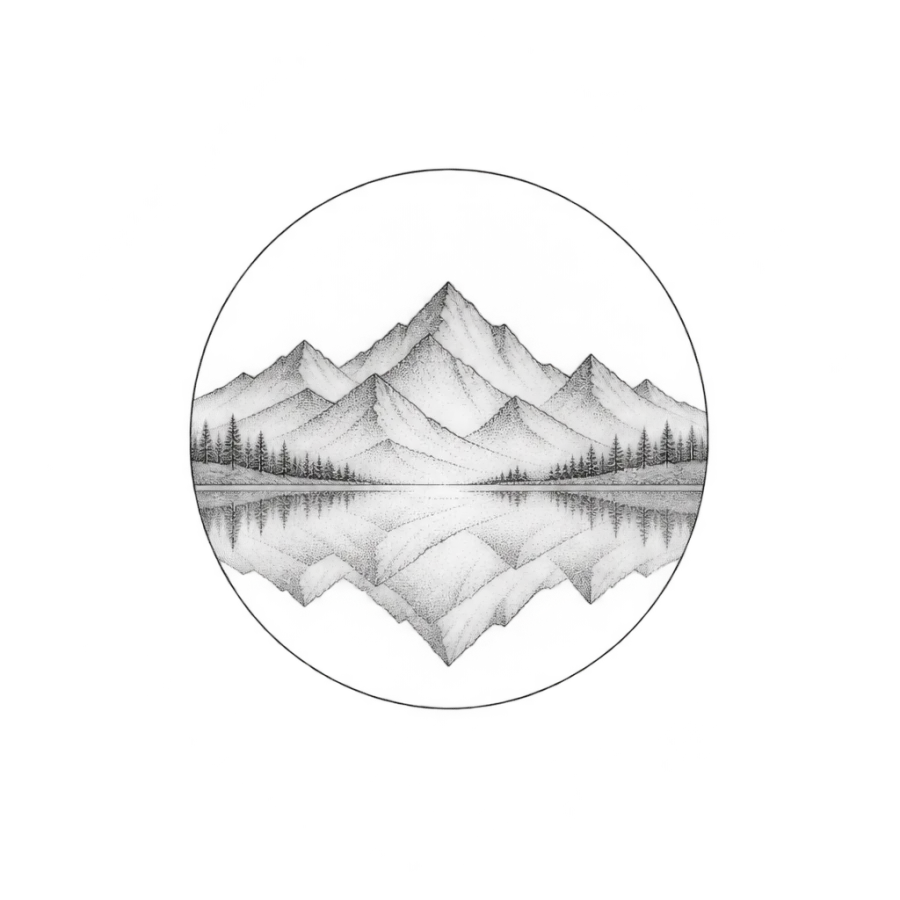
Mountains reflected in a still lake inside a thin circle, fine line
Use this prompt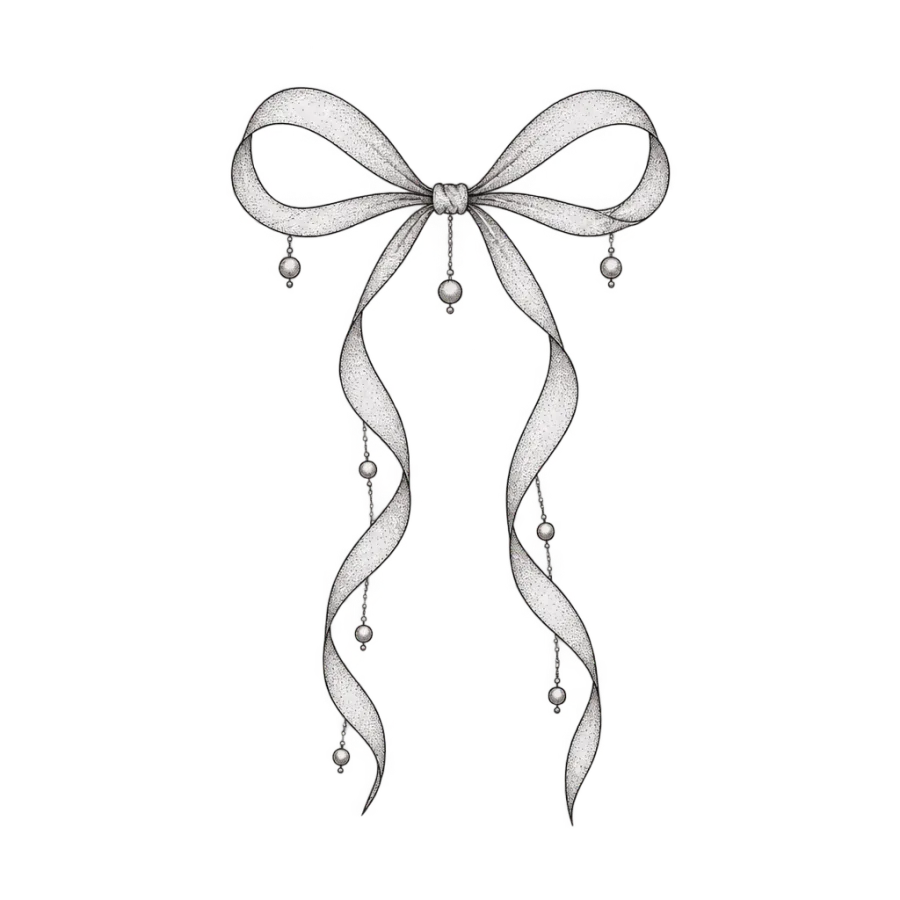
A delicate bow with trailing ribbons and tiny pearls, fine line
Use this prompt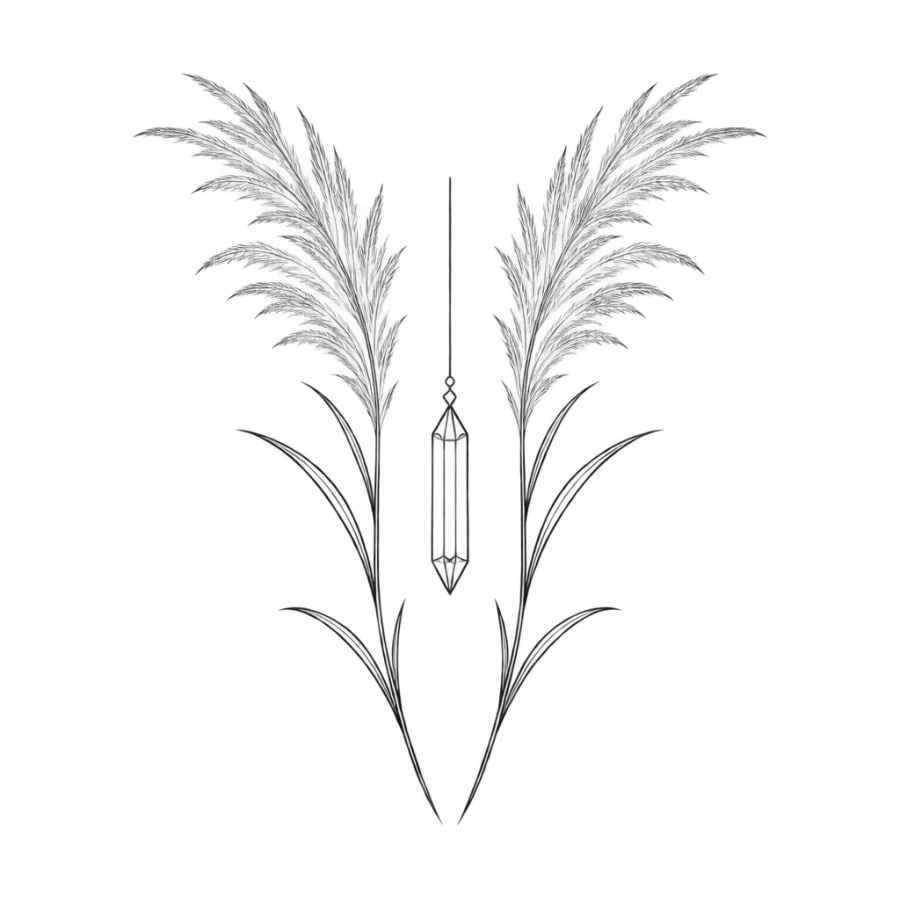
Two mirrored pampas stems around a hanging crystal, fine line, no shading
Use this prompt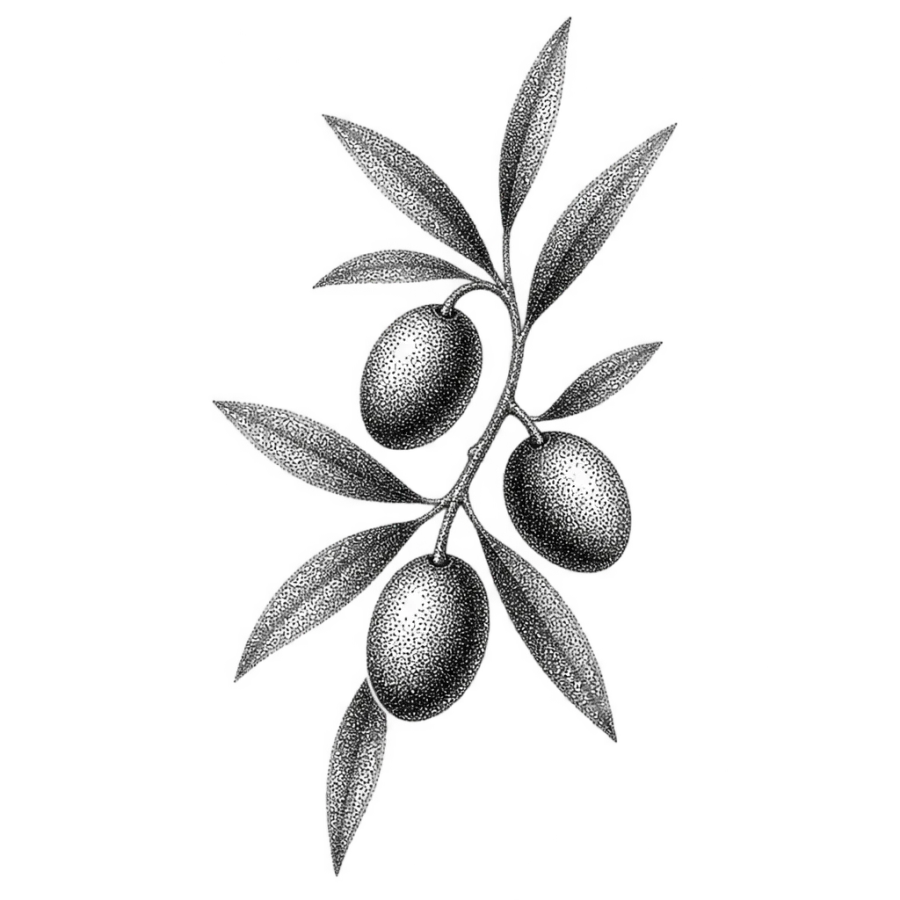
Olive branch with three olives made only of tiny stippled dots
Use this prompt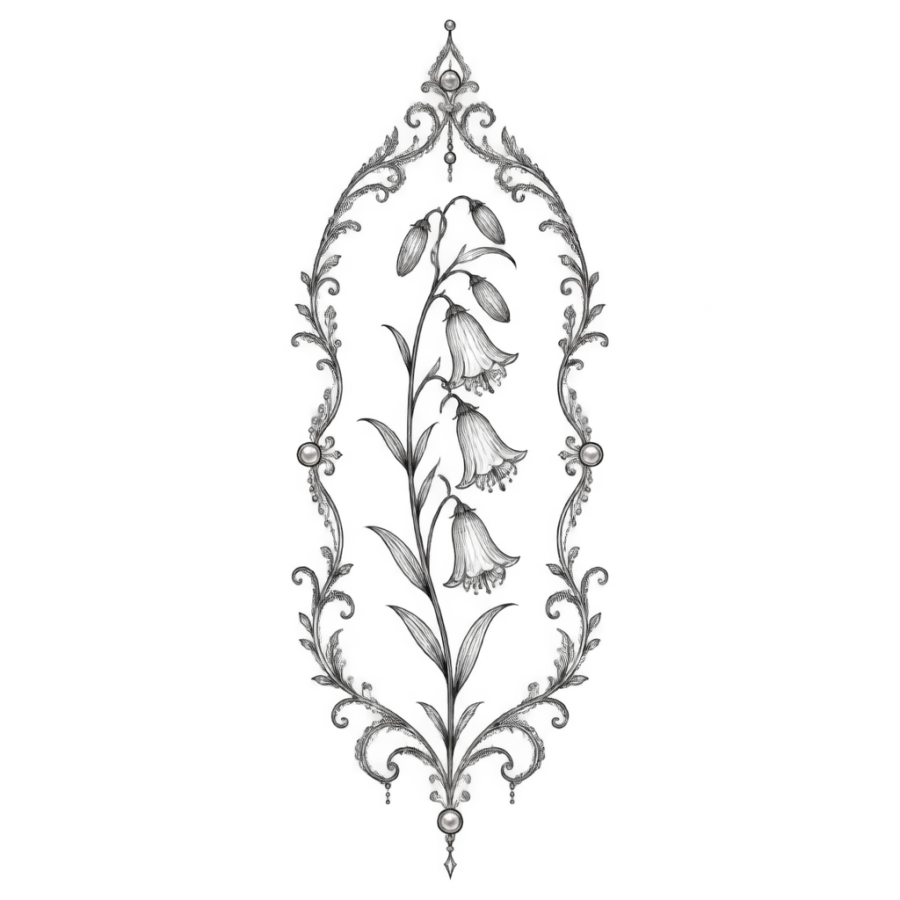
Hanging bellflowers inside a slim lace arch, hairline filigree
Use this promptDescribe an idea of your own and get four designs back in about 20 seconds.
Open the generator
Questions people ask
Do fine line tattoos fade faster than other styles?
Usually yes. Less pigment sits in the skin per line, so normal fading shows sooner. Most fine line work looks noticeably softer at five years than a bold traditional piece of the same age. Sunscreen, a sensible placement and one touch up around year two make a large difference.
What needle is used for fine line tattoos?
Most artists use a 1RL for the finest lines and a 3RL where a line needs more weight, typically in 0.30 mm or 0.35 mm diameter. Shading, if there is any, comes from a 3RL or 5RL worked as stipple or a diluted wash rather than a packed grey.
How small can a fine line tattoo be?
About 5 cm is a sensible floor for anything with internal detail, and around 3 cm for a simple symbol or a short word. Below that, lines sit too close together and merge over time. If an artist pushes you larger, that advice is usually about longevity rather than price.
Does fine line hurt less?
Slightly, for most people. A single needle covers less ground and passes over the skin fewer times than a packed design, so sessions are shorter and the feeling is more of a scratch than a burn. Ribs, sternum, ankles and fingers still hurt regardless of needle size.
Can I turn an AI fine line design into a real tattoo?
Yes, as a starting point. Generate the design, download the stencil, then bring it to a licensed artist who will redraw line weights for your skin, open up the spacing so it ages well, and fit the composition to your anatomy. No generator can judge how your skin holds a line.