Chicano tattoo ideas and designs
Chicano tattooing is fine single needle black and grey from Mexican American Los Angeles, built on smooth shading and lettering that has to be perfect.
- Pain level4 / 10, single needle
- Healing2 to 3 weeks surface
- Typical size10 to 25 cm (4 to 10 in)
- Studio cost$300 to $1,200
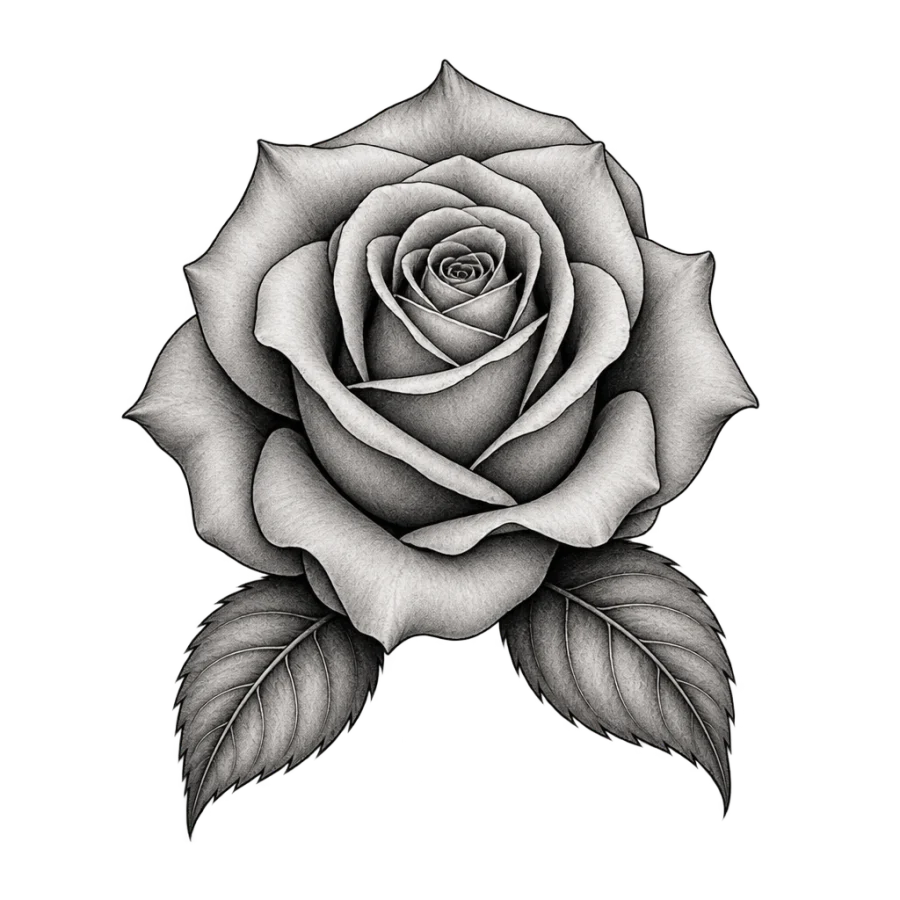
The style grew in Mexican American communities in Los Angeles and the Southwest through the middle of the twentieth century, much of it inside prisons where machines were improvised from a motor, a pen barrel and a guitar string. A single needle and diluted black ink were what people had, and the soft grey look of the style comes directly from that limitation.
It is a living tradition with a specific community behind it. Getting a Chicano piece from a Chicano artist is the straightforward way to wear it, and most artists in the style are generous about explaining the imagery. What is not open is the set of markings that indicate gang affiliation or prison history.
How the black and grey is built
Black ink is diluted into a set of grey washes, often four or five values from near black to a pale tone, and laid in smooth overlapping passes. Lines come from a single needle or a tight 3RL, which is what gives the style its thin, delicate contours. There is no heavy outline holding a Chicano piece together, so the shading has to carry the form.
Soft gradients are the mark of good work here. A skilled artist blends a grey wash with no visible step between values, which takes a light hand and several passes over the same area. That smoothness is what separates real Chicano shading from a fine line piece that happens to be grey, and it is the first thing other artists look at.
The imagery and what it refers to
The recurring subjects are clowns and theatre masks under the phrase smile now cry later, lowriders, Our Lady of Guadalupe, praying hands, roses, dice and cards, Aztec figures, and portraits of family. Payasa and payaso portraits, women with bandanas and heavy eye makeup, are a signature of the style. Much of it comes out of life in the barrio, Catholic devotion and time inside.
Lettering carries as much weight as the imagery. Old English blackletter and a flowing fine line script both belong to the style, and both punish sloppy work, because a misjudged letterform is obvious to anyone who reads it. Lettering artists in this tradition often specialize in nothing else, and it is worth booking one rather than asking a portrait artist to add words.
Imagery that belongs to specific people
- Three dots in a triangle, read as mi vida loca and tied to gang life
- A teardrop under the eye, which carries prison and violence meanings
- Neighborhood names, area codes and set numbers
- Specific clock faces and spider webs used to mark time served
- Any marking an artist tells you is claimed, which is reason enough to leave it
How Chicano work ages
Fine single needle lines are the weak point. A hairline contour in pale grey softens within eight to twelve years and can disappear on thin skin or in a spot that gets daily sun. The grey wash holds better than the lines do, so old Chicano pieces often read as soft shapes with the contours mostly gone.
The fix is structural. A slightly heavier line where the form needs definition, darker values in the deepest shadows, and a placement out of direct sun all extend the life of a piece considerably. Most people with long term Chicano work book a touch up somewhere around year eight to bring the lines back.
Placement, sessions and cost
The style suits large flat areas where smooth shading has room: the chest, the back, the outer forearm and the upper arm. Lettering runs well across the chest, along the forearm and down the ribs. Small Chicano pieces are difficult, since the shading needs space to gradate and a 5 cm portrait has nowhere to go.
A 15 cm portrait takes four to six hours and costs $500 to $1,200. A chest piece with lettering and figures runs eight to fourteen hours at $1,000 to $2,500. Pain is lower than most styles, since a single needle at low speed is gentler than a heavy outline, though the sittings are long.
15 Chicano tattoo designs, with the prompt behind each one
Every design below came out of AI Tattoo Lab. Tap one to load its prompt into the generator, then change a word and make it yours.
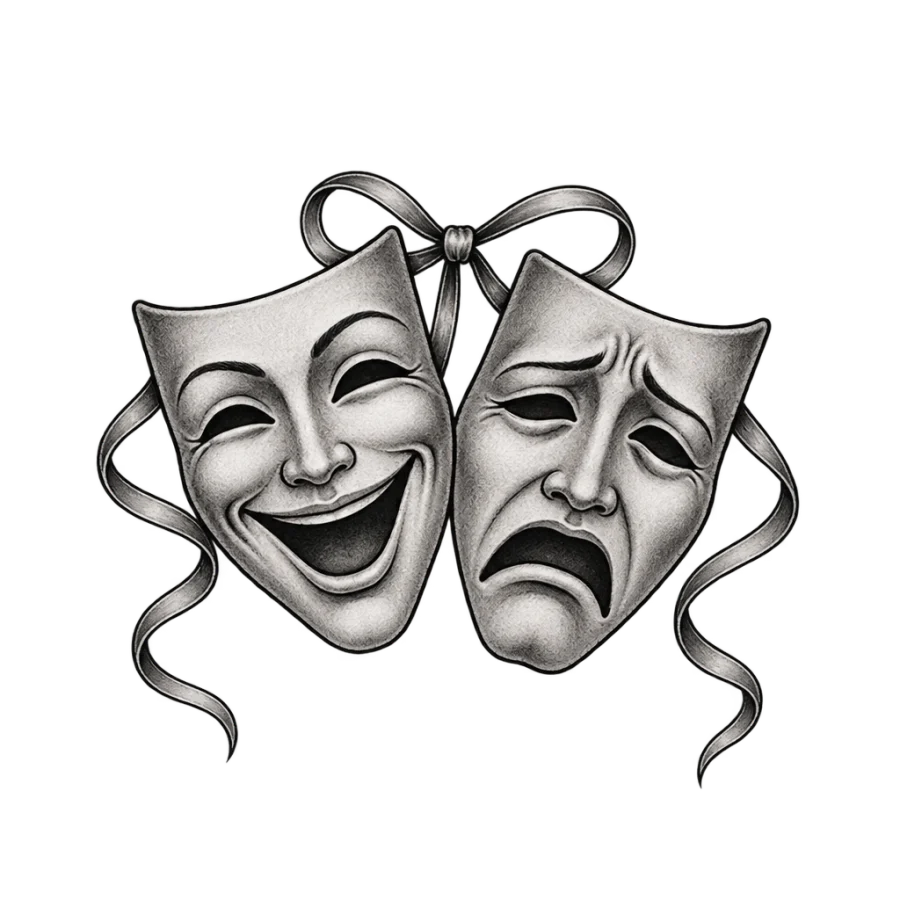
Two theatre masks, one smiling one frowning, tied with a ribbon
Use this prompt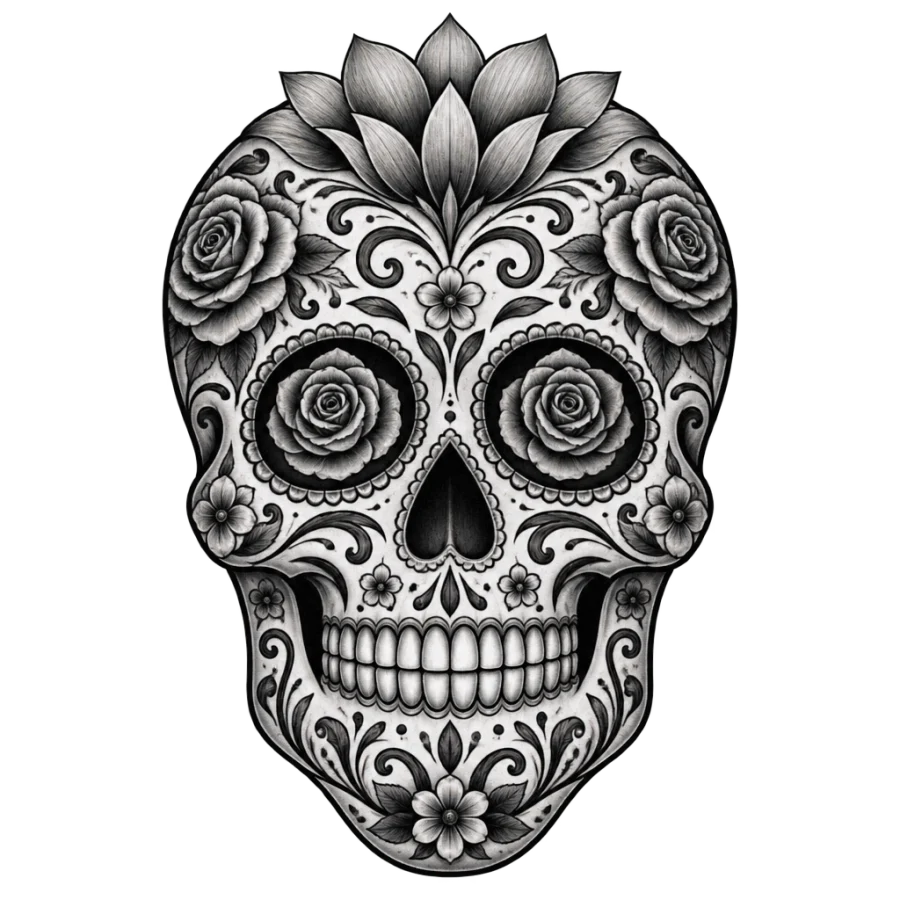
A sugar skull covered in roses and scrollwork, soft grey shading
Use this prompt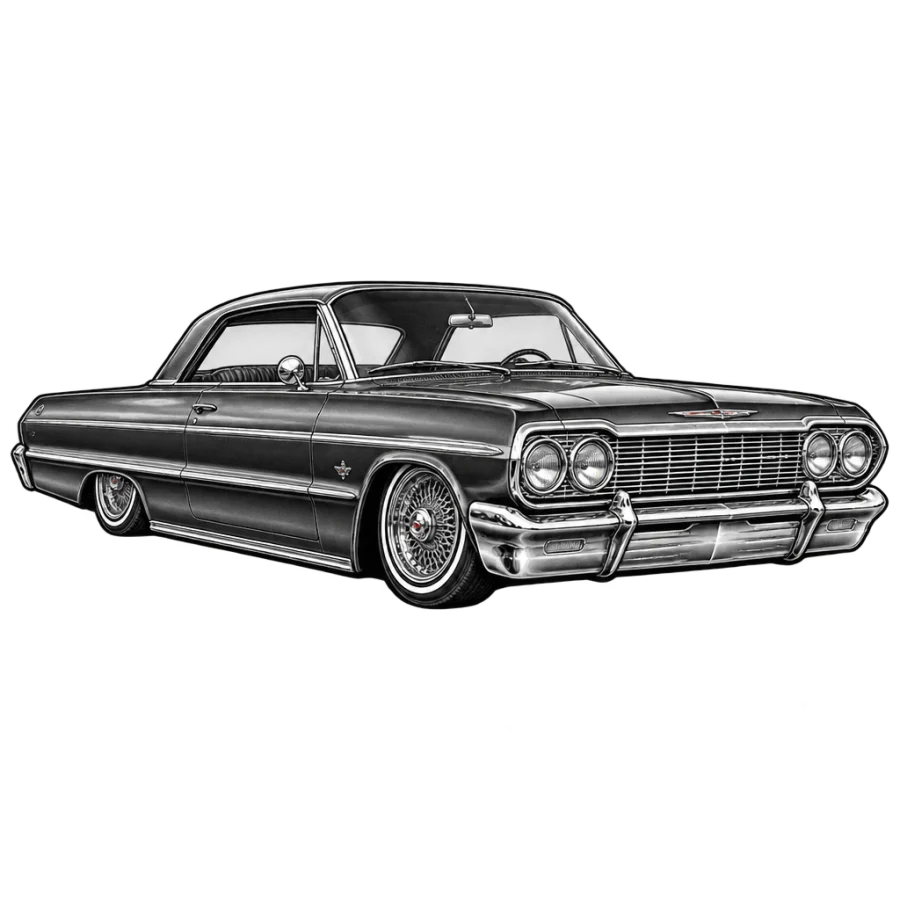
A lowrider car at an angle with wire wheels and chrome, grey wash
Use this prompt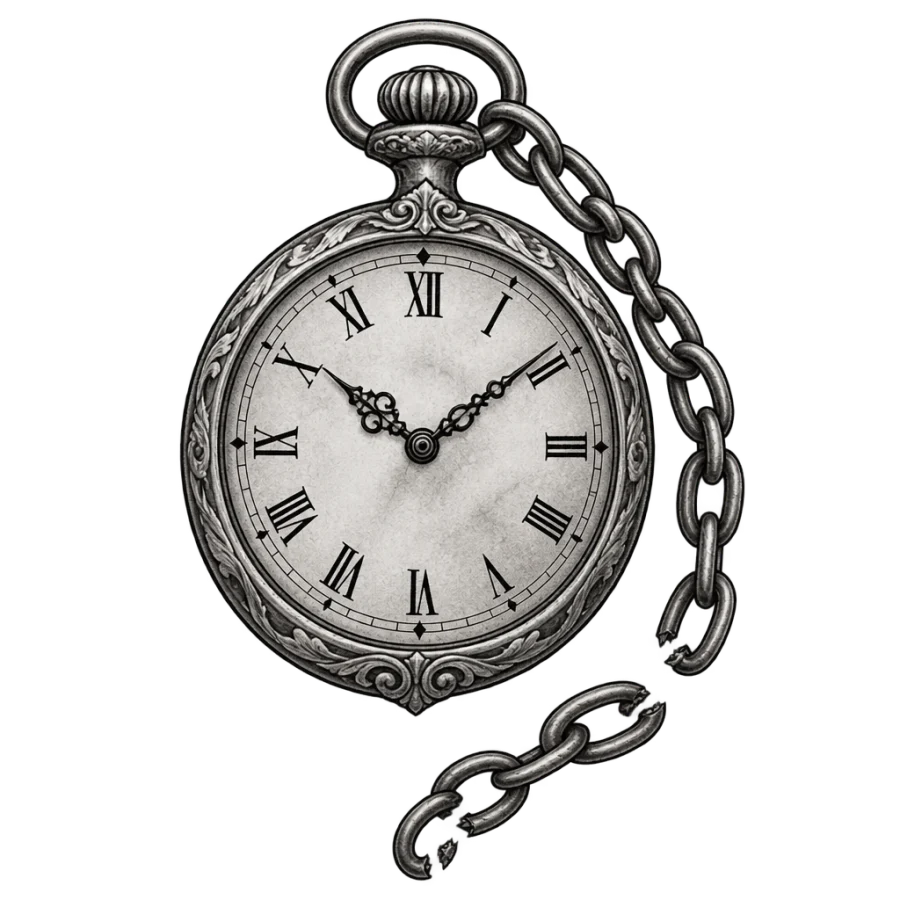
A pocket watch with roman numerals and a broken chain, fine line grey
Use this prompt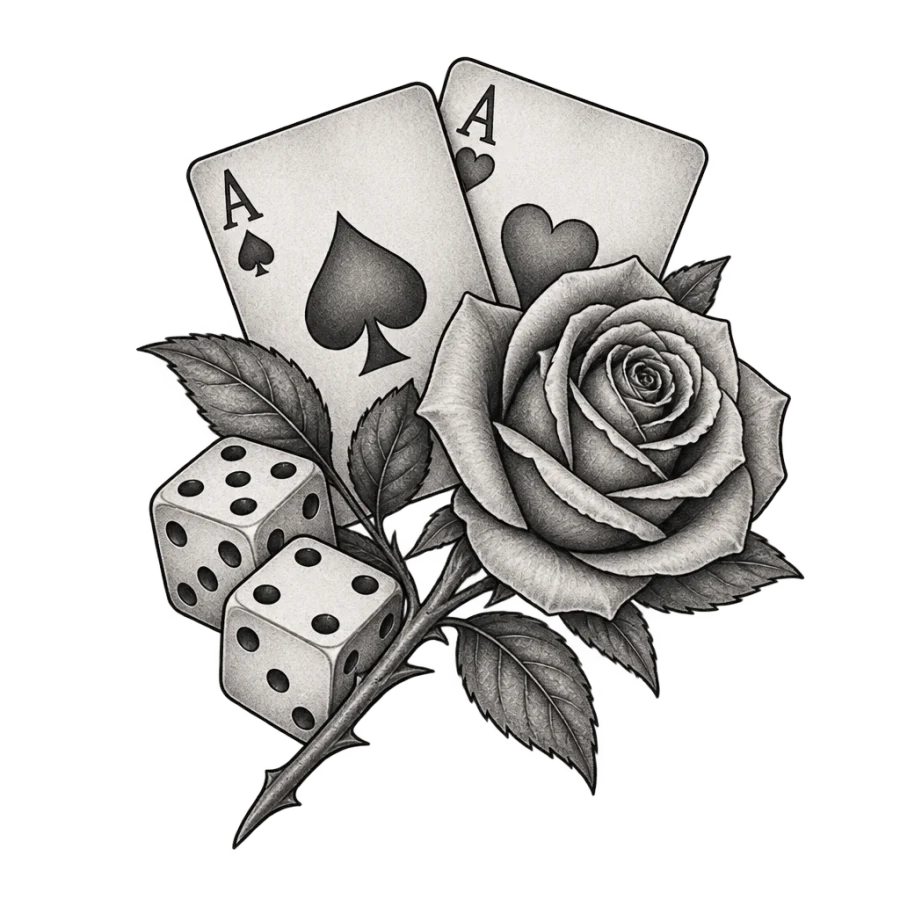
Dice, playing cards and a rose scattered together, soft grey shading
Use this prompt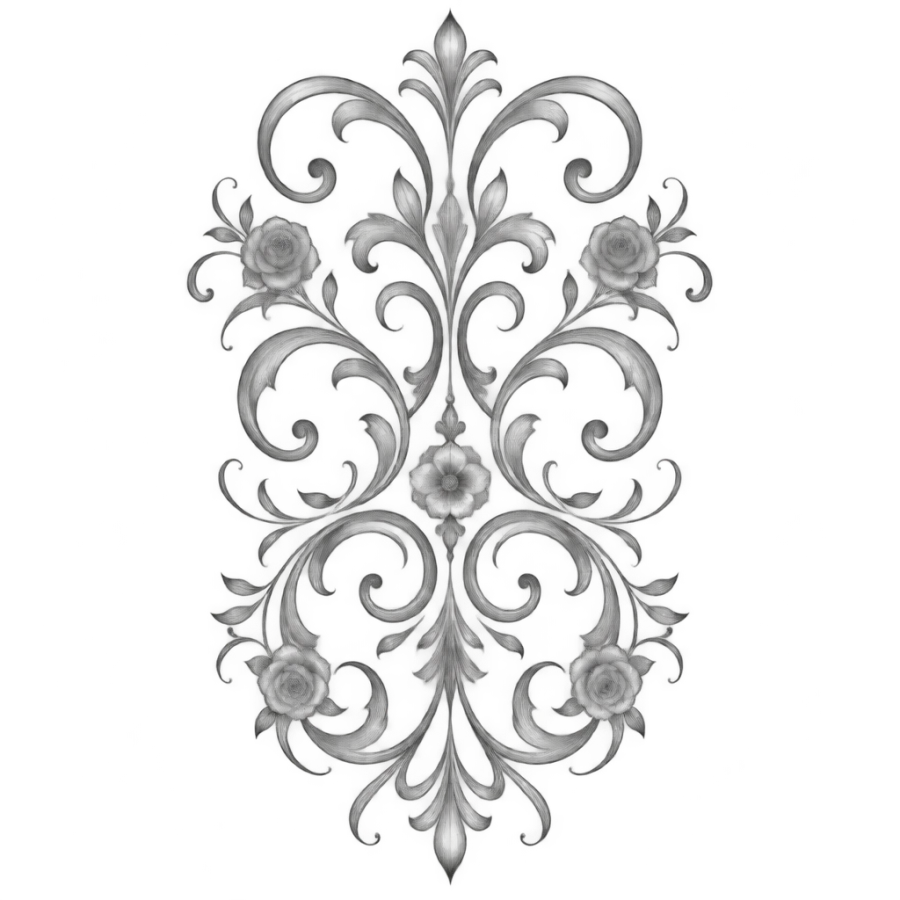
A symmetrical panel of chicano filigree scrollwork, very fine lines
Use this prompt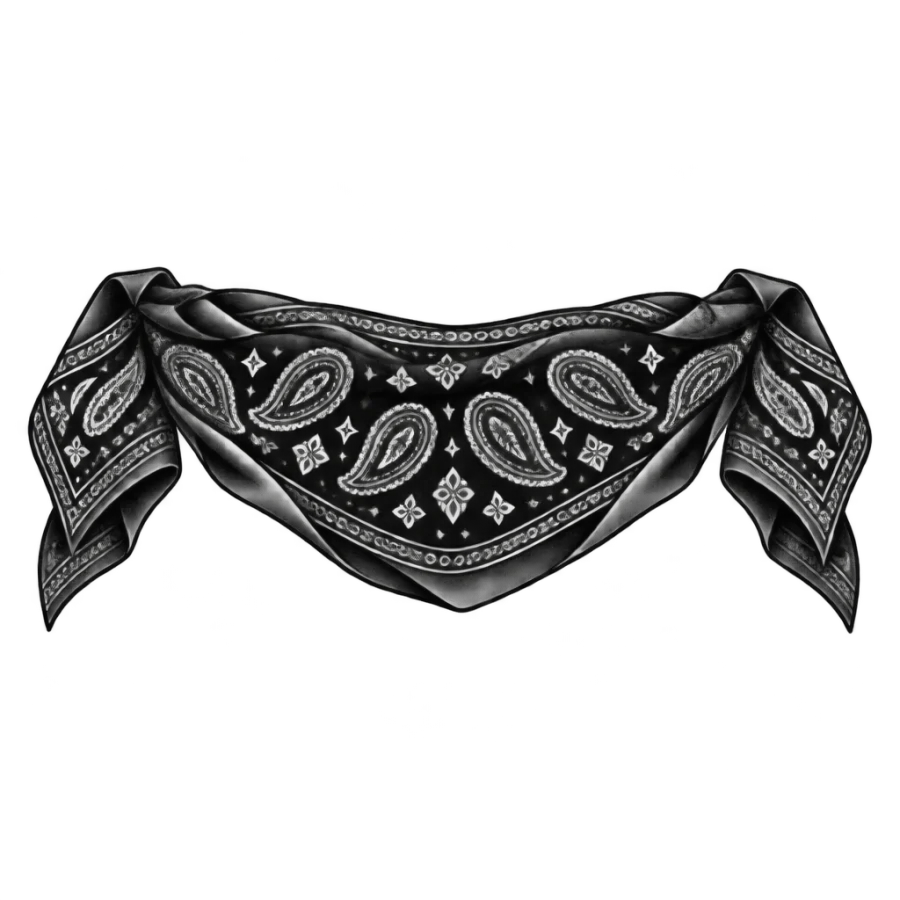
A wide band of bandana cloth with paisley print left in white
Use this prompt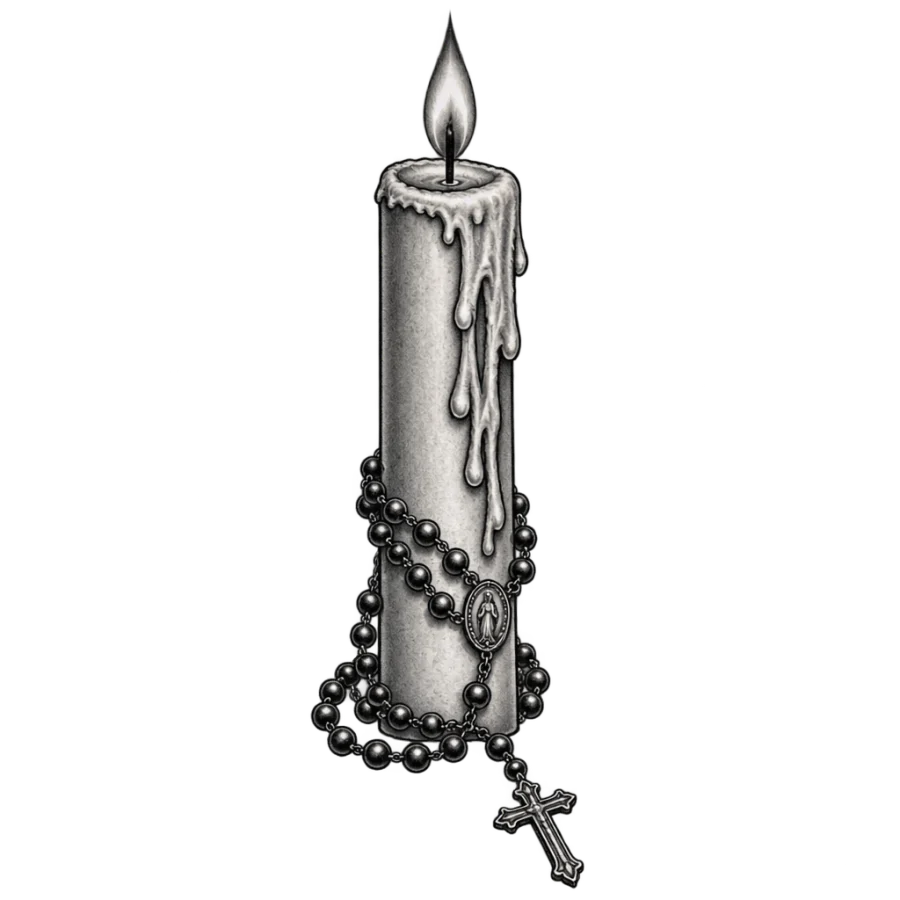
A tall candle with running wax and a rosary draped at the base
Use this prompt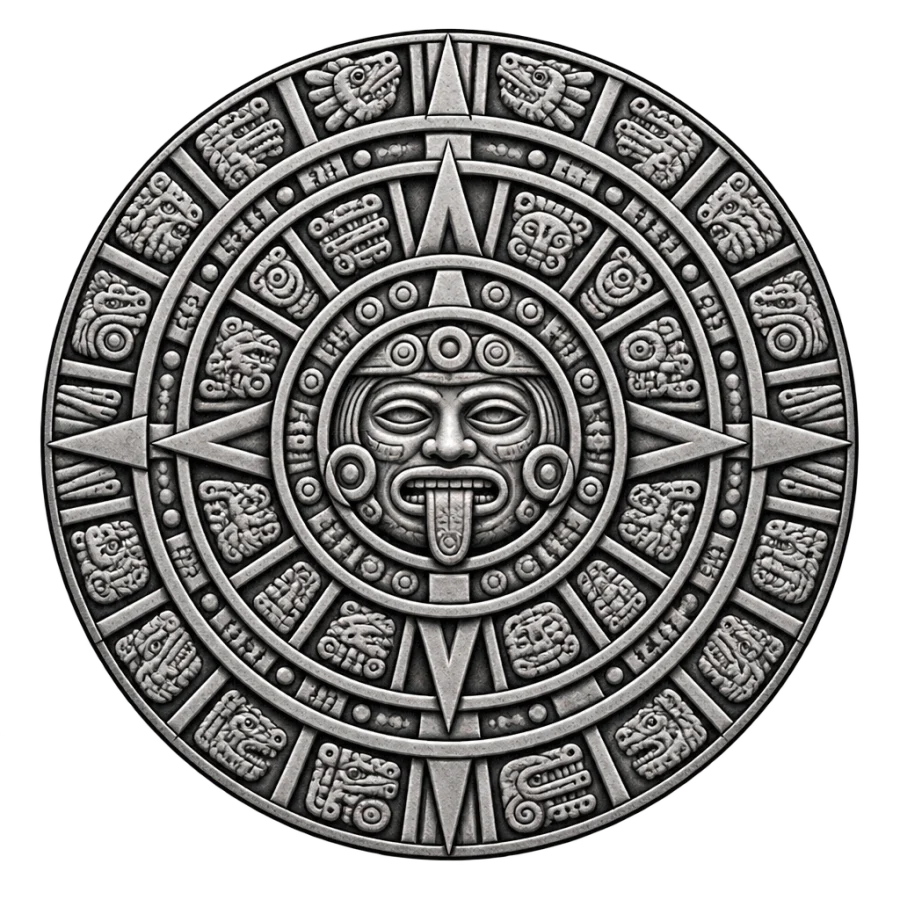
A carved stone sun calendar with glyph rings, deep grey shading
Use this prompt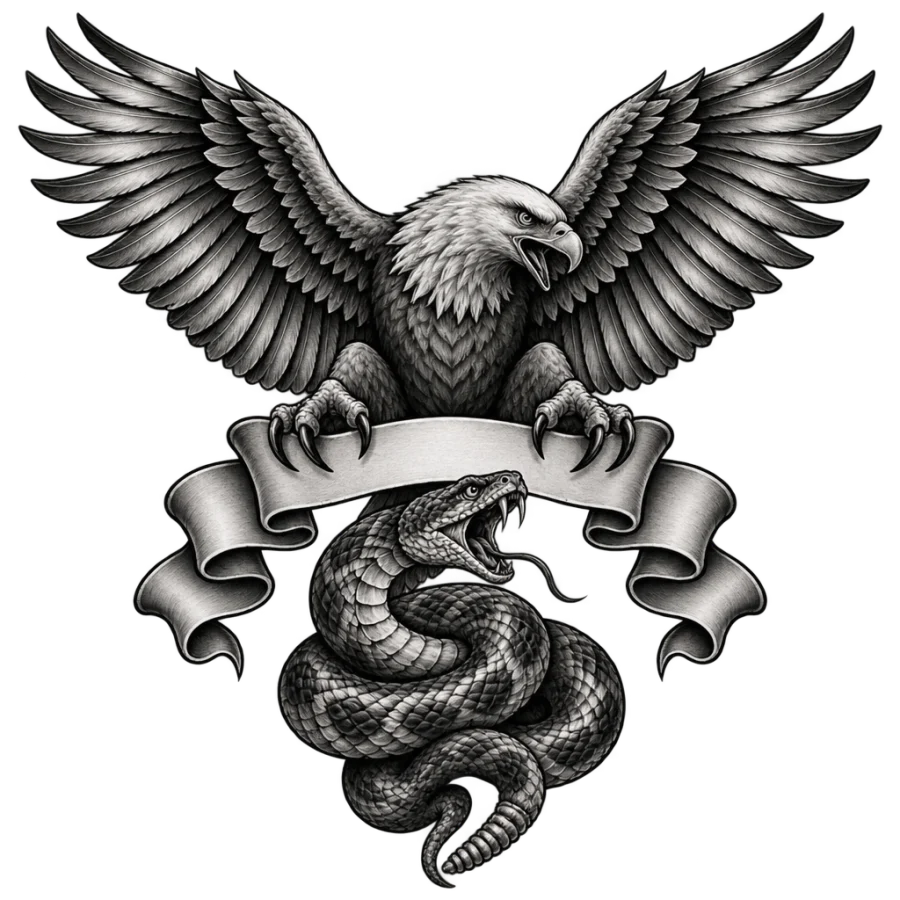
An eagle with spread wings over a blank banner and a coiled snake
Use this prompt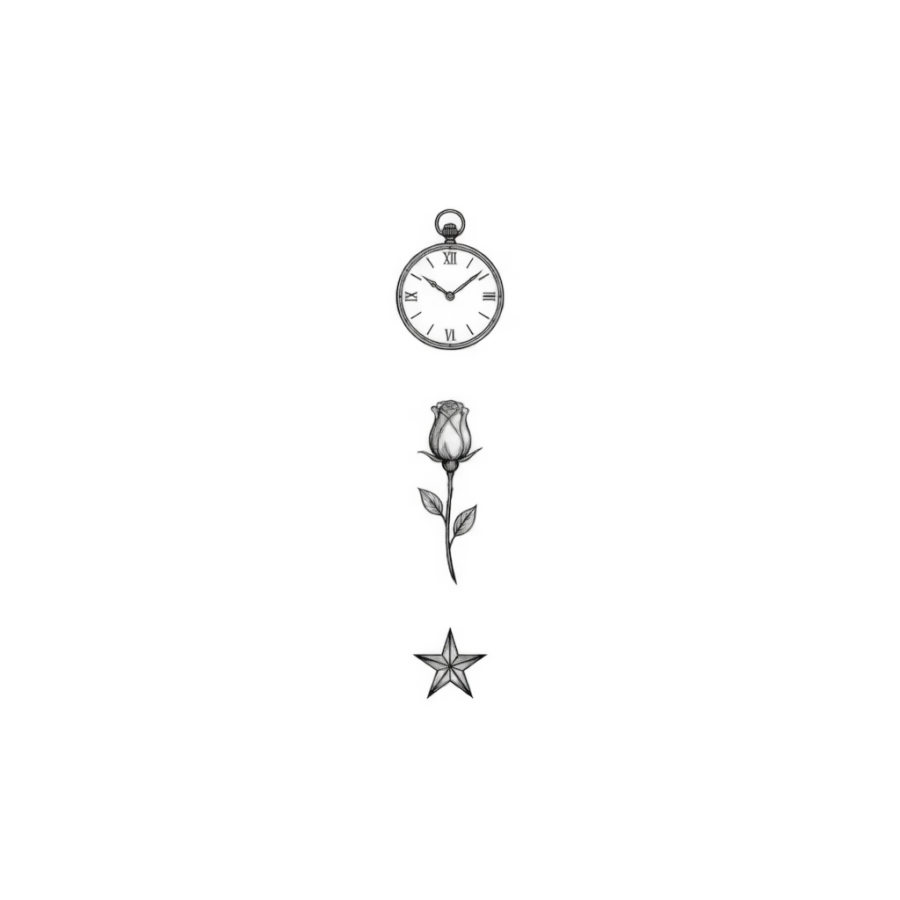
A tiny clock, a rose bud and a star stacked small, hairline work
Use this prompt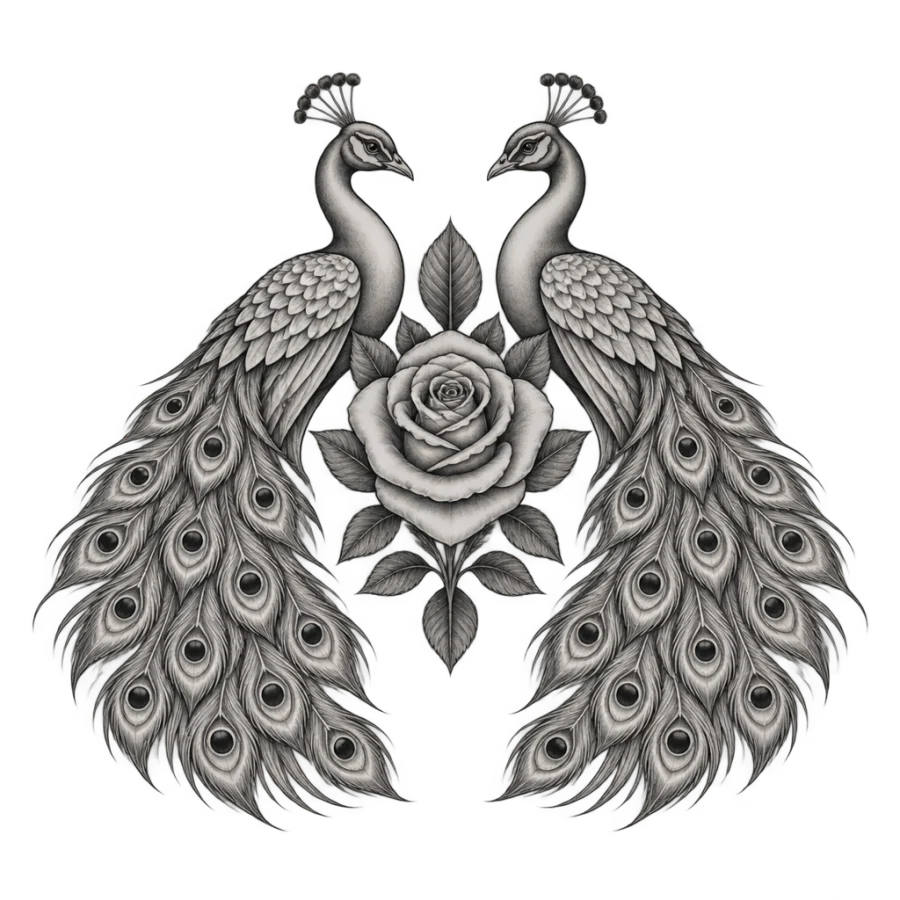
Two mirrored peacocks flanking a rose, chicano black and grey
Use this prompt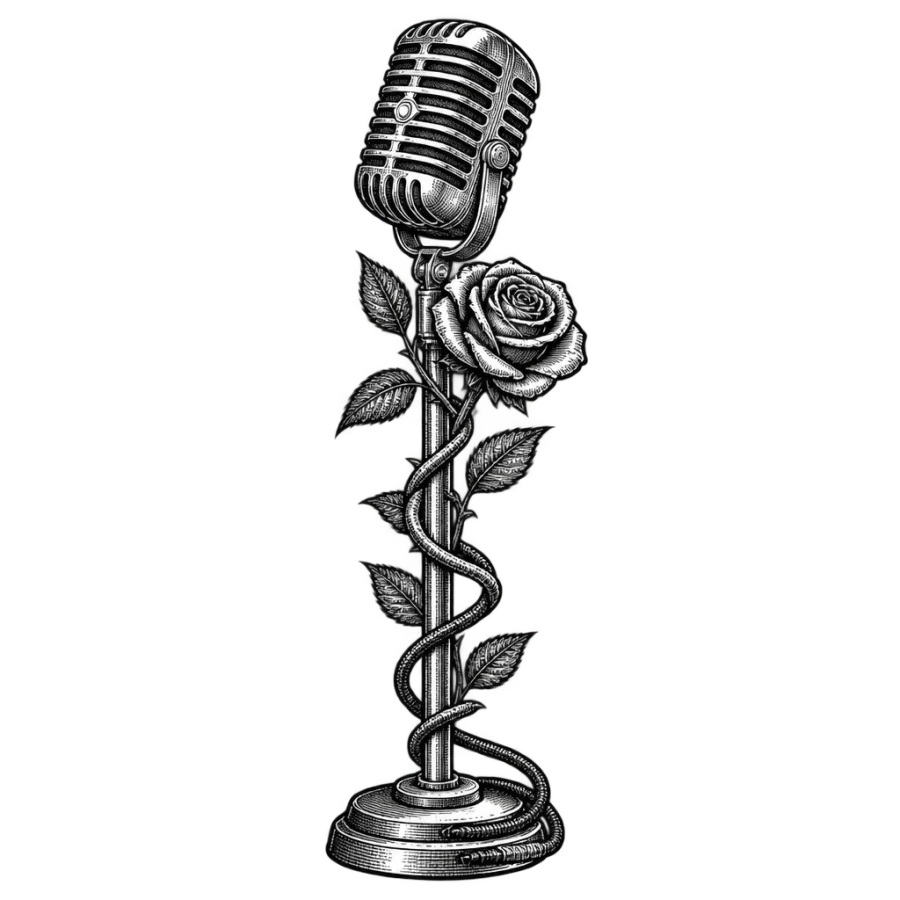
A vintage microphone with a rose winding up the stand, engraving style
Use this prompt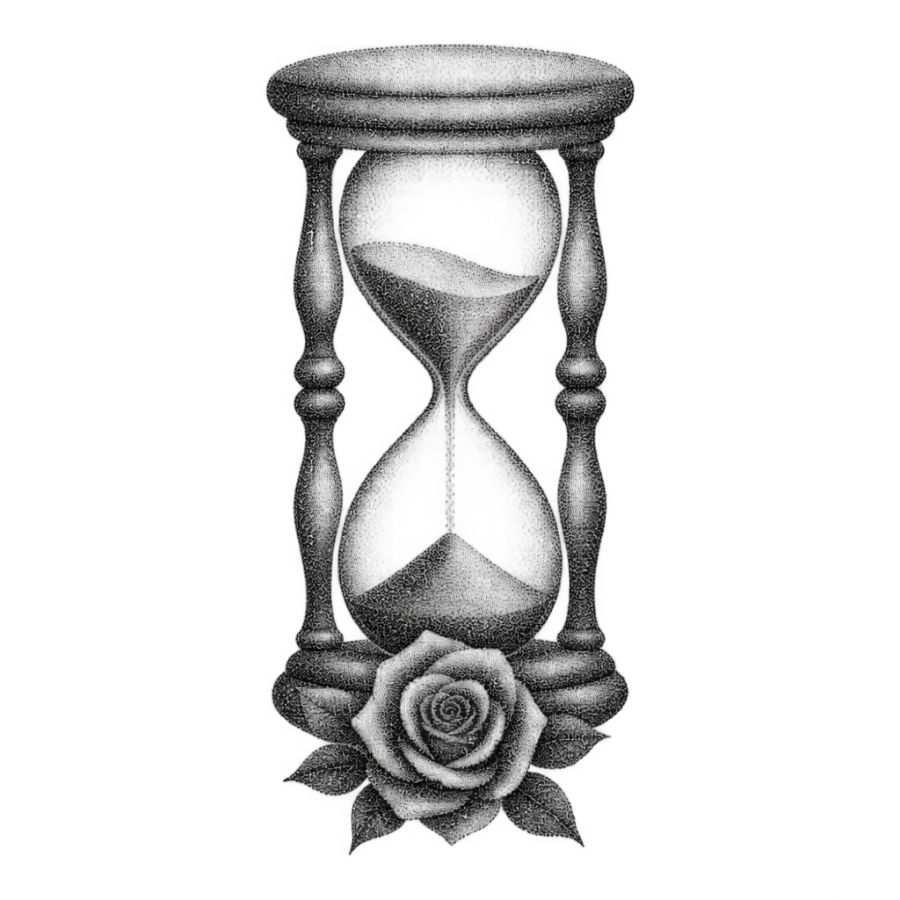
An hourglass with sand running through and a small rose, dotwork
Use this promptDescribe an idea of your own and get four designs back in about 20 seconds.
Open the generator
Questions people ask
Can anyone get a Chicano tattoo?
The style itself is widely tattooed and most Chicano artists are happy to work with anyone who respects where it comes from. What is off limits is the set of markings that signal gang affiliation or prison history, including three dots read as mi vida loca, teardrops and neighborhood numbers.
What does smile now cry later mean?
It comes from the theatre masks of comedy and tragedy, reworked in Chicano tattooing as a pair of clown faces. The usual reading is enjoying the present and accepting the cost later, and it is strongly tied to life in the barrio and to time spent inside. It is one of the most recognizable images in the style.
Why is Chicano tattooing black and grey?
Because that was what was available. Much of the style developed in prisons where machines were improvised and the only ink was black, diluted with water to make grey washes. The soft gradients and single needle lines that define the style today came directly from working with those materials.
Do Chicano tattoos fade faster than other styles?
The fine single needle lines do. A pale hairline contour can soften within eight to twelve years, especially on thin skin or in daily sun, while the grey wash holds better. A slightly heavier line, darker shadows and a covered placement all extend it. Many people touch up around year eight.
How much does a Chicano portrait cost?
A 15 cm portrait takes four to six hours and runs $500 to $1,200. A full chest piece with lettering and figures reaches $1,000 to $2,500 over several sittings. Lettering alone is cheaper, though a good blackletter artist charges a premium because the mistakes are so visible.