Viking tattoo ideas and Norse designs
Viking tattoos pull from Norse mythology and medieval Scandinavian ornament, and the designs are better when you know which parts are historical.
- Pain level6 / 10, long black work
- Healing2 to 3 weeks surface
- Typical size20 to 40 cm (8 to 16 in)
- Studio cost$600 to $2,500
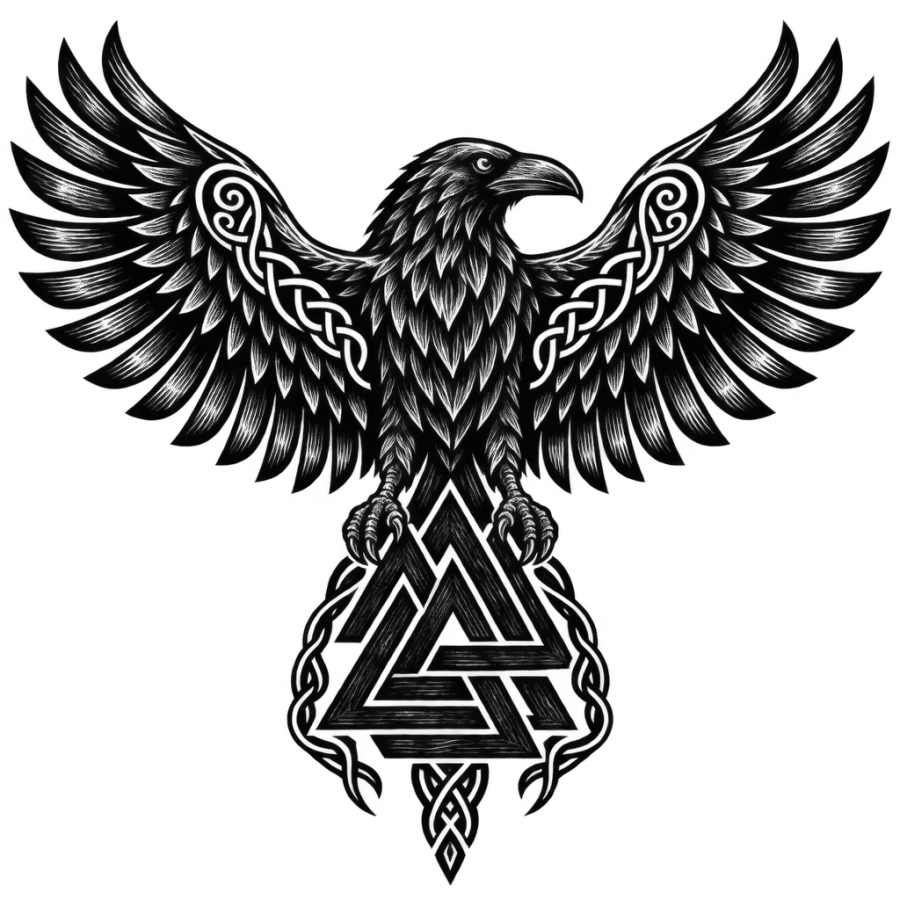
The look is heavy black linework, interlaced animal ornament, weathered texture and imagery from Norse myth: Odin and his ravens, Thor’s hammer, Yggdrasil, wolves, longships, shield walls and runes. Most of it works well as a tattoo because the source material was carved and forged, and carving translates cleanly to bold lines on skin.
The history is thinner than the marketing suggests. Only one near contemporary account describes Norse people with marks on their skin, written by Ibn Fadlan, and what he saw is disputed. Almost every design people call Viking today comes from carved stone, metalwork and manuscripts rather than from any surviving tattoo tradition.
Where the imagery actually comes from
The interlaced animal patterns come from Viking age art styles that archaeologists name after the places their examples were found, such as Borre, Jelling, Mammen and Urnes. These are real Scandinavian designs from roughly 800 to 1100, carved on stone, wood and metal, and they are the most historically grounded thing you can put in a Norse piece.
Other popular symbols are later. The vegvisir and the helm of awe both come from Icelandic manuscripts of the 1600s and 1700s, centuries after the Viking age ended. That does not make them bad designs. It means the claim that they are ancient Viking symbols is wrong, and an artist who knows the difference will tell you.
Runes, and getting the text right
There is no single runic alphabet. The Elder Futhark was used from roughly 150 to 800, and the Younger Futhark with its sixteen characters is what Scandinavians actually used during the Viking age. Anglo Saxon England used a third system. Mixing characters from different rows produces something that looks right and reads as nothing.
Runes also do not map one to one onto English letters. Transliterating a modern name character by character gives you a string that a runologist would call nonsense. If you want runic text, have the phrase checked by someone who reads Old Norse before it goes on your skin, and ask your artist to keep the strokes heavy, since thin angular lines close up as they age.
Worth checking before you book
- Which runic row the design uses, and whether it is consistent
- Whether a symbol is Viking age or a later Icelandic manuscript design
- That any Old Norse phrase has been checked by someone who reads it
- Whether the interlace actually alternates over and under correctly
- How the symbol you have chosen is read by people who see it
Symbols that carry a second meaning
Several Norse symbols have been adopted by white supremacist groups, including the valknut, the othala rune, the sonnenrad and Thor’s hammer in some contexts. The symbols themselves are much older than that use and most people wearing them mean nothing of the kind, but the association is real and strangers cannot read your intent from across a room.
It is worth deciding how you feel about that before you commit, since these pieces are usually large and visible. Plenty of artists with Scandinavian heritage still tattoo them and consider the reclaiming worth doing. Others avoid the specific symbols and use the animal ornament and mythological scenes instead, which carry no such baggage.
How the style is tattooed and what it costs
Norse work is built on heavy black. Lines go in with a 9RL or larger, fills use magnums, and the texture that makes it look carved comes from broken shading, scratchy whip lines and left over negative space rather than from smooth grey. Detail is coarse by design, which is exactly why it holds up for decades.
Scale matters more than usual. Interlace packed too tight becomes a black mass within fifteen years, so a knotwork panel wants at least 4 mm between strands. A half sleeve of Norse work takes ten to eighteen hours and costs $1,200 to $3,000. A single hammer or rune piece on the forearm is two hours and $250 to $400.
15 Viking tattoo designs, with the prompt behind each one
Every design below came out of AI Tattoo Lab. Tap one to load its prompt into the generator, then change a word and make it yours.
Viking tattoo design
Use this prompt
Viking tattoo design
Use this prompt
Viking tattoo design
Use this prompt
Viking tattoo design
Use this prompt
Viking tattoo design
Use this prompt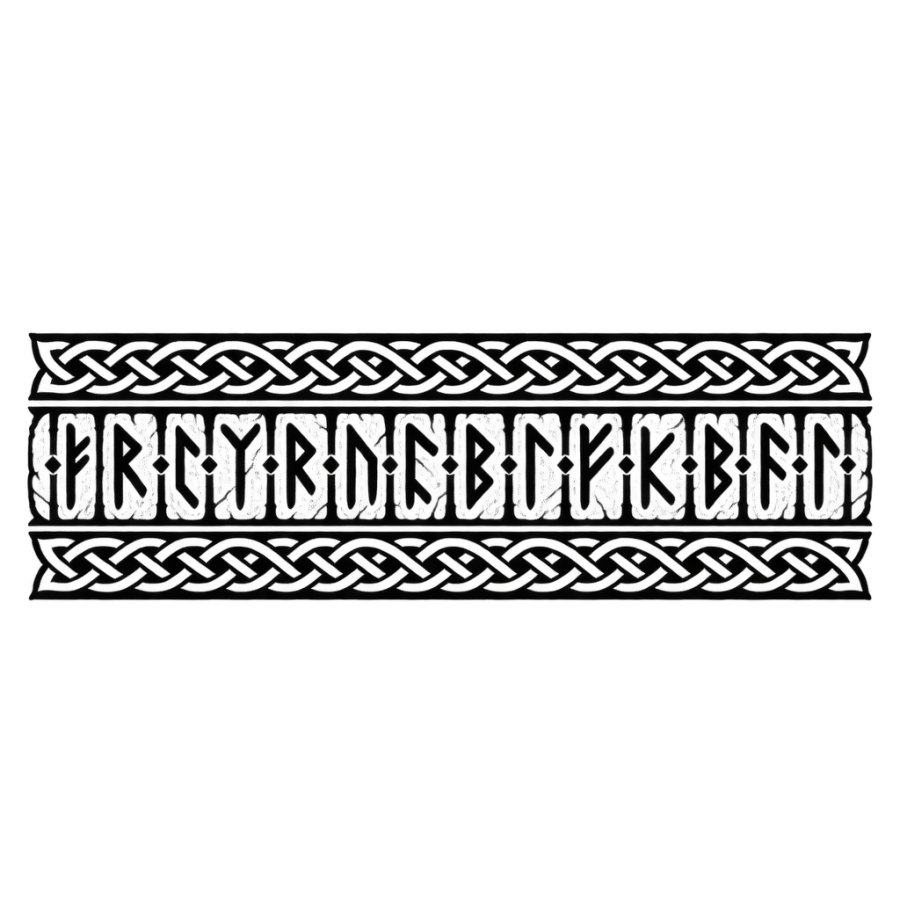
Viking tattoo design
Use this prompt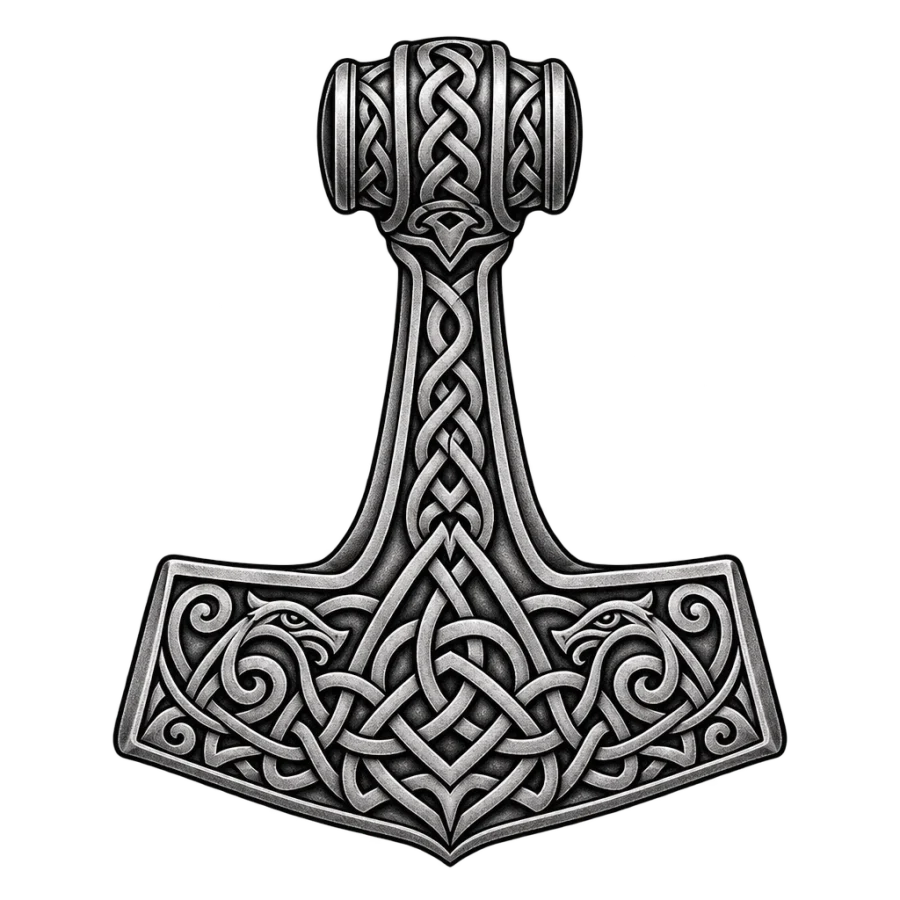
Viking tattoo design
Use this prompt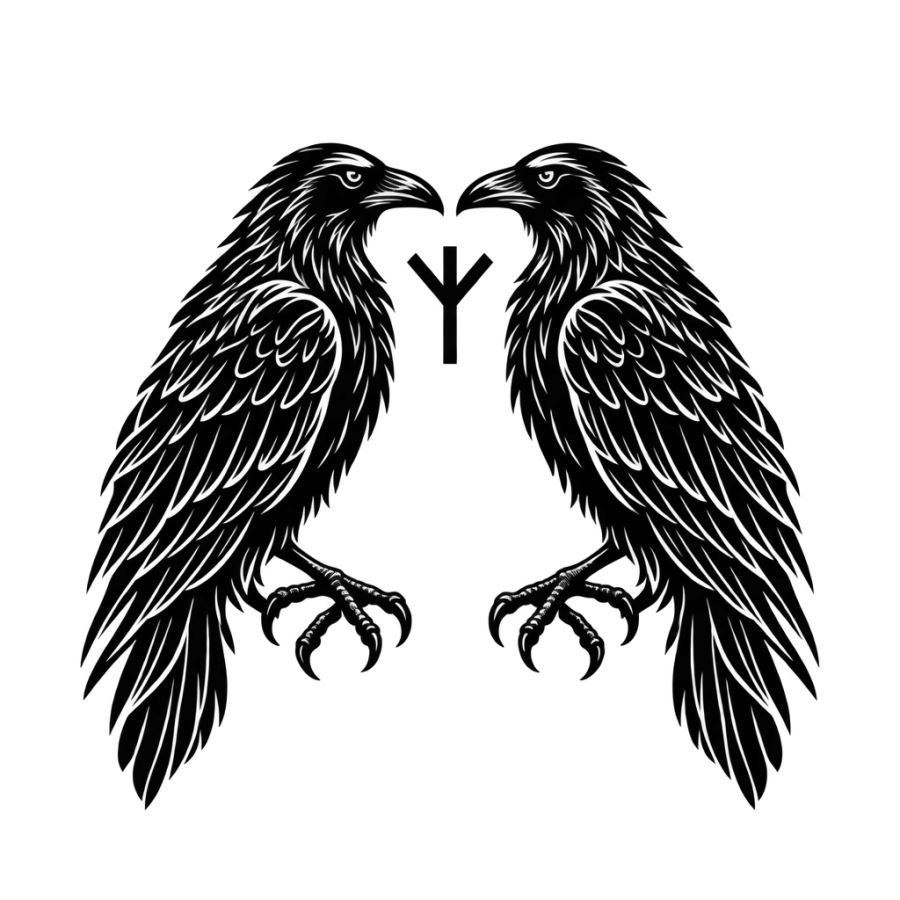
Viking tattoo design
Use this prompt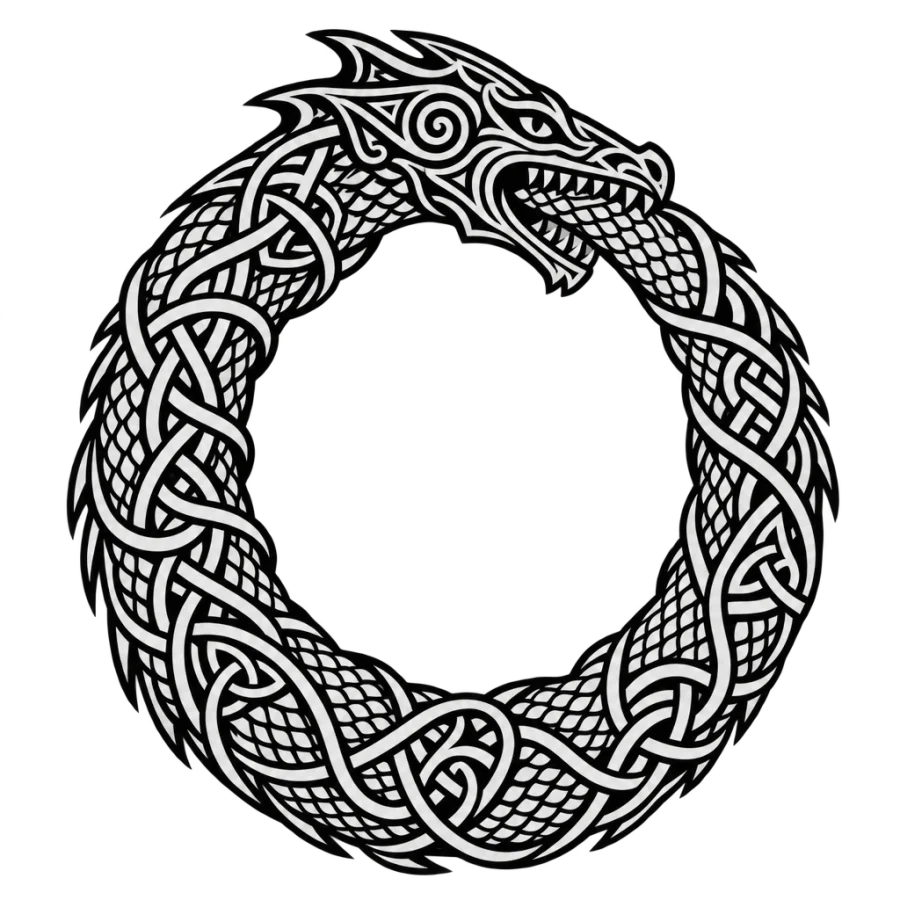
Viking tattoo design
Use this prompt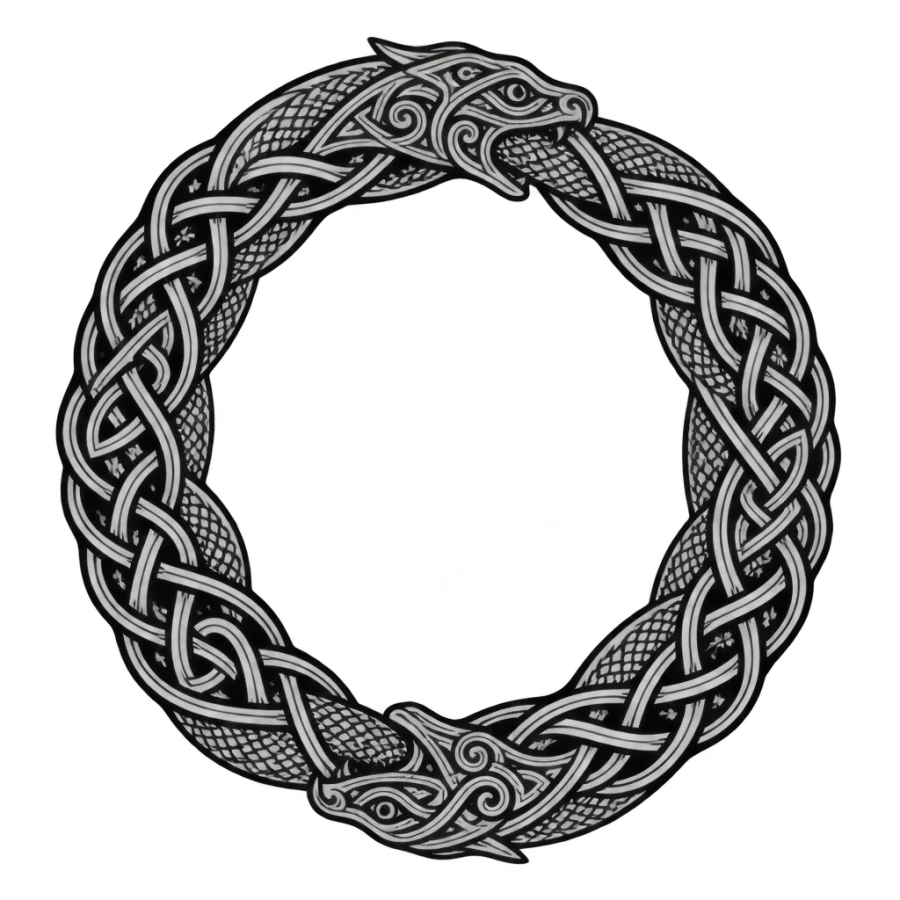
Two Norse serpents coiled into a ring biting each other tail
Use this prompt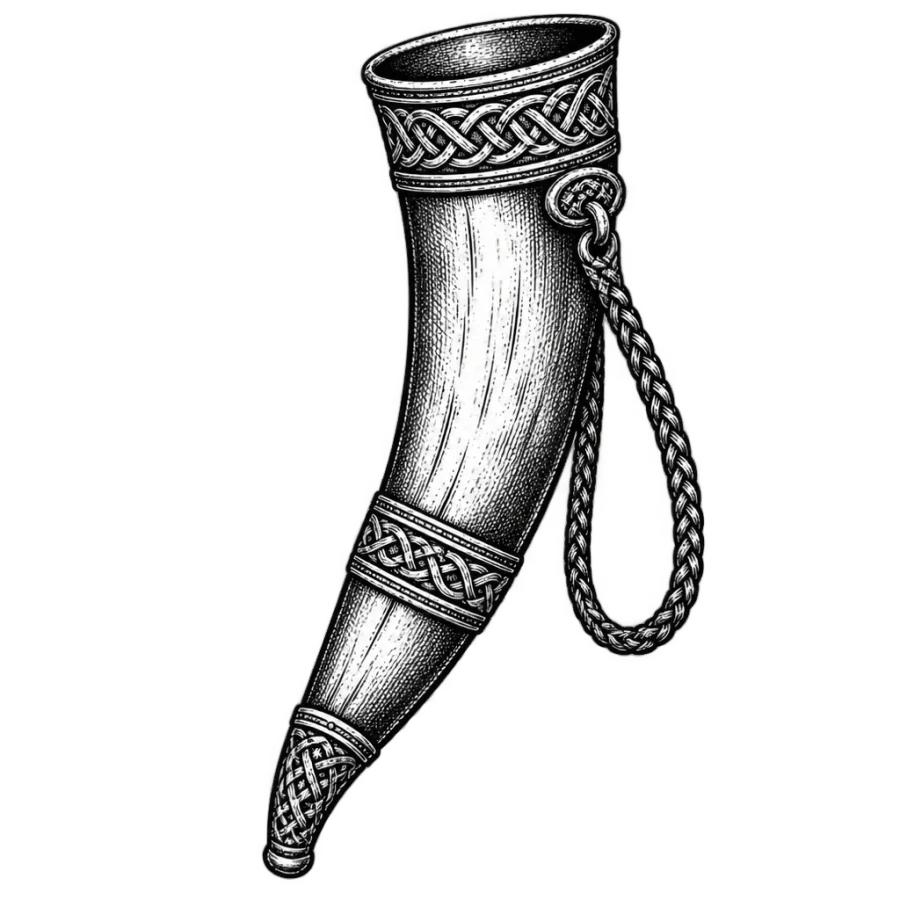
A Norse drinking horn banded with carved knotwork, engraved hatching
Use this prompt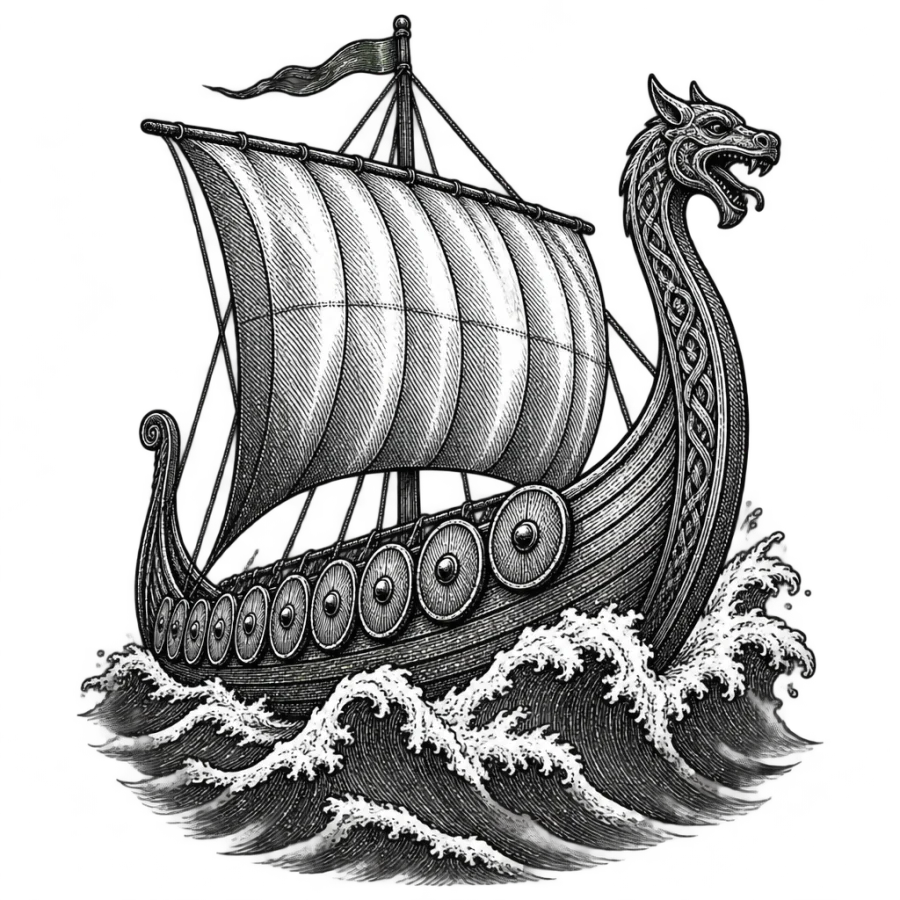
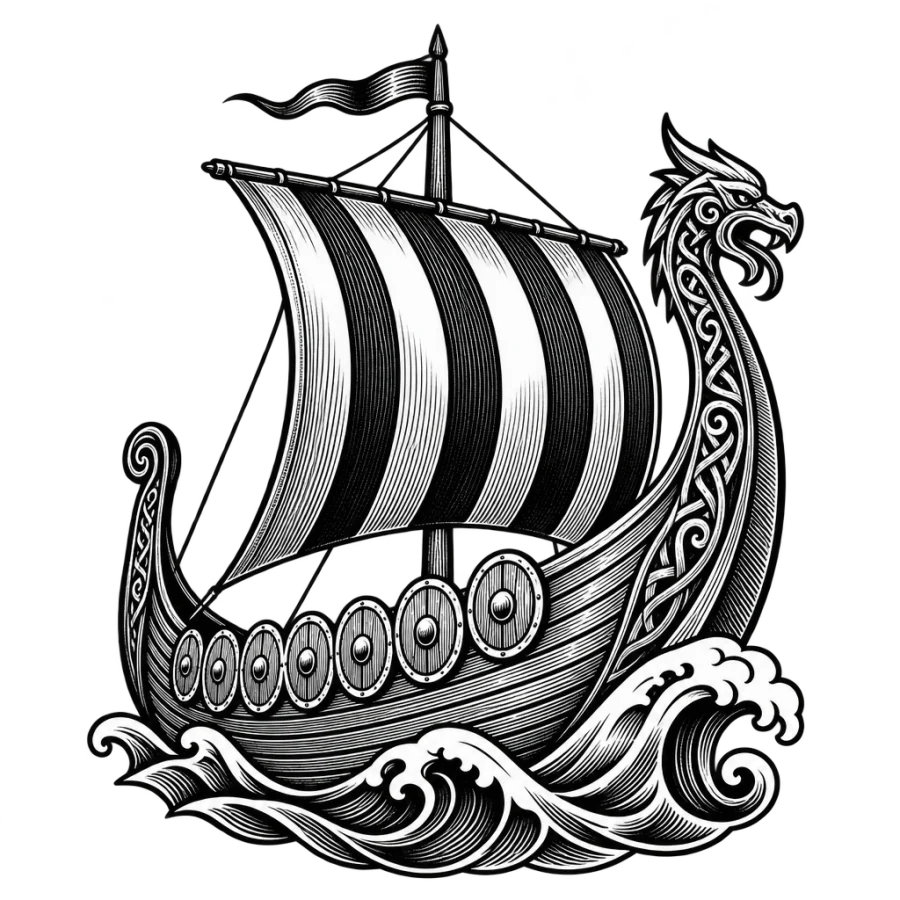
Viking longship with a dragon prow on breaking waves, engraved style
Use this prompt
Norse hammer amulet in solid black with knotwork in white gaps
Use this prompt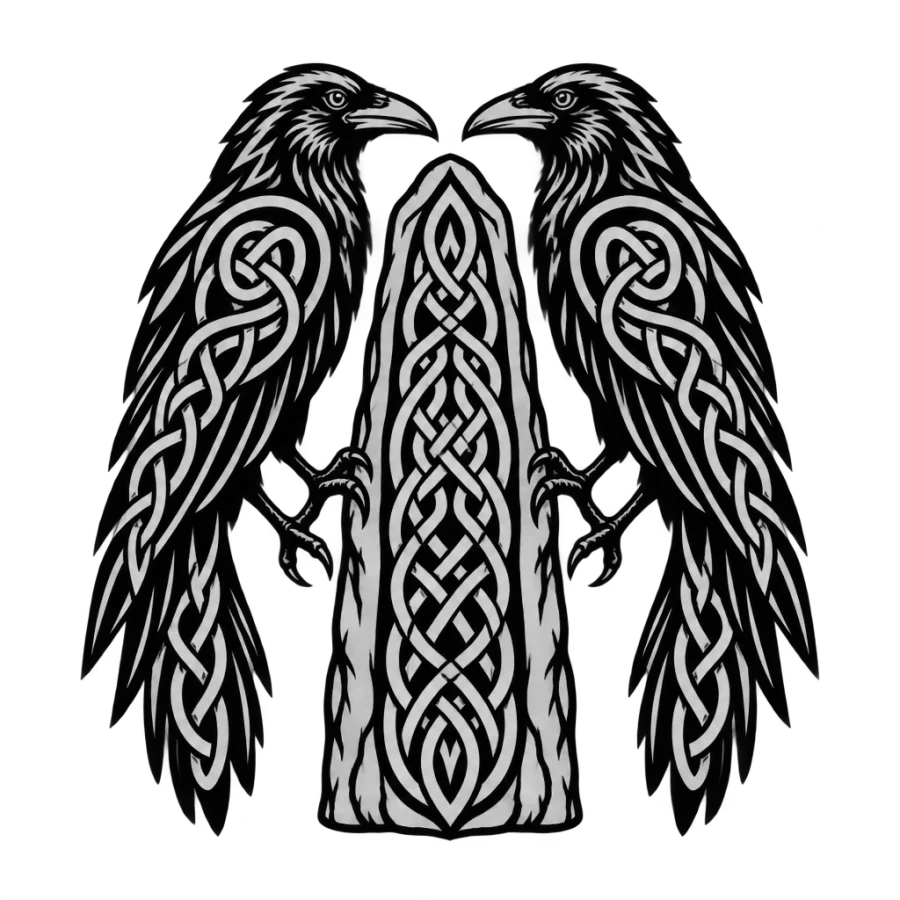
Two ravens facing each other either side of a carved standing stone
Use this promptDescribe an idea of your own and get four designs back in about 20 seconds.
Open the generator
Questions people ask
Did Vikings actually have tattoos?
There is no direct evidence. The only near contemporary account is Ibn Fadlan’s description of Rus traders with dark markings on their skin, and historians disagree over whether he meant tattoos. Every design sold as Viking today is drawn from carved stone, metalwork and manuscripts instead.
Is the vegvisir a real Viking symbol?
No. The vegvisir appears in Icelandic manuscripts from the 1600s and 1700s, several centuries after the Viking age. The helm of awe has the same origin. They are genuine pieces of Icelandic folk magic and they make good tattoos, but they are not Viking age designs.
Can I get my name written in runes?
You can, but transliterating letter by letter usually produces something a runologist would read as nonsense. Runes do not map onto English one to one, and there are several different runic rows. Have the phrase checked by someone who reads Old Norse before it goes on permanently.
Are Norse symbols associated with extremist groups?
Some are. The valknut, the othala rune and the sonnenrad have all been adopted by white supremacist groups, and Thor’s hammer sometimes is too. The symbols are far older than that use, but the association is real and strangers cannot read your intent. Decide how you feel before committing.
How much does a Viking sleeve cost?
A half sleeve of Norse work takes ten to eighteen hours and runs $1,200 to $3,000. A full sleeve reaches $3,000 to $6,000 across several sittings. Single pieces are far cheaper: a hammer or a rune band on the forearm is two hours and $250 to $400.