Minimalist tattoo ideas and small designs
Minimalism is an editing discipline rather than a drawing one: the design is finished when removing one more mark would stop it making sense.
- Pain level3 / 10 on the forearm
- Healing10 to 14 days typically
- Typical size2 to 8 cm (1 to 3 in)
- Studio cost$80 to $250

People often confuse minimalist with fine line, but they answer different questions. Fine line is about how thin the line is. Minimalist is about how few marks there are. A minimalist tattoo can be pulled with a 7RL at 2 mm wide and still be minimal, because what matters is that nothing in the design is decorative.
This makes it the most forgiving style to receive and the hardest to design. A good minimalist piece usually has between three and twelve marks. Every one of them carries meaning, and a single unnecessary line is obvious in a way it never would be inside a detailed panel.
Reduction, not shrinking
The common mistake is taking a detailed illustration and scaling it to 3 cm. That produces a dense little smudge, not a minimalist tattoo. Real reduction means deleting elements: drop the background, drop the shading, drop the internal texture, and keep only the marks that make the subject recognizable. Most ideas survive that process with about a third of their original marks.
A useful exercise before booking is to redraw your idea three times, each with fewer lines than the last, then pick the version that still reads. Artists who work in this style do the same thing on tracing paper, and the third or fourth pass is almost always the one that gets tattooed.
Traits of a design that will survive
- Twelve marks or fewer in the whole design
- At least 2 mm of clear skin between any two lines
- Nothing smaller than 1 mm that has to stay readable
- A silhouette you would recognize from three meters away
- No tiny lettering under about 4 mm in cap height
Line weight is a deliberate choice
Minimalist work splits into two camps. Thin weight, using a 1RL or 3RL, gives a quiet, sketch like result that sits close to fine line. Bold weight, using a 7RL or 9RL at 1.5 to 2.5 mm, gives a graphic, poster like mark that reads at distance and ages considerably better.
The bold approach is underrated. A minimal wave, mountain or bird drawn with a heavy line at 5 cm will look almost identical in twenty years, while the same shape at hairline weight will have softened. If longevity matters more than delicacy to you, ask your artist for the heavier version.
How small tattoos age
Small tattoos do not age badly because they are small. They age badly because they are usually crowded. A 3 cm design with four marks holds up for decades. A 3 cm design with thirty marks becomes an indistinct dot within eight to ten years, no matter who tattooed it or how well.
Placement also matters more at this scale. Fingers, the side of the hand, the inner wrist crease and the top of the foot all shed and flex enough to break up a small design within a couple of years. Expect touch ups in those spots, and consider them part of the cost.
Cost, session length and placement
Almost every minimalist piece falls under the shop minimum, which is $80 to $150 in most United States studios and covers setup, sterile equipment and the artist’s time regardless of how quick it is. A simple 4 cm design takes 15 to 30 minutes in the chair, so you are paying for the room rather than the hours.
Inner forearm, the back of the arm, the ankle, behind the ear, the collarbone and the shoulder blade are all good placements, offering stable skin and a clean background. Getting several small pieces over time works best when you plan their positions together, since scattered minimal tattoos can start to look accidental.
15 minimalist tattoo designs, with the prompt behind each one
Every design below came out of AI Tattoo Lab. Tap one to load its prompt into the generator, then change a word and make it yours.

A tiny ocean wave curl with short motion lines, minimalist, a few thin strokes
Use this prompt
A small mountain range outline with a tiny sun above the peaks, minimalist linework
Use this prompt
A swallow in flight, minimalist single line drawn as one unbroken stroke
Use this prompt
A small crescent moon with three tiny stars, thin minimal lines
Use this prompt
An olive branch sprig with five slim leaves, thin minimal linework
Use this prompt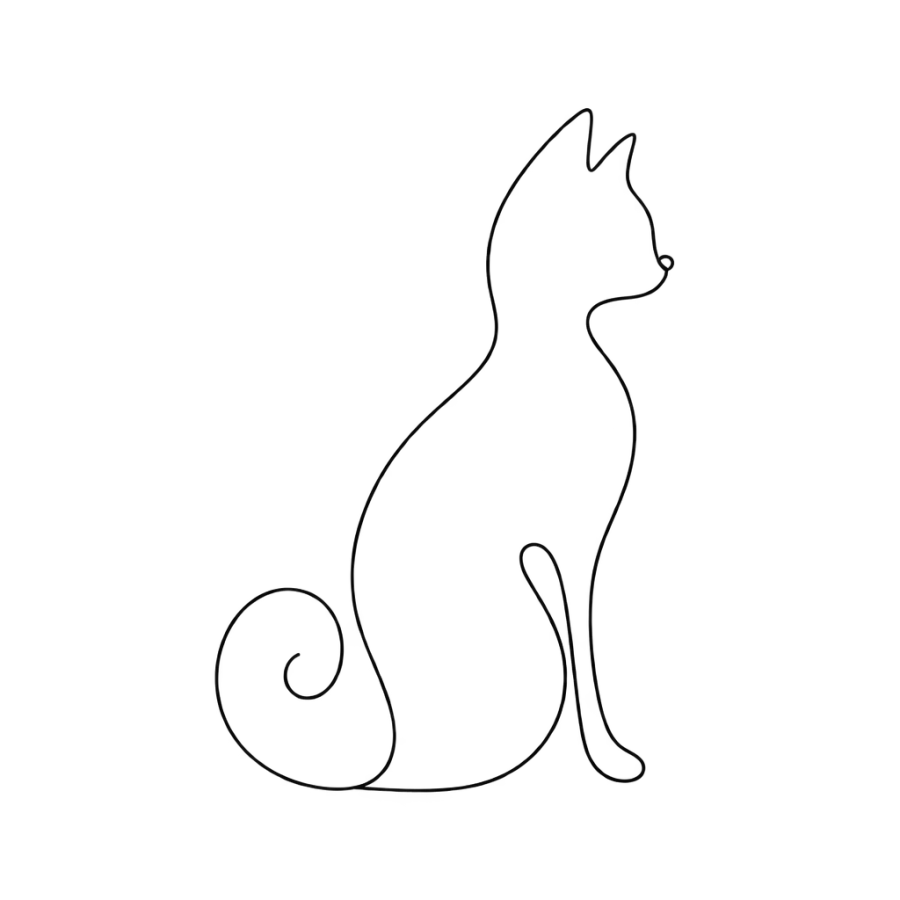
A sitting cat with a curled tail in one unbroken line, minimal
Use this prompt
A paper airplane with a curving dashed trail behind it, minimal lines
Use this prompt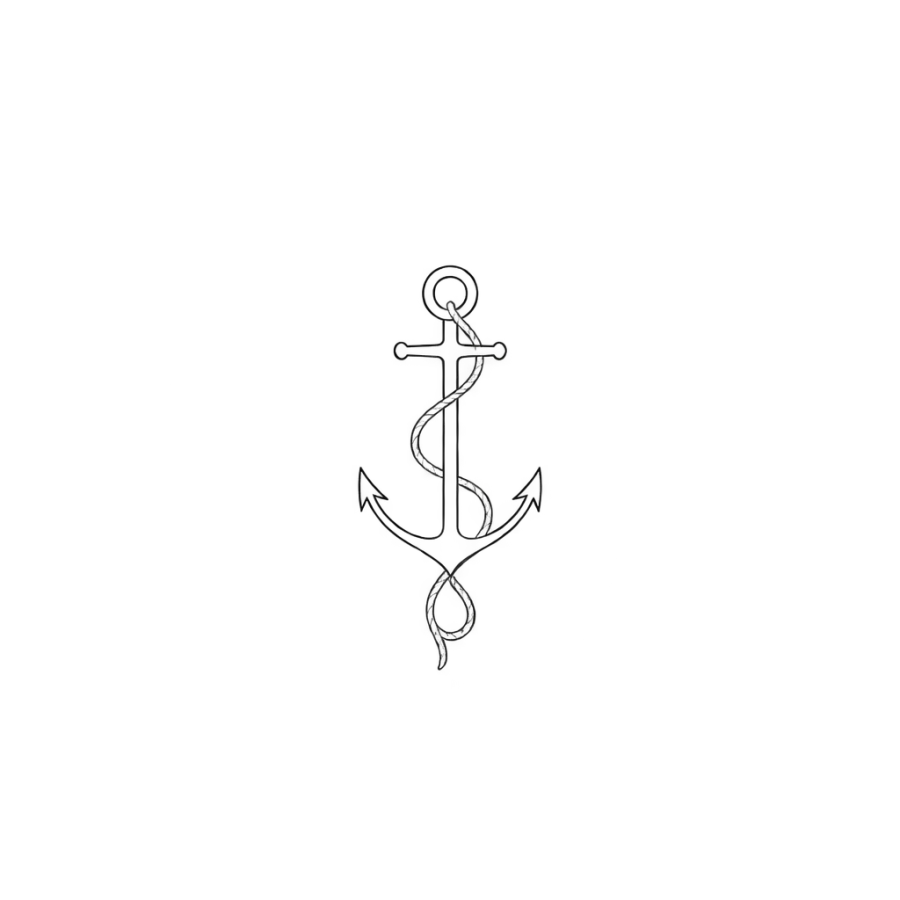
A small anchor with a thin looping rope, simple minimal linework
Use this prompt
A simple open eye with short lashes and one small teardrop, minimal
Use this prompt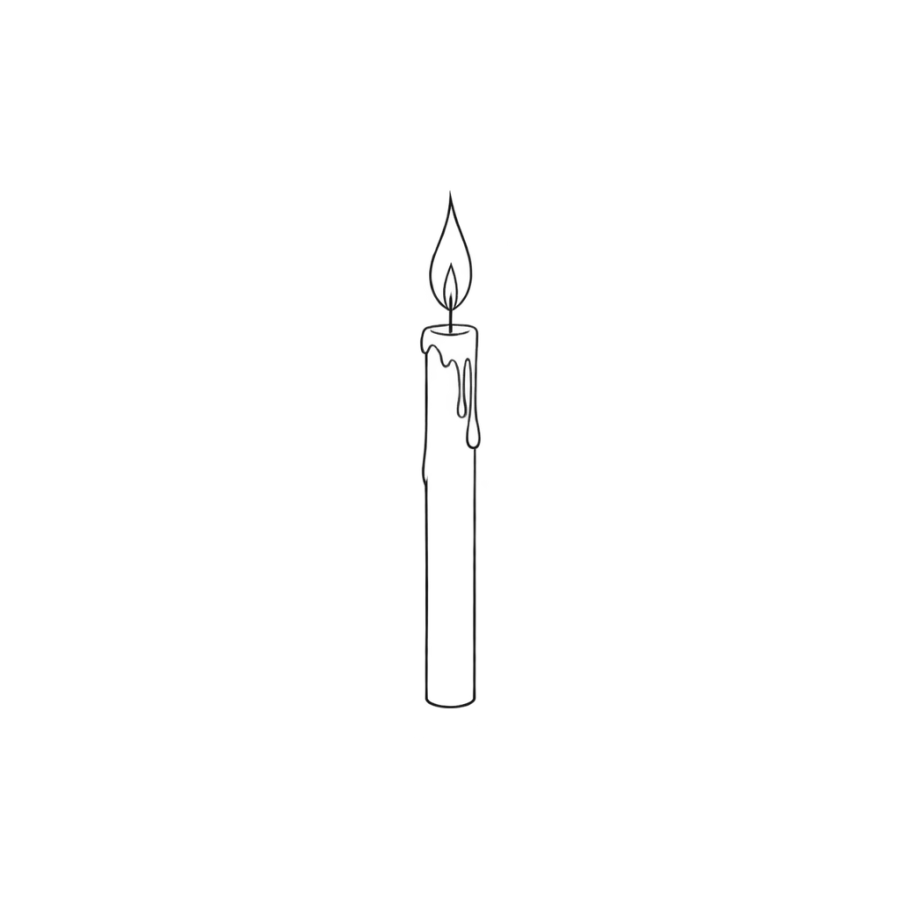
A single lit candle with a small flame, thin minimal linework
Use this prompt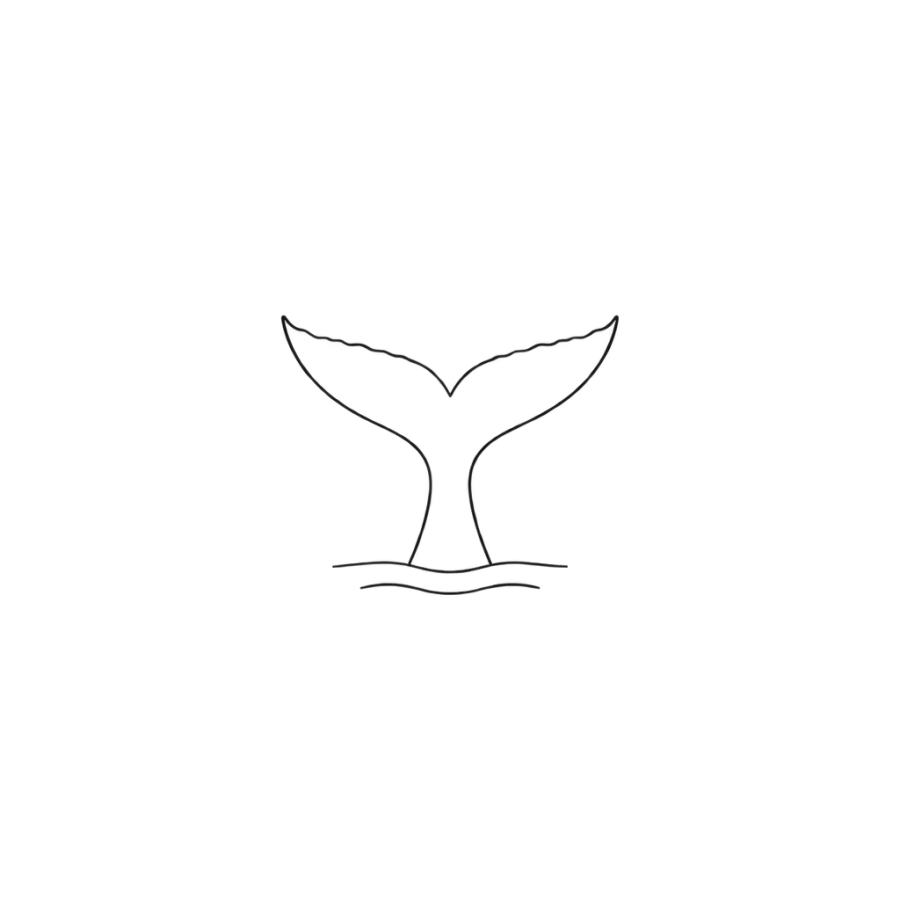
A whale tail dipping below two short water lines, minimal linework
Use this prompt
Two tiny mirrored pine trees on a short horizon line, very few lines
Use this prompt
Small black circle with a tiny bird cut out of it
Use this prompt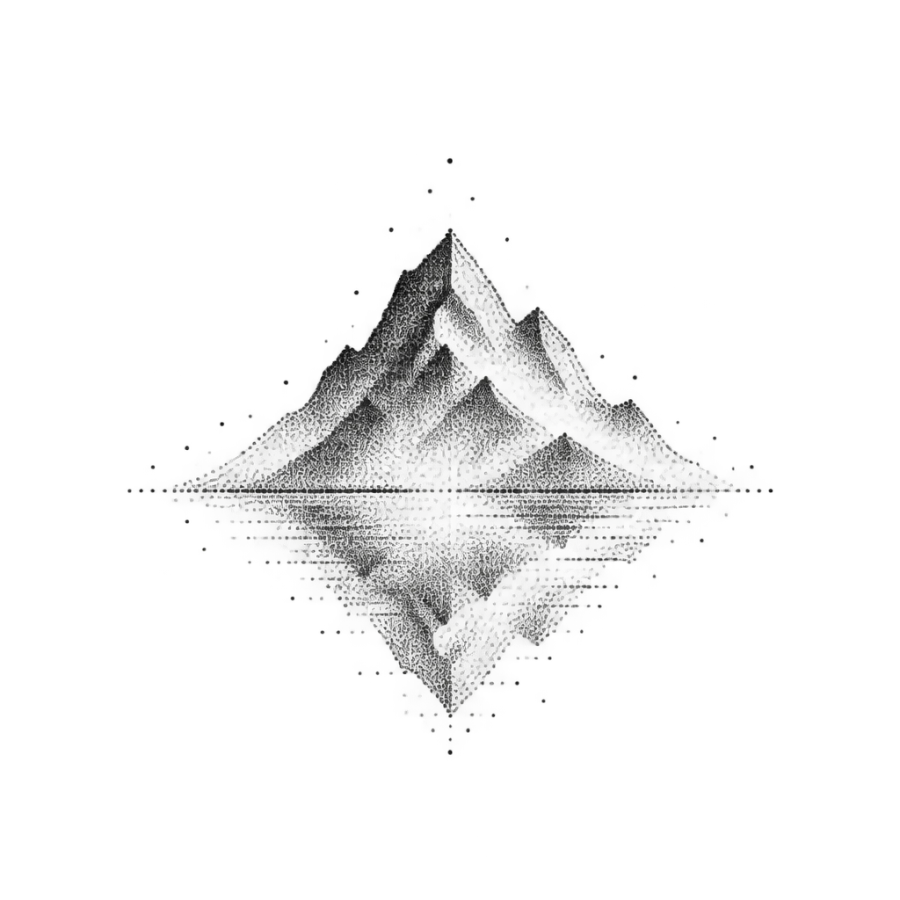
Tiny mountain peak with its reflection, sparse scattered dots only
Use this promptDescribe an idea of your own and get four designs back in about 20 seconds.
Open the generator
Questions people ask
What is the smallest tattoo an artist will do?
Most will go down to about 2 cm for a simple symbol with three or four marks. Below that, the lines sit close enough that they merge within a few years. Many artists set their own floor higher and explain why, which is usually longevity rather than a reluctance to do small work.
Why does a tiny tattoo cost as much as a bigger one?
Because of the shop minimum. Setting up a station, opening sterile needles and ink, stencilling, tattooing and breaking down the station takes roughly the same time whether the piece takes five minutes or forty. That minimum is typically $80 to $150 and covers the overhead rather than the drawing.
Is minimalist the same as fine line?
No. Fine line describes the thinness of the line, while minimalist describes how few elements the design has. A minimalist tattoo can be drawn with a heavy 9RL line and still be minimal. Bold minimalist work usually ages better than thin work at the same size.
Do small tattoos hurt?
Far less than people expect, mostly because they are over quickly. A 4 cm outline on the forearm takes 15 to 30 minutes and feels like a persistent scratch. Bony spots such as the ankle, collarbone, ribs and the side of the finger are sharper regardless of the size.
Can I make a minimalist design myself and take it to a studio?
Yes, that is how most minimalist tattoos start. Generate the design, download the stencil, and bring it to a licensed artist who will check line weight, spacing and size for the spot you have chosen. They will often simplify it a little further, and that is usually worth listening to.