Mandala tattoo ideas and designs
A mandala is a circular pattern built outward from one point, and tattooing it well is mostly a test of symmetry, spacing and patience.
- Pain level5 / 10, long sittings
- Healing2 to 3 weeks surface
- Typical size10 to 25 cm (4 to 10 in)
- Studio cost$300 to $1,200
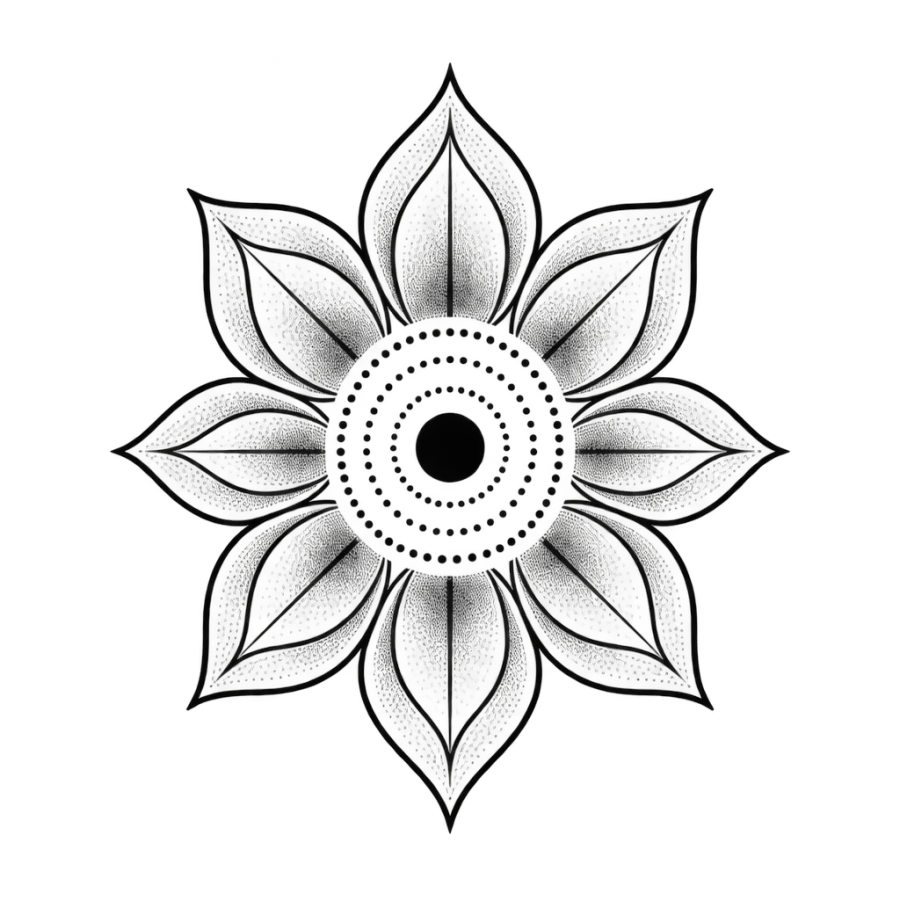
Mandalas come from Hindu and Buddhist practice, where a circular diagram is used as a focus for meditation and as a representation of the cosmos. The tattoo version borrows the geometry: a center point, rings of repeating shapes, petals and points radiating outward, usually in black with dotwork or fine line shading.
Modern mandala tattooing is decorative work rather than religious work, and most artists and wearers treat it that way. It is worth knowing where the form comes from, and worth being thoughtful about combining it with specific religious iconography, such as a deity or a sacred syllable, if you have no connection to the tradition it belongs to.
How a mandala is built on skin
The artist starts from a center point and works outward in rings, keeping each ring evenly divided. Most draw the guides freehand on the skin with a marker and a flexible ruler rather than using a printed stencil, because a flat stencil cannot sit on a curved surface without distorting the outer rings. On a shoulder or a knee, that distortion is the whole problem.
Lines are usually pulled with a 3RL or 5RL, and shading comes from stippling with a 7RL or from a soft grey wash with a small magnum. Dotwork gradients take much longer than wash shading, often doubling the session, and they are what gives the pattern its soft depth. Ask which method your artist uses before you compare quotes.
Getting the symmetry right
Symmetry is what people notice, and it is the hardest part. A mandala sitting on a flat plane like the sternum or the middle of the back can be close to perfect. One wrapping a shoulder, a knee or a hip has to be drawn with the curve deliberately built in, so it reads as round when you are standing rather than when you are lying on the bed.
This is why the stencil stage takes so long. Expect twenty to forty minutes of drawing and adjusting before the machine starts, and expect to stand up and look in a mirror at least once. A mandala that is slightly off center on a limb is difficult to fix afterward, because every ring is measured from the same middle.
Placements that suit a mandala
- The sternum and the center of the back, where the surface is flattest
- The shoulder cap and the knee, where the roundness matches the form
- The point of the elbow, which the radial shape fits naturally
- The forearm, when the design is drawn as an oval rather than a circle
- The thigh, which gives enough space for a large detailed piece
How mandala work ages
Mandalas age on a clear rule: the spacing decides everything. Lines closer than about 2 mm merge into a grey mass over ten to fifteen years, which turns a crisp pattern into a shaded blob. Designs with real breathing room between the rings stay legible for decades and only soften at the edges.
Size follows from that. A detailed mandala under 10 cm is asking for trouble, because the outer rings end up packed too tight to survive. If you want something small, take the same design and remove half the detail rather than shrinking it. Dotwork shading also lightens over the years, so ask for it slightly denser than looks right on day one.
Sessions, pain and cost
A 15 cm mandala usually takes four to six hours and costs $400 to $900 at common rates. A half sleeve of connected mandala and ornamental work runs twelve to twenty hours across several sittings, landing between $1,500 and $3,500. Dotwork shading adds hours, so a stippled piece can cost half again what the same design costs in wash.
Pain is moderate for the style itself, but the sittings are long and repetitive, and long sittings are where people struggle. Artists usually split anything over five hours into two appointments. The stippling stage is the tedious part for both of you, since it is thousands of individual taps in one small area, and the artist’s hand tires before yours does.
15 mandala tattoo designs, with the prompt behind each one
Every design below came out of AI Tattoo Lab. Tap one to load its prompt into the generator, then change a word and make it yours.

Mandala tattoo design
Use this prompt
Mandala tattoo design
Use this prompt
Mandala tattoo design
Use this prompt
Mandala tattoo design
Use this prompt
Mandala tattoo design
Use this prompt
Mandala tattoo design
Use this prompt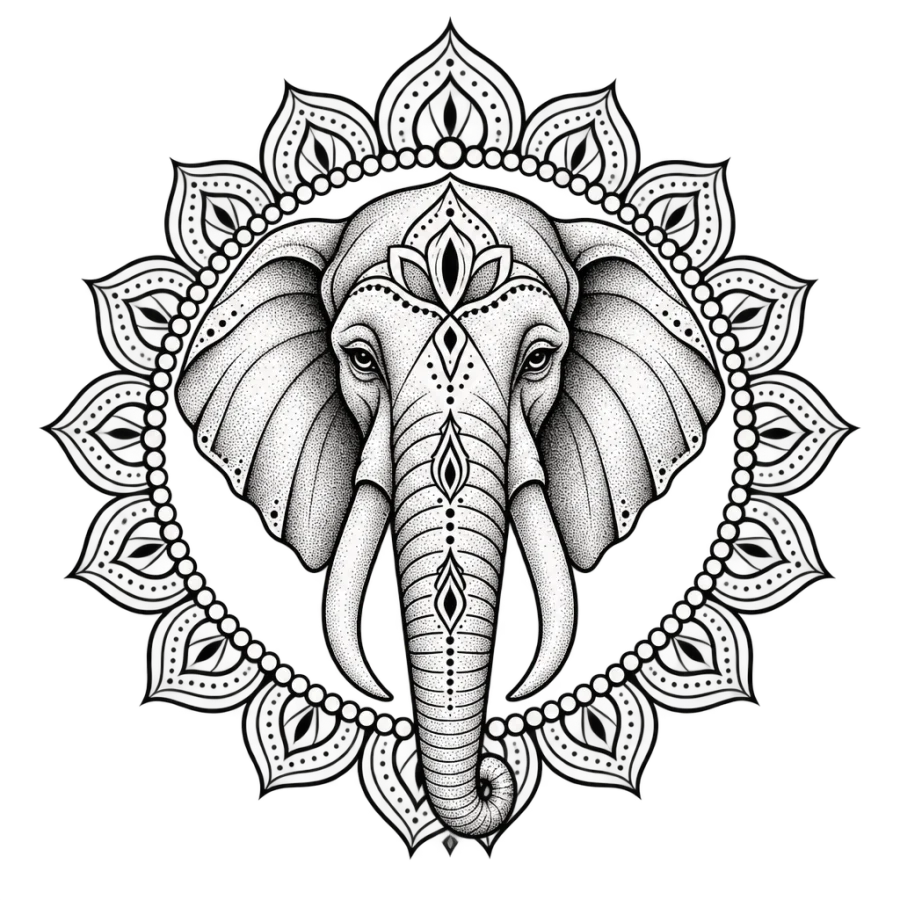
Mandala tattoo design
Use this prompt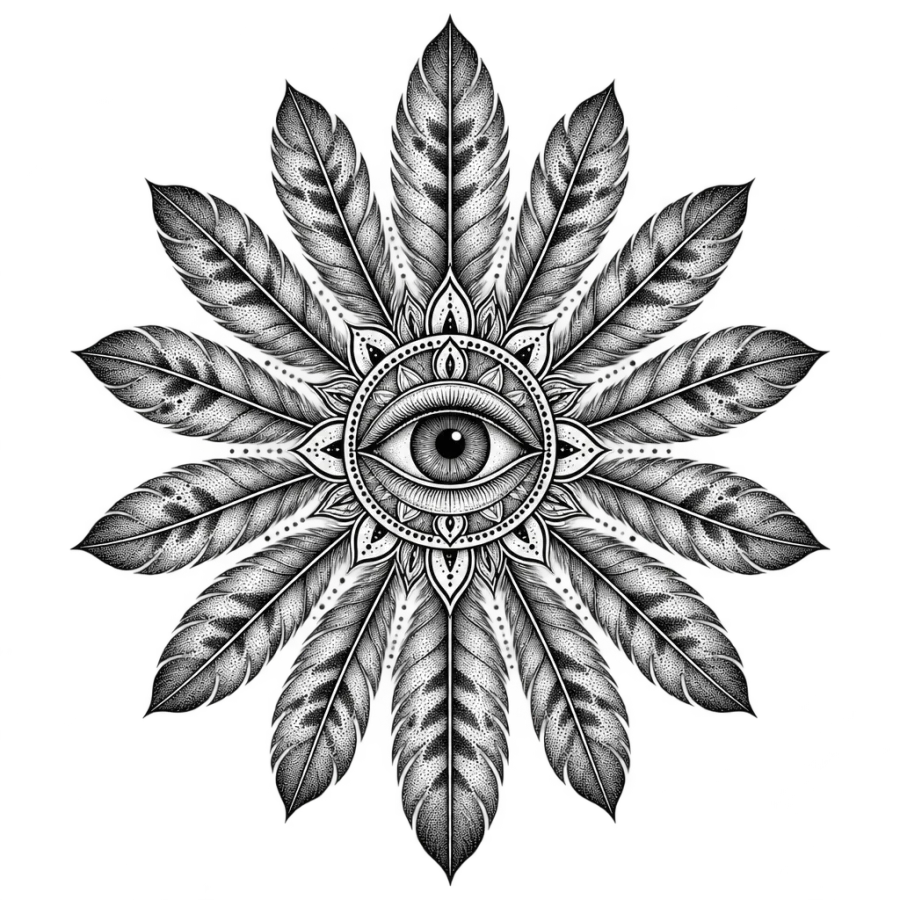
Mandala tattoo design
Use this prompt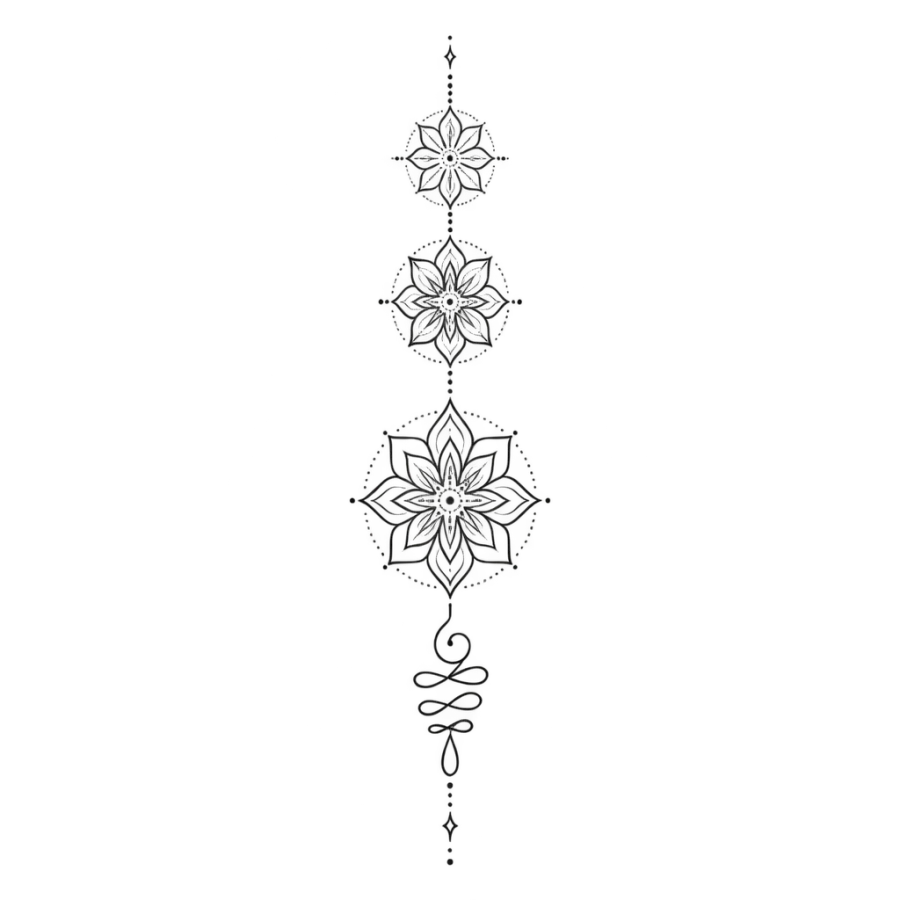
Mandala tattoo design
Use this prompt
Mandala tattoo design
Use this prompt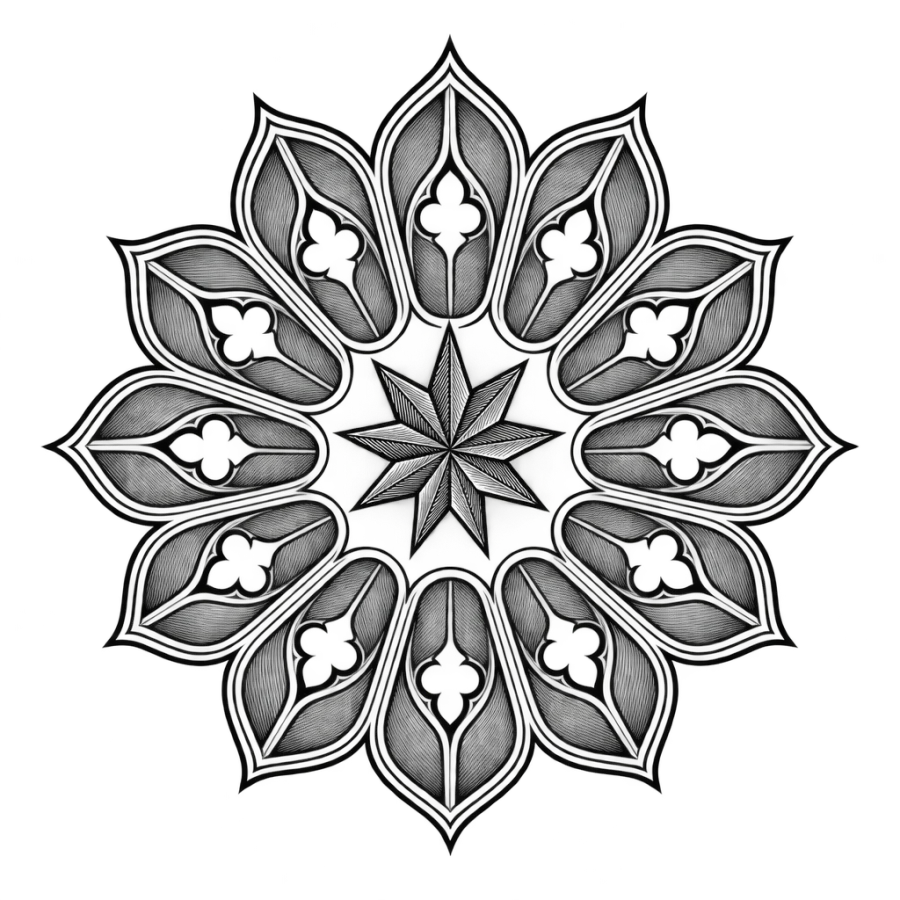
Mandala tattoo design
Use this prompt
A mandala cut out of a solid black disc in negative space
Use this prompt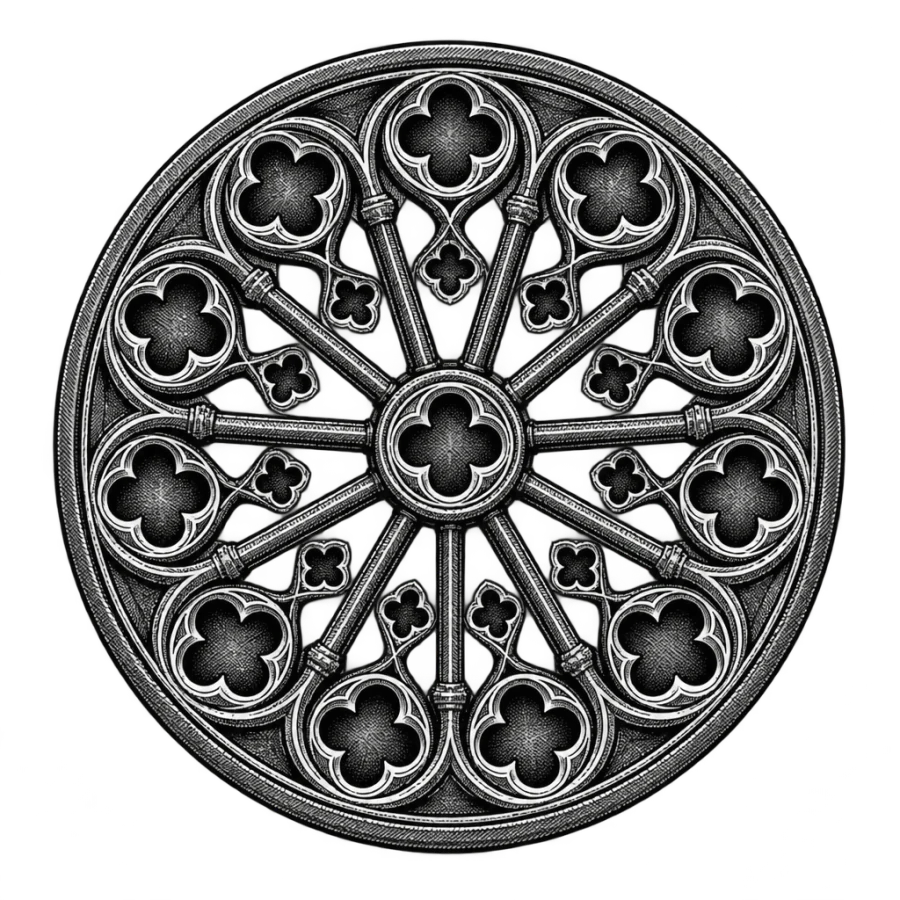
A mandala drawn as a cathedral rose window, engraving style
Use this prompt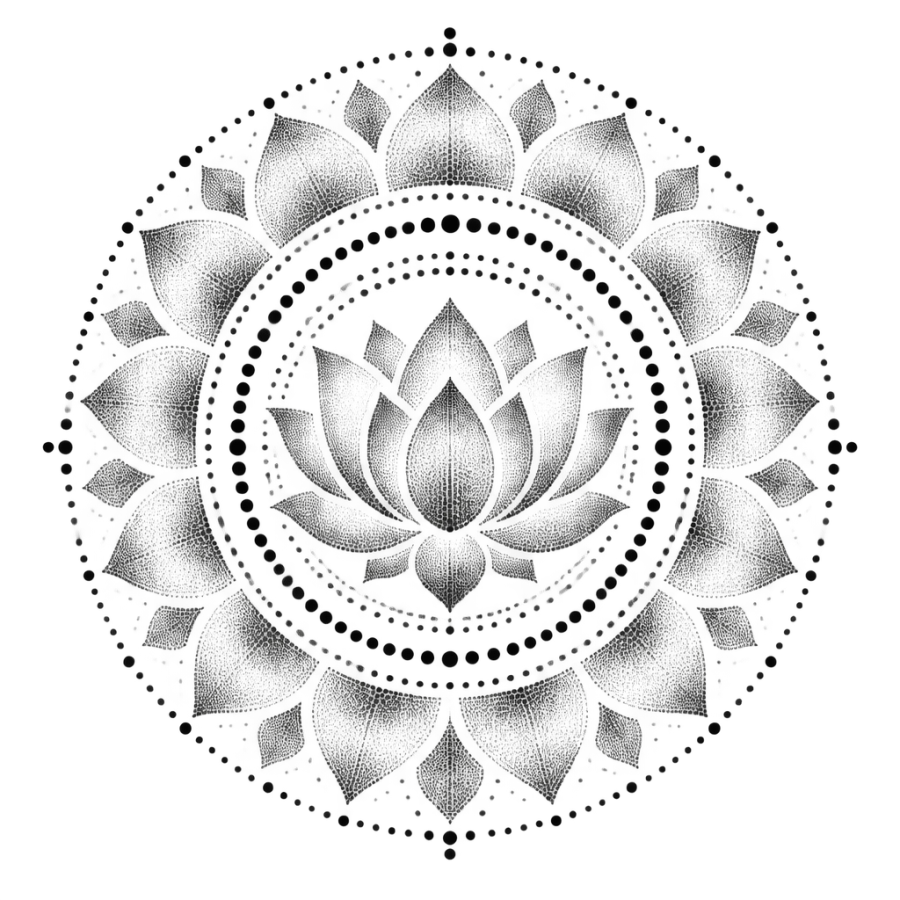
A mandala with a lotus centre made only of stippled dots
Use this promptDescribe an idea of your own and get four designs back in about 20 seconds.
Open the generator
Questions people ask
How big does a mandala tattoo need to be?
At least 10 cm for anything detailed, and 15 to 25 cm for a full design with several rings. Small mandalas fail because the outer rings end up packed tighter than the skin can hold. If you want something small, simplify the pattern rather than shrinking a detailed one.
Is it disrespectful to get a mandala tattoo?
The circular pattern is widely used as decorative design and most artists and wearers treat it that way. The form does come from Hindu and Buddhist practice, so it is worth being thoughtful about combining it with specific religious iconography, such as a deity or a sacred syllable, if you have no connection to those traditions.
How much does a mandala tattoo cost?
A 15 cm piece takes four to six hours and runs $400 to $900. Half sleeves of connected mandala and ornamental work reach $1,500 to $3,500 across several sittings. Dotwork shading adds significant time compared with grey wash, so ask which method the quote assumes.
Do mandala tattoos blur over time?
Only where the lines sit too close together. Anything under about 2 mm apart merges into grey over ten to fifteen years. Designs drawn with space between the rings stay readable for decades. Dotwork shading lightens with age, so artists often work it denser than it needs to look at first.
Where does a mandala tattoo look best?
Flat areas like the sternum and center back give the cleanest symmetry. Round areas like the shoulder cap, the knee and the point of the elbow suit the radial shape, though the artist has to draw the curve into the design so it reads as round while you are standing.