Hand poke tattoo ideas and designs
Hand poke tattoos are made by pushing a needle into the skin by hand, one dot at a time, which is slower, quieter and gentler on the skin.
- Pain level4 / 10, slow and dull
- Healing1 to 2 weeks surface
- Typical size3 to 12 cm (1 to 5 in)
- Studio cost$100 to $400

A hand poke tattoo is made with no machine at all. The artist holds a needle in a wooden or steel handle, dips it, and pushes it in and out of the skin by hand, placing one dot at a time. At a working pace of one to three pokes a second, a line is a row of dots close enough to read as continuous.
The look is softer than machine work. Lines have a slightly irregular quality that people either want or do not, shading is built from dot density, and the whole thing reads as handmade. The technique is old, and the current version is a deliberate craft choice rather than a shortcut.
How a hand poked tattoo is made
Needles are the same sterile single use groupings a machine uses. A 3RL is common for lines, a 5RL or 7RL for faster fills, and some artists use a 9RL for solid areas. The needle goes in at a shallow angle to a depth of about 1 to 2 mm, and the artist controls that depth by feel rather than by a machine’s stroke.
Because each poke is placed individually, the artist can vary spacing and depth line by line. Shading is built by changing how close the dots sit rather than by sweeping a magnum. Solid black fills are the slow part: packing a 3 cm circle solid by hand can take as long as an entire small machine tattoo.
Session length and what it feels like
Hand poking is slower per square centimeter than machine work. A small simple design of 5 cm takes forty minutes to an hour and a half. A 12 cm piece with shading can run three to five hours, and a large hand poked back piece is a project of many sittings that few artists take on.
Most people find it hurts less. There is no vibration and no buzzing, the sensation is a steady series of small scratches, and the slower pace lets you settle into it. What it tests instead is patience, since the same area gets worked over repeatedly and the sound of the studio is just conversation.
Healing and why it is usually faster
A hand poked tattoo normally heals faster than a machine tattoo, often one to two weeks on the surface rather than two to three. A machine puts a needle through the skin hundreds of times a second and drags it across the surface. A hand poke places each entry deliberately, so there is less trauma and less scabbing.
Aftercare is the same otherwise: wash twice daily with unscented soap, a thin layer of ointment, no soaking and no sun for two weeks. Swelling and redness are usually milder, which some people take as a sign it is not properly done. Less surface damage is the point of the technique.
What to check before booking
- Single use sterile needles, opened in front of you
- Professional tattoo ink, never pen or India ink
- A licensed studio or a licensed artist working legally at home
- Healed photographs from a year or more after the work
- A design simple enough that the technique suits it
How it ages, and the DIY question
Depth control decides everything. Ink placed too shallow fades out within a year or two, and dots placed unevenly can look patchy once healed. A skilled hand poker produces work that ages much like fine line machine work, softening slowly over ten to fifteen years. An inexperienced one produces either a faded ghost or a blowout.
Home stick and poke is where the damage comes from. A sewing needle and pen ink means unsterile equipment, pigment that was never meant for skin, and no control over depth, and the results include infection, scarring and ink that turns green under the surface. The technique is fine. Doing it without training, sterile needles and real ink is not.
15 hand poke tattoo designs, with the prompt behind each one
Every design below came out of AI Tattoo Lab. Tap one to load its prompt into the generator, then change a word and make it yours.

A slender snake winding down a tall column, sparse stick and poke lines
Use this prompt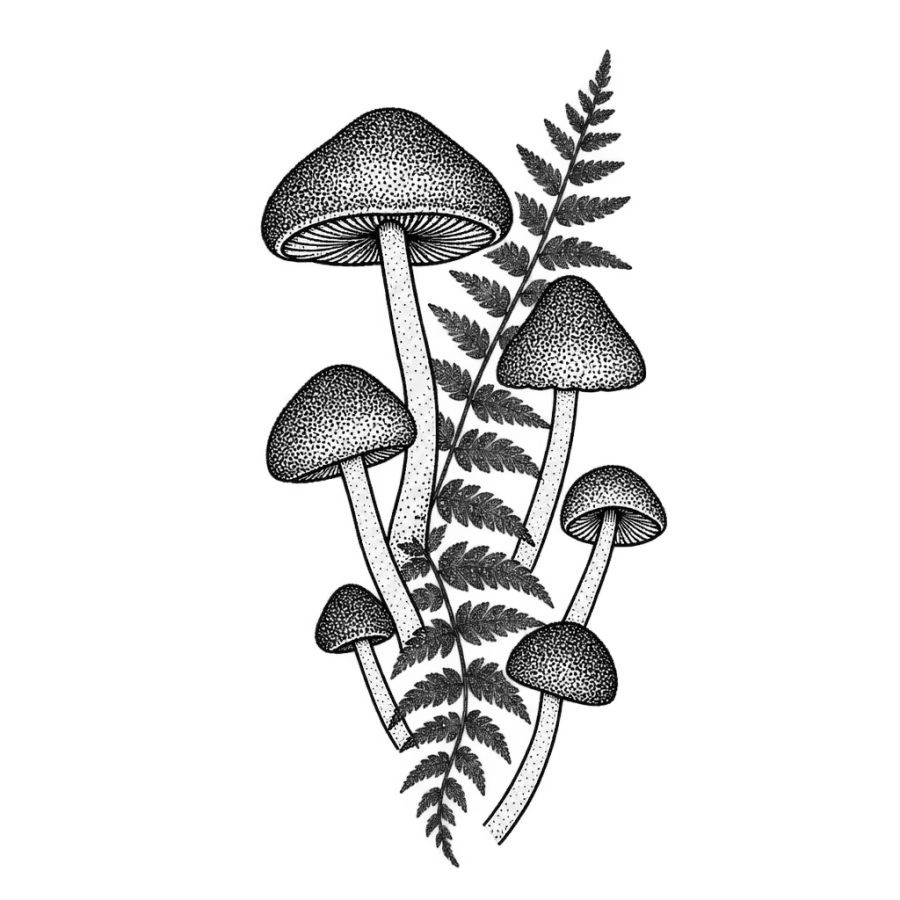
A scattered cluster of little mushrooms with a fern, heavy poked stippling
Use this prompt
A swallow in mid flight as a solid silhouette, hand poked black
Use this prompt
A sun with a simple face and wavy rays, heavy hand poked dots
Use this prompt
Rolling ocean waves in a wide band with a tiny sailboat, stick and poke
Use this prompt
An open eye with a single teardrop inside a dotted arch, hand poked
Use this prompt
A mountain range left blank inside a circle packed with poked dots
Use this prompt
Two moths facing each other with a small flower between, fine poked stipple
Use this prompt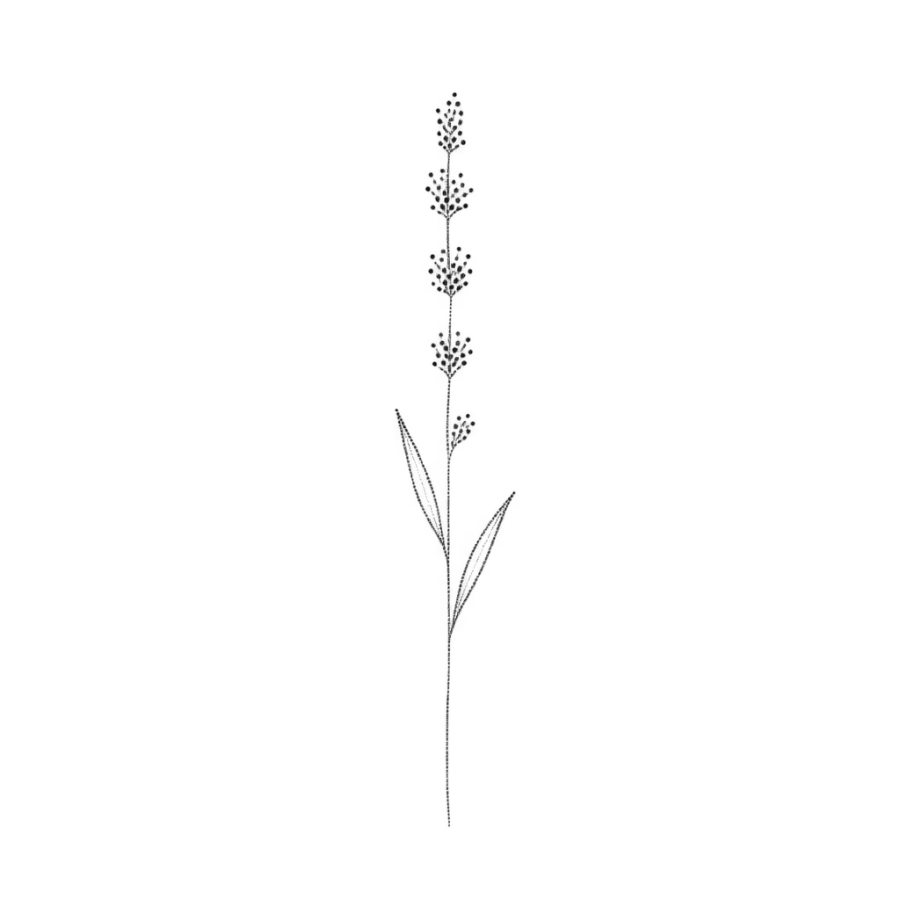
A single sprig of lavender, barely there hand poked dots, hairline stem
Use this prompt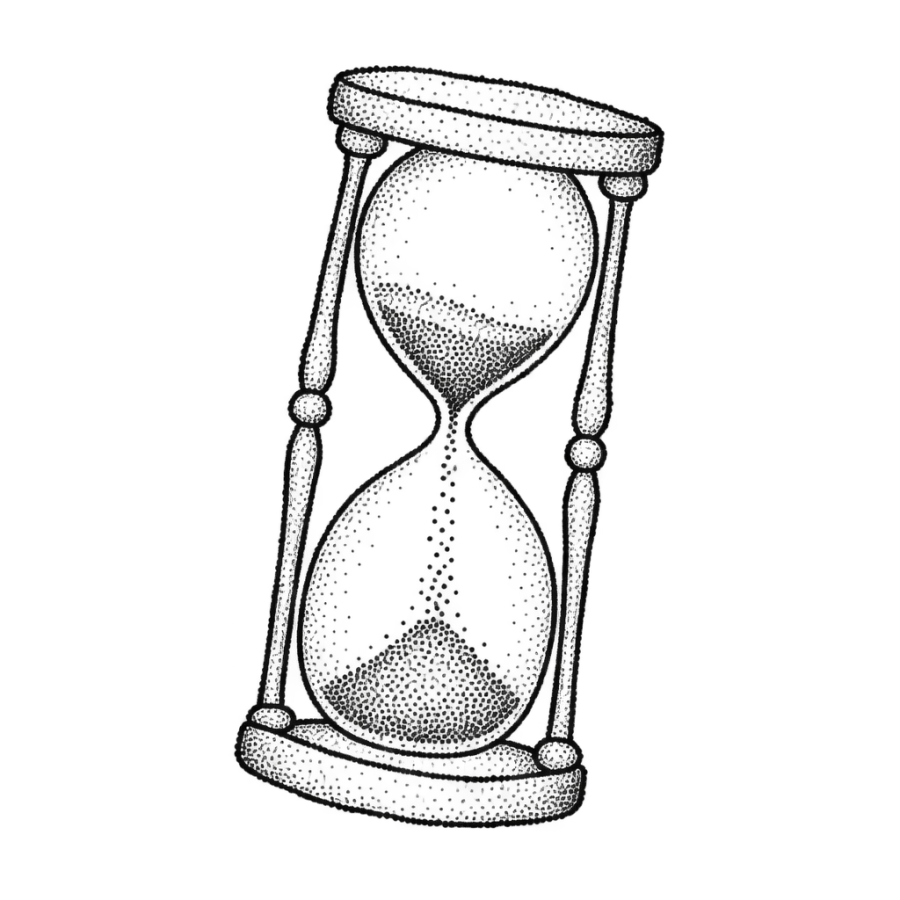
A tipped hourglass with sand falling in loose dots, stick and poke
Use this prompt
A triangle holding a spiral with a dotted gradient and small orbiting circles
Use this prompt
A daisy and a small bee in one unbroken hand poked line
Use this prompt
A poppy head inside a dotted ornamental arch with hanging tassels
Use this prompt
A solid black crescent split by a white gap with trailing dots
Use this promptDescribe an idea of your own and get four designs back in about 20 seconds.
Open the generator
Questions people ask
Do hand poke tattoos hurt less than machine tattoos?
Most people say yes. There is no vibration and no dragging across the skin, and the sensation is a steady series of small scratches rather than a continuous burn. The trade off is time, since the same area gets worked over repeatedly and sessions run longer than machine work would.
How long does a hand poke tattoo take?
A simple 5 cm design takes forty minutes to an hour and a half. A 12 cm piece with shading runs three to five hours. Solid black fills are the slow part, since packing an area by hand can take as long as a whole small machine tattoo on its own.
Do hand poke tattoos fade faster?
Only when the ink is placed too shallow, which is a matter of the artist’s depth control rather than of the technique. Well placed hand poked work ages much like fine line machine work, softening gradually over ten to fifteen years. Poorly placed work can fade noticeably within a year or two.
Is stick and poke at home safe?
No. A sewing needle is not sterile, pen and India ink were never made for skin, and depth control takes training you cannot get from a video. The outcomes include infection, scarring and pigment that turns green under the surface. The technique is legitimate when a trained artist does it properly.
How much does a hand poke tattoo cost?
Usually $100 to $400 for a small or medium piece, often at an hourly rate slightly below machine work or at a flat rate per design. Larger pieces are priced by the hour like anything else, and because the technique is slower the total for a big design can be higher.