Calligraphy tattoo hands and what a needle holds
A calligraphy tattoo borrows a hand built for paper, and the hairline that makes copperplate beautiful sits right at the edge of what a needle can hold.
- Minimum letter height10 mm, 12 mm copperplate
- Thinnest needle strokeAbout 0.8 mm
- Typical size10 to 25 cm (4 to 10 in)
- Studio cost$250 to $900

Calligraphy is lettering defined by the tool. A pointed flexible nib spreads under pressure and springs back, so copperplate has an extreme thick to thin rhythm. A broad edged pen holds one width and changes weight only as the angle changes, which is why uncial and italic look even. A brush does both at once. Each tool leaves a signature, and that signature is what you are asking a tattooer to reproduce.
The problem is scale. A copperplate hairline on paper is well under 0.2 mm. The thinnest line a round liner lays and keeps is around 0.8 mm, four times that, and it widens further over the years. So a faithful copperplate tattoo is not really possible at small sizes, and what good artists do instead is rebuild the contrast from the other end.
The hands people ask for
Four or five hands cover almost every calligraphy tattoo request. Copperplate, also called English round hand, is the engraved looking script with extreme contrast, written with a pointed flexible nib. Spencerian is the lighter American business hand built on ovals, developed by Platt Rogers Spencer and taught in American schools through the late nineteenth century.
Uncial is a rounded majuscule book hand used in Latin and Greek manuscripts roughly from the fourth to the eighth century, written with a broad edge, and it is the most tattoo friendly of the group because its weight is even. Italic, the Renaissance chancery hand, sits between the two. Brush lettering is modern and fast, with contrast that comes from how hard the brush was pressed. Set your wording in each at /tools/tattoo-font-generator/, or a name at /tools/name-tattoo-generator/.
| Hand | Tool it comes from | Stroke contrast | Smallest letter height |
|---|---|---|---|
| Uncial | Broad edged pen | Low and even | 8 mm |
| Italic or chancery | Broad edged pen | Moderate | 9 mm |
| Brush lettering | Pointed brush | Moderate to high | 9 mm |
| Spencerian | Pointed nib, light pressure | Light | 10 mm |
| Copperplate | Pointed flexible nib | Extreme | 12 mm |
Why a true copperplate hairline is a gamble
Copperplate works because the eye reads the jump from a 2 mm shaded downstroke to a 0.15 mm upstroke as elegance. A needle cannot make the second number. The thinnest mark a 3RL lays and holds is roughly 0.8 mm, and ten years of sideways ink migration pushes it towards 1.2 mm, by which point the contrast ratio has collapsed from about thirteen to one down to two to one.
The workaround is to exaggerate the other side. Artists who letter copperplate well make the shaded strokes heavier than the pen would, keep the thin strokes at the minimum the skin will hold, and go up in letter height so there is room for both. That gives something that still reads as copperplate at fifteen years. A faithful copy of the paper version does not.
Arabic, Chinese and other scripts
Arabic calligraphy is the case where typing the text is the mistake. Arabic reads right to left and most letters change shape depending on whether they start, sit inside or end a word, and they connect to their neighbours. Text pasted into software that does not shape Arabic comes out as disconnected, isolated letters in the wrong order, which is unreadable to anyone who reads the language. Get an Arabic calligrapher to draw the words.
Devanagari for Sanskrit has conjunct consonants and a top line that has to run continuously, and machine transliteration regularly produces a string that means nothing. Chinese and Japanese characters shift meaning in compounds, and simplified and traditional forms are different. Greek has a separate final sigma used only at the end of a word. For any of these, have a native speaker check the exact characters you are about to wear, not a description of them.
Before you book lettering in a script you do not read
- Have a native speaker check the exact characters, not a translation of the idea
- For Arabic, commission a calligrapher rather than setting the text in a font
- Ask whether the characters change shape or order in the position you are using them
- Check simplified against traditional for Chinese, and confirm which one you want
- Keep a copy of the approved artwork so the stencil can be checked against it
Booking a calligraphy tattoo
Look for a lettering specialist, ideally one who has done calligraphy on paper, because the people who have held a broad pen understand where the weight belongs. Bring a reference of the hand plus the exact wording typed out, and expect them to redraw it to fit the body part rather than tracing a font.
A 15 cm phrase in uncial or italic takes one to two hours and runs $250 to $550. A larger copperplate piece with flourishes across a back or chest reaches $600 to $1,500 across one or two sittings. Pain is low for lettering, since a liner at moderate speed is gentler than packed shading, though the sitting is concentrated.
12 lettering designs, with the prompt behind each one
Every design below came out of AI Tattoo Lab. Tap one to load its prompt into the generator, then change a word and make it yours.

Carpe Diem in delicate Spencerian script on an arched line
Use this prompt
Ad Astra in copperplate script with a rising flourish
Use this prompt
Memento Mori stacked on two lines in bold copperplate script
Use this prompt
Dum Spiro Spero on three lines in fine hairline script
Use this prompt
Sic Parvis Magna in copperplate script with a sweeping underline
Use this prompt
Veritas in bold copperplate script with a swash capital
Use this prompt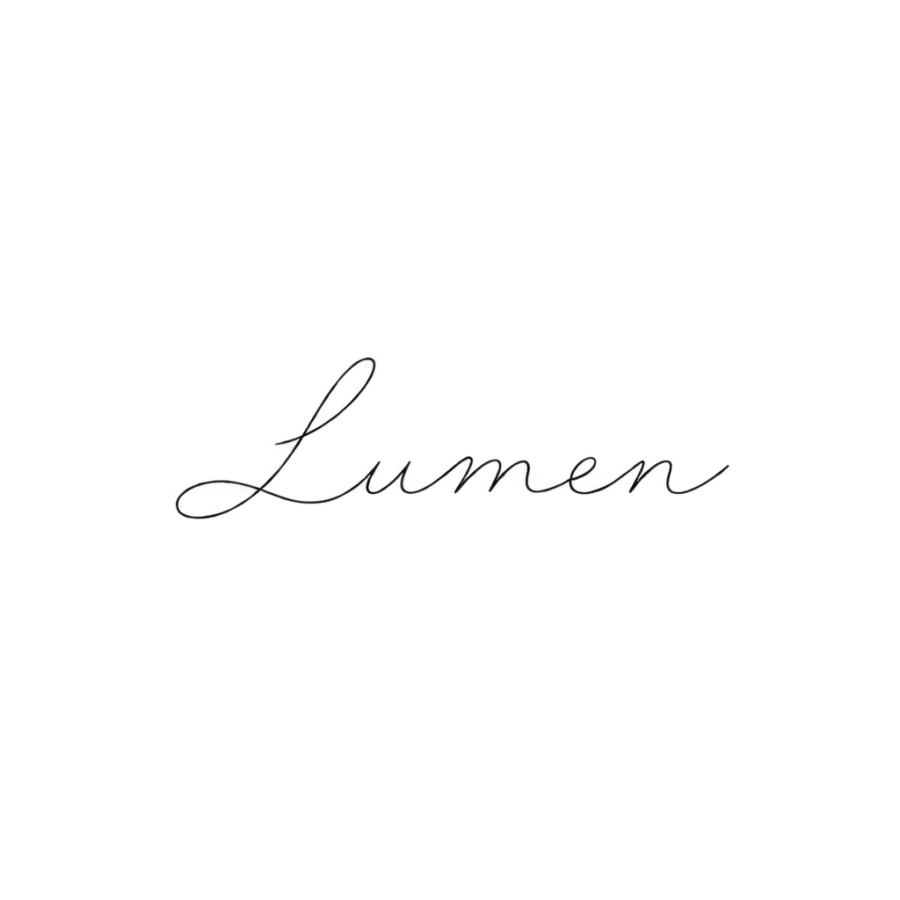
Lumen in a delicate monoline calligraphy script
Use this prompt
Fortis in heavy pointed pen calligraphy with thick downstrokes
Use this prompt
Esperanza in flowing Spencerian script with a decorative capital
Use this prompt
Alis Volat Propriis on two lines in airy italic calligraphy
Use this prompt
Semper arched above a thin ornamental flourish line
Use this promptDescribe an idea of your own and get four designs back in about 20 seconds.
Open the generator
Questions people ask
Can a tattoo really hold copperplate calligraphy?
Not faithfully at small sizes. A copperplate hairline is under 0.2 mm on paper and the thinnest line a needle holds is around 0.8 mm, widening over the years. Artists who letter it well go to 12 mm letter height or more and exaggerate the heavy strokes instead of thinning the thin ones.
Which calligraphy hand works best as a tattoo?
Uncial, because a broad edged pen gives it even weight with nothing fragile to lose, and it holds from about 8 mm of letter height. Italic and brush lettering both work from 9 mm. Spencerian wants 10 mm and copperplate 12 mm, since both depend on a thin upstroke.
How do I get Arabic calligraphy tattooed correctly?
Commission an Arabic calligrapher to draw the words, then have a native speaker confirm the artwork. Arabic reads right to left and most letters change shape by position and connect to their neighbours, so text typed or pasted into software that does not shape it comes out disconnected and in the wrong order.
Should I give the artist a font or a drawing?
Bring a reference image of the hand you want plus the exact wording in plain text. Lettering artists redraw the words to fit the body part, adjusting spacing by eye, and that is what you are paying for. A font dropped into a stencil keeps its flat spacing and fans out on a curve.
How does calligraphy lettering age?
The heavy strokes hold and the thin ones thicken until the contrast flattens, so a high contrast hand slowly reads as a medium weight script. The enclosed spaces inside letters close at the same time. Larger letters, generous spacing and a placement out of daily sun all extend the readable life considerably.