Knuckle tattoo ideas and placement
Knuckle tattoos are short, sharp and the hardest ink on the body to keep, so go bold, keep it simple and plan for touch ups.
- Pain level7 / 10, thin skin on bone
- Session time20 to 60 minutes
- Typical size1.5 to 2.5 cm per letter
- Studio cost$150 to $400 for four

The classic knuckle tattoo is a four letter word, one character per finger, read across a closed fist. Eight letters split over both hands is the other standard layout. Small solid symbols do the same job for people who want something quieter. All of these sit on skin that folds every time you close your hand.
Knuckles are also among the least durable placements there are, alongside fingers and palms. The skin over a joint stretches and creases all day, it rubs against everything you pick up, and it renews quickly. Nothing your artist does makes a knuckle tattoo permanent the way a forearm piece is permanent.
How much a knuckle tattoo hurts
Knuckles rate about 7 out of 10. The joint is right under a thin layer of skin, so you feel the machine rattling on bone, and there is no muscle anywhere to absorb it. The gap between the knuckles is slightly kinder than the peak of the joint itself, which is the part everyone flinches at.
What saves it is the clock. Four letters take twenty to forty minutes total, including stencil time. Even eight letters across both hands is usually under an hour of actual tattooing. You get one sharp minute per character rather than an afternoon of it, and most people who find the hand unbearable are reacting to the sound and vibration as much as the pain.
Letters, symbols and what fits on one knuckle
Each knuckle gives you a panel of roughly 1.5 to 2.5 cm across and about the same tall, curving away sharply on both sides. Capital letters in a heavy block or a bold serif hold up best, at 12 mm tall or more. Lowercase, thin script and anything with a hairline stroke closes up or breaks apart within a year.
Four letter words dominate for a reason: they fit the four fingers of one hand without crowding. Words of five or more letters mean either squeezing a character onto a thumb or splitting across both hands, which only reads when the fists are together. Solid symbols are the other route, and a filled shape survives far longer than an outlined one.
What actually lasts on a knuckle
- Heavy capitals at 12 mm tall or more
- Solid filled shapes instead of outlines
- One element per knuckle, centered on the joint
- Bold black only, since color drops out first here
- Designs that still read once the edges soften
Why knuckle tattoos drop out, and how often you go back
Patchy areas within three to six months are normal, and a letter losing part of its stroke inside the first year is common. Skin over a joint folds thousands of times a day, which pushes pigment out of the creases, and hands get washed, scrubbed and knocked constantly. Ink sitting in a crease simply does not stay there.
Budget for a touch up at three months, another somewhere in the first year, and one every two or three years after that. Many artists include the first touch up and charge for the rest, and some refuse knuckle work entirely because the healed result reflects on them. Ask what the policy is before you book, not afterward.
What knuckle tattoos cost you at work
Knuckles cannot be covered. A long sleeve stops at the wrist, a ring hides one finger at best, and makeup rubs off within an hour of using your hands. Every handshake, every interview and every counter you stand behind shows them. That is the actual decision here, and it is bigger than the tattoo.
Hiring has loosened in trades, hospitality kitchens, tech and creative work. It has loosened much less in client facing finance, law, healthcare, aviation and front of house roles at formal venues. Lettering that reads as aggressive gets judged harder than a small symbol. If there is any chance you will need the hands to look neutral in the next few years, put the design somewhere a sleeve reaches.
15 knuckles tattoo designs, with the prompt behind each one
Every design below came out of AI Tattoo Lab. Tap one to load its prompt into the generator, then change a word and make it yours.

Knuckles tattoo design
Use this prompt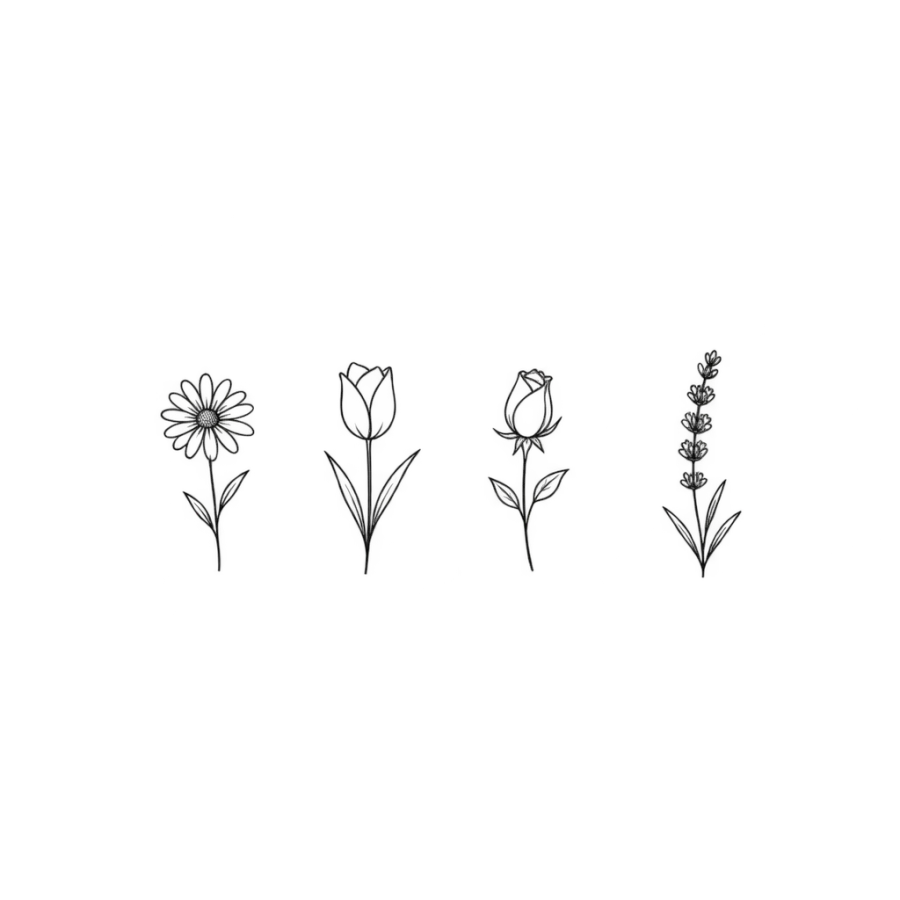
Knuckles tattoo design
Use this prompt
Knuckles tattoo design
Use this prompt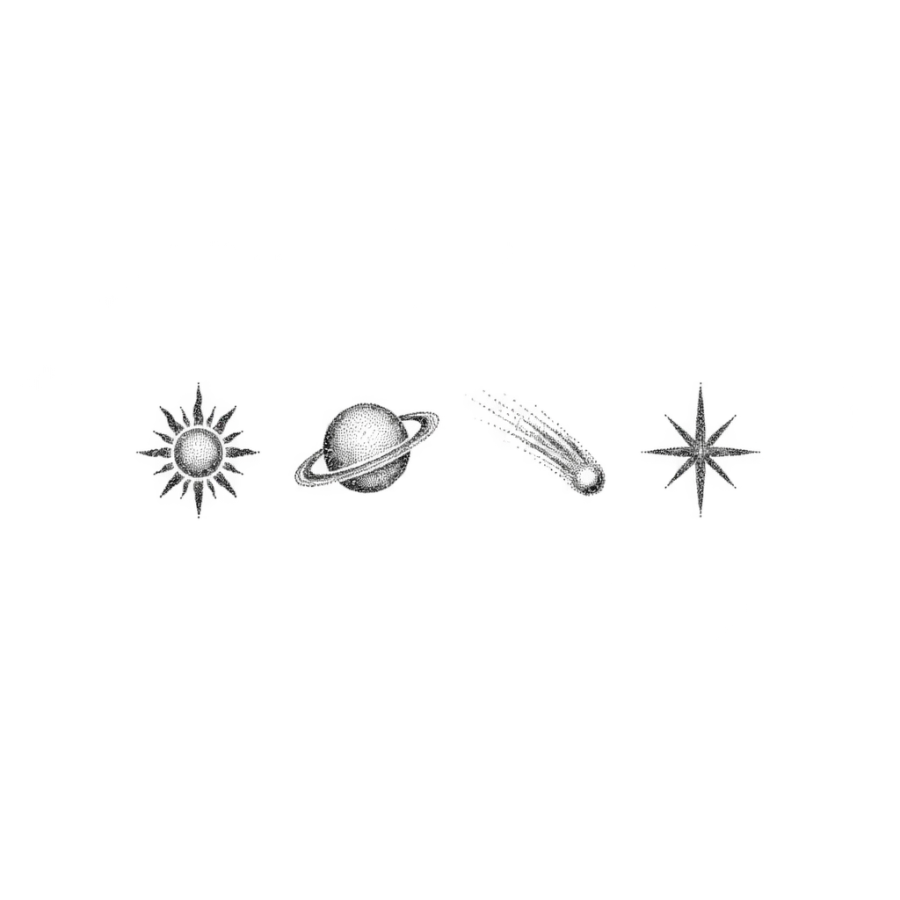
Knuckles tattoo design
Use this prompt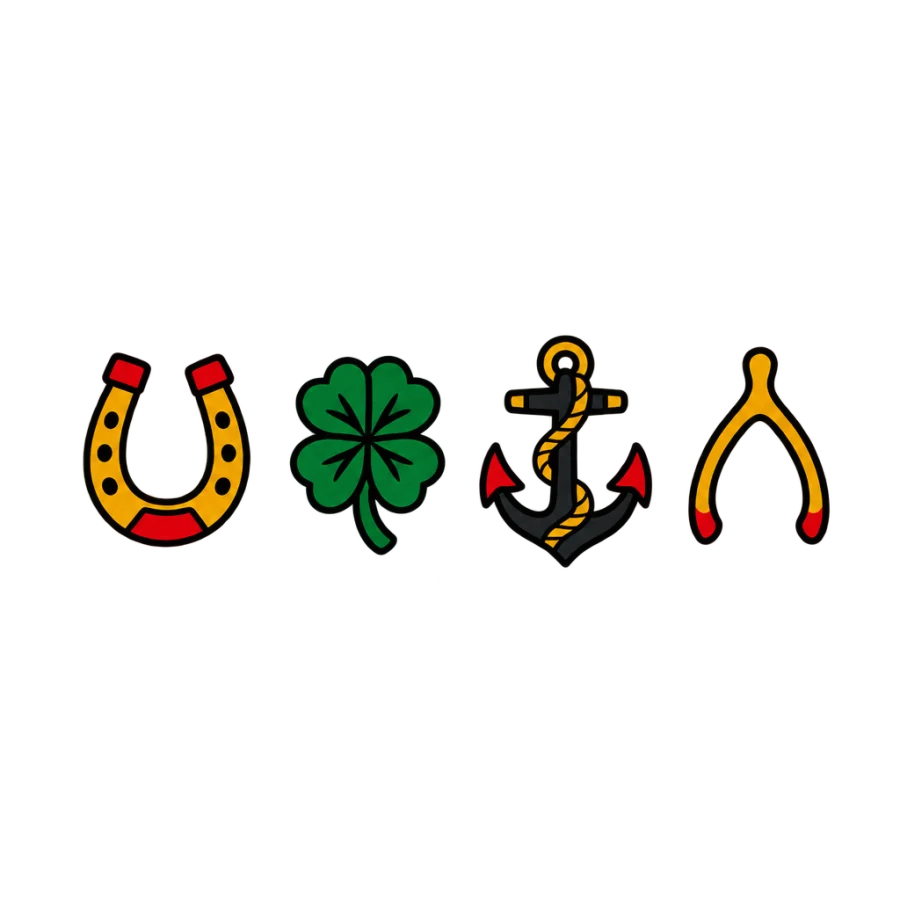
Knuckles tattoo design
Use this prompt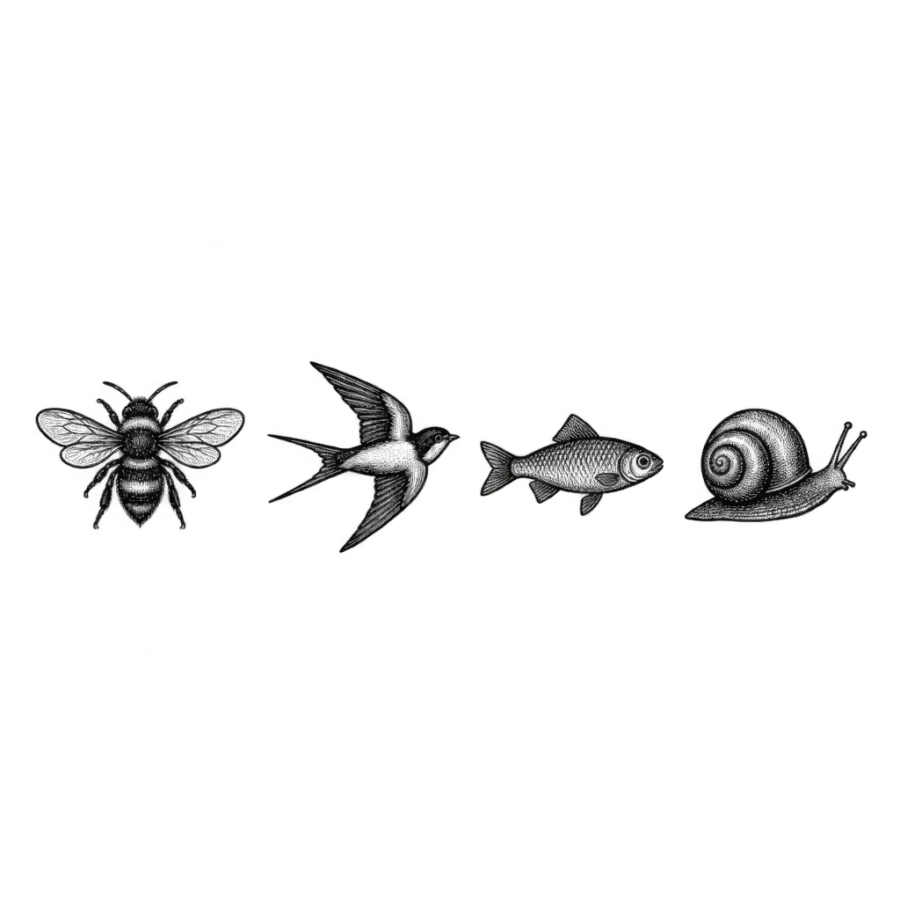
Knuckles tattoo design
Use this prompt
Knuckles tattoo design
Use this prompt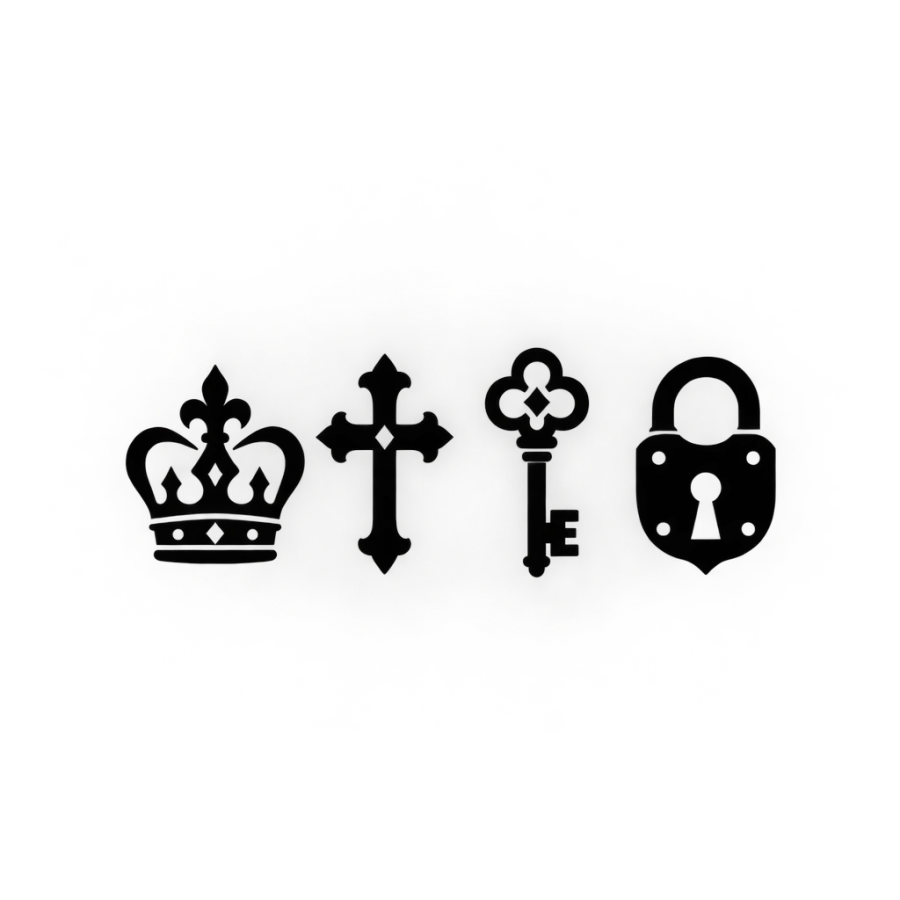
Knuckles tattoo design
Use this prompt
Knuckles tattoo design
Use this prompt
Knuckles tattoo design
Use this prompt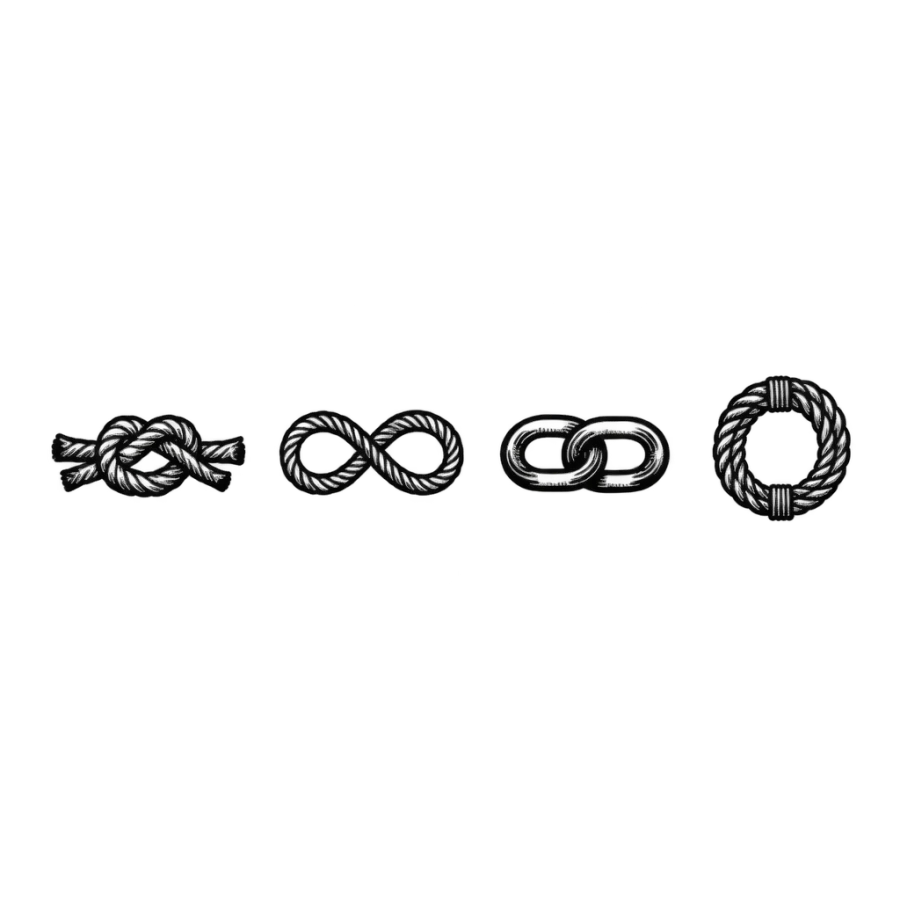
Knuckles tattoo design
Use this prompt
Four solid black knuckle panels with a crescent, star, wave and diamond
Use this prompt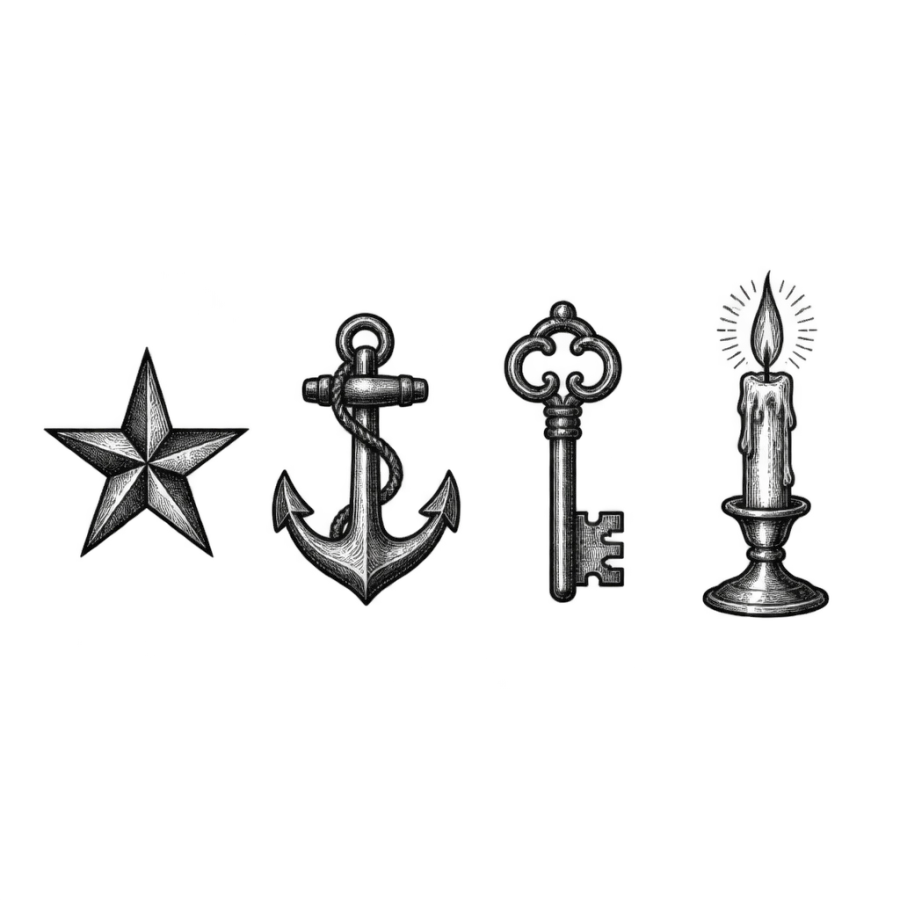
Four tiny knuckle designs, star anchor key and candle, engraved style
Use this prompt
Four tiny single line knuckle designs, wave mountain sun and eye
Use this promptDescribe an idea of your own and get four designs back in about 20 seconds.
Open the generator
Questions people ask
How long do knuckle tattoos last before they need work?
Expect visible patchiness in three to six months and at least one touch up in the first year. After that, most people go back every two to three years to keep the letters solid. Bold black capitals hold longest, and anything thin or colored fades out well before that.
Do knuckle tattoos hurt?
About 7 out of 10. There is no fat between the skin and the joint, so it is a sharp, rattling pain, worst directly on the peak of each knuckle. The sitting is short though. Four letters usually take twenty to forty minutes from stencil to bandage.
Will knuckle tattoos stop me getting a job?
They can, and more often than most placements, because you cannot cover them. Trades, kitchens, tech and creative work are largely fine. Client facing finance, law, healthcare, aviation and formal hospitality still turn people away. Consider what your next five years of work might look like before booking.
What words work best on knuckles?
Four letters, one per finger, in heavy capitals. Short names, single words with personal meaning and simple pairs across both hands all fit the space. Avoid anything over eight characters, anything in lowercase, and anything in a script font, since thin strokes fall apart on this skin.
Can knuckle tattoos be removed or covered?
Laser removal works on the hands but usually needs more sessions than elsewhere, often eight to twelve, and fades unevenly. Covering is limited by the small panel, so most cover ups here turn a letter into a solid shape. Removal is the more realistic route, and it is slow and expensive.