Stomach tattoo ideas and placement
The stomach gives you the largest flat area on the front of the body, on the skin most likely to change shape over the years.
- Pain level6 / 10, 8 near the hips
- Session time3 to 6 hours per sitting
- Typical size15 to 35 cm (6 to 14 in)
- Studio cost$400 to $1,500

A stomach tattoo covers anything from a small piece under the navel to a full panel spanning the belly from the ribs to the waistline. It is one of the biggest uninterrupted spaces you have, and it is completely private under any clothing except swimwear.
It is also the area of skin most affected by how your body changes. Weight, pregnancy and age all move it, and unlike an arm or a calf the stomach has no bone or muscle structure holding the surface in place. Everything about planning a stomach piece follows from that.
How much a stomach tattoo hurts
The soft center of the belly is around 6 out of 10: dull, warm and oddly unsettling rather than sharp, because the skin is loose and the artist has to stretch it hard to work. Many people say the stretching bothers them more than the needle does. The area right around the navel is more sensitive than the rest.
It gets worse at the edges. The hip bones, the bottom of the rib cage and the strip just above the pubic bone all run 7 to 8 out of 10 where skin sits over bone. Breathing moves the whole surface, and a nervous stomach makes the muscles tense, which is why artists tell you to eat beforehand.
Designing for skin that changes shape
The stomach stretches more than any other common placement. Weight gain and loss, pregnancy and simple aging all change the surface, and stretch marks pull fine lines apart permanently where they run through a design. There is no aftercare that prevents this, and no artist can tattoo around a change that has not happened yet.
The practical answer is to design for movement. Open compositions with breathing room between elements soften gracefully. Dense repeated pattern, tight geometry and straight parallel lines show distortion first. If you plan to be pregnant in the next few years, many artists suggest waiting, or keeping the work above the navel and out toward the ribs where the stretch is smallest.
Choices that age better on a stomach
- Space between elements rather than edge to edge pattern
- Curved and flowing shapes over straight parallel lines
- Design that sits higher, nearer the ribs, if pregnancy is likely
- Line weight slightly heavier than you would use on a forearm
- A composition that still reads if one area softens
Healing on the front of your body
Waistbands are the problem. Jeans and underwear elastic cross the lower stomach exactly where most designs sit, and sitting down folds the whole area. High waisted clothing makes it worse rather than better on a low piece, so the usual advice is loose dresses or low slung sweatpants for two weeks.
Sweat collects here too, so no gym and no swimming for a fortnight. Sleeping on your front is out for the first few nights. Once healed, the stomach sees very little sun, so color holds well and fading is slow. Skin tone here is often paler than on your arms, which makes light colors read more clearly.
Styles that suit the stomach and who sees it
Big work belongs on big skin. Japanese panels, large ornamental designs, heavy blackwork and bold traditional pieces all use the scale properly. Fine line detail is possible but it is the first thing to suffer when the skin stretches, so keep it generous. Large single subjects read better here than a collection of small tattoos.
A stomach tattoo is invisible at work in almost any job, which is why people who need to stay covered choose it for their biggest piece. You will mostly see it in a mirror. Look at the design in one before committing, since a composition that reads well on paper can sit oddly when the body is standing rather than lying flat.
15 stomach tattoo designs, with the prompt behind each one
Every design below came out of AI Tattoo Lab. Tap one to load its prompt into the generator, then change a word and make it yours.
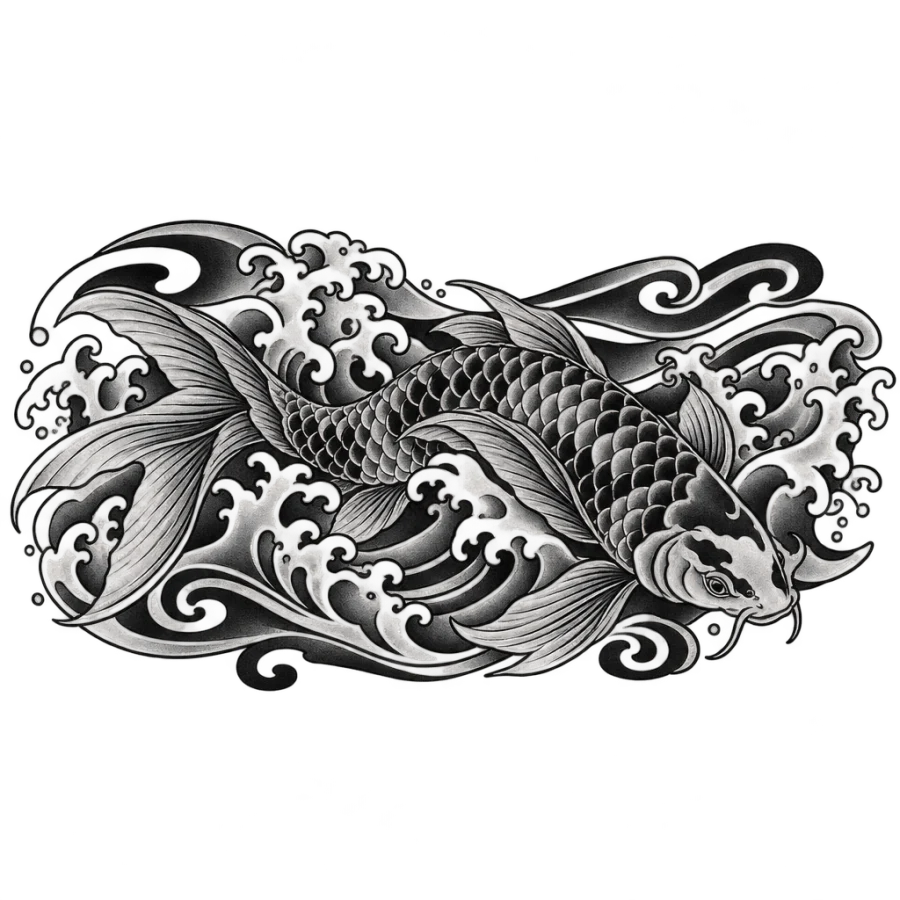
A koi fish curving through crashing water in a wide band, Japanese style
Use this prompt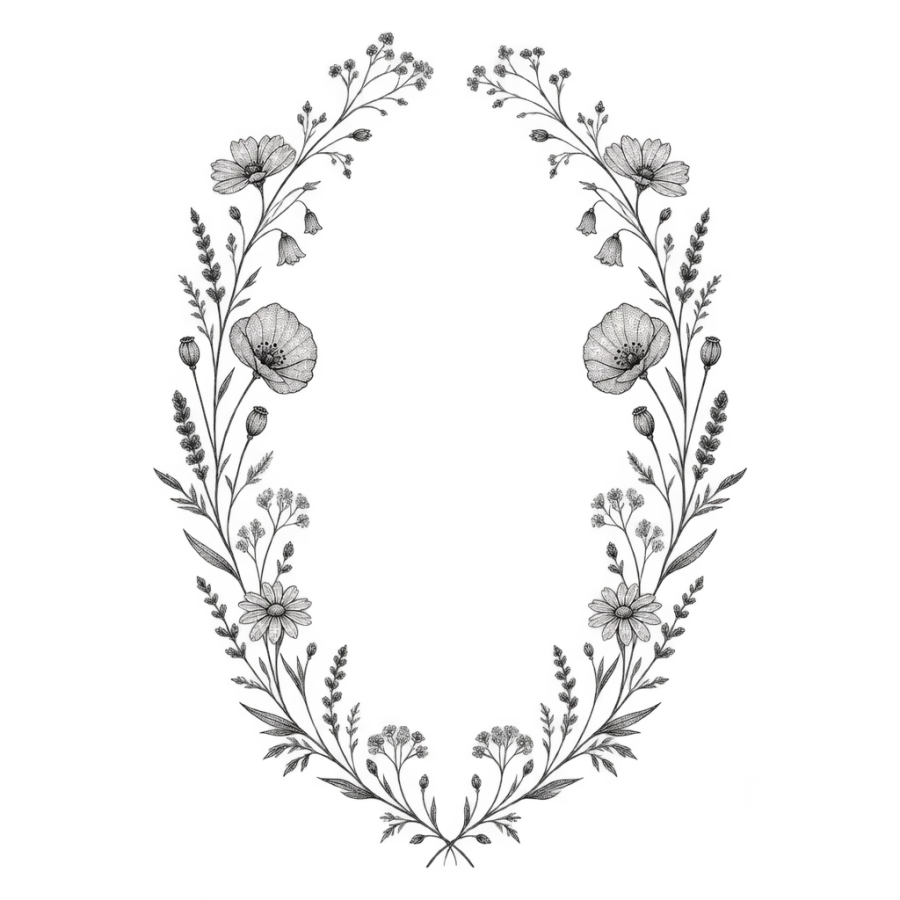
An arch of wildflower stems framing an empty oval, fine line and delicate
Use this prompt
A wide moth with solid black wings and pattern eyes left white
Use this prompt
An eagle with wings spread wide, old school traditional with flat color
Use this prompt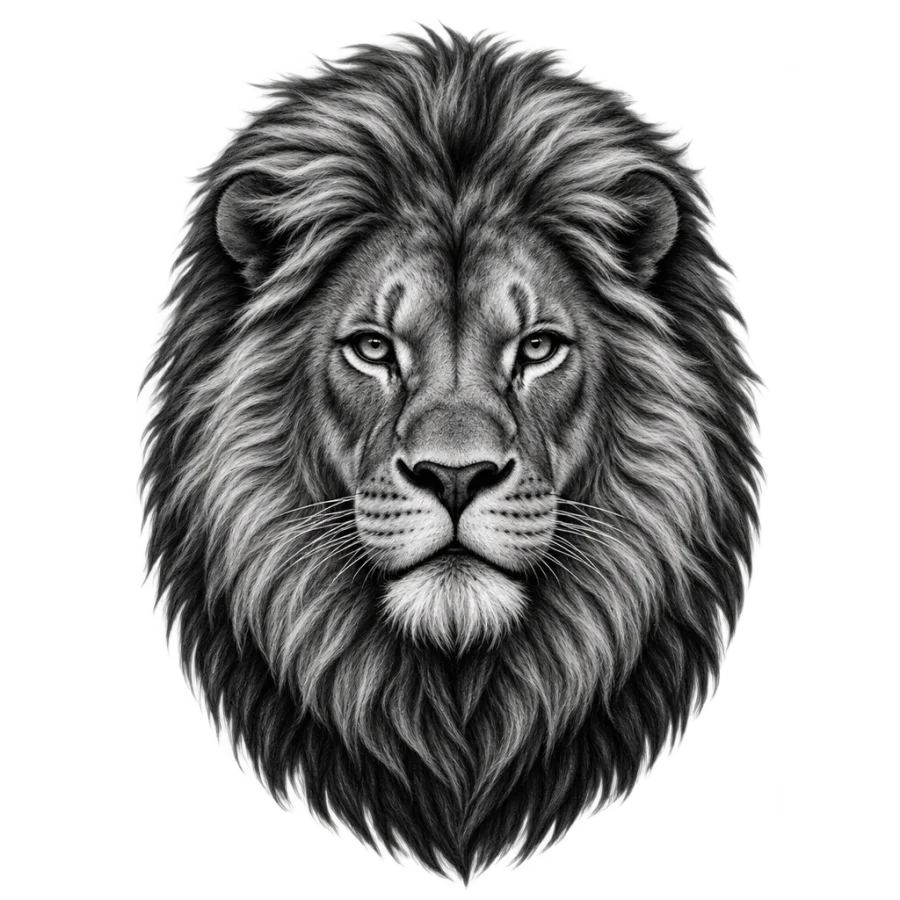
A lion head with a full mane facing forward, smooth black and grey
Use this prompt
A crescent moon with scattered stars and dust trails, all stippled dots
Use this prompt
A tall column of nested diamonds and arcs running down the middle
Use this prompt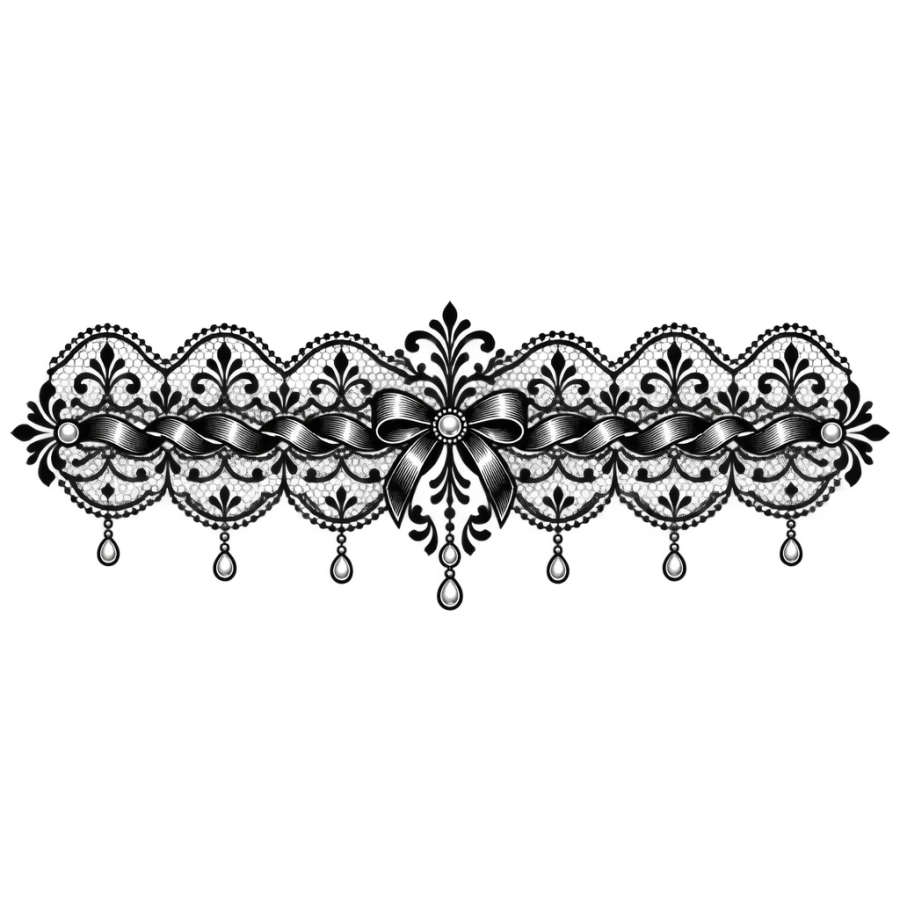
A wide lace sash band with scalloped edges and small pearl drops
Use this prompt
A sea horizon with one wave and a low sun, drawn in one line
Use this prompt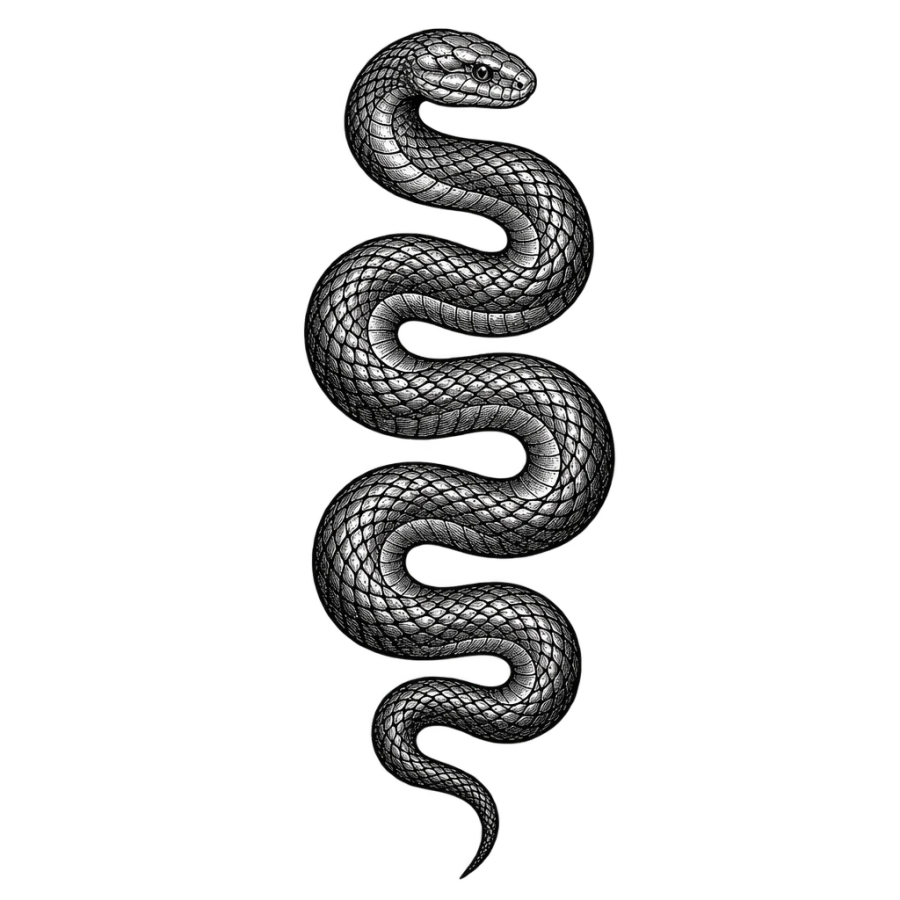
A snake coiling in a long S curve, engraved with dense hatching
Use this prompt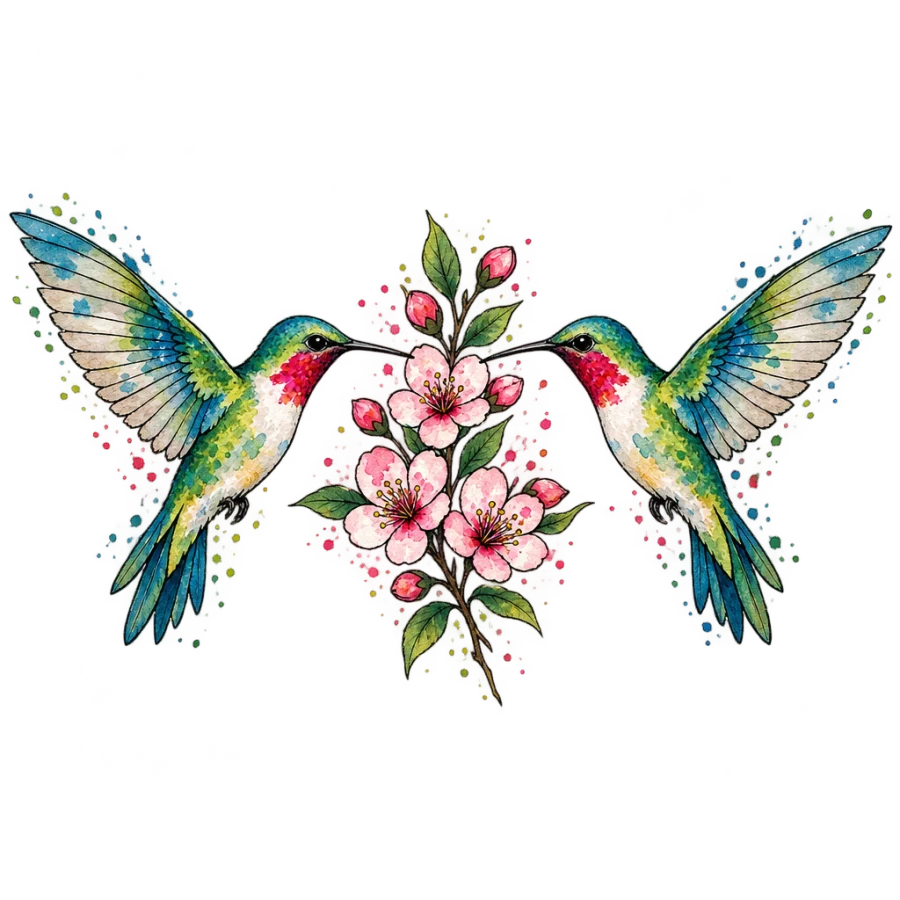
Two hummingbirds facing each other across a blossom sprig, watercolor washes
Use this prompt
A tall ship under sail between two cresting swells, woodcut hatching
Use this prompt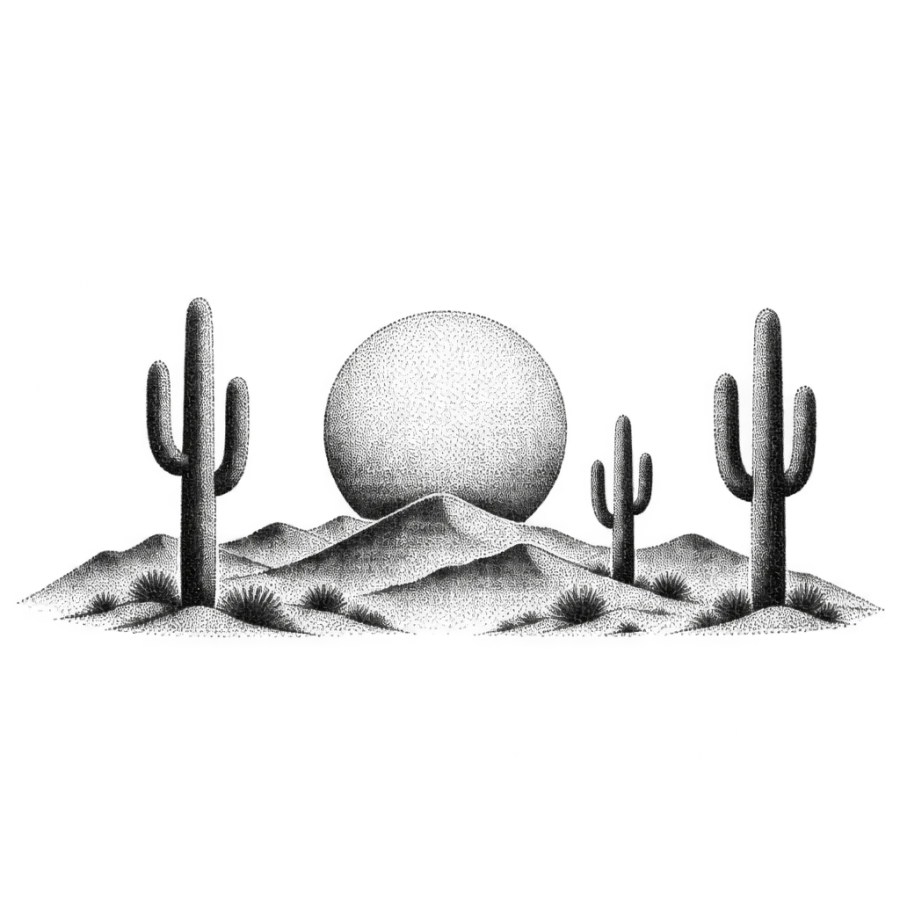
A desert ridge with a low sun and saguaro cacti, stippled dots only
Use this prompt
Solid black peonies in a wide band split by a white ribbon gap
Use this promptDescribe an idea of your own and get four designs back in about 20 seconds.
Open the generator
Questions people ask
How painful is a stomach tattoo?
The soft center is about 6 out of 10, more uncomfortable than sharp, since the artist has to stretch loose skin hard to work on it. The edges are worse: the hip bones, the lower ribs and the area above the pubic bone all reach 7 or 8 out of 10.
What happens to a stomach tattoo during pregnancy?
It stretches, and stretch marks running through the design separate the lines permanently. How much varies enormously between people and cannot be predicted. Work above the navel and out toward the ribs moves least. Many artists suggest waiting if you expect to be pregnant within a few years.
Do stomach tattoos look bad after weight loss?
They change. Losing a lot of weight loosens the skin, which softens the design and can leave it looking slightly deflated in the center. Open compositions handle this far better than dense pattern. A skilled artist can often rework the edges afterward, though the middle is harder to correct.
How much does a stomach tattoo cost?
Between $400 and $1,500 for most pieces. A small design near the navel costs $200 to $400. A panel covering the full stomach takes twelve to twenty hours across several sittings and runs $1,500 to $4,000, depending on the artist and how much color is involved.
How long does a stomach tattoo take to heal?
Two to three weeks on the surface, though it feels tender longer because the area folds every time you sit down. Keep waistbands off it, avoid sweating for a fortnight, and do not sleep on your front for the first few nights. Large pieces heal section by section between sittings.