Neck tattoo ideas and placement
A neck tattoo is one of the most visible and most painful placements, with the nape offering the only flat, coverable panel on it.
- Pain level7 to 8 / 10, thin skin
- Session time1 to 3 hours
- Typical size8 to 15 cm (3 to 6 in)
- Studio cost$200 to $800

The neck covers three quite different areas: the nape at the back, the sides running down from behind the ear, and the throat. They differ in pain, in how much space they give you and in how visible they are, so the first decision is which of the three you actually mean.
All three are tender. The skin is thin, the vertebrae sit right under the surface at the back, and the throat has almost nothing protecting it. Sessions are short by necessity, and larger neck designs are usually built across two or three visits rather than pushed through in one.
How much a neck tattoo hurts
Rate the nape at 7 out of 10 and the sides at 6 to 7. The bumps of the vertebrae at the base of the neck are bone directly under skin, and the sides sit over muscle with very little fat. The throat is the hardest of all, commonly rated 8 to 9, and few people can sit it for long.
There is also the noise. The machine works a few centimeters from your ears at this placement, and the vibration through the skull bothers some people more than the pain does. Most neck sessions run 1 to 3 hours. Anything longer is usually split, because holding your head still gets uncomfortable fast.
Neck pain by zone
- Side of the neck over muscle: 6 to 7 out of 10
- Nape, over the vertebrae: 7 out of 10
- Base of the neck into the shoulders: 6 out of 10
- Throat: 8 to 9 out of 10
Sizing the nape, the sides and the throat
The nape is the only part of the neck that behaves like a flat panel. It gives you roughly 8 to 12 cm (3 to 5 in) square, enough for a symmetrical ornamental piece, a small animal or a short line of lettering. It is also the easiest part of the neck to cover with hair.
The sides are curved and narrow, around 6 to 10 cm (2.5 to 4 in) of workable width, and they suit vertical designs running down toward the collarbone. Whatever you choose, symmetry matters here more than almost anywhere. An off center neck design is very noticeable, because people look at your face and neck together.
Healing under collars and hair
Collars are the main problem. A shirt collar sits exactly on the base of the neck and rubs a healing tattoo all day. Wear loose round necked tops for two weeks. If you have long hair, keep it tied back and off the area, because hair carries product and bacteria onto an open wound.
The hairline at the nape is usually shaved, and the regrowth itches while the skin is healing. Sweat is the other issue, so skip hard workouts for ten days. Long term, a nape piece is shielded from sun by hair and collars and ages slowly. Side neck tattoos see more sun and fade a little faster.
Styles that suit the neck and visibility
Ornamental and symmetrical work suits the neck best, especially the nape, where a centered design sits naturally along the spine line. Small bold blackwork, dotwork mandalas and simple lettering all work well. Detailed realism is a poor fit at this size, and the area is too small and too curved for a busy scene.
Be clear eyed about visibility. A side neck or throat tattoo shows in every situation, including a shirt and tie. A nape piece is hidden by collars and by hair worn down, which is why it is the usual starting point for anyone who needs to keep the option of covering up.
15 neck tattoo designs, with the prompt behind each one
Every design below came out of AI Tattoo Lab. Tap one to load its prompt into the generator, then change a word and make it yours.
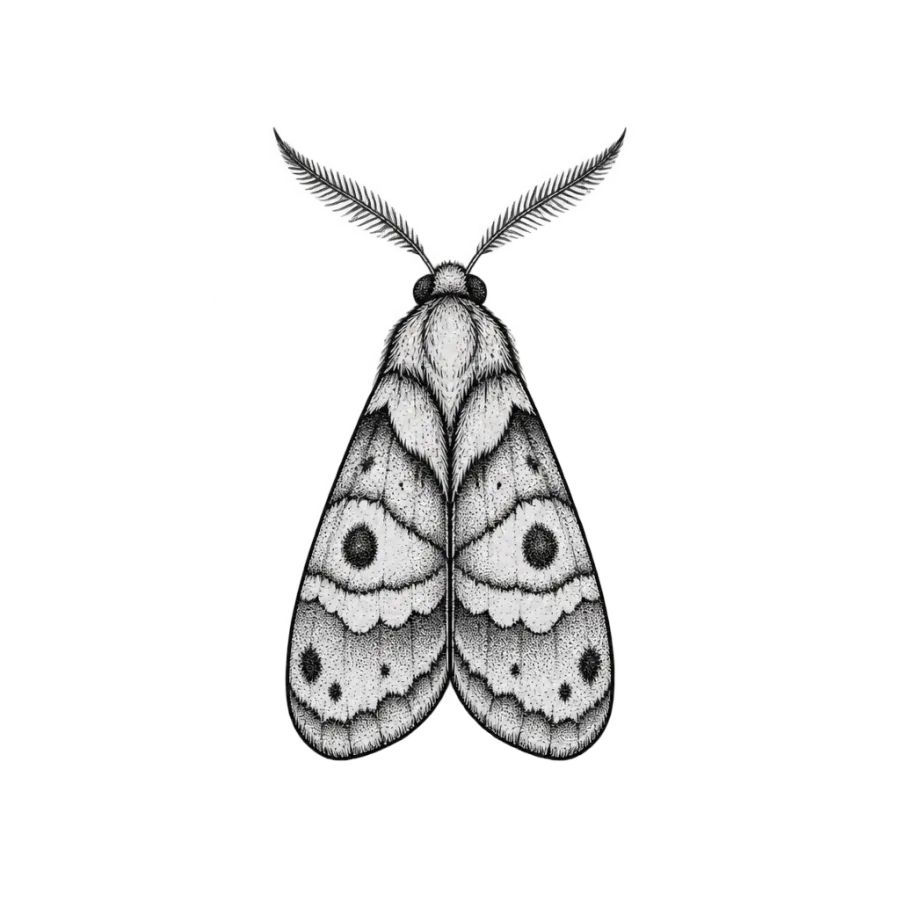
A small moth with folded patterned wings below the hairline, fine line, no shading
Use this prompt
A small crescent moon with short straight rays for the side of the neck, blackwork
Use this prompt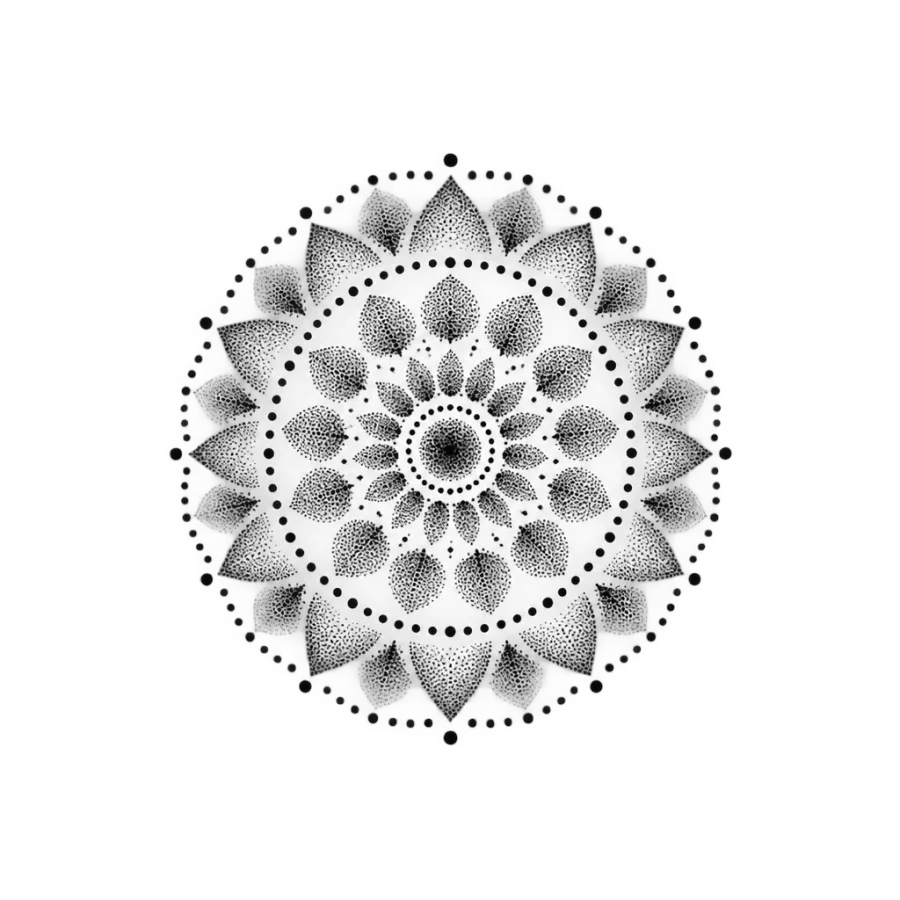
A small round mandala of concentric petal and dot rings for the nape, dotwork
Use this prompt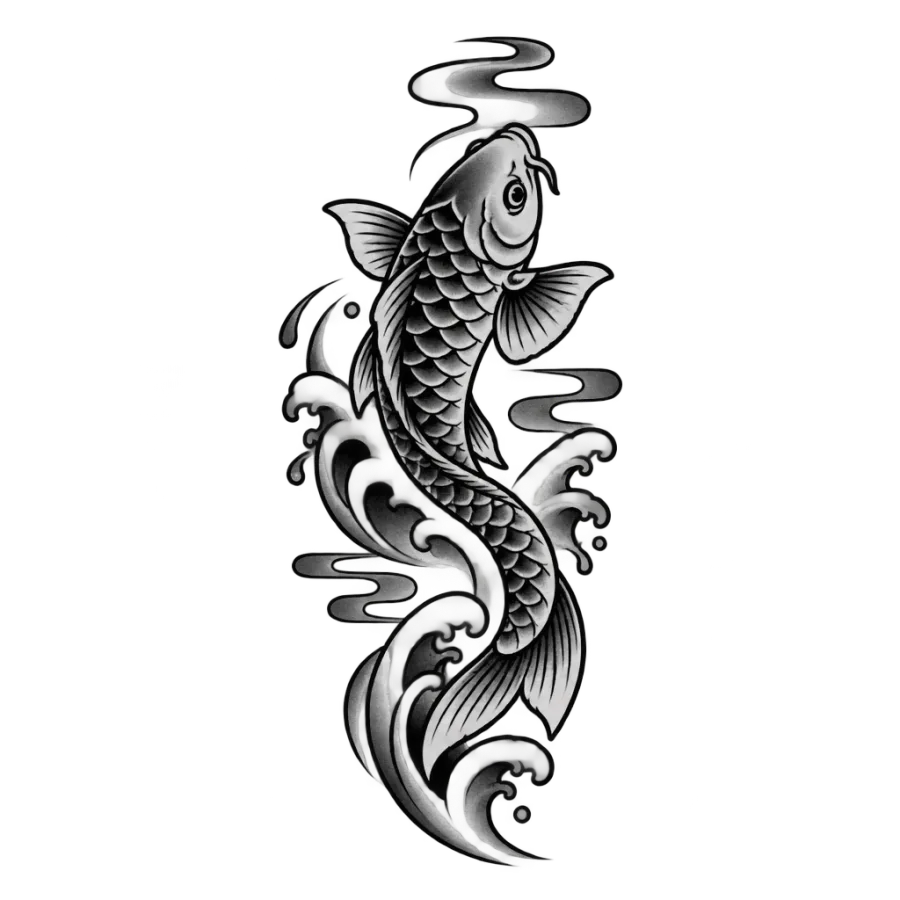
A small koi fish curving upward with a few water lines, for the neck
Use this prompt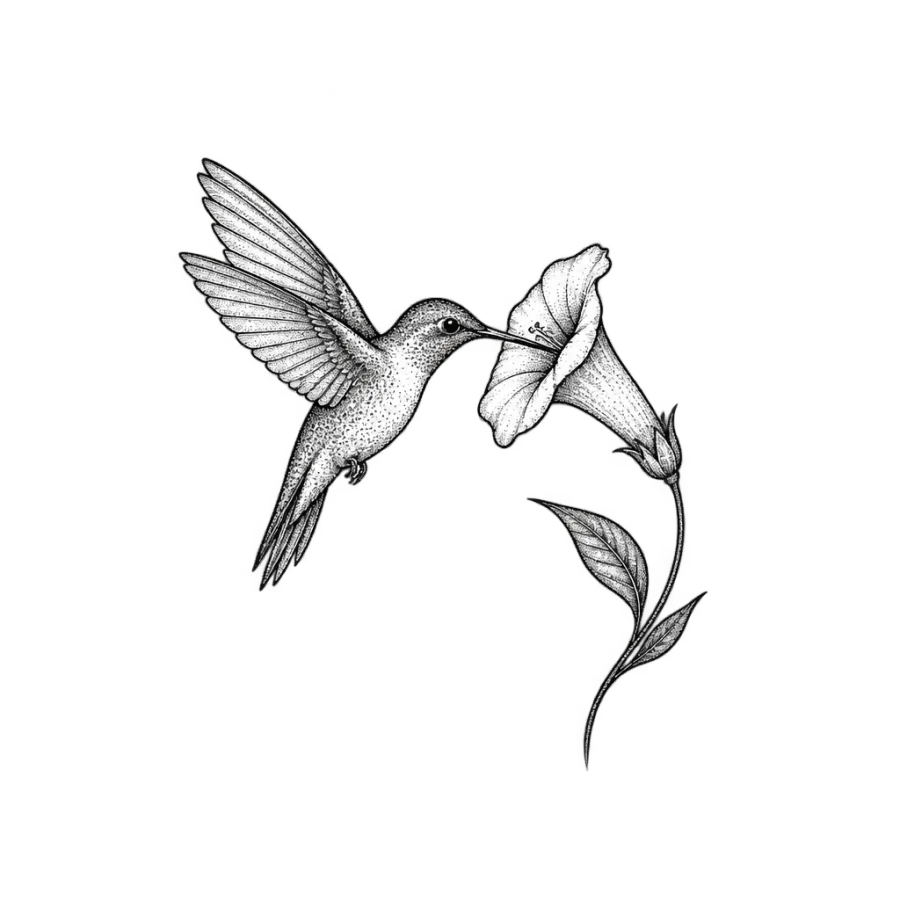
A small hummingbird hovering at a trumpet flower, compact for the nape
Use this prompt
A small solid black raven perched with folded wings, for the side of the neck
Use this prompt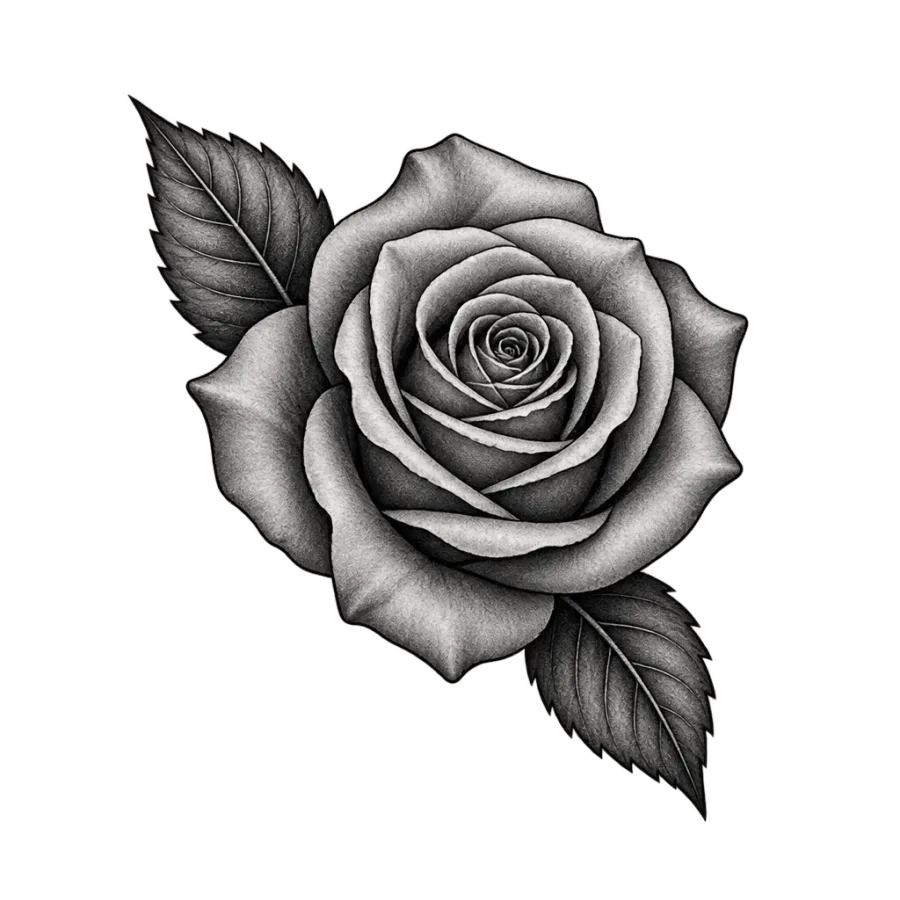
A single rose in full bloom with two leaves, softly shaded, for the neck
Use this prompt
A scarab beetle built from clean geometric facets, compact for the nape
Use this prompt
A lace arch with a teardrop gem hanging below it, sized for the nape
Use this prompt
A small bat with spread wings, wide and compact across the nape
Use this prompt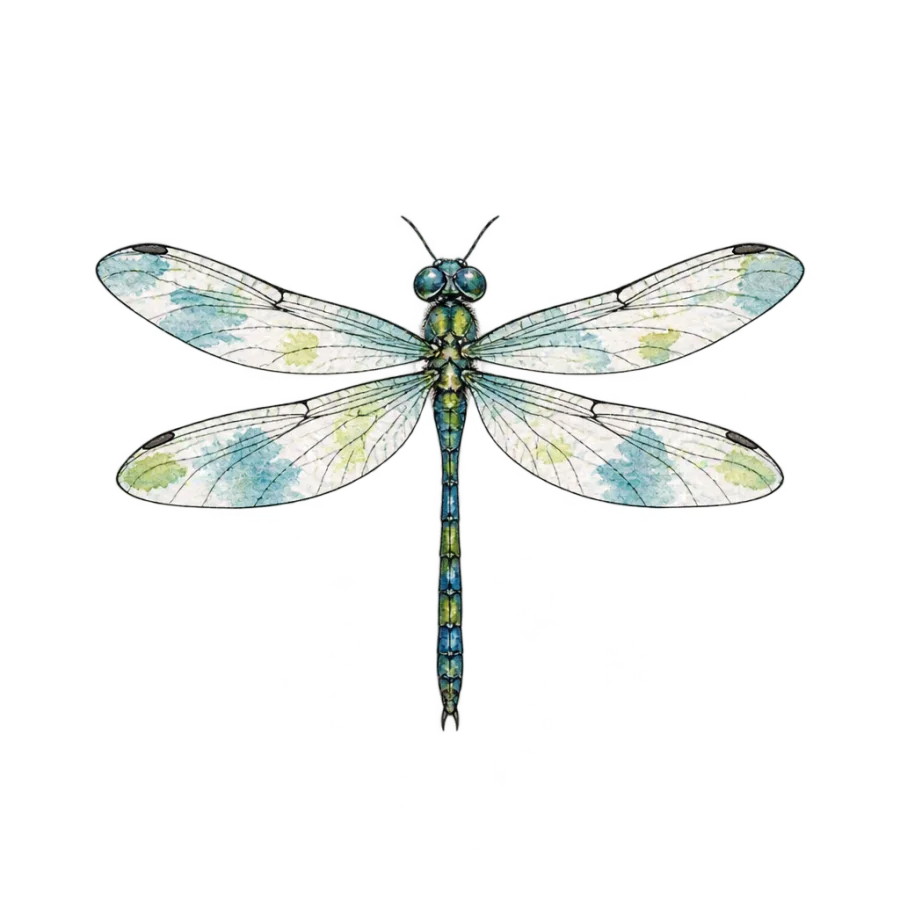
A small dragonfly with long wings, slim and compact for the side of the neck
Use this prompt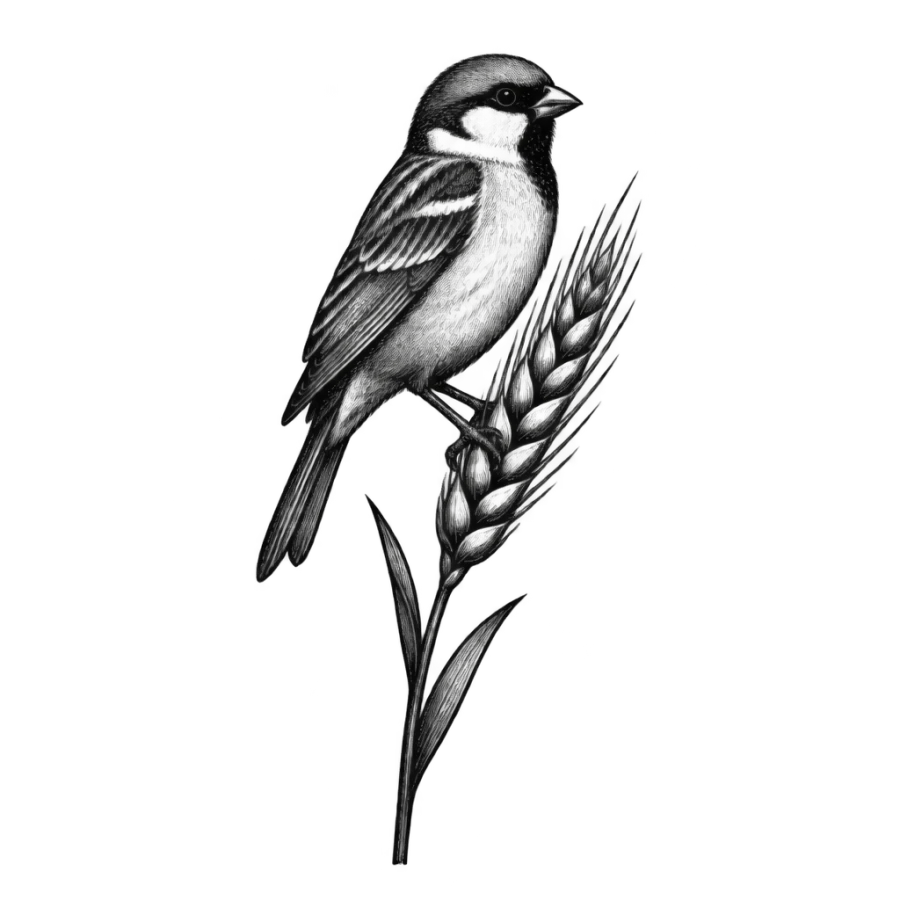
A sparrow perched on a wheat stalk, engraving style, small neck piece
Use this prompt
A crescent moon and three stars cut out of a black arch, nape piece
Use this prompt
A lily of the valley stem in one unbroken line, slim neck piece
Use this promptDescribe an idea of your own and get four designs back in about 20 seconds.
Open the generator
Questions people ask
How painful is a neck tattoo?
The nape is about 7 out of 10 and the sides 6 to 7, because the skin is thin and the vertebrae sit just below the surface. The throat is 8 to 9 and very few people sit it comfortably. The machine noise so close to your ears adds to it.
How much does a neck tattoo cost?
Most neck pieces run $200 to $800. A small nape design takes an hour or two and costs $200 to $400. A detailed ornamental piece covering the nape and upper spine takes 4 to 6 hours and lands at $600 to $1,200, often split across two sessions.
Can you hide a neck tattoo?
A nape tattoo, yes: a collar covers the bottom of it and hair worn down covers the rest. A side neck tattoo is visible with almost any clothing and any hairstyle, and a throat tattoo cannot be hidden at all. Choose the nape if covering it matters to you.
Nape or side of the neck?
The nape gives a flat, symmetrical panel of about 8 to 12 cm, hurts slightly less than the throat and can be covered. The side is curved, narrower and permanently visible, but it suits long vertical designs that run toward the collarbone. Most first neck tattoos go on the nape.
How long does a neck tattoo take to heal?
Two to three weeks on the surface. In practice it feels longer because collars rub it and shaved hairline regrowth itches. Wear loose necklines, keep long hair tied away from the area, avoid heavy sweating for ten days, and do not pick at the flaking skin.