Sleeve tattoos for women: planning a whole arm
A sleeve on a slimmer arm has less surface to work with than most reference photos assume, so the plan has to start with your own measurements.
- Total hours20 to 40 for a full arm
- Sessions5 to 10 over a year
- Pain level3 outer, 8 elbow ditch
- Studio cost$2,000 to $8,000
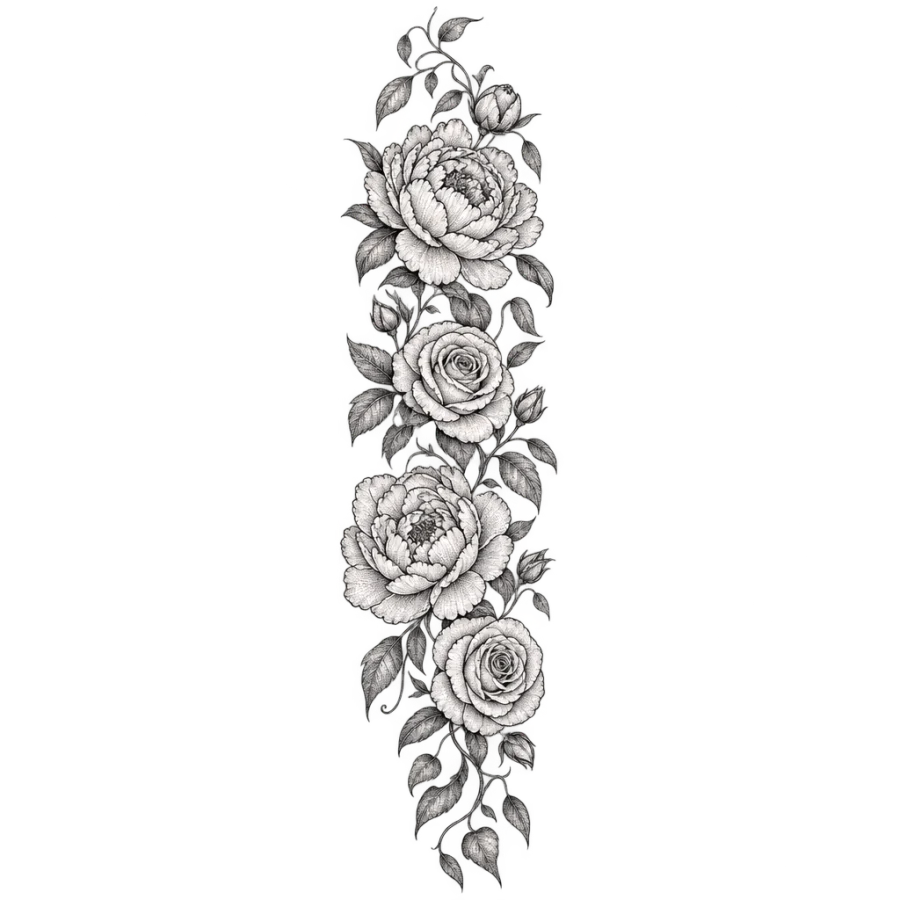
Measure the arm you want covered. Many women have an upper arm circumference of 25 to 30 cm and a forearm of 22 to 26 cm, against 33 to 38 cm and 27 to 30 cm on a larger frame. That difference removes a real amount of surface area, and a design copied from a bigger arm arrives with too many elements for the space.
The practical effect is fewer, larger subjects. One strong central image per section with linking work between them reads clearly at this scale. Four or five competing subjects crammed into the same space turn into texture from two meters away, which is the distance most people will actually see your arm from.
How much fits on a smaller arm
An arm is a cylinder, and you only ever see about a third of it at once. On a 27 cm upper arm that is roughly 9 cm of visible width from any one angle. Anything beyond that is around the curve. Artists plan sleeves so that each section has a clear front facing view, with the linking elements doing the work around the sides.
Negative space is a planning decision, not a gap. Leaving skin showing between sections stops a sleeve from reading as one dark mass, and on a slimmer arm a fully packed black sleeve can look heavier than the same work on a larger arm. Decide the balance early, because adding space later means removing work you have already paid for.
Decisions to make before the first session
- Where the sleeve stops: shoulder, elbow, mid forearm or wrist
- Whether the inner arm is included or left clear
- How much skin stays open between sections
- Whether the design has one subject or several linked ones
Pain, section by section
The outer upper arm and outer forearm are 3 to 4 out of 10 and easy to sit for four hours. The inner upper arm is 6 to 7. The elbow ditch, the crease on the inside of the joint, is 8 or higher and is where most people call an early finish. The bony point of the elbow itself is a different, duller misery around 7.
Good scheduling helps more than any numbing cream. Ask your artist to put the inner arm and the elbow ditch at the start of a session, and to keep the sittings to four or five hours. Sleeves fail on consistency more than on any single hard day, and a client who cannot face booking the next appointment leaves an arm half finished.
Time, money and living with it in between
A full sleeve is 20 to 40 hours of tattooing for most designs, spread over five to ten sessions and usually a year or more with healing time between. At typical rates that is $2,000 to $8,000, and a sought after artist can be well past that. Most take a deposit and book the whole run at the start.
You will spend months with an arm that is partly finished, partly healing and occasionally scabbing. Bag straps have to come off the shoulder after each upper arm session, the gym waits two weeks each time, and summer sun is off limits on anything fresh. Booking sessions for autumn and winter makes the whole project easier.
Where to stop, and what it means at work
A sleeve that stops above the elbow disappears under a short sleeved shirt. One that stops mid forearm shows below any three quarter sleeve, which many women's work shirts have. One that reaches the wrist is visible in anything but a full length cuff, and a hand is another decision entirely.
Think about summer rather than winter, since that is when the question gets answered. Plenty of people plan a sleeve in two stages for this reason: upper arm first, then a decision about the forearm once they know how their workplace and their own feelings settle. That order also lets you find out how you handle long sessions before committing to the whole arm.
15 sleeve tattoo designs for women, with the prompt behind each one
Every design below came out of AI Tattoo Lab. Tap one to load its prompt into the generator, then change a word and make it yours.
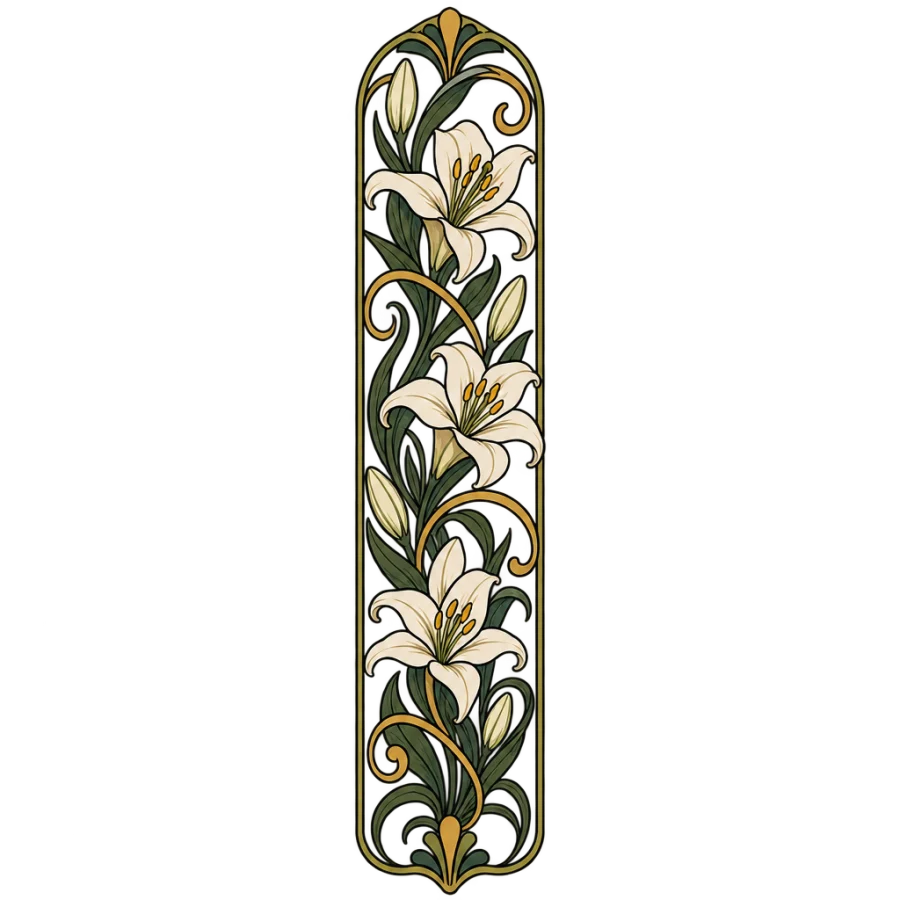
An art nouveau lily panel with flowing curves, arm sleeve column
Use this prompt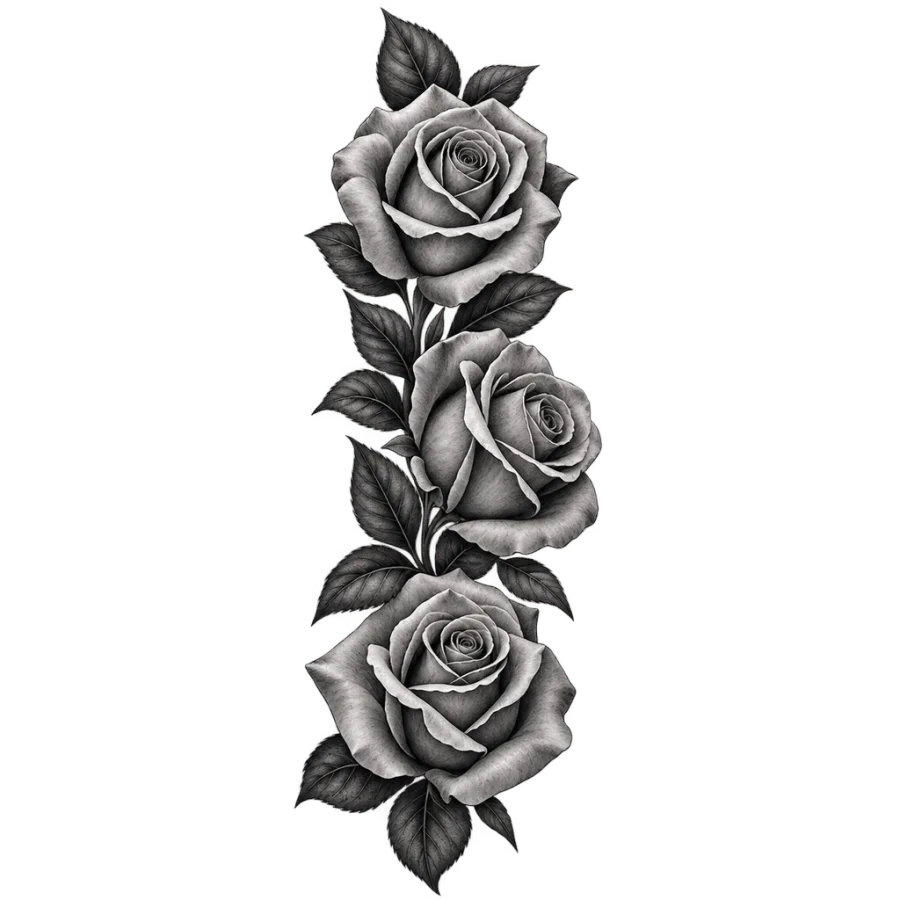
Three open roses at different angles with soft grey shading, sleeve
Use this prompt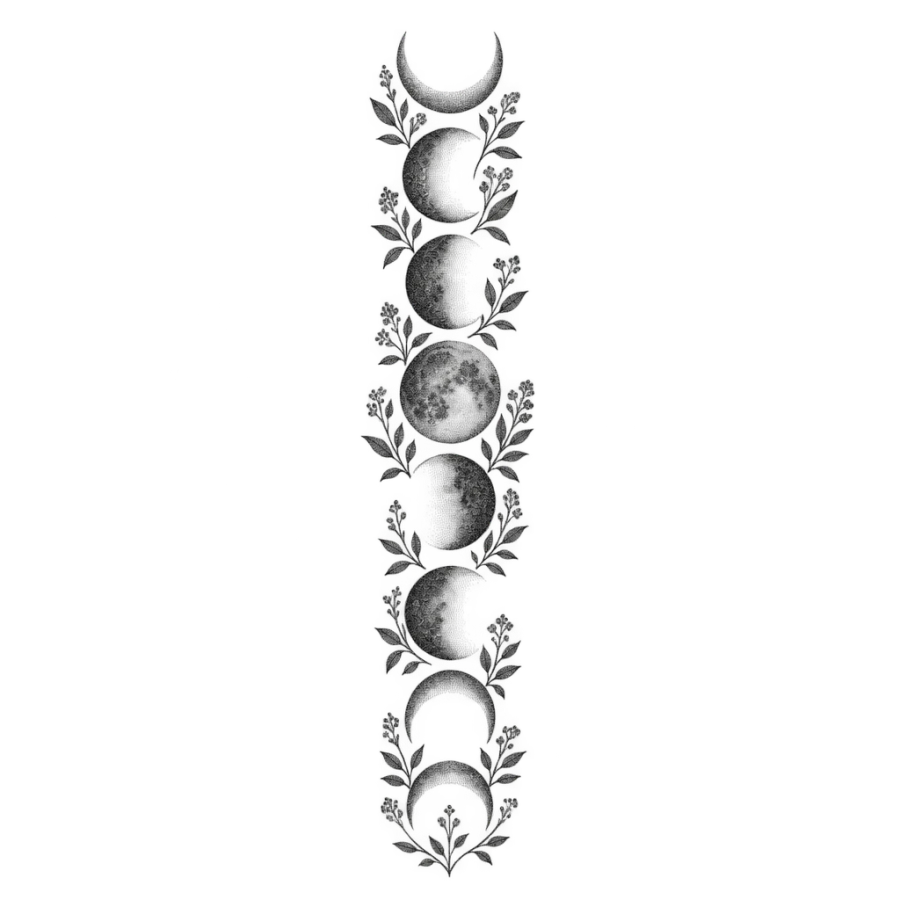
Moon phases climbing the arm with small botanical sprigs, all stippled
Use this prompt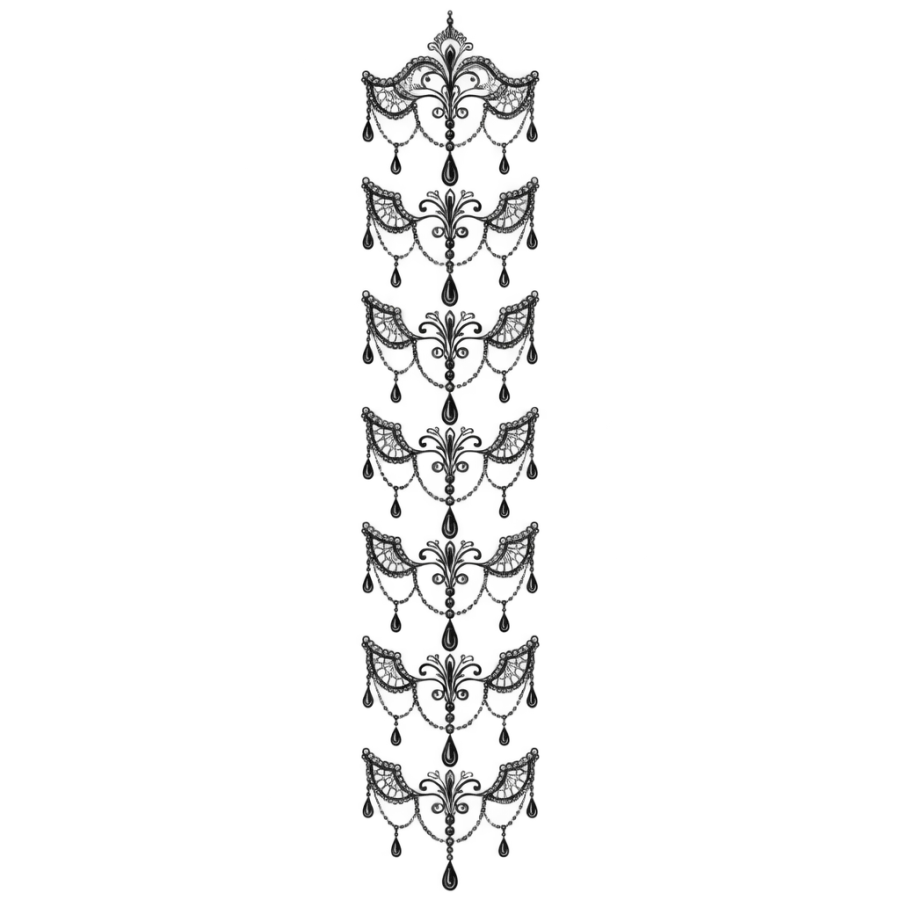
A repeating lace band with pearls and teardrops, delicate arm sleeve
Use this prompt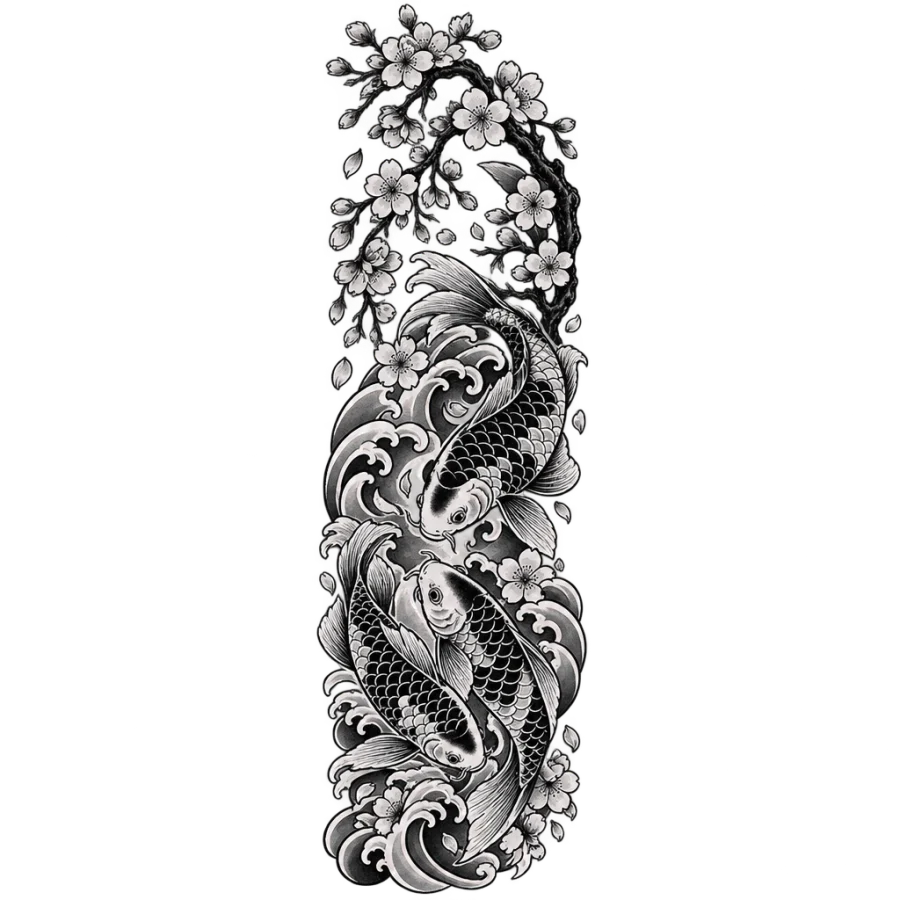
A cherry blossom branch over two koi and water swirls, sleeve column
Use this prompt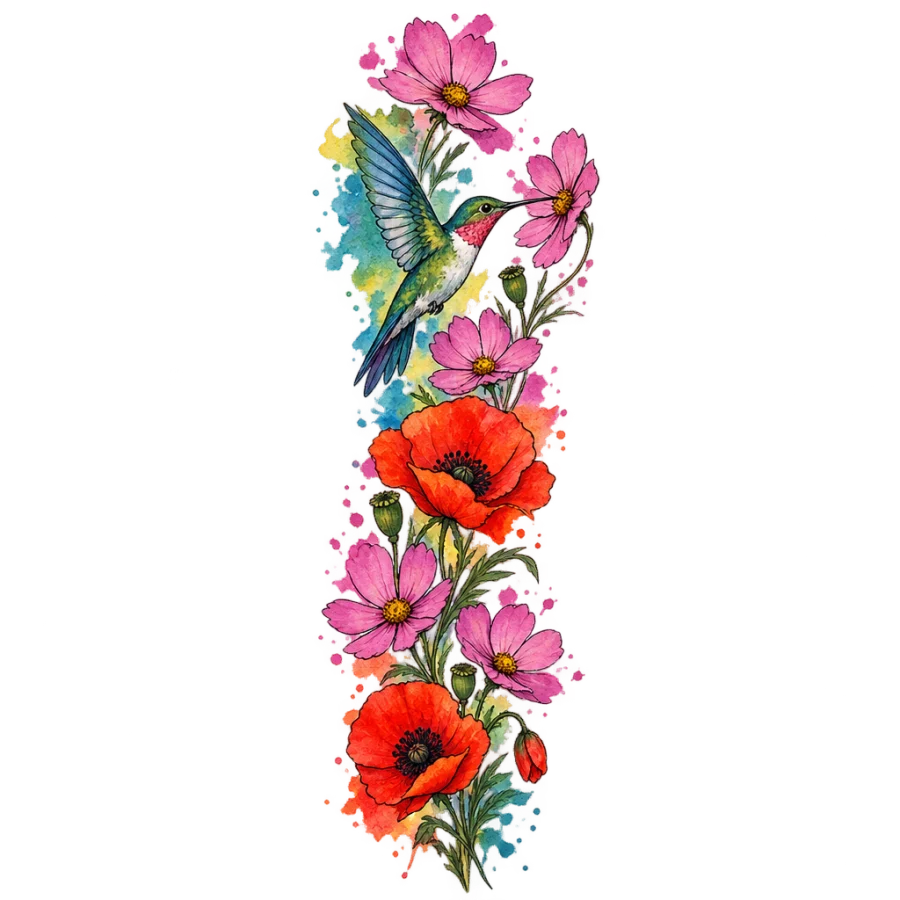
A hummingbird among cosmos and poppies with loose watercolor washes
Use this prompt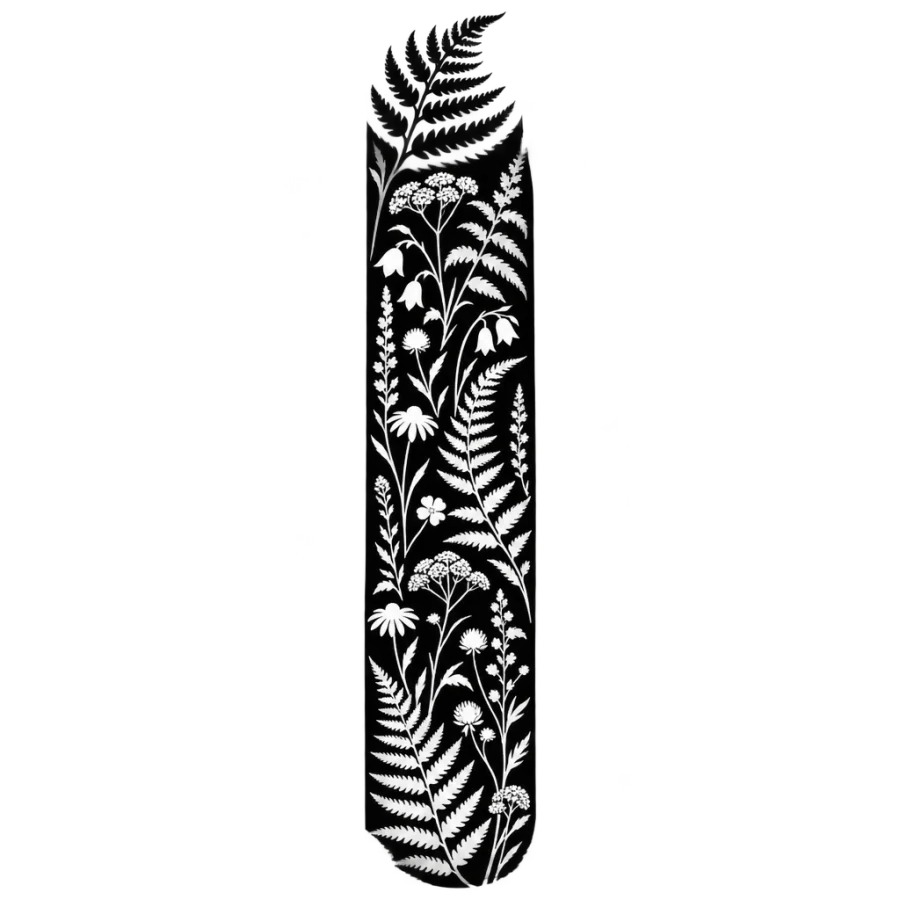
A solid black arm panel with ferns and wildflowers left unfilled
Use this prompt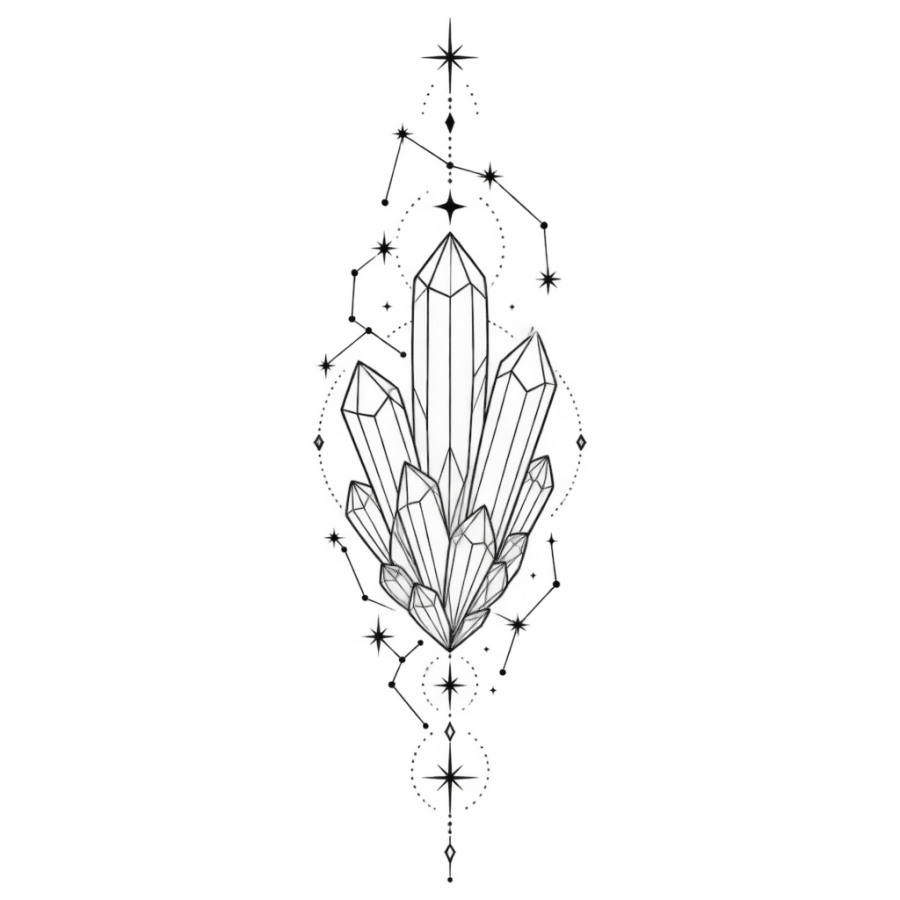
Faceted quartz crystals with thin constellation lines and stars, sleeve column
Use this prompt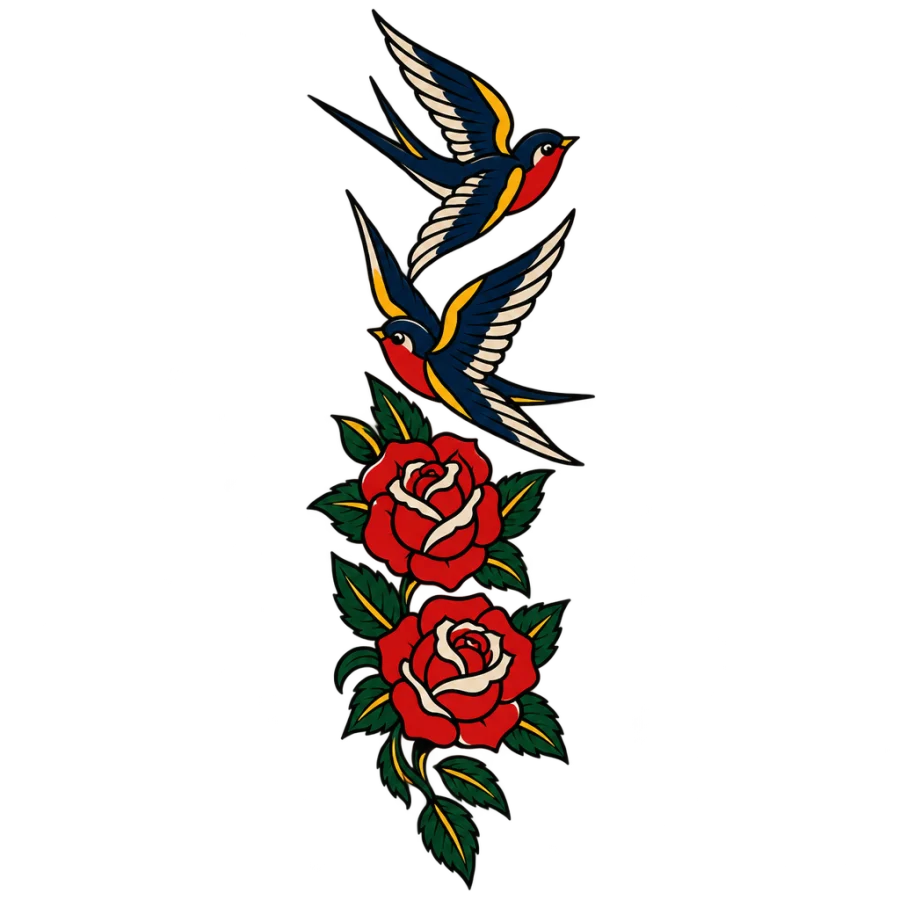
Two swallows flying over open roses, bold traditional color, arm sleeve
Use this prompt
A moth, a butterfly and a dragonfly stacked like an antique plate
Use this prompt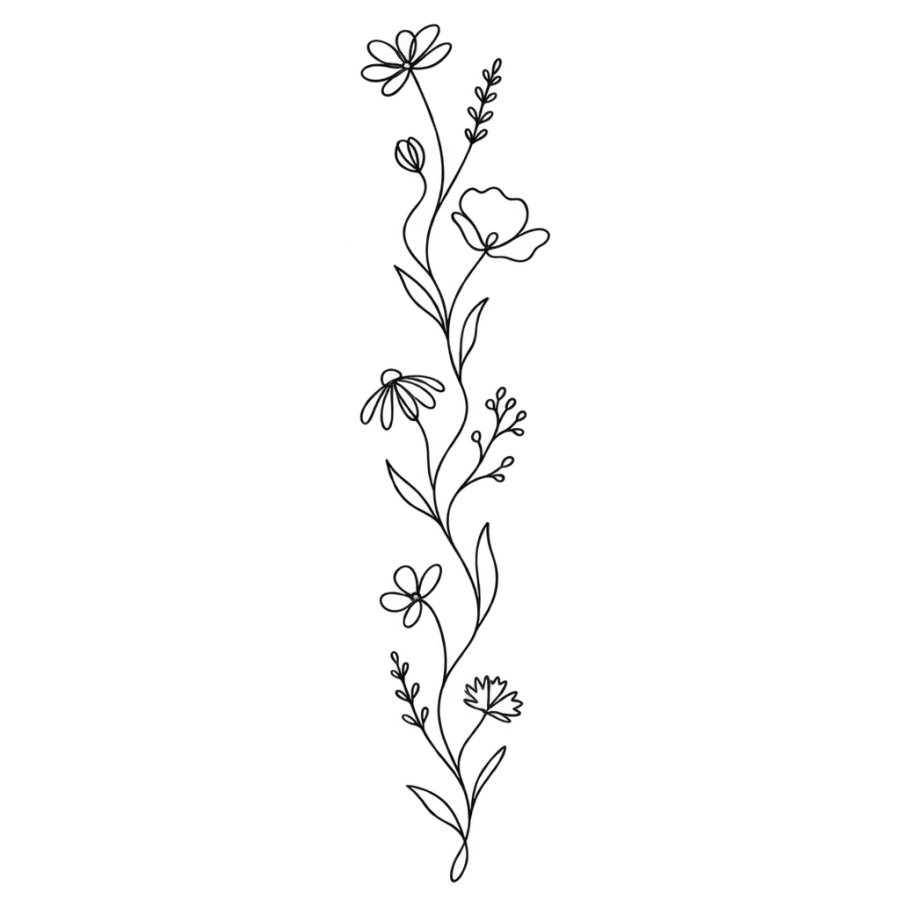
Wildflower stems drawn in one continuous line up the arm
Use this prompt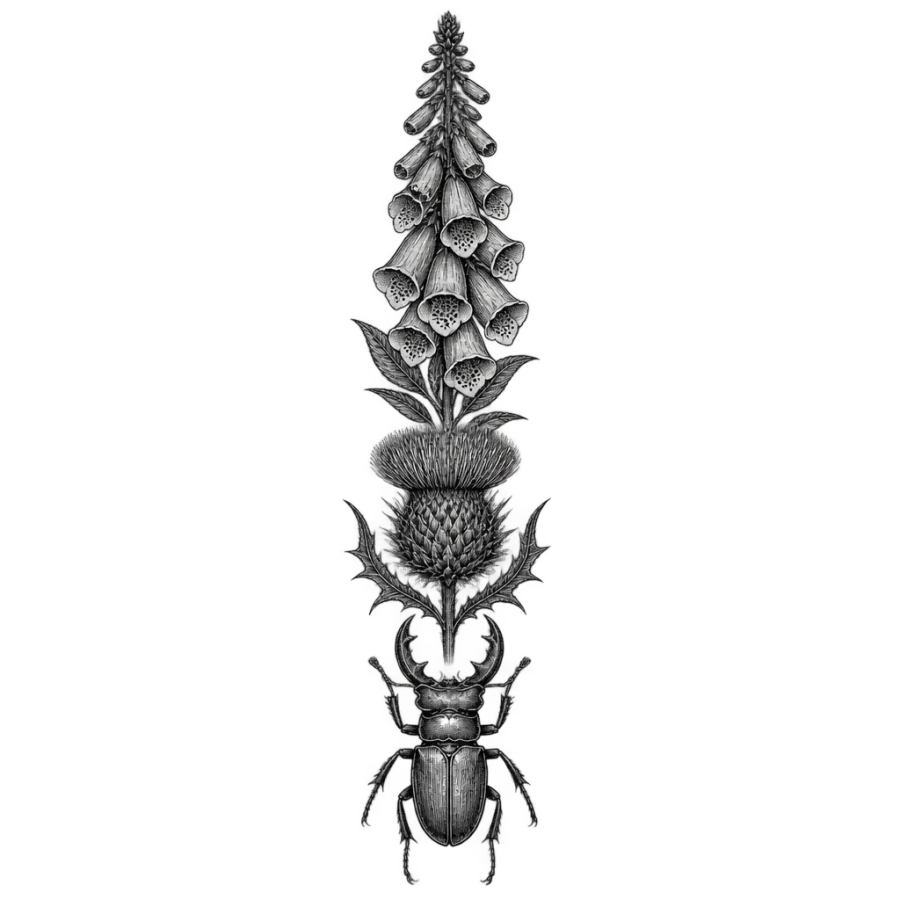
Botanical plate column of foxglove, thistle and a beetle, engraved hatching
Use this prompt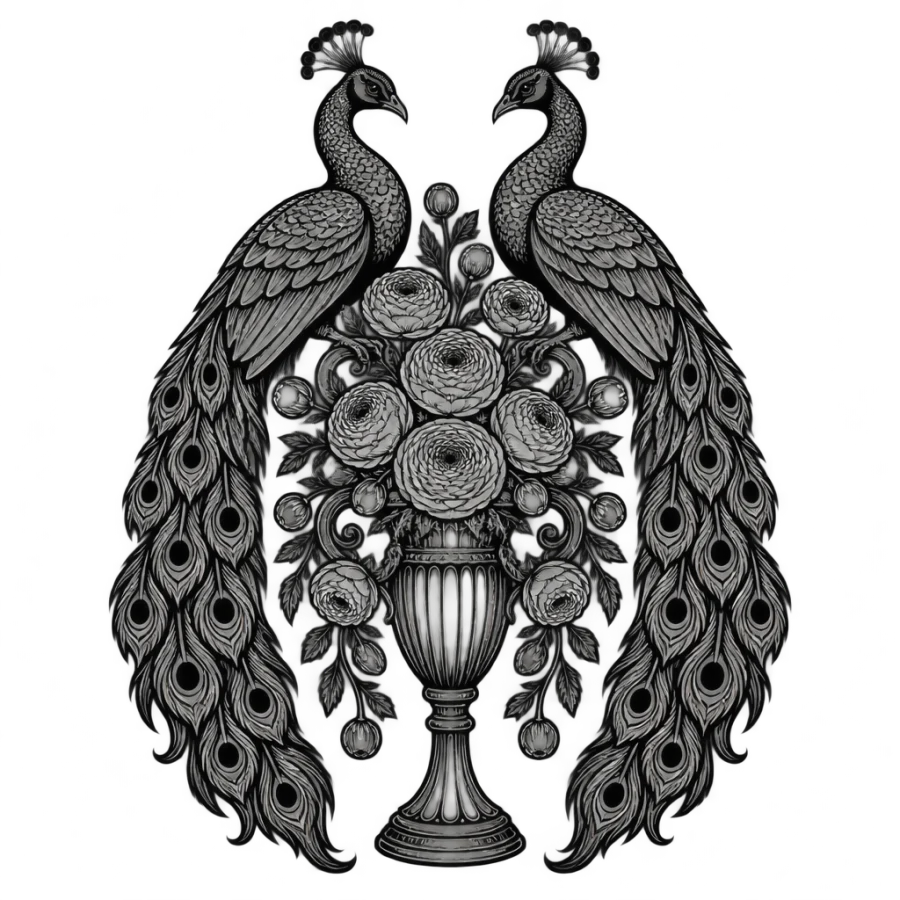
Two mirrored peacocks facing an urn of ranunculus, symmetrical sleeve panel
Use this prompt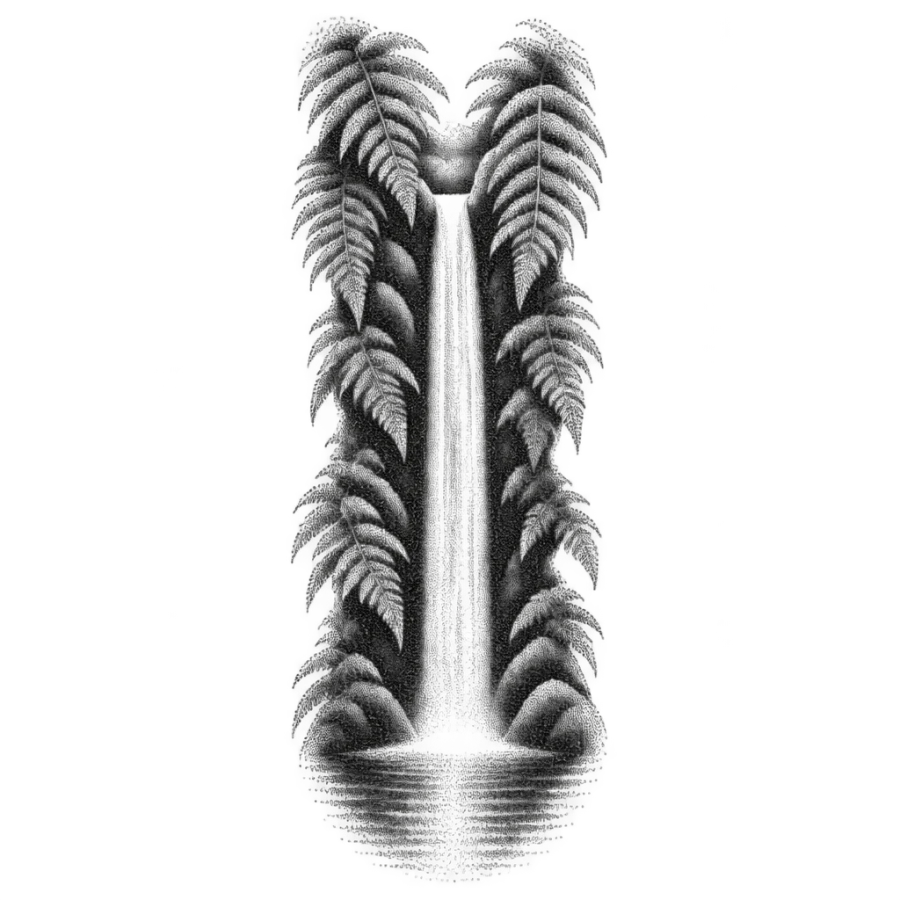
Narrow waterfall between fern fronds, stippled dots only, soft and grainy
Use this promptDescribe an idea of your own and get four designs back in about 20 seconds.
Open the generator
Questions people ask
How much does a sleeve tattoo cost?
A full sleeve is usually 20 to 40 hours of work across five to ten sessions, which lands between $2,000 and $8,000 at typical rates. A sought after artist can be well past that. A half sleeve is roughly half the hours. Most studios take a deposit and book the run at the start.
How long does a sleeve take to finish?
A year or more for most people. Sessions run four to five hours, and each one needs two to four weeks of healing before the next. Trying to rush it produces worse healing and a harder time sitting, and most artists will not book sessions closer together than that.
Does less arm mean less design?
It means fewer and larger elements. On a 27 cm upper arm you see about 9 cm of width from any one angle, so four or five competing subjects become texture from two meters away. One strong subject per section with linking work between them reads far better at that scale.
Which part of a sleeve hurts most?
The elbow ditch, the crease on the inside of the joint, at 8 or above. The inner upper arm is 6 to 7 and the bony elbow point around 7. The outer arm and forearm are only 3 to 4. Ask your artist to tattoo the hard sections at the start of a session.
Where should a sleeve stop for work?
Above the elbow keeps it under a short sleeved shirt. Mid forearm shows below the three quarter sleeves many work shirts have. Reaching the wrist means it is visible in anything but a full cuff. Many people do the upper arm first, then decide about the forearm later.