March birth flower tattoo ideas and meaning
March is the daffodil and the jonquil, which are close relatives, and the trumpet in the middle is the part that decides whether your tattoo reads at all.
- Wild daffodil is Narcissus pseudonarcissus. Jonquil is Narcissus jonquilla.
- A daffodil has six tepals plus a central trumpet, the corona, on one hollow stem.
- Jonquils carry two to six flowers per stem with a short cup, not a long trumpet.
- Daffodil leaves are flat grey green straps. Jonquil leaves are round and rush like.
- All Narcissus parts are toxic, which is why deer and squirrels leave them alone.
- Sources differ on whether jonquil is a separate March flower or a type of daffodil.
- The two flowersDaffodil and jonquil
- Smallest that works5 cm at three quarters
- Usual placementsForearm, thigh, shoulder
- Studio cost$130 to $450
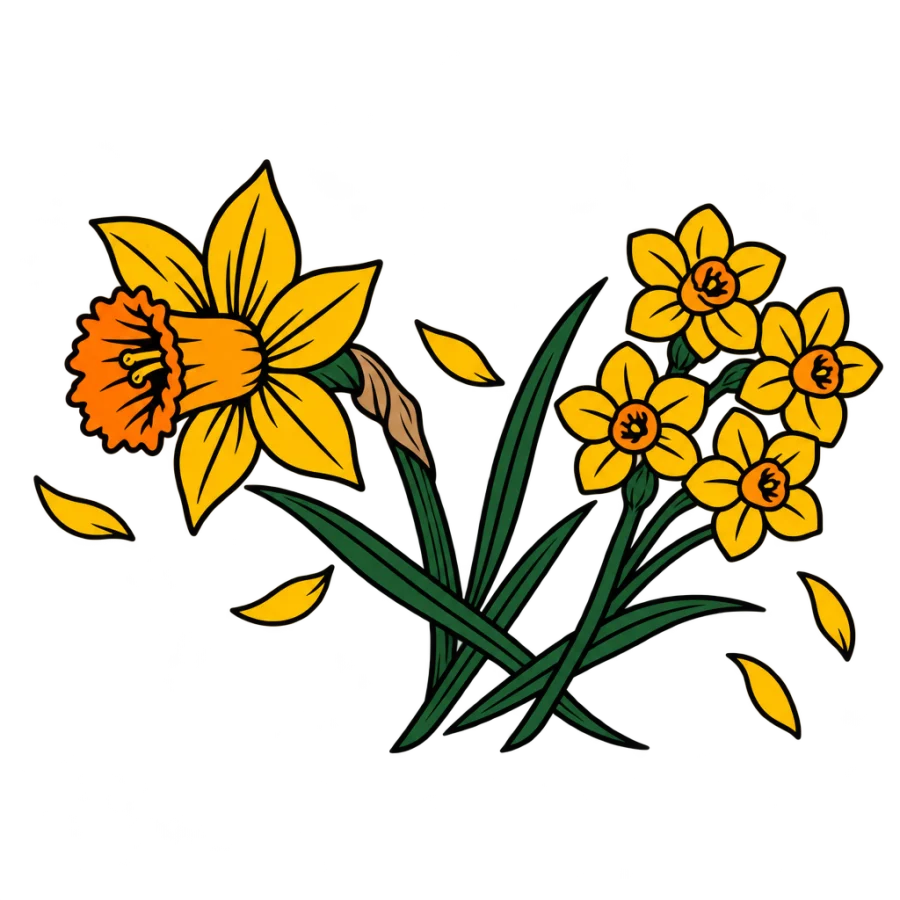
The daffodil is one of the few flowers almost everyone can name from a silhouette, and that is entirely down to the trumpet. Six flat tepals behind, one tube in front. Get that relationship right and the tattoo reads from two meters away. Draw it flat on from the front and the trumpet collapses into a circle, which is the single most common mistake on March designs.
The jonquil is the same genus and a different habit. Instead of one big flower per stem it carries two to six smaller ones in a cluster, with a shallow cup rather than a long trumpet, and its leaves are round in cross section like rushes rather than flat straps. Many sources use the two names interchangeably. If accuracy matters to you, say which one you mean at the consultation.
Daffodil and jonquil, described properly
A daffodil flower has two parts. Behind is a flat six pointed star made of three petals and three sepals that look identical, together called tepals. In front is the corona, a fluted tube that in the wild daffodil is as long as the tepals and flares at the rim. One flower sits at the top of a hollow, flattened stem, held at an angle rather than upright, with a papery brown sheath at the base of the flower.
A jonquil is smaller in every dimension. Two to six flowers cluster at the top of one stem, each with the same six tepals but a shallow cup only a third the length. The color is a deeper yellow and the scent is strong enough to fill a room. The leaves are the clearest difference: dark green, narrow, and round in cross section, closer to chives than to the daffodil's flat blade.
How to tell an artist which one you want
- One large flower per stem, long trumpet: that is a daffodil
- Several small flowers per stem, shallow cup: that is a jonquil
- Flat strap leaves means daffodil, rounded rush leaves means jonquil
- White tepals with a yellow or orange cup is a common garden daffodil, still correct for March
- Paperwhite clusters are a different Narcissus and belong to December lists
Getting the trumpet to read at tattoo scale
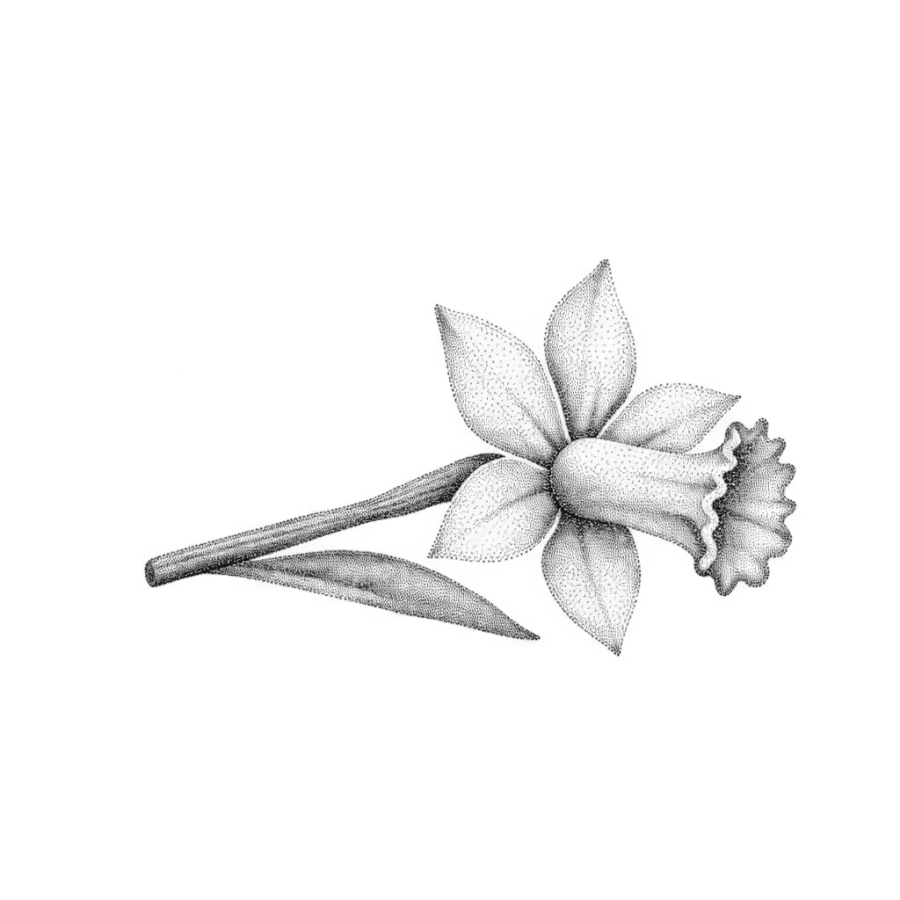
Draw the flower at a three quarter angle. From that view the trumpet shows as an ellipse with a visible rim and a shadow inside, and the tepals fan out behind it, which is the shape people recognize instantly. A straight on view flattens the trumpet into a ring inside a star and loses the depth. A pure side view is elegant on a spine or an ankle but reads as an abstract cone unless the rim is drawn with a wavy edge.
A daffodil holds up better small than most spring flowers because it is built from large simple shapes. Five centimeters across the head works with a light shade inside the trumpet. Below 4 cm, drop the interior shading and keep the rim line, otherwise the trumpet fills in as a dark hole. A jonquil cluster needs more room, 8 cm or more, because three or four small cups in a bunch crowd each other quickly.
Styles the daffodil suits
Fine line botanical is the most requested and it works, especially with the flower drawn once at three quarters and a second bud on the same stem to fill the composition. American traditional daffodils exist and look good: heavy outline, two or three yellows, a black shadow inside the trumpet. The trumpet also gives black and grey work something to do, because the interior shadow is the only strong dark value in the whole flower.
Sizes and spots that work
- Single stem at three quarters, fine line, 8 to 12 cm, inner forearm
- Daffodil with a bud and two strap leaves, 12 to 18 cm, outer thigh
- American traditional daffodil head, 7 to 9 cm, upper arm
- Jonquil cluster with rush leaves, 10 to 14 cm, calf or shoulder blade
- Small side view daffodil, 5 cm, behind the ear or on the ankle
How many months fit in one piece
March is a large flower, so it sets the scale for any family group it joins. A daffodil head drawn at 5 cm forces the rest of the months to about the same visual weight, and by the time you have four flowers at that size you are looking at 20 cm of width. An inner forearm gives you roughly 18 to 22 cm of usable length, a calf gives more, and a thigh or the ribs gives you room for six.
If the set has to stay small, ask for the daffodil drawn in profile rather than face on. The side view is narrower and slots between flowers without eating the space. Another option many artists like: one shared stem with each month's flower branching off it, which keeps the piece to a single column and makes adding a fifth or sixth flower later a simple extension rather than a redraw.
12 March birth flower tattoo designs, with the prompt behind each one
Every design below came out of AI Tattoo Lab. Tap one to load its prompt into the generator, then change a word and make it yours.
March birth flower tattoo design
Use this prompt
March birth flower tattoo design
Use this prompt
March birth flower tattoo design
Use this prompt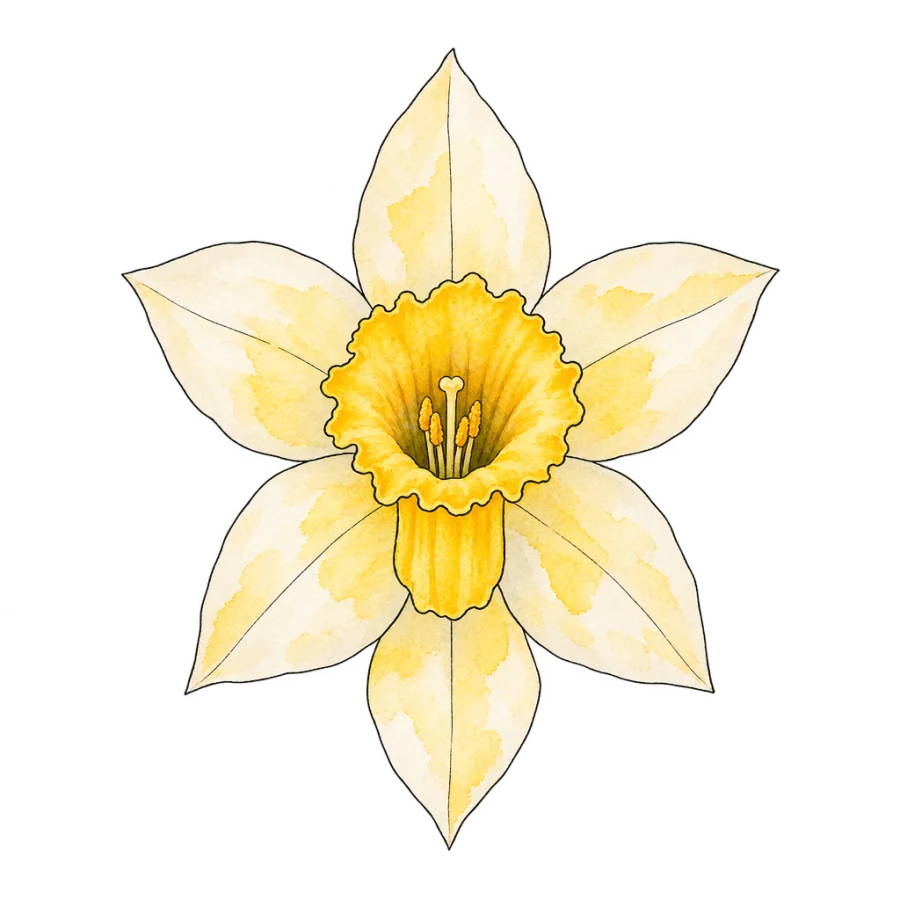
March birth flower tattoo design
Use this prompt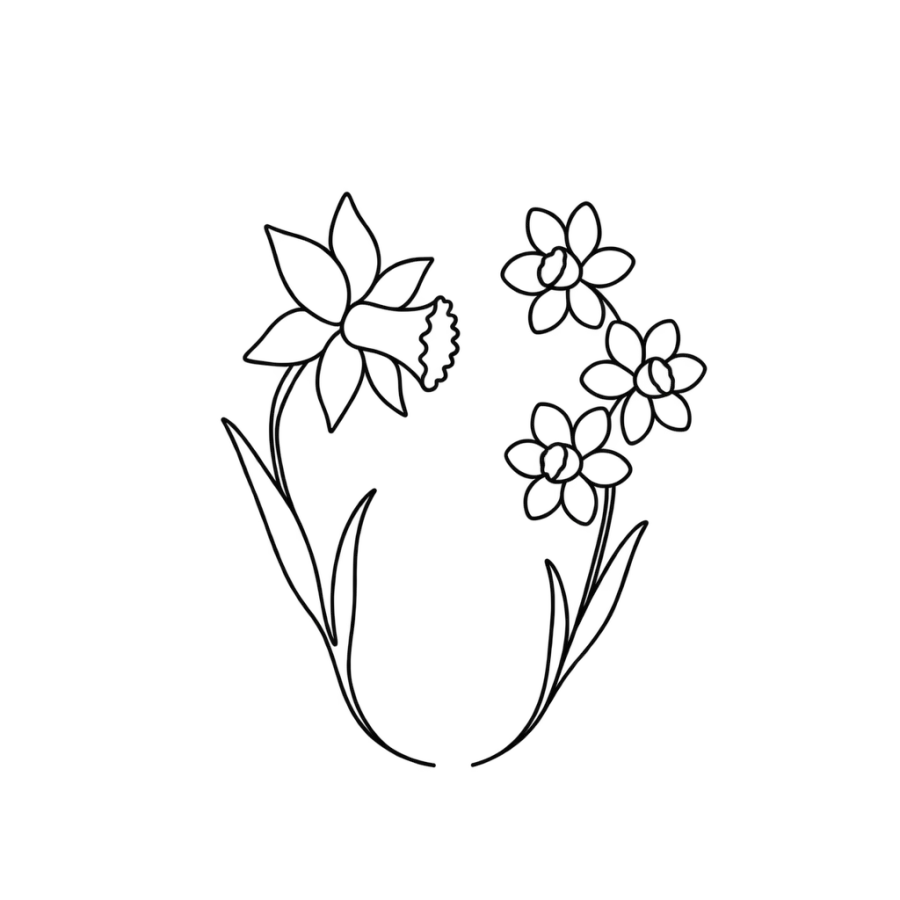
March birth flower tattoo design
Use this prompt
March birth flower tattoo design
Use this prompt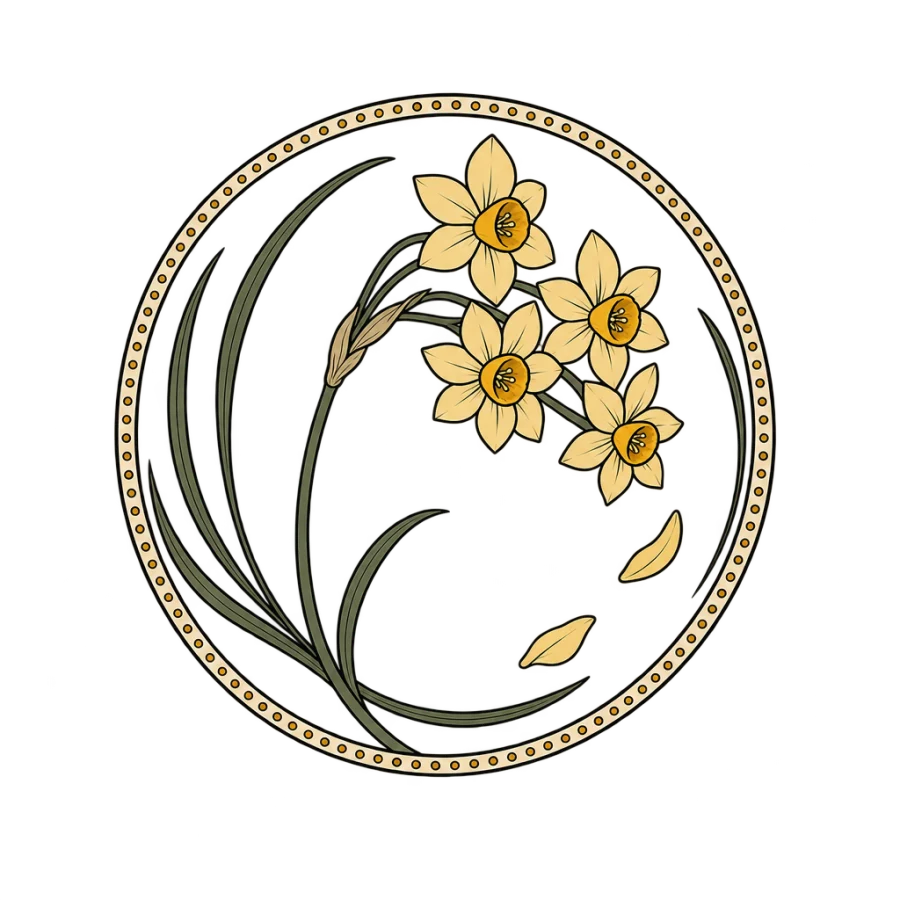
March birth flower tattoo design
Use this prompt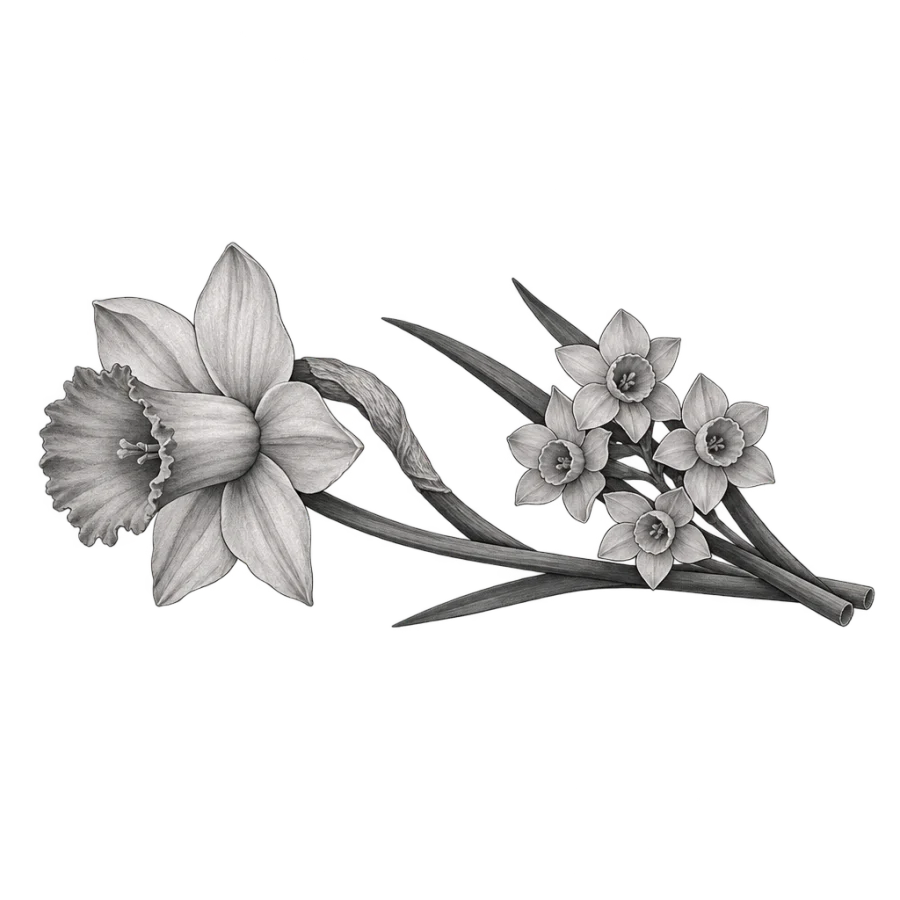
March birth flower tattoo design
Use this prompt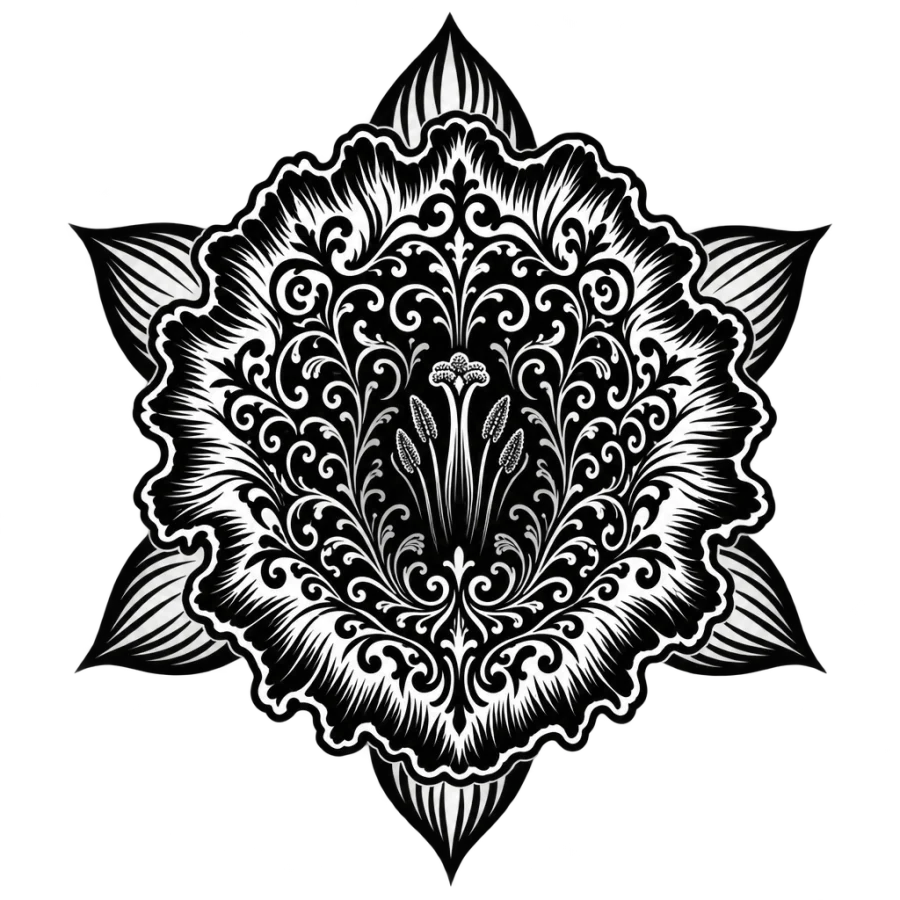
March birth flower tattoo design
Use this prompt
March birth flower tattoo design
Use this prompt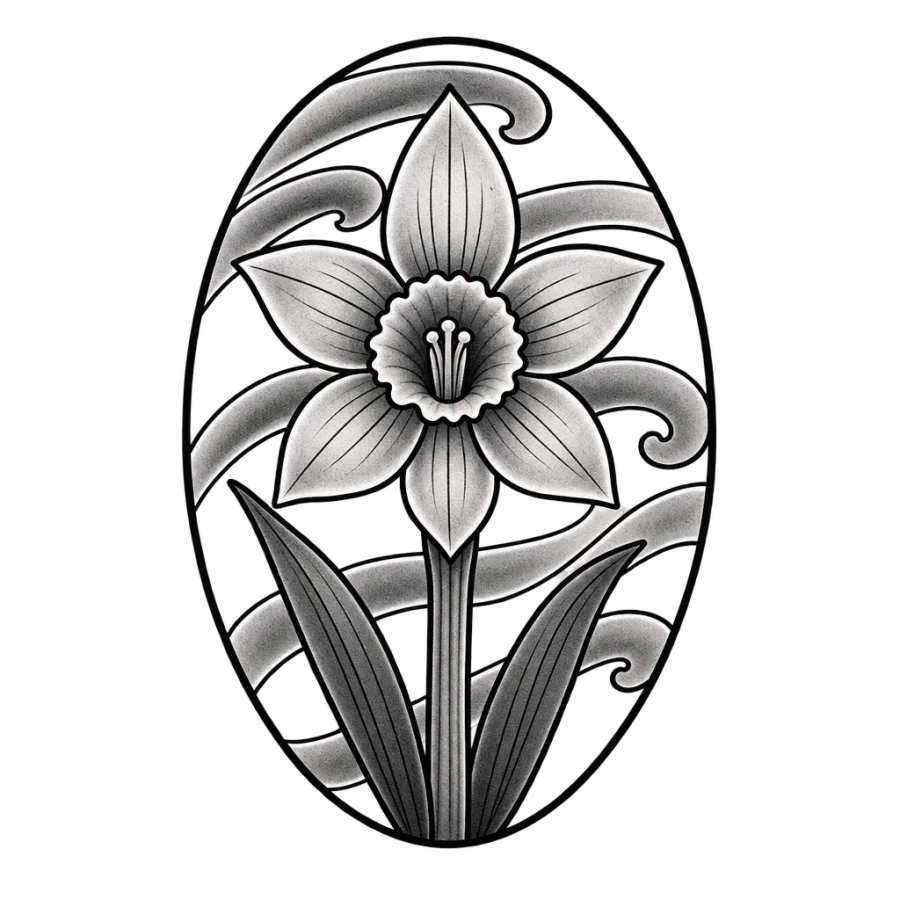
March birth flower tattoo design
Use this promptDescribe an idea of your own and get four designs back in about 20 seconds.
Open the generator
Questions people ask
Is the jonquil a different flower from the daffodil?
Botanically yes. Jonquil is Narcissus jonquilla, one species within the daffodil genus, with several small cupped flowers per stem and round rush like leaves. In everyday use, particularly in the southern United States, people call all daffodils jonquils. Both are listed for March, so either is correct.
Why do daffodil tattoos look flat sometimes?
Usually because the flower was drawn face on. From that angle the trumpet becomes a circle inside a star and the depth disappears. A three quarter view shows the trumpet as an ellipse with a visible rim and an interior shadow, which is the shape the eye reads as a daffodil.
How big does a daffodil tattoo need to be?
About 5 cm across the head is the practical floor, and that works best with the trumpet rim outlined and the interior left mostly open. A full stem with leaves usually lands at 10 to 15 cm. A jonquil cluster needs 8 cm or more because the small cups crowd each other at anything less.
What does a daffodil tattoo mean?
It is tied to new beginnings and to spring, because it is one of the first flowers up after winter in northern Europe. It is also the symbol of several cancer charities and of Wales. In Greek myth, Narcissus gives the genus its name. People born in March often choose it simply as their month.
Does yellow ink hold up in a daffodil tattoo?
Yellow is among the least stable pigments and fades faster than black, especially on sun exposed skin. Most artists back yellow with a black outline so the shape survives even when the color goes pale. Expect a touch up somewhere between seven and fifteen years if you want it bright.